Some links on this page are affiliate links: if you buy through them we may earn a commission, at no extra cost to you.
A well-planned mailbox garden can add color and soften the curb without making it harder to reach or use the mailbox. Start with the site—sun, soil, moisture, climate, and available space—then choose plants that stay within their mature footprint and leave access clear. These 13 ideas are adaptable design directions, not universal planting plans.
Plan the bed before choosing plants
Check how much direct sun the site gets, whether water drains or collects there, and what the soil is like. Choose plants for those conditions and your local climate; a plant list for another region is a source of ideas, not a guarantee it will thrive at your curb. Plant labels and local extension advice can help confirm fit.
As an Amazon Associate I earn from qualifying purchases.
- Measure mature size. Allow for a plant’s eventual height and spread, not just the size of the nursery pot. Keep the mailbox visible and reachable.
- Think about bloom timing. Many perennials flower for only part of the season. A mix of bloom periods can extend color, while annuals can provide seasonal displays with more regular care.
- Protect access. Keep the mailbox operable and leave room for utility access. Check applicable postal and utility guidance before digging or planting.
13 mailbox landscaping ideas
1. Make a symmetrical formal bed
Repeat the same plant forms or colors on both sides of the post for a balanced, tidy look. Seasonal annuals can refresh the color as the year changes. Keep the arrangement compact enough that neither side crowds the mailbox.
2. Try a cottage-style mix
Combine a small selection of flowering plants with contrasting shapes and bloom periods for a more relaxed effect. Group plants with similar light and watering needs together so the mix is easier to care for.
#1 Best Overall
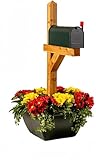
- EASY WRAP AROUND INSTALLATION: Planter box for around mailbox fits 4 x 4 or 6 x 6 posts without tools or digging. Create a wrap around mailbox planter display while keeping the post in place.
- EXTRA LARGE SOIL CAPACITY: This 24 in. round mailbox planter box holds over 16 gal. of soil. Deep root space accommodates flowers, herbs, or compact shrubs for seasonal outdoor planting.
- DURABLE RESIN CONSTRUCTION: UV-stable polyethylene resists fading, cracking, and discoloration during year-round outdoor exposure. Solid forest green finish complements mailbox areas in sun and rain.
- BUILT-IN DRAINAGE SYSTEM: Four molded weep holes and raised feet direct excess water away from roots. Airflow beneath the planter supports drainage and helps reduce standing water around plants.
- REUSABLE TWO-PIECE DESIGN: Two interlocking halves form a wrap around 6 x 6 square post planter box. Remove or reposition the planter for seasonal displays without disturbing the mailbox post.
3. Plant a native perennial pollinator bed
Where they are native and suited to the site, coneflower, black-eyed Susan, asters, and butterfly weed are possible starting points. Confirm local native status, mature size, and growing needs before planting; a plant’s popularity elsewhere does not establish that it belongs in your region.
4. Layer a sunny bed by height
Place taller plants nearer the post and shorter plants toward the outside edge to create depth while keeping the mailbox easy to see. A full-sun Ohio garden might use locally suitable examples such as zinnias, lantana, verbena, salvia, marigolds, celosia, cosmos, or vinca. Ohio State University Extension’s list is regional guidance, so check whether a particular plant suits your climate and site (Ohio State University Extension: What to plant around mailbox).
Crashes, No Sound, or Screen Glitches?
Random freezes, missing sound and display glitches usually trace back to one bad driver. Find and replace yours safely.Free scan · under a minuteWindows Errors? Fix Them Before They Spread
Repair common Windows errors and clear accumulated junk for a smoother, more stable PC - no reinstall needed.Free scan · no reinstall5. Soften the edge with a low groundcover
A spreading, site-appropriate groundcover can make the bed edge feel less abrupt. Mississippi State University Extension describes purslane forming a dense mat in a Mississippi mailbox garden; treat it as a regional example rather than a general recommendation. Check its suitability and spread for your location before using it (Mississippi State University Extension: Welcome visitors with mailbox garden).
6. Use annuals for a seasonal color display
Sun-loving annuals can create a strong seasonal show, but plan for the watering and upkeep they require. The Ohio examples in the previous section are possibilities for suitable full-sun sites, not a universal shopping list.
Rank #2

- Made with 100% high-grade polyethylene resin with UV inhibitors to prevent fading and discoloration
- Supports any sized mailbox weighing up to 8lbs
- Installs easily over a standard 4x4 wood post
- 4x4 wood post, mailbox and mailbox mounting hardware NOT included
- Proudly designed in Canada and made in the USA – Backed by a 15-year limited warranty
7. Sequence perennials from spring to fall
Choose plants with different flowering periods instead of expecting one perennial to bloom all season. Match each plant to the site, then arrange the selection so a later-flowering plant can take over as an earlier one finishes.
8. Let foliage carry the design
Flowers are not the only source of color. Combine contrasting leaf shapes, textures, and tones for interest between bloom periods. Mississippi State University Extension’s mailbox-garden example includes purple heart for dark foliage and pink flowers; use it only where local conditions suit it.
Recommended Free Tools
9. Keep a compact, utility-conscious planting
Choose tidy plants with soft foliage and leave clear space around areas that need access. Some flowers can attract stinging or biting insects. The University of Florida IFAS recommends keeping such plants at least two feet below the mailbox; follow that guidance where applicable and check local postal and utility requirements before planting (UF/IFAS: Florida-Friendly Landscaping Pattern Book).
10. Define the bed with a small raised border
Landscape blocks can create a contained planting area around the post. A raised bed changes the planting conditions, so use soil appropriate to a raised bed and make sure the finished design does not interfere with mailbox access or nearby utilities. Lowe’s suggests raised-bed soil for a raised mailbox bed (Lowe’s: Mailbox Planting Ideas).
Rank #3

- Charming Cedar Design for Curb Appeal – Crafted from natural cedar wood, this mailbox planter box enhances the look of your outdoor space with timeless charm and a rustic finish. Whether you're upgrading mail boxes for house outside with post or adding a decorative touch to existing mailbox posts for outside, this piece delivers both function and elegance. Mailbox Planter Stand for Outside.
- Flexible Compatibility with Multiple Setups – Engineered to work seamlessly with a wide range of mailboxes for outside post mount, this planter can be used as a free-standing base or assembled around an existing mailbox post. It also fits over standard 4x4 wooden posts (although it's called a 4x4 post, the lumber is sold measuring 3.5x3.5 inches, and our 3.7"center opening accomodates these perfectly!), making it a versatile solution for homeowners seeking a reliable mailbox kit without the need for digging.
- Durable, Weather-Resistant Construction – Built from premium cedar known for its natural weather resistance, this mailbox post kit is made to endure outdoor conditions year-round. Includes outdoor-rated hardware for added longevity and peace of mind.
- Quick & Stable Self-Assembled Installation – Assembly required. Thoughtfully designed with dovetail joints, pre-drilled holes, and easy-to-follow instructions, this self-assembled mailbox kit installs with ease. For added security, the planter base can be filled with gravel for stability—ideal for high-wind or high-traffic areas.
- Ilyapa Quality Promise: Ilyapa stands behind all of its products, we're here to help resolve any issues that may arise.
11. Add a vine-and-trellis accent
A climbing plant can add height where the ground area is limited. Give it a trellis or secure it carefully to the post, and keep growth clear of the mailbox door, flag, address information, and delivery access. Select a vine suited to your region and manage it as it grows.
12. Prepare a mulch-edged, lower-work bed
Mulch can give a small bed a finished edge. One approach described by WFIU’s Focus on Flowers is to put newspaper or cardboard under mulch to suppress existing grass or weeds before planting later. Keep the mailbox and any utility access unobstructed while preparing the area (WFIU: A Mailbox Garden).
Do these 3 things before closing this tab:
1Repair Windows errors before they cause bigger problems2Fix the driver behind crashes, sound loss and screen glitches3Clear out junk files and repair common Windows errors13. Echo a local garden palette
Borrow the layered look of a nearby home garden, but adapt its plants to the more exposed curbside conditions. Mississippi State University Extension’s example uses several heights as well as varied foliage and flowers. Use the composition as inspiration and substitute plants that fit your own region, light, and moisture.
Independent reader supportYour contribution helps us test, update, and keep practical guides available for everyone.Match the design to your priorities
These concepts can overlap: a raised bed can be symmetrical, a native planting can be layered, and a foliage-first design can include seasonal annuals. Use this comparison to decide where to start.
Quick Recap
| Design direction | Best suited to | Planning consideration |
|---|---|---|
| Symmetrical formal bed | A tidy, balanced look | Repeat plants or colors, and keep both sides within the available space. |
| Cottage-style mix | A varied, informal appearance | Group plants with similar care needs; stagger bloom times. |
| Native perennial pollinator bed | A regionally appropriate perennial planting | Verify native status and site fit locally; consider mature size and insect activity. |
| Layered sunny bed | A full-sun site with room for plants of different heights | Keep taller plants near the post and clear the mailbox sightline. |
| Low groundcover border | Softening the bed edge | Confirm the groundcover suits local conditions and will not spread beyond the bed. |
| Seasonal annual display | Color that can be changed from season to season | Allow time for watering and maintenance. |
| Spring-to-fall perennial sequence | Color from successive flowering periods | Choose plants with different bloom times; do not assume one perennial flowers all season. |
| Foliage-first design | Interest from leaf color and texture as well as flowers | Check regional suitability and mature spread. |
| Compact, utility-conscious bed | A tight area where access matters | Leave room for the mailbox and utility work; account for insects attracted by flowers. |
| Small raised bed | A contained planting area | Choose appropriate raised-bed soil and keep the structure clear of access points. |
| Vine and trellis | Vertical interest in a small footprint | Support and manage growth so the mailbox remains usable. |
| Mulch-edged bed | A defined bed with grass or weeds to suppress | Newspaper or cardboard under mulch is one described preparation method; plant later as planned. |
| Regionally adapted layered garden | A design inspired by local home gardens | Adapt the palette to curbside exposure, climate, and available space. |
Plant and maintain the bed without blocking access
- Check the site. Note sun, soil, drainage, moisture, and the space available around the post.
- Confirm the rules and utilities. Check postal and utility guidance before digging, and leave access for future work.
- Choose plants for mature size. Use local plant guidance and labels to confirm growing conditions, height, spread, and bloom period.
- Arrange plants before planting. Set taller plants nearer the post and shorter ones at the edge where appropriate; verify that the mailbox remains visible and operable.
- Water as the plants need. During dry spells, water when required by the chosen plants. Mississippi State University Extension specifically notes watering its black-eyed Susans during drought in its example garden.
- Keep growth in bounds. Trim or replace plants that begin to obstruct access, the mailbox, or utility areas.
Product prices and availability are accurate as of the date/time indicated and are subject to change. Any price and availability information displayed on Amazon at the time of purchase will apply.

