Some links on this page are affiliate links: if you buy through them we may earn a commission, at no extra cost to you.
Minimalist backyard landscaping is less about removing everything than about making each element work together: clear lines, a limited mix of materials, and a considered plant palette. Start by deciding how you want to use the yard, then adapt the design to its sun, soil, drainage, climate, and the time you can spend maintaining it.
Start with purpose and site conditions
Before choosing paving or plants, identify the yard’s main job: dining, relaxing, play, gardening, or a combination. Colorado State University Extension recommends analyzing the site and the people who use it, then defining planted and hardscape areas as outdoor rooms. EPA WaterSense guidance likewise supports choosing plants and landscape features for local conditions rather than following a universal planting recipe.
As an Amazon Associate I earn from qualifying purchases.
Do these 3 things before closing this tab:
1Repair Windows errors before they cause bigger problems2Fix the driver behind crashes, sound loss and screen glitches3Clear out junk files and repair common Windows errorsCheck where sun and shade fall, how water drains, what the soil is like, and which areas need access. Plant choices should suit local climate and water availability; the University of Idaho’s native-plant guidance, for example, is specific to Idaho and should not be treated as a planting list for other regions.
Garden designer Shireen Zia’s guiding phrase, reported by Homes & Gardens, is “clean lines, simple forms, and a restrained plant palette.” The ideas below are options to adapt, not a checklist every backyard needs.
Popular on Amazon

- 𝐅𝐥𝐞𝐱𝐢𝐛𝐥𝐞 & 𝐄𝐚𝐬𝐲 𝐭𝐨 𝐈𝐧𝐬𝐭𝐚𝐥𝐥: Each panel measures 40" (L) × 5" (H), including 3" underground stakes for strong anchoring, leaving 2" visible above ground for a clean, low-profile border. The hammer-in design makes installation fast and effortless—perfect for creating neat, professional-looking edges without digging.
- 𝐃𝐮𝐫𝐚𝐛𝐥𝐞 𝐆𝐚𝐥𝐯𝐚𝐧𝐢𝐳𝐞𝐝 𝐒𝐭𝐞𝐞𝐥 𝐂𝐨𝐧𝐬𝐭𝐫𝐮𝐜𝐭𝐢𝐨𝐧: Made from high-quality galvanized steel, this 33ft landscape edging (10-pack) is built to withstand outdoor conditions, providing long-lasting durability and rust resistance for your garden, yard, or flower beds.
- 𝐒𝐞𝐜𝐮𝐫𝐞 & 𝐒𝐭𝐚𝐛𝐥𝐞 𝐃𝐞𝐬𝐢𝐠𝐧: Comes with 11 stakes, ensuring strong anchoring in soil and stability against shifting over time. Ideal for maintaining defined garden edges and pathways.
- 𝐒𝐥𝐞𝐞𝐤 𝐁𝐥𝐚𝐜𝐤 𝐅𝐢𝐧𝐢𝐬𝐡 𝐟𝐨𝐫 𝐌𝐨𝐝𝐞𝐫𝐧 𝐀𝐩𝐩𝐞𝐚𝐥: The powder-coated black steel adds a stylish, modern touch to your outdoor landscaping while blending seamlessly with various garden styles.
- 𝐕𝐞𝐫𝐬𝐚𝐭𝐢𝐥𝐞 𝐆𝐚𝐫𝐝𝐞𝐧 𝐁𝐨𝐫𝐝𝐞𝐫 𝐒𝐨𝐥𝐮𝐭𝐢𝐨𝐧: Perfect for creating crisp, clean separations between lawns, flower beds, pathways, and patios. Easily cut or bend to fit curves, corners, and custom garden designs.
12 minimalist backyard landscape design ideas
1. Give the yard one clear geometry
Choose a coherent layout, such as a rectangular patio with beds or paths aligned to the house or boundary. A legible set of lines makes the space feel intentional; multiple unrelated curves and angles can compete for attention.
2. Create one outdoor room for the main activity
Let the primary use guide the layout. A patio or deck can define dining or lounging space, while a planting edge or screen can establish a quieter retreat. In a small yard, one well-defined room may be more useful than several undersized zones.
Free tools Windows power users keep installed
One-click scans. No signup required.
3. Limit the hardscape materials
Coordinate paving, edging, walls, and containers so they read as one palette. A designer featured by Homes & Gardens describes a compact atrium using five selected hardscape materials; that is an example of coordination, not a target number for every project.
Also popular on Amazon

- More spiral spikes: This landscape edge is 33 feet long, 4 inches high with 61 Pcs 5.67 inch spiral spikes. 6 nails can be used for every 1m/3.28ft( Ensure that there is at least one nail in every other hole), which is suitable for the needs of many landscape projects
- High-quality material: This 4inch garden border edging is made of durable PE material, strong plasticity, sun resistance and rain resistance, reusable, no rust, with the advantages of long service time
- Simple installation: No dig landscape edging kit- No need to dig the lawn, just bend it into the shape of your desired landscape, then hammer stakes every few feet or around key bends to secure the edges
- Suitable for many landscape projects: It can be used as a garden edge, lawn edge, flower bed border, paver edging etc. Establishing boundaries between different areas of an outdoor space can also be used to prevent weeds from taking over flower beds
- Wider selection: We have a wide range of garden edging sizes to choose from and we also support custom service
4. Repeat a short list of plants
Repeat a few suitable species or group them in masses instead of scattering unrelated specimens throughout the yard. Repetition creates visual rhythm, but the plants still need to suit the site’s sun, soil, climate, and water conditions.
5. Use grasses for soft movement
Ornamental grasses can contrast with crisp paving and walls through texture and movement. Carex and Miscanthus are examples named in the design coverage, not universally suitable recommendations; check local conditions and species behavior before planting.
6. Add one sculptural plant or clipped form
A clipped topiary or a plant with a strong silhouette can anchor a view or mark an entry. Treat it as a focal point, then keep surrounding forms quieter so the feature does not have to compete with several others.
What’s actually slowing this PC down?
Pick the symptom - the matching free tool is one click away.
Also popular on Amazon
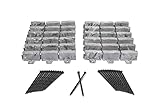
- EASYFLEX DECORATIVE NO-DIG LANDSCAPE EDGING: Get a beautifully landscaped yard without all the work of a dig-in lawn edging; simple installation without trenches or shovels; color may vary due to the unique manufacturing process.
- DO-IT-YOURSELF: Place the edging around raised flower beds, trees, and gardens and use a rubber mallet to drive the spikes into the tabs for a secure, long-lasting border
- FIT ANY SHAPE GARDEN DESIGN: EasyFlex garden edging is rigid enough to make straight sections, and has built-in spines that can bend to make curves and tree rings, or cut to make corners
- DURABLE & LOW MAINTENANCE: the strong plastic lawn edging can withstand string trimmers, temperature fluctuations and seasonal ground movement; requires minimal annual maintenance
- KIT INCLUDES: (12) 2.5-inch-tall x 15-inch-wide Stone-Look edging pieces and (24) 8-inch spiral anchoring spikes to complete a 15-foot installation
7. Use ground cover to simplify bed surfaces
Low-growing plants can knit a bed together and reduce the appearance of bare soil. Thyme, Dichondra, and blue star creeper are examples from the design source, not a universal shortlist. Verify regional suitability, invasiveness, sun exposure, soil, and water needs before using any of them.
8. Make one seat the focal point
An outdoor garden bench can turn a quiet corner into a destination. Place it where there is a reason to pause—a view, a sheltered edge, or a patch of afternoon shade—and keep the surrounding planting simple enough for the seat to remain the focus.
9. Use a restrained container grouping
A small group of coordinated pots can bring structure to a patio or courtyard without adding another layer of visual clutter. Choose container size and plant varieties for the exposure and watering the location requires.
Also popular on Amazon

- Long-Lasting Use: Made of high-quality, weather-resistant plastic, this landscape edging is both sturdy and flexible enough to hold pebbles, mulch, and other materials in place
- No-Dig Design: The garden edging features a no-dig design; Simply stake it into the ground every 2-3 holes using the included 40 spikes, and enjoy a clean, professional look
- Enhanced Landscaping: The 3-inch tall garden barrier offers a clear delineation without being too obtrusive; Suitable for tree edging, mulch retention, weed control, and more, it's the perfect tool to enhance your outdoor space
- Easy to Cut: The garden edging is easy to cut to fit your unique garden layout; It's easy to maintain and won't interfere with mowing or other daily yard work
- Multi-Purpose Application: Whether you're looking to edge your flower beds, pathways, gardens, or sidewalks, this edging is perfect for the job
10. Keep lawn where it has a job
A simple turf area can make sense for play, pets, or another regular use. Where lawn has no practical role, consider reducing it rather than treating a large, little-used lawn as the default. EPA and Colorado State Extension guidance does not suggest that every yard should eliminate turf.
The Tool Desk
Outbyte PC Repair FREERepair Windows errors before they cause bigger problemsFix Now →Outbyte Driver Updater FREEFix the driver behind crashes, sound loss and screen glitchesFind Drivers →11. Consider permeable paths or paving where the site allows
Permeable patios and paths can allow water to infiltrate, but whether they are suitable depends on drainage, slope, soil, and local requirements. EPA and Colorado State Extension both emphasize site-specific landscape decisions; do not assume a material will solve drainage problems without checking the conditions.
12. Hide tools and keep bed care intentional
Store tools and conceal hoses when they are not in use to protect the uncluttered look. Mulch appropriate beds to help limit evaporation and weeds, but select it for the plants and site. EPA cautions that rock mulch can radiate heat and promote water loss in sunny or non-arid settings.
Also popular on Amazon

- Pound‑In Lawn Edging – Create clean, defined garden borders without hiring a professional; installs with minimal ground preparation.
- Simple DIY Installation – Score the soil and gently pound edging into place with a rubber mallet for a secure, long‑lasting border.
- Durable & Flexible Plastic – Made from sturdy recycled plastic that installs in straight lines or tight curves around plants and trees.
- Low‑Maintenance Landscape Border – Designed to withstand string trimmers, temperature changes, and seasonal ground movement.
- Bonus Stake Kit Included – Includes (1) 20‑ft coil of edging and 6 anchoring stakes—triple the stakes of standard kits for added stability.
Choose plants and materials for the actual yard
Minimalist design depends on editing, not on using the same plants or paving everywhere. Before committing to a palette, check:
- Climate and region: Use locally relevant plant resources and verify whether a species is suitable or invasive where you live.
- Light and soil: Match plants to the amount of sun or shade and the soil conditions at their specific planting locations.
- Water needs: Group plants with similar water needs—a practice known as hydrozoning—so the layout does not require mismatched watering.
- Drainage and slope: Consider how patios, paths, planting beds, and mulch affect water movement before selecting materials or installation details.
- Maintenance capacity: Choose a design you can keep up with, including watering, pruning, lawn care, and storage.
- Visual compatibility: Coordinate hardscape finishes and repeat plant forms so each element supports the overall composition.
EPA WaterSense is U.S.-oriented and directs readers to state-level plant resources; local climate, restrictions, codes, and suitability vary. Colorado State University Extension guidance includes Colorado-specific examples, which are not national rules. Neither these sources nor the design examples establish a universal cost, water-savings figure, maintenance reduction, or performance ranking for the ideas here.
Quick Recap
Common mistakes that make a minimalist yard feel less effective
- Choosing a look before deciding how the yard will be used: A clean layout still needs to serve the people who live with it.
- Adding too many competing shapes or materials: A restrained palette works best when paths, edges, and surfaces relate to one another.
- Copying a plant list without checking local fit: A plant that works in one region may fail under different climate, soil, sun, or water conditions.
- Removing lawn without considering function: Keep turf where it serves a real purpose; reduce it where it does not.
- Assuming permeable paving or mulch is suitable everywhere: Drainage, slope, soil, exposure, and local requirements affect the choice.
- Creating visual clutter with focal points: A strong plant, seat, or container grouping is more effective when it has room to stand out.
Product prices and availability are accurate as of the date/time indicated and are subject to change. Any price and availability information displayed on Amazon at the time of purchase will apply.

