To reduce condensation on the inside of a window, lower excess indoor moisture, vent it outdoors, and let room air reach the glass. The droplets form when the glass is colder than the dew point of the air in the room. First check which side is wet: exterior dew can be a normal weather effect, not a sign that a window has failed.
First, identify where the water is forming
Wipe the glass and check both sides safely. If the moisture is on the room-facing surface, indoor air is meeting glass cold enough for water vapor to condense. If it is on the outside, it may be dew: on a warm, humid day, cool indoor conditions can chill the outer pane below the outdoor air’s dew point. Exterior condensation alone does not establish that the window is defective. ENERGY STAR explains the interior-condensation mechanism and exterior dew conditions in its condensation guidance.
As an Amazon Associate I earn from qualifying purchases.
If water is collecting on the sill or frame, dry it rather than letting it sit. Repeated wetting can damage finishes and window components and may encourage mold or mildew. A Building America Solution Center guide from the U.S. Department of Energy recommends drying wet surfaces and reducing the moisture source: Condensation Control for Windows and Doors.
10 ways to reduce interior window condensation
1. Track when and where it appears
Note which rooms and windows get wet, and whether it follows showers, cooking, laundry, or a cold spell. That pattern helps identify whether the main issue is indoor moisture, insufficient ventilation, cold glass, or a combination. Dry the glass and frame so you can tell whether the problem returns.
#1 Best Overall
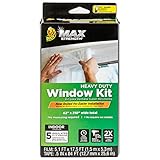
- Save on energy costs during cold weather months. Duck Max Strength shrink window film is puncture-resistant and two times thicker than standard window kits to create an airtight seal inside your home to block drafts and cold weather
- Easy-to-install roll of shrink film means no measuring needed - once applied, cut film to size
- Tools needed: scissors and hair dryer. For best results apply window films indoors on clean and dry surfaces, including painted or finished wood, aluminum or vinyl
- After installation, crystal clear and transparent window film is easy to see through. Once season is over, the window kit removes easily
- Window Kit includes 1, 62" x 210" roll of shrink film and 1, 0.5" x 84' foot roll of tape; Can insulate up to 5 standard sized 3' x 5' windows
2. Reduce moisture at its source
Bathing, cooking, laundry, and humidification add water vapor indoors. Start with the activity that lines up with the heaviest condensation. Use lids when cooking where practical, avoid running a humidifier without a reason, and do not dry wet laundry indoors if it is causing persistent moisture.
3. Run the bathroom exhaust fan during and after showers
Use the fan while showering and leave it on for 20 minutes afterward, following ENERGY STAR’s recommendation. Confirm that it exhausts outdoors; a fan that discharges into an attic or wall cavity moves moisture to another part of the building rather than removing it from the home. See ENERGY STAR’s condensation guidance.
Rank #2

- Designed for interior use on windows
- Accommodates up to 4 standard sized windows
- Shrinks with hair dryer and applies with included double-faced tape
- Each sheet measures 62 in. L x 42 in. W
- Helps R-value increase up to 90%
4. Use the kitchen exhaust fan while cooking
Run a vented range hood or kitchen exhaust fan when cooking, then keep it on for 20 minutes afterward when practical. ENERGY STAR recommends this interval after cooking as well as after showering. If the hood only recirculates air through a filter, it may capture grease and odors but does not vent water vapor outdoors.
Do these 3 things before closing this tab:
1Scan for outdated or missing drivers - takes under a minute2Clear out junk files and repair common Windows errors3Fix the driver behind crashes, sound loss and screen glitches5. Make sure the clothes dryer vents outdoors
ENERGY STAR specifically recommends venting clothes dryers directly outdoors. Check that the exhaust connection is intact and not releasing moist air into the laundry area, attic, or crawlspace. Follow the dryer manufacturer’s instructions when inspecting or cleaning its vent.
Rank #3
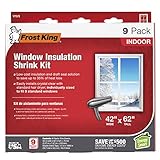
- This product adds a great value
- Product is highly durable and very easy to use
- This product is manufactured in China
- If you want to open your windows in the warmer months, you'll need to take it off. Otherwise, sunlight and normal stress can also make the tape fail eventually. For a good seal, it's probably best to re-apply them every year.
6. Measure indoor relative humidity
A basic hygrometer can show whether indoor relative humidity (RH) remains high, especially during cold weather. ENERGY STAR describes 30%–50% RH as a general optimum range for buildings and 30%–40% RH during the heating season in colder climates as helpful for preventing window condensation. These are general recommendations, not a universal setting: climate, season, comfort, and the building itself affect what is appropriate. See ENERGY STAR’s condensation guidance.
7. Use a dehumidifier if moisture stays high
If humidity remains high after you address its sources and use exhaust ventilation, a dehumidifier with a humidistat can help manage it. Set it according to its instructions and monitor the room rather than assuming every home needs one. Account for electricity use, tank emptying or drainage, and filter and coil maintenance.
Rank #4

- Save on energy costs during cold weather months. This rolled window kit creates an airtight seal inside your home to block drafts and cold weather
- Easy-to-install roll of shrink film means no measuring needed - once applied, cut film to size
- Tools needed: scissors and hair dryer. For best results apply window films indoors on clean and dry surfaces, including painted or finished wood, aluminum or vinyl
- After installation, crystal clear and transparent window film is easy to see through. Once season is over, the window kit removes easily
- Window Kit includes 3, 62" x 210" rolls of shrink film and 3, 0.5" x 54' foot rolls of tape; Can insulate up to 15 standard sized 3' x 5' windows
8. Let room air circulate over the glass
Heavy or tightly closed curtains and blinds can trap cool, still air beside the pane. Open window treatments as conditions permit so room air can move over the glass. ENERGY STAR advises choosing treatments that allow airflow over the window surface: condensation guidance.
9. Address drafts and insulation gaps
Cold air leaking around a window can make nearby surfaces colder and worsen condensation. ENERGY STAR advises insulating the space between the frame and rough opening during installation. For an existing drafty window, removable plastic window film can reduce drafts, help the room feel warmer, and reduce moisture buildup on the window; it is not a fix for every cause of condensation. Follow the kit directions and keep required emergency exits usable. See ENERGY STAR’s condensation guidance and its window insulation film guidance. For persistent drafts or suspected installation gaps, a qualified home energy professional or contractor can assess the assembly.
Best Value

- Save on energy costs during cold weather months. Duck Max Strength shrink window film is puncture-resistant and two times thicker than standard window kits to create an airtight seal inside your home to block drafts and cold weather
- Easy-to-install roll of shrink film means no measuring needed - once applied, cut film to size
- Tools needed: scissors and hair dryer. For best results apply window films indoors on clean and dry surfaces, including painted or finished wood, aluminum or vinyl
- After installation, crystal clear and transparent window film is easy to see through. Once season is over, the window kit removes easily
- Window Kit includes 2, 62" x 210" roll of shrink film and 2, 0.5" x 54' foot rolls of tape; Can insulate up to 10 standard sized 3' x 5' windows
10. Investigate persistent wetness before considering replacement
If condensation continues after moisture and airflow changes, look for damaged seals, installation gaps, or other signs that the window or surrounding construction needs attention. A qualified contractor can help distinguish a window issue from a broader humidity or ventilation problem. Replacement is a longer-term option to evaluate, not an automatic first response.
When comparing windows, DOE describes condensation resistance as a rating of resistance to moisture or frost on the interior surface; higher ratings indicate better resistance. Compare that rating alongside U-factor, air leakage, climate needs, installation quality, durability, and cost. ENERGY STAR qualification is based on U-factor and solar heat gain coefficient (SHGC), so certification alone does not guarantee a window will never condense. Sources: DOE’s window, door, and skylight performance ratings and ENERGY STAR product criteria.
Quick Recap
Product prices and availability are accurate as of the date/time indicated and are subject to change. Any price and availability information displayed on Amazon at the time of purchase will apply.




