The Tool Desk
Outbyte Driver Updater FREEScan for outdated or missing drivers - takes under a minuteDriver Scan →Outbyte PC Repair FREEClear out junk files and repair common Windows errorsFree Scan →A good yard should not look finished for three weeks in May and tired the rest of the year. The best landscaping ideas earn their space in more than one season: spring bloom, summer shade, fall color, winter structure, stormwater control, privacy, lighting, food growing, or usable outdoor living.
On our job sites, the yards that age well usually start with construction decisions before plant decisions: grading, drainage, access, utilities, base preparation, irrigation sleeves, and realistic maintenance. Plants matter, but a beautiful bed placed where water runs toward the foundation is still a failed project.
As an Amazon Associate I earn from qualifying purchases.
For budgeting, landscaping is not one tidy category. In 2026, small professional tasks such as mulch installation or simple cleanup can be under $100 to a few hundred dollars. A typical landscaping project often lands around $3,650, while full-yard transformations with grading, hardscape, lighting, irrigation, outdoor kitchens, pools, or engineered walls can exceed $100,000. Landscape design alone is commonly $2,200 to $6,180 per project or about $50 to $150 per hour before installation.
Recommended Free Tools
Start With The Yard Plan, Not The Plant List
Before choosing hydrangeas, pavers, or a fire pit, divide the yard into working zones: arrival, path, seating, shade, play, pets, food growing, storage, privacy, drainage, and maintenance access. Every zone should have enough room to function. A main walkway is usually comfortable at 4 feet wide, a secondary garden path can work at 30 to 36 inches, and a dining patio for a table and chairs often needs at least 12 by 12 feet.
#1 Best Overall

- Quick, at home results for Soil pH, Nitrogen, Phosphorous and Potash Innovative and inexpensive soil test kit features an easy-to-use capsule system and patented color comparators
- Contains all components needed for 20 tests. 5 for each of pH, N, P and K
- Contains all components needed to test all variables in several spots in the yard or garden
- Simple, detailed instructions included. Great for beginners and experienced gardeners alike.
- Soil pH preference list for over 450 plants included
Call 811 before digging for posts, trees, walls, patios, irrigation, lighting, or drainage. Utility marking is not optional groundwork; it is the step that keeps a shovel from becoming an emergency. Also check HOA rules, setbacks, fence height limits, dark-sky lighting requirements, and retaining wall permit thresholds. Many jurisdictions start asking questions when retaining walls approach 3 to 4 feet tall, and walls with surcharge loads, slopes, driveways, or poor soils may need engineering even when they are shorter.
36 Landscaping Ideas With Four-Season Value
1. Build Layered Foundation Beds
Replace thin builder-grade shrubs with layered planting: one small tree or upright evergreen, medium shrubs, perennials, groundcovers, bulbs, and mulch. This gives you spring bloom, summer fullness, fall texture, and winter bones. Keep shrubs at least 2 to 3 feet from siding at mature size, not nursery size. A front foundation refresh often ranges from $1,500 to $7,500 depending on bed size, soil prep, irrigation, and plant maturity.
2. Plant One Good Shade Tree
A well-placed deciduous tree can cool a patio in July and allow sun through in winter. Choose for mature height, canopy spread, root behavior, and local climate. A professionally installed small tree may cost several hundred dollars; larger specimen trees can climb into the thousands. Keep large trees away from foundations, septic fields, overhead lines, and tight side yards.
Do these 3 things before closing this tab:
1Repair Windows errors before they cause bigger problems2Fix the driver behind crashes, sound loss and screen glitches3Clear out junk files and repair common Windows errors3. Use Native And Adapted Plants
Native and regionally adapted plants can reduce irrigation once established, support pollinators, and handle local weather better than high-maintenance imports. The key is still right plant, right place: sun, soil moisture, mature size, cold hardiness, heat tolerance, salt exposure, and irrigation zone. Expect the first year to need regular watering while roots establish.
4. Add Evergreen Structure
Evergreens carry the yard through winter when perennials are cut back. Use them as anchors at entries, patio corners, property lines, and foundation beds. Mix upright, mounded, and spreading forms so the yard does not look like a row of identical cones. Budget roughly $75 to $400 per shrub installed for common sizes, more for large specimens.
5. Create A Pollinator Strip
A narrow strip along a fence, driveway, or sunny side yard can become a pollinator corridor. Use clumps of three to seven plants instead of one of everything. Keep taller plants to the back and leave a clean edge so it reads intentional, not neglected. This is a good DIY project in the $300 to $1,500 range for many homeowners.
6. Replace Awkward Lawn With Groundcovers
Steep slopes, narrow side strips, and tree-root areas are often poor lawn zones. Replace them with groundcovers suited to foot traffic, shade, drought, or moisture. This reduces mowing and string-trimming. Keep turf where it is useful for pets, play, cooling, or visual relief; reduce the bad lawn first.
Crashes, No Sound, or Screen Glitches?
Random freezes, missing sound and display glitches usually trace back to one bad driver. Find and replace yours safely.Free scan · under a minutePC Slower Than It Used to Be?
A free scan shows the junk files, broken settings and background clutter dragging Windows down - then fixes them in one click.Free scan · Windows 10 & 117. Install A Water-Smart Irrigation System
Water-smart landscapes can cut outdoor water use by 20% to 50% when plant selection, irrigation zoning, and controller settings work together. Use drip irrigation for beds, pressure-regulated spray heads for turf, and a smart controller that responds to weather or soil moisture. A professional irrigation system is often around $6,000 for a typical project, with cost rising for large lots, separate zones, trenching difficulty, and smart controls.
8. Build A Rain Garden
A rain garden catches runoff from roofs, patios, and slopes, then lets water soak into planted soil instead of racing across the yard. Place it away from the foundation, avoid septic areas, and use plants that tolerate both wet and dry cycles. This can be a functional drainage improvement and a strong seasonal planting feature.
9. Use A Dry Creek Bed For Drainage
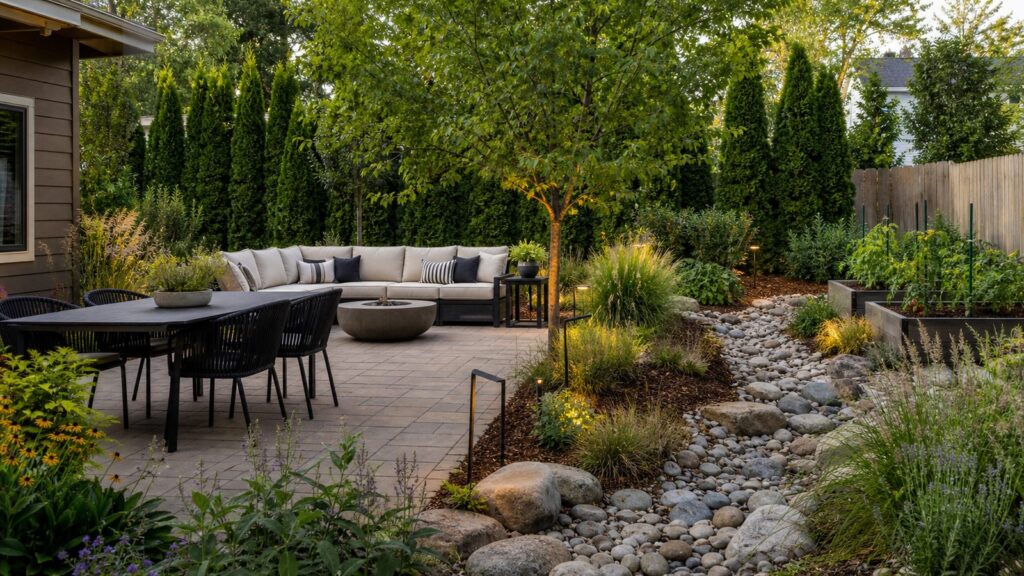
A dry creek bed turns a drainage path into a design feature. Use geotextile fabric, properly sized stone, and enough slope to move water. Avoid making it too shallow; many effective dry creek beds are 12 to 24 inches wide for small flows and wider where roof runoff or slope runoff concentrates.
10. Add Permeable Paver Walkways
Permeable pavers help stormwater move into the base instead of shedding across the surface. They need correct excavation, open-graded aggregate, edge restraint, and maintenance to keep joints clear. They cost more than basic concrete in many markets, but they can solve puddling and runoff problems while improving curb appeal.
What’s actually slowing this PC down?
Pick the symptom - the matching free tool is one click away.
11. Upgrade The Front Walk
The front walk sets the tone for the entire property. A 4-foot-wide walk feels better than a narrow 30-inch path, especially when two people approach the door together. Choose concrete, natural stone, brick, or pavers based on the home style and freeze-thaw conditions. Good base prep and drainage slope matter more than the prettiest sample in the showroom.
Rank #2

- Comprehensive Soil Analysis: Liquid soil test kits offer a comprehensive analysis of essential soil parameters, including pH, ammonia, nitrogen, phosphorus, and potassium. Having all these measurements in one kit provides a holistic understanding of the soil's fertility and health.
- Customized Fertilizer Recommendations: With data on pH and nutrient levels, liquid soil test kits help users apply the right type and amount of fertilizers, optimizing plant growth, and preventing over-fertilization, which could harm both plants and the environment. Whether its for lawns, garden, grass, plants, vegetables, turf, flowers, compost trees vines ornamental landscape house plants or hydroponics you will be able to get the results you want.
- Time and Cost-Effective: Liquid soil test kits are relatively quick and easy to use, saving time for gardeners and agricultural professionals. Compared to sending samples to a laboratory, these kits provide rapid results, allowing for prompt action. Additionally, they are cost-effective for routine testing, making it feasible to monitor soil health regularly.
- Optimal Plant Health and Yield: By knowing the soil's pH and nutrient levels, gardeners and farmers can fine-tune their agricultural practices to create an environment conducive to optimal plant growth. Adequate levels of ammonia, nitrogen, phosphorus, and potassium are essential for healthy plant development and higher crop yields.
- Accurate and Precise Results: Liquid test kits are designed to provide accurate and precise measurements when used correctly. They are calibrated to detect specific nutrient levels, ensuring reliable data for informed decision-making in plant nutrition and soil management. You get a total of about 140 test. which is 40 test for each parameter and about 20 or so for nitrogen
12. Create A Gravel Sitting Area
A compacted gravel sitting area is one of the most cost-effective outdoor rooms. Use a defined edge, compacted base, landscape fabric where appropriate, and a surface stone that is comfortable under chairs. Pea gravel looks soft but can move under furniture; angular gravel locks better. Many small gravel patios can be built for $1,000 to $4,000 professionally, less as a careful DIY project.
13. Build A Paver Patio
A paver patio gives you a durable outdoor living surface if the base is built correctly. Specify excavation depth, compacted aggregate base, bedding layer, edge restraint, polymeric sand or permeable joints, and slope away from the house. A new patio has an estimated project cost around $10,500 in national remodeling data, with actual pricing driven by size, access, material, demolition, and drainage.
14. Add A Fire Feature
A fire pit or fireplace extends patio use into cool evenings and shoulder seasons. Keep clearances from structures, fences, trees, and overhead elements. Check local burn rules and gas permit requirements. A fire feature is often estimated around $9,000 professionally, though simple portable fire bowls cost far less and custom masonry fireplaces can cost much more.
15. Install Landscape Lighting
Lighting should solve safety first: steps, entries, paths, grade changes, cooking zones, and dark corners. Then add accents for specimen trees or walls. Avoid glare by aiming fixtures down or across, not into eyes or windows. A professional lighting project is often around $6,800, depending on fixture count, transformer size, wiring runs, controls, and trenching.
16. Use A Pergola For Filtered Shade
A pergola can define a dining or lounge area without fully enclosing it. Plan posts outside traffic paths and size the structure to the furniture, not just the patio. Shade cloth, climbing vines, or adjustable louvers change the cost and maintenance picture. Footings, wind loads, and attachment details should be handled like construction, not decoration.
17. Layer Privacy Screens
Privacy works best in layers: fence, evergreen shrubs, ornamental grasses, small trees, and trellises. A solid 6-foot fence may block views quickly, but plant layers soften the line and add seasonal interest. Leave maintenance room on both sides where possible. Check fence height and setback rules before ordering materials.
18. Build Raised Garden Beds
Raised beds make edible gardening cleaner and easier to manage. Common dimensions are 3 to 4 feet wide so you can reach the middle without stepping in the soil. Use rot-resistant lumber, metal, masonry, or composite materials. Place beds near water and sun, not in the forgotten back corner. Add 18 to 24 inches of quality soil for most vegetables.
Free tools Windows power users keep installed
One-click scans. No signup required.
19. Mix Edibles Into Ornamental Beds
Blueberries, herbs, espalier fruit trees, strawberries, and edible flowers can sit inside ornamental landscapes. This works best when the plants are grouped and maintained like design elements. Keep edible areas away from treated runoff, pet waste zones, and high-traffic chemical exposure.
20. Add Container Clusters
Containers are the fastest way to change a yard by season. Use groups of three to five pots in varied heights, with larger containers at least 18 to 24 inches wide so they do not dry out instantly. Containers are ideal for entries, patios, small yards, and renters. They also let plant collectors experiment without redesigning the whole landscape.
21. Create A Four-Season Mailbox Planting
A mailbox bed can improve curb appeal with a small footprint. Use low plants near sight lines, salt-tolerant selections where roads are treated in winter, and a clean border to protect plants from mowing. Avoid plants that scratch cars or block address visibility.
22. Use Ornamental Grasses For Fall And Winter Texture
Grasses bring movement, seed heads, and winter silhouettes. Place them where late-season backlighting can catch them, but avoid blocking walkways when they flop after storms. Cut back before new spring growth. Choose sterile or noninvasive varieties appropriate to your region.
23. Plant Berrying Shrubs
Winterberry, viburnum, serviceberry, and other berrying shrubs can feed birds and brighten winter views. Some need male and female plants for fruiting, so check the planting requirements before buying. Use them where fallen fruit will not stain patios or create slip hazards.
Rank #3

- KNOW BEFORE YOU GROW | Grow the healthiest, sustainable lawn and garden with the most accurate and easy to use professional soil test kit on the market
- FAST & ACCURATE | Unlike at-home pH meters and test strips, our mail-in professional lab analysis accurately measures 13 plant-available nutrient levels, including Nitrogen and pH. Results in 6-8 days
- FOR ANY GROWING SCENARIO | Tests any soil type and growing condition - lawn & turf, vegetable gardening, flowers, compost, trees, vines, ornamental landscape, house plants, soil-less media or hydroponics
- SAVE TIME & MONEY | Stop applying products you don’t need. Learn exactly what products and amounts you need to grow the healthiest plants possible
- CUSTOM RECOMMENDATIONS | What to apply, how much to apply, and when to apply it. Provides both organic and non-organic fertilizer recommendations to effectively amend your soil
24. Build Stone Steps On Slopes
Sloped yards need safe transitions. Outdoor steps should have consistent riser heights and enough tread depth for secure footing. Stone steps require compacted base, drainage, and careful setting so they do not rock. Add lighting if the route is used after dark.
25. Stabilize Slopes With Planting And Terracing
Slopes erode when water runs fast over bare soil. Use deep-rooted plants, erosion-control blankets, check logs, boulders, or terracing depending on severity. Avoid lightweight mulch on steep grades; it often washes out in the first hard rain. Serious slope movement needs a geotechnical or structural professional.
26. Add A Retaining Wall Where It Solves A Real Problem
Retaining walls should create usable space, control grade, or protect a structure. They need drainage stone, perforated pipe where appropriate, geogrid for taller segmental walls, proper batter, and compacted backfill. Permits and engineering depend on height, surcharge, soil, slope, and location. A wall that leans is usually a drainage or base failure, not just a cosmetic issue.
Quick wins for a faster PC:
Clear out junk files and repair common Windows errorsFree Scan →Fix the driver behind crashes, sound loss and screen glitchesFind Drivers →Repair Windows errors before they cause bigger problemsFix Now →27. Use Seating Walls Around Patios
A low seating wall can frame a patio, hold a slope, and provide overflow seating. Comfortable seat height is usually around 18 inches. Use capstones with a slight overhang and smooth edges. Add lighting beneath caps or along adjacent paths for night use.
28. Add A Small Water Feature
A recirculating fountain or small pond brings sound and movement. Keep it scaled to the yard and serviceable. Ponds can cost substantially more than fountains; national cost guides show larger pond projects reaching around $14,500. Plan electrical service, pump access, winter care, and mosquito prevention.
29. Use Boulders As Permanent Anchors
Boulders add structure when plants are dormant. They look best partially buried, not dropped on top of mulch. Use equipment access planning before delivery; large stones can damage turf, irrigation, and walks if the route is not protected.
30. Refresh Mulch The Right Way
Mulch should usually be 2 to 3 inches deep after settling. Keep it off siding and away from tree trunks. Do not build mulch volcanoes around trees. One cubic yard covers about 108 square feet at 3 inches deep, and installed mulch can range from small under-$100 jobs to several hundred dollars depending on quantity, access, edging, and cleanup.
31. Design A Pet-Friendly Zone
Pet-forward yards need durable surfaces, shade, water access, and safe plant choices. Use turf where pets actually run, gravel or pavers where they pace, and washable surfaces near entries. Avoid toxic plants, sharp edging, and muddy pinch points. A dedicated dog run should be wide enough for movement, not just a leftover strip.
32. Create A Play Area That Can Evolve
Children’s play zones change fast. Use a level area with impact-appropriate surfacing, shade, visibility from the house, and drainage. Design the footprint so it can become lawn, garden, or seating later. Keep play structures clear of fences, walls, and hardscape edges.
33. Hide Storage And Service Areas
Trash bins, hose reels, compost, firewood, and tools need planned locations. A narrow screen fence, evergreen hedge, or small shed can clean up the yard visually. Leave enough room to roll bins and access utilities. Service areas should be convenient enough that people actually use them.
34. Add A Compost Area
A compost area supports the landscape without becoming an eyesore. Place it on level ground with drainage, partial shade if possible, and access for a wheelbarrow. A three-bin system is efficient for larger gardens, but a single enclosed bin works for small yards. Keep it away from doors and outdoor dining areas.
35. Build An Outdoor Kitchen Only If You Will Use It
Outdoor kitchens can be excellent, but they are construction projects. Plan gas, electric, plumbing, drainage, countertops, storage, weather protection, and clearances. National estimates often place outdoor kitchens around $15,000, with custom builds climbing much higher. If you mostly grill twice a month, a high-quality grill station and prep counter may be the better investment.
Rank #4

- Complete 4-in-1 Soil Test Kit (pH, N, P, K) – This garden soil test kit measures soil pH, Nitrogen, Phosphorus, and Potassium, giving you a full picture of your soil condition to improve fertilization and plant growth.
- 40 Accurate Tests for Long-Term Use – Includes 10 tests for each element (40 total tests), making this soil testing kit ideal for repeated use across multiple areas of your lawn, vegetable garden, or flower beds.
- Fast & Easy Soil Testing at Home – No calibration or complex tools needed. Simply mix soil with water, add the reagent, and compare the color chart for instant results. Perfect for beginners and experienced gardeners.
- All Tools Included for Convenience – This soil testing kit comes with test tubes, reagents, droppers, and a color comparison chart. Everything you need is included to perform reliable soil tests right at home.
- Improve Plant Growth & Save Fertilizer – By using this soil test kit for lawns and gardens, you can accurately balance soil nutrients, reduce waste, and grow healthier vegetables, flowers, and grass.
36. Create A Wildfire-Aware Edge In Fire-Prone Regions
In wildfire-prone areas, the first 5 feet around the house should be noncombustible or very lean: gravel, pavers, clean concrete, irrigated low plants where allowed, no bark mulch against structures, no shrubs under windows or decks, and clean gutters. Limb trees up where appropriate and avoid continuous fuel paths from the yard to the house. Local defensible-space rules should control the final design.
Independent reader supportYour contribution helps us test, update, and keep practical guides available for everyone.Installed Cost Ranges To Plan Around
Costs vary by region, access, demolition, material selection, drainage, and whether equipment can reach the work area. Still, a working budget helps homeowners compare ideas before they fall in love with a plan that belongs in a different phase.
| Project | Typical 2026 Planning Cost | What Changes The Price |
|---|---|---|
| Landscape design | $2,200-$6,180 or $50-$150/hour | Site complexity, revisions, planting plans, construction drawings |
| Basic planting or mulch refresh | Under $100 to several thousand | Bed size, plant maturity, edging, soil prep, access |
| Average landscaping project | About $3,650 | Scope, labor market, materials, grading, irrigation |
| Irrigation system | About $6,000 | Number of zones, trenching, smart controls, lot size |
| Landscape lighting | About $6,800 | Fixture count, transformer, wiring distance, controls |
| Fire feature | About $9,000 | Gas line, masonry, seating, permits, clearances |
| Landscape upgrade | About $9,000 | Planting, bed prep, grading, edging, irrigation, lighting |
| New patio | About $10,500 | Square footage, base depth, paver choice, demolition, drainage |
| Outdoor kitchen | About $15,000+ | Utilities, appliances, counters, structure, weather protection |
| Full-yard transformation | $25,000-$100,000+ | Hardscape, walls, grading, lighting, outdoor rooms, pool, access |
When To DIY And When To Hire A Pro
DIY is reasonable for containers, seasonal planters, small planting beds, mulch, simple edging, minor lawn reduction, compost bins, and small pollinator strips. A careful homeowner can build a lot of value over a few weekends with hand tools, a truckload of compost, and a good local plant list.
Hire a pro when the work affects drainage, structure, utilities, safety, or long-term durability. That includes grading near the house, patios tied to drainage, retaining walls, gas fire features, outdoor kitchens, irrigation systems, large trees, lighting transformers, major slope work, and anything requiring permits. We often see the same expensive mistake: a homeowner saves money on base prep or drainage, then pays twice when the patio settles or water moves toward the foundation.
A good construction order is grading and drainage first, then utilities and irrigation sleeves, walls and steps, patios and walks, structures, lighting, soil prep, planting, mulch, and final irrigation tuning. If you phase the project, phase it in that order. Do not install finished surfaces where future trenches need to go.
Seasonal Maintenance That Protects The Investment
Spring is for pruning winter damage, checking irrigation zones, refreshing mulch to 2 to 3 inches, dividing perennials, and replacing plants that failed for clear reasons. Summer is for deep watering, weeding before seed set, checking pests, and adjusting controllers during heat. Fall is for planting trees and shrubs in many regions, collecting leaves from drainage paths, cutting back only what needs cutting, and protecting young plants. Winter is for structural inspection: walls, steps, lighting, drainage outlets, tree limbs, and hardscape movement.
Do not fertilize by habit. Test soil when beds struggle. Do not overwater by timer. Audit the system by zone and watch for overspray onto walks, siding, and fences. Plan for replacement, too: perennials may need dividing every 3 to 5 years, mulch needs topping up, and fast-growing privacy plants may need pruning before they swallow the walkway.
Crashes, No Sound, or Screen Glitches?
Random freezes, missing sound and display glitches usually trace back to one bad driver. Find and replace yours safely.Free scan · under a minutePC Slower Than It Used to Be?
A free scan shows the junk files, broken settings and background clutter dragging Windows down - then fixes them in one click.Free scan · Windows 10 & 11The Bottom Line
The best landscaping ideas are not just pretty. They solve how you arrive, sit, cook, play, grow food, handle water, create privacy, and enjoy the yard in every season. Start with drainage and function, choose plants by site conditions, build hardscape with proper base and slope, and phase the work so each step supports the next. That is how a yard becomes easier to live with, not just nicer to photograph.
Frequently Asked Questions
What landscaping adds the most value?
Curb appeal upgrades, healthy trees, a functional patio, irrigation, lighting, and clean layered planting usually provide strong value because they improve both appearance and usability. The best return comes when the work looks integrated with the home and does not create maintenance problems.
How much should I budget for landscaping in 2026?
Small work can cost under $100, an average project is often around $3,650, and major full-yard renovations can exceed $100,000. For planning, separate design, drainage, hardscape, irrigation, lighting, planting, and maintenance because each has different cost drivers.
What is the lowest-maintenance landscaping?
The lowest-maintenance yards use native or adapted plants, selective lawn reduction, drip irrigation, mulch, groundcovers, simple bed shapes, and shrubs placed for mature size. Avoid overplanting, thirsty plants in dry zones, and tiny lawn strips that require constant trimming.
Should I install plants or hardscape first?
Install grading, drainage, utility sleeves, walls, patios, walks, structures, irrigation, and lighting before final planting. Plants and mulch should usually come near the end so they are not damaged by excavation, compaction, or material staging.
Do I need a permit for landscaping?
Sometimes. Permits may be required for retaining walls, fences, electrical work, gas lines, outdoor kitchens, major grading, drainage changes, or work near easements. Always check local rules and call 811 before digging.
Quick Recap
Product prices and availability are accurate as of the date/time indicated and are subject to change. Any price and availability information displayed on Amazon at the time of purchase will apply.

