Never postpone a repair that threatens life, makes a utility or appliance unsafe, allows active water into the building, or can expose people to lead or asbestos. Leave immediately for a suspected gas leak, carbon-monoxide emergency, fire, or possible structural collapse. Stop a leak when it is safe, keep people away from flooded electrical or gas equipment, and arrange qualified help before using damaged systems. Cosmetic defects can wait only when waiting will not hide or spread a safety, moisture, or structural problem.
This is practical, U.S.-focused guidance rather than a diagnosis or a universal repair deadline. Local utility instructions, building codes, insurance requirements, and an on-site professional assessment control what happens at a particular property.
As an Amazon Associate I earn from qualifying purchases.
How to decide what cannot wait
Use five questions before deciding that postponing a repair will save money:
Do these 3 things before closing this tab:
1Fix the driver behind crashes, sound loss and screen glitches2Clear out junk files and repair common Windows errors3Scan for outdated or missing drivers - takes under a minute- Could someone die or be seriously injured? Gas, carbon monoxide, fire, electric shock, poisoning, and an unstable structure take priority over every cost consideration.
- Is damage still active? A running leak, roof opening, burst pipe, or continuing sewage or flood entry can keep damaging materials after the original incident.
- Can the problem spread? Moisture trapped in walls, ceilings, floors, or insulation can lead to mold, rot, structural damage, and premature paint failure.
- Is a system unsafe to operate? Dry-looking equipment that was under floodwater may still be electrically or mechanically hazardous.
- Could the repair disturb a hazardous material? Sanding old paint or cutting suspected asbestos can create a more dangerous exposure than the original defect.
The table below is a triage aid, not an official response-time chart. When a condition is an immediate life-safety emergency, evacuate and call emergency or utility services rather than trying to make a temporary repair.
#1 Best Overall

- Electrochemical sensor technology detects CO gas
- Easy installation, no wiring needed, detects during a power failure by operating on 2-AA batteries (included); Install on a wall of your home or place on a tabletop
- Green LED indicates power to the carbon monoxide detector, while an 85-decibel alarm & a red LED indicates the presence of carbon monoxide
- Event Memory records the last time carbon monoxide was detected or when the unit was last tested
| Problem | What to do first | Why delay is risky | Appropriate help |
|---|---|---|---|
| Suspected gas leak | Leave immediately; avoid operating electronics before exiting; call the gas authority from outside. | Fire, explosion, or poisoning can occur while you investigate. | Utility emergency line and qualified gas professional. |
| Carbon-monoxide alarm or possible exposure | Get everyone outside and contact emergency services; do not re-enter until officials say it is safe. | CO is a life-safety hazard and an alarm does not correct the appliance or vent. | Emergency responders and qualified appliance or vent technician. |
| Flooded electrical or gas equipment | Keep away from wet, plugged-in equipment; do not re-energize or use affected systems. | Shock, fire, gas release, and hidden component damage remain possible after drying. | Utility representative or qualified electrician/plumber. |
| Roof leak, burst pipe, or other active water intrusion | Stop the source if safe, then remove standing water and begin drying. | Moisture can spread into cavities and cause mold, rot, structural damage, and failed finishes. | Roofing, plumbing, and water-damage professionals as needed. |
| Structural instability | Keep people out of the affected area and seek an urgent professional evaluation. | Loads can shift without warning; cosmetic covering can conceal a worsening defect. | Licensed structural or building professional; emergency services if collapse is possible. |
| Deteriorating lead paint or work that creates lead dust | Stop dust-producing work and isolate the area. | Children and adults can be exposed to contaminated dust. | Lead-safe certified contractor or qualified risk assessor. |
| Damaged or soon-to-be-disturbed suspected asbestos | Do not touch, sample, drill, sand, or demolish it. | Disturbance can release inhalable fibers. | Trained, accredited asbestos professional. |
Gas leaks and carbon monoxide: leave first, troubleshoot later
If you smell or hear gas
The U.S. Consumer Product Safety Commission (CPSC) states: "If you smell or hear gas leaking, leave your home immediately and contact local gas authorities from outside the home." Do not switch lights, use a phone, start an appliance, or operate other electronics before you are outside. Do not search for the leak or attempt a repair yourself. Once clear of the building, call the local gas emergency number and follow its instructions. Keep everyone out until the utility or emergency responders declare the property safe.
Do not treat a shut valve, opened window, or absence of odor as proof that the system is repaired. A qualified gas professional must locate the fault, test the system, and complete any required code or permit work.
If a carbon-monoxide alarm sounds or exposure is possible
Leave the building immediately with people and pets, call emergency services from outside, and do not go back in until officials tell you to do so. Headache, dizziness, weakness, nausea, confusion, or unusual sleepiness can be warning symptoms, but you should act on the alarm or suspected exposure even when no one feels ill. Seek medical advice for anyone who may have inhaled CO.
CPSC recommends working carbon-monoxide alarms on every level of the home and outside sleeping areas. A battery-operated or battery-backup alarm provides detection, not a repair: it cannot correct a malfunctioning furnace, water heater, fireplace, generator, or vent. Have the suspected source inspected by a qualified technician after the immediate emergency is handled. The CPSC’s 2025 winter-storm safety release explains the evacuation and equipment precautions in detail: CPSC gas, CO, and flood-safety guidance.
Rank #2

- Keep your family safe with this easy to use plug in carbon monoxide alarm; It works with any standard outlet and also has a battery backup for continuous monitoring of Carbon Monoxide levels, even if there's a power failure
- Features an advanced electrochemical carbon monoxide sensor that accurately detects carbon monoxide levels, no matter where the detector is placed in the room
- Simple to use, with a single test/silence button; a loud 85 decibel alarm sounds when Carbon Monoxide levels reach dangerous levels. Low battery signal mute, quiets low battery signal for upto 8 hours
- To ensure complete protection make sure to place one on each level of your home and in each bedroom
- 7 year limited warranty; Equipped with end of life signal chirp, so you know when it’s time to replace the unit for safety
Flooded electrical, gas, and appliance systems
Floodwater can make wiring, panels, receptacles, furnaces, water heaters, generators, and gas controls unsafe. CPSC warns against touching a wet appliance that remains plugged in. Do not operate equipment that has been in standing water, even if it appears dry, and do not re-energize a flooded home as a test.
Have a qualified professional or utility representative evaluate affected systems before use. Components and appliances that were under water may require replacement rather than cleaning or drying. Keep children and other occupants away from the area, and treat downed wires, contaminated water, unstable floors, and damaged gas piping as separate hazards.
For cleanup, the EPA’s Flooded Home guidance addresses electrical, structural, mold, and protective-equipment concerns. It lists an N95 respirator among minimum protective clothing for relevant cleanup tasks, but protective gear is secondary to making the property safe and following the full EPA procedure. Extensive damage, health concerns, or any electrical or structural uncertainty warrants qualified help rather than a do-it-yourself cleanup.
The Tool Desk
Outbyte PC Repair FREERepair Windows errors before they cause bigger problemsFix Now →Outbyte Driver Updater FREEScan for outdated or missing drivers - takes under a minuteDriver Scan →Roof leaks, burst pipes, and every other active water intrusion
Stop the source before making a cosmetic patch
EPA identifies repairing roof leaks and broken pipes as a priority because ongoing moisture causes water damage and mold. If a pipe bursts, close the water valve when you can do so safely, then call a plumber or emergency service. For a roof opening, use only a temporary measure that does not require climbing an unsafe roof; arrange a proper repair as soon as possible. Painting over a stain or replacing a section of drywall without stopping the entry leaves the underlying damage in place.
Rank #3
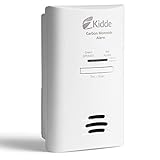
- Easy Installation - simply plug-in to a standard, 120V outlet in your home
- 2-AA battery backup provides protection during a power outage
- 85-decibel alarm announces when carbon monoxide is detected
- Peak Level Memory records the last time carbon monoxide was detected or when the unit was last tested
- Test-Hush Button makes testing the detector or silencing false alarms easy
HUD’s Healthy Homes guidance also treats plumbing leaks, water intrusion, and working alarms as core maintenance issues. Document the source, affected rooms, and date for your insurer, but do not wait for an insurance decision before taking reasonable steps to stop active damage.
Dry the building completely
After the source is controlled, remove standing water and dry wet walls, floors, ceilings, cabinets, and contents completely. EPA explains that moisture entering building cavities and not drying quickly can cause mold, rot, structural damage, and premature paint failure. Hidden wet insulation or sheathing may need to be opened by a professional so that cavities can dry; closing them while damp can trap the problem.
Use fans, dehumidification, and ventilation only when electrical service and indoor air conditions are safe. Do not use combustion-powered equipment indoors unless it is specifically approved and properly vented. If water is contaminated, the damage is extensive, or occupants have health concerns, follow EPA cleanup instructions and hire qualified remediation help. EPA’s winter-weather indoor-air-quality guidance and remodeling guidance explain why rapid drying and moisture control matter.
Windows Errors? Fix Them Before They Spread
Repair common Windows errors and clear accumulated junk for a smoother, more stable PC - no reinstall needed.Free scan · no reinstallOutdated Drivers Are Slowing You Down
One free scan finds every outdated or missing driver and matches the right update for your exact hardware.Free scan · exact hardware matchSigns of structural danger
Do not delay an evaluation when you see signs that a roof, floor, wall, foundation, balcony, porch, retaining element, or other load-bearing part may be unstable. Examples include a newly sagging ceiling or floor, a wall that is visibly bowing or leaning, rapidly widening cracks, separated connections, unusual movement, or sounds suggesting a shift. These signs do not establish a diagnosis, but they justify keeping people out of the area and obtaining an urgent assessment.
Rank #4
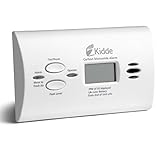
- Electrochemical sensor technology detects CO gas
- Easy installation, no wiring needed, detects during a power failure by operating on 2-AA batteries (included)
- Conveniently designed & portable: simple to install on a wall of your home or place on a tabletop
- Green LED indicates power to the smoke detector, while an 85-decibel alarm & a red LED indicates the presence of carbon monoxide
- Peak Level Memory records the last time carbon monoxide was detected or when the unit was last tested
Never conceal a structural symptom with drywall, trim, mortar, or paint before the cause is assessed. A licensed structural engineer, building official, or appropriately qualified contractor can determine whether temporary shoring, evacuation, or repair is needed. If collapse appears imminent, leave and call emergency services; do not enter to retrieve belongings.
Lead paint in older homes: manage it, do not create dust
When lead becomes an urgent repair issue
Homes built before 1978 may contain lead-based paint. Intact, well-maintained paint is not automatically an emergency; deteriorating paint, paint chips, household dust, or renovation that creates dust is the concern. Peeling, chalking, flaking, or damaged paint near children, sleeping areas, food-preparation spaces, or high-contact surfaces should be addressed promptly.
EPA reports that 87% of homes built before 1940 have some lead-based paint, while 24% of homes built between 1960 and 1978 have some lead-based paint. These figures describe homes with some lead-based paint, not the condition of every surface or proof that a particular home is unsafe. The EPA explains testing options in How can I tell if my home contains lead-based paint? and addresses the safety question in Is my home unsafe if it contains lead-based paint?.
Renovation steps that reduce exposure
- Stop sanding, scraping, cutting, drilling, or using heat on suspect paint until the work plan is evaluated.
- Keep children and pregnant people away from the work area and prevent dust from traveling through the home.
- For covered renovation, repair, or window work, use a contractor certified for EPA lead-safe work when required, or follow EPA’s DIY requirements exactly.
- Clean up with lead-safe methods; ordinary sweeping or an uncontrolled household vacuum can spread dust.
- Use the EPA’s Lead-Safe Renovations for DIYers instructions and check state or local rules, which may be stricter.
Suspected asbestos: leave it alone
Asbestos cannot generally be identified by looking at a material. It may be present in older insulation, floor or ceiling materials, pipe coverings, siding, or other building products. EPA’s direct rule is: "If in doubt, treat the material as if it contains asbestos and leave it alone." Do not take a sample, drill, sand, scrape, break, or remove it yourself.
Best Value
- Keep your family safe with this easy to use, battery operated carbon monoxide alarm; Battery powered alarms provide continuous monitoring of CO levels, even if there's a power failure
- Features an advanced electrochemical carbon monoxide sensor that accurately detects carbon monoxide levels, no matter where the detector is placed in the room.The alarm sequence should last 5-6 seconds. If it does not alarm, make sure fresh batteries are correctly installed, and test it again. If the unit still does not alarm, replace it immediately
- A loud 85 decibel alarm sounds when CO levels reach dangerous , Battery Replaceable - Yes
- To ensure complete protection make sure to place one on each level of your home and in each bedroom
- 5-year limited warranty; Equipped with end of life signal chirp, so you know when it’s time to replace the unit for safety
If the material is more than slightly damaged, fibers or debris are present, or a planned repair will disturb it, stop the project and use a trained, accredited asbestos professional for evaluation, sampling, repair, or removal. Keep occupants away from the area and avoid actions that spread dust through heating or cooling systems. The EPA’s Protect Your Family from Exposures to Asbestos page explains when professional work is needed. Local rules can require specific notifications, containment, disposal, and credentials.
Repairs that can usually wait
Once life-safety, active-water, structural, and hazardous-material issues are controlled, you can schedule many cosmetic projects: repainting an intact room, replacing undamaged trim, updating finishes, changing cabinet hardware, or correcting a minor appearance defect. Waiting is reasonable only when the defect is stable and does not allow moisture, pests, unsafe wiring, structural movement, or hazardous dust to worsen.
Recheck a postponed item after storms, freezes, plumbing changes, or remodeling. A small stain that grows, a crack that changes, a musty odor after water entry, or paint that starts to peel has moved out of the cosmetic category.
A safe, money-conscious response plan
- Protect people first. Evacuate for gas, CO, fire, or possible collapse. Do not enter a flooded or unstable area to save belongings.
- Stop the source only when it is safe. Close a water valve for a burst pipe if accessible without electrical or structural danger. Do not investigate gas leaks or manipulate flooded electrical equipment.
- Make unsafe systems unavailable. Keep occupants away, do not re-energize flood-damaged equipment, and follow utility instructions.
- Call the right qualified professional. Use utility or emergency services for gas and CO; an electrician for electrical systems; a plumber or roofer for active water entry; a structural professional for instability; and certified lead-safe or accredited asbestos specialists for regulated hazards.
- Document without disturbing. Photograph conditions from a safe location, record when the problem began, and retain invoices and professional reports for insurance and future maintenance.
- Dry and monitor. After water is stopped, dry materials fully and watch for renewed staining, odor, mold growth, movement, or other change.
Saving money usually means preventing a small defect from becoming a larger repair, not postponing a known hazard. Federal guidance from the CPSC and the EPA supports that order: get people safe, stop active damage, and use qualified help before returning a compromised system to service.
Quick Recap
Product prices and availability are accurate as of the date/time indicated and are subject to change. Any price and availability information displayed on Amazon at the time of purchase will apply.

