Do these 3 things before closing this tab:
1Repair Windows errors before they cause bigger problems2Scan for outdated or missing drivers - takes under a minute3Clear out junk files and repair common Windows errorsStart mowing newly seeded grass when it reaches the height your mowing plan can safely handle—not after a fixed number of days. A useful first-cut reference is about 3 inches: Iowa State University Extension and Outreach says, “The new grass should be mowed when it is 3 inches tall,” in an FAQ updated August 1, 2024. Set the mower to remove only the top third of the blades, and wait until the soil is firm enough that wheels will not rut it or pull seedlings loose.
Recommendations vary by grass type, climate and intended mowing height. Some extension guidance uses a 4-inch first-mow height, while other guidance uses the one-third rule. Those recommendations agree on the important point: do not let new grass become excessively tall, and never remove more than one-third in one mowing.
As an Amazon Associate I earn from qualifying purchases.
When should I start mowing a newly seeded lawn?
Measure the seedlings rather than counting days from seeding. Germination and growth rates change with grass species, temperature, moisture and local conditions, so a calendar schedule can make you mow too early or wait until the lawn is difficult to correct.
For many new seedings, begin when the grass is approximately 3 inches tall. Iowa State University Extension and Outreach recommends mowing at that height and setting the mower to cut at 2 to 2.5 inches. Its guidance is a practical reference, not a universal threshold for every turf type or region. Read the full recommendation at Iowa State University Extension and Outreach.
#1 Best Overall

- SHARPEN YOUR MOWER BLADE IN MINUTES: Blade removal is optional with this cordless lawnmower sharpener — many standard residential blades can be sharpened right on the mower, saving you the hassle of disassembly. Routine touch-ups take about 2–3 minutes per blade; badly worn edges take longer and are best done with the blade removed.
- MAINTAIN INSTEAD OF REPLACE: Replacement blades run $20–$40 each and a sharpening service costs money and a trip. Regular touch-ups extend the life of the blade you already own — one tool, all season.
- GREENER LAWN IN DAYS - NOT WEEKS: Dull blades tear grass instead of cutting it, leaving brown stressed edges that take weeks to recover. A sharp blade creates a clean cut that heals fast — visibly greener, healthier lawns within days of sharpening. This rotary blade sharpener delivers results you can see, not just feel.
- ADJUSTABLE ANGLE GUIDE - 20° TO 40° LAWN MOWER BLADE SHARPENING: Dial in the right angle for your specific blade with the adjustable lawn mower blade sharpening attachment (20°–40°). For consistent results, tighten the guide firmly before each pass and recheck position every few strokes — this keeps edge geometry accurate across the full blade. Variable speed (5,000–30,000 RPM) with ergonomic grip for controlled, safe operation.
- CORDLESS & LIGHTWEIGHT: No cords to manage across the yard. Lightweight enough to carry one-handed to wherever your mower sits. One full charge sharpens 1–2 standard residential blades — top it up between sessions for a full multi-blade deck. A reliable lawn gadget for every mowing season.
A second way to decide is the one-third rule: mow before the blades are more than one-third taller than the intended cutting height. This ties the first cut to your mower setting instead of to one number that may not suit every lawn.
Applying the one-third rule
If your intended cutting height is 2.5 inches, the grass should be mowed before it exceeds about 3.33 inches. If your mower is set to 3 inches, mow before the grass reaches about 4 inches. University of Maryland Extension uses this relationship in its new-lawn guidance and gives tall fescue as an example: mow at 4 inches with a 3-inch mower setting. See Seedling Problems – Lawns and Starting a New Lawn.
Why some sources say 4 inches
University of Maine Cooperative Extension gives a 4-inch first-mow height in its home-lawn guidance. That figure reflects its local lawn recommendations and should not be treated as a contradiction of a 3-inch recommendation. The practical difference is the target mowing height and the grass being grown. Compare the height of your seedlings with the height your mower will leave behind, and keep the one-third limit in place.
PC Slower Than It Used to Be?
A free scan shows the junk files, broken settings and background clutter dragging Windows down - then fixes them in one click.Free scan · Windows 10 & 11Outdated Drivers Are Slowing You Down
One free scan finds every outdated or missing driver and matches the right update for your exact hardware.Free scan · exact hardware matchWhat do extension services recommend?
| Source | First-mow trigger | Cutting-height guidance | Important qualification |
|---|---|---|---|
| Iowa State University Extension and Outreach | About 3 inches tall | Set mower to 2 to 2.5 inches | If grass reaches 4 inches or more, mow at the highest setting first and lower it gradually. |
| University of Maryland Extension | Before grass is more than one-third taller than the planned cut | Depends on the intended mowing height | Use a sharp blade and firm soil; wet ground can rut and uproot young plants. |
| University of Maryland Extension (tall fescue example) | About 4 inches for a 3-inch setting | Leave 3 inches | The example demonstrates the one-third relationship rather than a universal height. |
| University of Maine Cooperative Extension | 4 inches | Not stated in University of Maine Cooperative Extension guidance | Use the recommendation in the context of Maine lawns and your grass type. |
| Purdue University Extension | When the first seedlings are tall enough to mow | Never remove more than one-third | Mow early and often rather than allowing an unusually tall first growth. |
The sources converge on a height-based decision, an early first cut and a maximum removal of one-third. They differ because a fixed height is tied to local conditions and the mowing height you intend to maintain.
How to check that the lawn is ready
- Measure representative blades. Check several areas, not just the fastest-growing patch. Use the height of the established seedlings as your reference.
- Confirm your target mower setting. Decide how much leaf you intend to leave and apply the one-third rule to that setting.
- Inspect the soil surface. Walk the area or press lightly with a foot. If it feels soft enough for wheels to sink, postpone mowing.
- Look for secure plants. Seed-grown grass should not slide or lift when the mower passes. Sod, sprigs, stolons and plugs require firmly established roots before mowing.
- Prepare the mower. Sharpen the blade, clear debris safely and choose a lightweight mower where practical.
How do I avoid pulling seedlings out?
Wait for firm, dry-enough soil
Do not mow when the soil is wet enough to leave wheel ruts. Maryland Extension identifies both rutting and pulling young plants from the ground as risks during the first mow. New Mexico State University likewise notes that immature turf is especially easy to uproot with dull equipment when soil is wet; its turf-establishment guidance is at Turfgrass Establishment.
“Dry enough” does not mean the lawn must be drought-stressed. It means the mower can travel without sinking, smearing the surface or dislodging plants. If a test pass leaves a visible depression, stop and wait for firmer conditions.
Use a sharp blade
A sharp blade cuts leaf tissue cleanly. A dull blade can shred sensitive seedlings and increase the chance of pulling them out, according to Maryland Extension. Inspect the cut ends after mowing: ragged, torn tips are a sign that the blade needs attention before the next pass. A lawn-mower blade sharpener is an optional maintenance tool, not a required purchase; the essential action is keeping the blade sharp.
Recommended Free Tools
Choose light equipment
Penn State Extension advises using a lightweight mower when beginning to mow newly established turf. A lighter machine reduces the load on tender plants and soft soil. The guidance does not endorse a particular mower model. Its lawn-establishment information is available at Lawn Establishment.
Rank #2
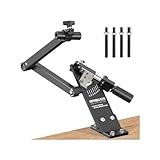
- [ Updated ] Lawn Mower Blade Sharpener: SporGain mower blades sharpener suitable for Blades standard straight, mulching and high-lift mower.
- Fits 1.65"–3.60" Mower Blades: lawn mower blade sharpener jig is designed to accommodate mower blades from 1.65" to 3.60" wide, making it suitable for a wide range of lawn mower blades.
- High-Quality Construction: This lawnmower blade sharpener jig firmly and securely holds the blades in place.
- Lawnmower Blade Sharpener: The lawn mower blade sharpener tool equipped with Ball Bearing, 25mm diameter enlarged Handle and 4 Adapter Screws for angle grinder.
- 15°-45° Adjustable: This mower blade sharpener kit lets you manually adjust the angle of blade holder and angle grinder Bushing by hands (thumb screws). Support you to sharpen multiple blades efficiently.
Limit traffic and turning stress
Plan a simple route so you make as few tight turns as possible. Turn on a firm section or at the edge rather than repeatedly pivoting over the newest seedlings. Keep passes straight and avoid stopping with drive wheels spinning. These operating choices support the central goal identified by extension guidance: preventing plants from being torn out of wet or unstable soil.
How high should the first cut be?
Set the mower high enough that the cut removes no more than one-third of the blade. The exact setting depends on the grass and your planned maintenance height.
Using the Iowa State example
For a new lawn around 3 inches tall, Iowa State recommends a 2- to 2.5-inch cut. If growth has reached 4 inches or more, set the blade as high as possible for the first pass, then lower the setting over later mowings. Do not try to force a 4-inch lawn down to a short setting in one operation.
Using the Maryland relationship
Maryland Extension’s tall-fescue example pairs mowing at 4 inches with a 3-inch mower setting. The numbers illustrate the one-third rule: one inch of leaf is removed from four inches of growth, leaving three inches. For another target height, calculate the maximum permitted removal before you start.
Why a conservative first cut matters
New seedlings have limited leaf area and shallow, developing roots. Removing too much at once increases stress and leaves little green tissue to support continued growth. A conservative cut also reduces the need to drive repeatedly over a lawn that may still be vulnerable.
Step-by-step: the first mowing
- Measure the grass. Begin only when the seedlings meet your chosen height trigger—often about 3 inches, or the height dictated by the one-third rule.
- Check the weathered soil condition. Delay if the ground is wet enough to rut or if plants lift under light pressure.
- Sharpen and inspect the blade. Disconnect power according to the mower manufacturer’s safety procedure before working on the blade. Reinstall it securely.
- Set the deck high. Choose a setting that removes no more than one-third. When in doubt, make the first pass higher.
- Use a lightweight mower. Avoid heavy equipment where a lighter machine will do the job.
- Mow with controlled passes. Keep a steady pace, avoid abrupt turns and do not force the mower through soft spots.
- Inspect the result. Look for uprooted plants, ruts and shredded tips. If any appear, stop and correct the cause before the next mowing.
- Lower gradually. If the lawn was too tall, reduce the setting in later mowings rather than taking off the remaining height immediately.
What if the new grass is already too tall?
Do not scalp an overgrown new lawn. Iowa State Extension advises setting the blade as high as possible when new grass has reached 4 inches or more, then lowering the height gradually in subsequent cuts. Maryland Extension and UC guidance support the same one-third limit.
- Raise the mower to its highest practical setting.
- Remove only the amount that keeps the cut within one-third of the current blade height.
- Allow the lawn to recover and grow again.
- Lower the setting in later mowings until you reach the planned height.
If the grass is so tall that even the highest setting would remove more than one-third, make more than one conservative mowing at progressively lower settings. The objective is to reach the desired height without a single severe cut.
Seed-grown grass versus sod, sprigs and plugs
Seed-grown lawns
For a seeded lawn, height is the main trigger. Start when the first seedlings are tall enough for a safe cut, commonly around 3 inches, while applying the one-third rule. Avoid waiting for a long, floppy canopy that would require a severe reduction.
Rank #3
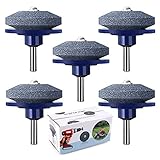
- Lawn Mower Blade Sharpener : The new version of the Lawn Mower Blade Sharpener is Made of corundum, it solves the base wear caused by the excessive speed of grindstone, and effectively prolongs the service life and improves the use effect of the product. Our lawn mower blade sharpener is provided by the original factory, and it is guaranteed.
- Lawnmower Blade Sharpener for Drill : Lawn mower blade sharpener could be used to sharpen mower blades to make the blade sharp again. Using in sharpening lawn blades, lawn tractors, mowers, rototillers, drill blades, sickle bar cutters, etc. Fit for most power drills (Do not need to buy expensive blades).
- Easy to Use : It only takes 10s to install it. You only need to install it on your electric drill to use it. And it can quickly make blunt old blades sharper. Effectively provide your productivity. Fast, automatic, easy, safe, and saves time and effort.
- Size & Package: Each sharpener measures 50 x 47 mm / 1.97 x 1.85 inches, with slight variations possible due to manual measurement. The package contains 5 lawn mower blade sharpeners, each in an attractive box.
- Keep your lawnmower blades sharp with a lawn mower blade sharpener. It's a must-have for any lawn mower or tractor. Enjoy faster, easier mowing and save time. A practical tool for everyday use.
Sod, sprigs, stolons and plugs
Installed turf should be rooted firmly before mowing. UC Statewide Integrated Pest Management Program warns that mowing sod, sprigs, stolons or plugs before roots are established can tear turf out. Check that the pieces resist gentle lifting and that the soil is firm before bringing in the mower. The UC guidance is at Healthy Lawns—Mowing new lawns.
Once those materials are anchored, use the same equipment safeguards: a sharp blade, a conservative cut and soil that will support the mower without rutting.
Common first-mow mistakes and fixes
| Mistake | What it risks | Corrective action |
|---|---|---|
| Mowing by a preset number of days | Cutting seedlings too early or allowing excessive height | Measure plant height and apply the one-third rule. |
| Removing half or more of the blade | Severe stress and sparse remaining leaf tissue | Raise the deck; lower it over later mowing sessions. |
| Mowing after rain on soft soil | Wheel ruts and uprooted plants | Wait until the surface is firm enough to carry the mower. |
| Using a dull blade | Shredded leaf tips and pulled seedlings | Sharpen or replace the blade before mowing again. |
| Using a heavy mower on immature turf | More soil compaction and plant disturbance | Use a lightweight mower where possible. |
| Forcing sod or plugs before rooting | Tearing pieces out of the soil | Confirm roots are firmly established first. |
| Trying to correct excessive height in one pass | Scalping and avoidable seedling stress | Make a high first cut and reduce height progressively. |
How to reconcile the 3-inch and 4-inch advice
Neither number is a universal law. Iowa State’s 3-inch reference is paired with a 2- to 2.5-inch cut. Maine’s 4-inch reference comes from a regional home-lawn bulletin. Maryland’s 4-inch tall-fescue example is paired with a 3-inch cut and expresses the one-third relationship. Purdue says to begin when seedlings are tall enough to mow and to mow early and often without removing more than one-third.
Use the recommendation that matches your grass, location and intended mowing height. If a local extension service gives a species-specific height, follow it while preserving the one-third limit and the firm-soil requirement. When no local number is available, about 3 inches is a practical starting reference, not a reason to ignore how tall the blades are relative to your mower setting.
What to do after a damaging first cut
If you see ruts
Stop driving over the affected area while it is soft. Further passes can deepen the tracks and disturb more seedlings. Resume mowing only when the ground can support the mower without visible impressions.
If seedlings were pulled out
Identify the cause before the next cut: wet soil, a dull blade, excessive removal or unrooted sod and plugs. Correct that condition first. Do not make another aggressive pass to even out the appearance.
If leaf tips are shredded
Sharpen the blade and use a higher setting on the next mowing. Shredding is a cutting-quality problem, not a signal to mow lower.
A simple decision checklist
- Are the seedlings at the height recommended for your grass and local conditions, or at least within the one-third rule?
- Will the planned setting remove no more than one-third of each blade?
- Is the soil firm enough that wheels will not leave ruts?
- Are sod, sprigs, stolons or plugs firmly rooted?
- Is the blade sharp enough to cut rather than shred?
- Can you use a lightweight mower and avoid tight turns?
- If the lawn is too tall, can you make a high first cut and lower the deck gradually?
If any answer is no, delay or change the mowing plan. A short wait for firm soil or a higher setting is safer than repairing uprooted seedlings.
Quick Recap
Key sources
- Iowa State University Extension and Outreach: When should I start mowing a newly seeded lawn? Updated August 1, 2024.
- University of Maryland Extension: Seedling Problems – Lawns.
- UC Statewide Integrated Pest Management Program: Healthy Lawns—Mowing new lawns.
- Purdue University Extension: AY-3, Establishing Turfgrass Areas from Seed.
- University of Maine Cooperative Extension: Bulletin #2243, Maintaining a Home Lawn in Maine.
- Penn State Extension: Lawn Establishment.
- University of Maryland Extension: Starting a New Lawn.
- New Mexico State University: Turfgrass Establishment.
Product prices and availability are accurate as of the date/time indicated and are subject to change. Any price and availability information displayed on Amazon at the time of purchase will apply.

