Do these 3 things before closing this tab:
1Scan for outdated or missing drivers - takes under a minute2Clear out junk files and repair common Windows errors3Fix the driver behind crashes, sound loss and screen glitchesConstruction trades are skilled occupations that build, install, maintain, and repair homes, commercial buildings, infrastructure, and the systems inside them. The category has no single credential or training route. A laborer may learn mainly on the job, while an electrician usually completes an apprenticeship and meets state licensing rules; an HVAC technician commonly earns a postsecondary certificate. The right path depends on the work you want, your location, and the employer or apprenticeship sponsor.
This guide explains what major construction trades do, how people enter them, what apprenticeships and technical programs involve, and how to verify licensing and openings before committing.
As an Amazon Associate I earn from qualifying purchases.
What counts as a construction trade?
In the United States, “construction trades” is a broad career category rather than one standardized occupation. The U.S. Bureau of Labor Statistics (BLS) groups construction and extraction occupations that build and repair roads, homes, commercial structures, and other infrastructure. Within that group, jobs differ sharply in daily tasks and preparation.
- Site and support work: Laborers and helpers prepare work areas, move materials, clean sites, and assist experienced craft workers.
- Structural work: Carpenters and ironworkers create the frames and load-bearing components that make buildings and bridges stand.
- Building systems: Electricians, plumbers, pipefitters, steamfitters, and HVAC technicians install and maintain power, water, gas, climate-control, and related systems.
- Weatherproofing and finishing: Roofers and other specialty trades protect or complete the building envelope.
Work may take place outdoors, in occupied buildings, on new construction sites, in factories, or on roads and bridges. Conditions can include heights, confined spaces, noise, dust, heat, cold, and changing schedules. Before choosing a trade, compare the physical setting and hazards with the amount of classroom study, paid training, and licensing the occupation requires.
#1 Best Overall
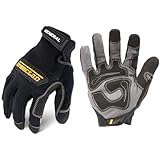
- Sold as 1 Pair.
- Reliable and comfortable. Suitable for construction, shop work, equipment operation and rigging.
- Double-stitched reinforcements on palm, saddle and fingers.
- Padded inner palm.
- Rubberized knuckle protection.
How education, training, and licensing differ
Entry education is not the same as skill training
BLS assigns a typical entry-level education to each occupation for statistical comparison. That classification does not mean every employer or program has identical admissions rules. A high-school diploma or equivalent is useful for many applications and may be required by a particular apprenticeship, but it is not a universal prerequisite for all construction work. Some entry-level laborer and helper positions begin without formal education beyond safety orientation.
Training methods
Construction skills are learned through several routes:
- On-the-job training: You work under experienced employees, learn tools and procedures, and take on more complex tasks as you demonstrate competence.
- Registered or employer-sponsored apprenticeship: You receive paid workplace training plus scheduled related technical instruction. Sponsors set the length, selection process, wage progression, and credential.
- Technical or community-college program: A postsecondary course can provide theory, code basics, lab practice, and sometimes a bridge into an apprenticeship or entry-level job.
- Pre-apprenticeship or helper work: Introductory programs and helper jobs can build foundational skills and make an application more competitive, subject to local rules.
Licensing is a separate requirement
Completing training does not automatically authorize every type of work. States, counties, and cities may license individual tradespeople, contractors, or both. Scope can vary by residential versus commercial work, specialty, and whether you work under a licensed contractor. Electricians are licensed in most states, and a state may require master-plumber status before someone can obtain a plumbing contractor license. Check the board or agency for the jurisdiction where you will work, including examination, supervised-hours, renewal, and permit requirements.
PC Slower Than It Used to Be?
A free scan shows the junk files, broken settings and background clutter dragging Windows down - then fixes them in one click.Free scan · Windows 10 & 11Crashes, No Sound, or Screen Glitches?
Random freezes, missing sound and display glitches usually trace back to one bad driver. Find and replace yours safely.Free scan · under a minuteConstruction laborers and helpers
What they do
Laborers and helpers prepare and clean sites, move and stage materials, assist craft workers, and use hand and power tools. Some laborers specialize in road crews or learn to operate construction equipment. Their assignments can change daily as different crews need support.
Rank #2

- Flexible & Breathable Spandex Back: Stretchable spandex back keeps your hands cool and comfortable on the job.
- Touch Screen Fingertips: Touch screen mechanics gloves capable of your phone or tablet without having to take the gloves off.
- Knuckles Protection: Foam padding knuckles reduces impact to the top of your hand
- Padded Palm: Padded work gloves for men with foam padding reduce shock and vibration from hand tool use.
- Perfect for light-duty work: Lightweight & flexible mens utility gloves for yard work, gardening, and home improvement.
Typical training
“Construction laborers and helpers learn on the job, often under the guidance of experienced workers,” according to the BLS Occupational Outlook Handbook page modified August 27, 2026. Formal education is not typically required, although some employers prefer a high-school credential. A worker may also enter an apprenticeship that combines paid site experience with technical instruction.
Who this route suits
This is often the quickest way to see how a jobsite operates and discover whether a specialty appeals to you. Ask employers what equipment, safety cards, driver credentials, or physical requirements they expect. Protective equipment is task-specific: gloves, eye protection, hearing protection, footwear, and fall protection must match the hazard and the employer’s rules; no single glove protects against every site risk.
Carpenters
What they do
Carpenters construct, repair, and install frameworks and structures made from wood and other materials. Depending on the crew, they may lay out walls, set forms, frame floors and roofs, install doors and trim, or repair existing structures. Accuracy in measuring, cutting, fastening, and interpreting plans is central to the work.
Training path
An apprenticeship is a common route. It pairs paid work with technical instruction in topics such as tool use, drawings, materials, safety, and layout. A helper position can provide exposure before an apprenticeship application, but employers and sponsors set their own entry standards. Ask whether the program teaches the specialty you want—rough framing, concrete forming, finish work, or another area—rather than assuming every carpenter apprenticeship is identical.
Rank #3

- 【Utility Work Gloves】 Synthetic leather palm provides rugged toughness and shrink resistance. Stretchable spandex back for enhanced dexterity and breathability. Touch screen fingertips make it capable for your phone or tablet without having to take the gloves off.
- 【Flexible and Comfortable】 Lightweight, breathable mens work gloves for all-day comfort. Exquisite using of meterial provides overall wear-resistance, grip and durability. Flexible, practical and snug-fit utility gloves give you more dexterity and finger control.
- 【Palm & Knuckles Protection】 Reinforced pigskin leather fingertips and palm patch with foam inside offers long-lasting durability, adds extra protection and resistance to wear. Foam knuckles for light impact protection.
- 【Easy On, Easy Off】 Adjustable hook & loop strips closure cuff provides a snug secure fit for ideal performance. Machine wash cool. Air drying is recommended in order to keep the size consistent with its original form.
- 【Wide Applications】 Best choice for everyday general purpose uses like regular construction, maintenance, mechanical work, logistic, warehousing, landscaping/gardening, hand tools, and DIY light duty works.
Electricians
What they do
Electricians install, maintain, and repair electrical power, communications, lighting, and control systems. Tasks can include pulling cable, installing panels and devices, testing circuits, reading diagrams, troubleshooting faults, and coordinating with other trades. Work may involve new construction, renovations, industrial equipment, or service calls.
How people enter
Most electricians learn through an apprenticeship; some begin at a technical school before entering paid field training. Programs generally cover electrical theory, the National Electrical Code or locally adopted code, blueprint reading, safety, and practical lab or jobsite skills. A school certificate alone may not satisfy the supervised experience required for a license.
Licensing and outlook figures
BLS reports that most states require electricians to be licensed. Verify the exact license level and experience rules where you live before performing independent work. Nationally, BLS projects 9% employment growth for electricians from 2025 through 2035. The May 2025 median annual wage for electricians was $63,190; that is an all-worker national median, not a guaranteed starting wage or local offer.
Quick wins for a faster PC:
Clear out junk files and repair common Windows errorsFree Scan →Fix the driver behind crashes, sound loss and screen glitchesFind Drivers →Repair Windows errors before they cause bigger problemsFix Now →Plumbers, pipefitters, and steamfitters
What they do
These occupations install and maintain piping systems that carry water, drainage, gas, steam, chemicals, and other fluids. Plumbers commonly focus on water and sanitation systems in homes and buildings. Pipefitters and steamfitters often work on industrial or commercial systems, where materials, pressures, and joining methods differ by project.
Rank #4

- 【EXCELLENT MATERIAL AND DESIGN】-This heavy duty gloves is made of 100% split cowhide leather and soft lining with cotton fibers, which makes it have High abrasion, puncture resistant, high temperature resistant, cut resistance, high flexibility and comfort. The reinforced palm provides extra protection. The adjustable wrist can prevent dirty small things from entering the gloves. When your hands sweat, you don't have to worry about it dyeing your hands. I think you can imagine all this
- 【WIDE RANGE OF APPLICATIONS】-This husky gloves can be used in many works: garden work, welding, construction, farm, ranch, barn, Truck driving, florist, landscaping, electrician, demolition, woodworking, driving, grinding, wood cutting, yard garage shed and warehouse work,etc. You can also use it to BBQ, DIY, use the chainsaw and lawn mowers, moving rock, handle the burning fireplace and wood stove, handling wood, barbed wire, iron, etc. 2XLarge, XLarge, Large, Medium, Small,XSmall 6 Sizes
- 【EXCELLENT THORN PROOF AND WEAR RESISTANCE】-You can use it when weed pulling, using weed wacker, digging, sowing, mixing fertilizer, landscape, potting, pushing the lawn mower or wheelbarrow, pruning, etc. You don't have to worry about being hurt by plants with thorns, such as rose, cactus, wild thistle, poison ivy and oak, bougainvillea thorn, blackberry bushes, palm trees, citrus trees, miniature conifers, Stinging Nettle plants, thorny weeds, many barberry plants, other prickly vegetation.
- 【PERFECT GIFT】-Coffee grey is simpler and more fashionable than conventional colors. The professional leather processing technology makes the gloves meet the environmental requirements. The safety work gloves are suitable for: gardener, carpenter, forestry workers, welder, electrician, trucker, driver, manual workers, blacksmith, ironworker, builder, farmer. This is the first choice for yourself or friends, whether mens or womens.
- 【SATISFACTION GUARANTEE】-We back up our claim that this glove is the best on the market. You can rest easy with your purchase. If there is any issue or advice for our products, please email us, we will offer satisfactory service for you.NOTE:The size of this product is measured manually and there may be a slight error. Please be aware of this.
Training and licensing
Most workers enter a four- or five-year apprenticeship combining paid jobsite training and related instruction. Helpers and pre-apprenticeship graduates may be able to apply directly, depending on the sponsor. Coursework can include pipe layout, soldering or welding, fixtures, pumps, code, safety, and reading plans. Licensing is jurisdiction-specific. In some states, a person seeking a plumbing contractor license must hold or employ a master plumber. Confirm the required apprentice, journeyman, and contractor stages with the relevant licensing authority.
Ironworkers
What they do
Ironworkers install structural and reinforcing iron and steel used in buildings, bridges, roads, and other structures. Work can include placing reinforcing bar, erecting steel columns and beams, connecting members at height, rigging loads, and welding or bolting components. Physical strength, balance, communication, and strict fall-protection practices are essential.
Apprenticeship structure
Many ironworkers complete a three- or four-year apprenticeship. BLS describes a typical requirement of at least 144 hours of related technical instruction and 2,000 hours of paid on-the-job training for each year of the program. Actual sponsors may set different schedules or additional requirements, so obtain the written standard before enrolling. Ask specifically how the program handles work at height, welding qualifications, travel, and weather-related downtime.
Roofers
What they do
Roofers replace, repair, and install roofs. They remove damaged materials, inspect substrates, install underlayment and flashing, place shingles or membrane systems, seal penetrations, and clean the site. The work is outdoors and often performed on slopes, so heat, cold, wind, lifting, and fall hazards affect the daily routine.
Best Value

- COMFORTABLE WORK GLOVES: These Kebada mens work gloves are lightweight, flexible, dexterous and comfortable, excellent breathability keeps hands cooler, dryer and more productive, Thin feature enhances dexterity radically, snug fit to all fingers for men and womens general duty outdoor work. These mens work gloves are packed in a value 12 pairs pack, Coated with Grippy PU coating, provide extra grip when grabbing construction materials and tools for outside work.
- WORK GLOVES WITH GRIP: These delicate designed womens work gloves with grip provide abrasion protection across the palm and fingers, PU coating maintains grip in dry, wet and light oily conditions. offer you extra ability to hold objects firmly in hand, Great for construction workers. Firm grip from the coating makes them perfect box handler gloves, lightweight and breathable feature allows them to be used as gardening gloves for men, perfect for house around yard work.
- TOUCHSCREEN COMPATIBLE: work gloves with touchscreen fingers are very convenient during your house around gardening yard work use or outdoor use, no need to take off these touchscreen work gloves while operating touchscreen equipments, significantly enhance your productivity in work. These mens work gloves for outside work with phone perfectly, no interruption when answering a phone during package handling or moving boxes with these PU coated grip gloves.
- MULTI- PURPOSE MECHANIC GLOVES : Kebada Safety work gloves W1 are ideal for general light duty construction work, mechanic works, plumbing, gardening, warehouse package handling etc. Grip working gloves could be a great helper for mens womens outdoor work. Suitable for adult and youth worker who need working gloves to protect their hands, Easy to clean, machine washable, tumble dry low heat, they dry fast for next use.
- HIGHLY DURABLE WOMENS WORK GLOVES: Our Kebada Safety Work gloves are designed as adult gloves, not only great for grip mens work gloves, but also perfect for ladies work gloves use. they are lightweight, stretchable, breathable and durable. Strengthened PU coating gloves qualify for thousands of abrasion cycle test, help you endure more friction, more abrasion, significantly extended gloves life. 12 Pairs value bulk pack means you will have spares gloves for work anytime you need them.
Typical preparation
BLS classifies roofer preparation as moderate-term on-the-job training, and formal education is not typically required. New workers learn material handling, safe ladder and scaffold use, fall protection, layout, and installation methods under supervision. Some employers provide manufacturer or safety training; ask which credentials are required before your first shift.
Independent reader supportYour contribution helps us test, update, and keep practical guides available for everyone.HVAC technicians
What they do
HVAC technicians install and service heating, air-conditioning, and refrigeration equipment. They diagnose electrical and mechanical faults, measure airflow and temperatures, replace components, connect controls, commission new systems, and explain maintenance to customers or building operators. Service work may involve attics, rooftops, crawlspaces, or occupied rooms.
Education and apprenticeship options
HVAC technicians typically need a postsecondary nondegree award, although some people enter with less education through employer training or apprenticeship. Technical programs commonly cover refrigeration cycles, electricity, controls, brazing, diagnostics, and safe handling of equipment. Apprenticeship and state licensing resources are also relevant; requirements can differ for residential service, commercial systems, and refrigerant-related work. Confirm which certificates or exams your jurisdiction and target employers recognize.
What’s actually slowing this PC down?
Pick the symptom - the matching free tool is one click away.
How the main trades compare
| Trade or group | Core work | Typical entry or training route |
|---|---|---|
| Laborers and helpers | Site preparation, cleanup, material movement, assistance, tools, and some equipment operation | Usually on-the-job learning; some employers prefer high school; apprenticeships are available |
| Carpenters | Building frameworks and structures; installation and repair | Commonly apprenticeship; helper work can provide exposure |
| Electricians | Power, communications, lighting, and control systems | Usually apprenticeship; some start at technical school; most states license electricians |
| Plumbers, pipefitters, and steamfitters | Piping for water, drainage, gas, steam, and other fluids | Usually a four- or five-year apprenticeship; helper and pre-apprenticeship routes also exist |
| Ironworkers | Structural and reinforcing steel for buildings, bridges, and roads | Often a three- or four-year apprenticeship with substantial paid field training |
| Roofers | Roof installation, replacement, and repair | Moderate-term on-the-job training; formal education typically not required |
| HVAC technicians | Heating, air-conditioning, and refrigeration installation and service | Typically a postsecondary nondegree award; apprenticeship and employer routes also occur |
What apprenticeships usually involve
An apprenticeship is an employment-and-training arrangement, not simply a classroom course. You should receive a wage while working under supervision and complete related instruction on a schedule set by the sponsor. Length, wage progression, application windows, aptitude testing, drug screening, transportation expectations, and credentials vary.
- Identify the occupation and jurisdiction. Decide whether you want residential or commercial work and check the license structure where you intend to work.
- Find sponsors. Contact local contractors, union-management apprenticeship committees, state employment or apprenticeship agencies, and Apprenticeship.gov for current opportunities.
- Check admissions details. Confirm age, education, math or reading tests, physical requirements, driver expectations, documentation, application dates, and whether instruction is paid or fee-based.
- Compare the written standards. Review term length, starting wage, raises, work locations, classroom schedule, tool costs, benefits, completion credential, and portability.
- Prepare for selection. Bring a résumé showing dependable work, mechanical or construction experience, safety training, and relevant coursework. Be ready to explain why the trade fits your goals.
- Track hours and credentials. Keep copies of pay records, training completions, evaluations, and license applications so you can document experience when changing employers or applying for the next license level.
How to choose a trade
- Match the work setting: Choose between outdoor sites, interior finish work, service calls, industrial plants, roads, rooftops, or work at height.
- Match the learning style: Laborer and roofer roles may begin with jobsite learning; electrical, plumbing, and HVAC work usually demands more code, math, theory, and documented instruction.
- Compare time to qualification: A four- or five-year apprenticeship is a different commitment from a short helper placement or technical certificate.
- Check local demand and access: A trade is practical only if employers, sponsors, transportation, and instruction are available where you can work.
- Verify advancement: Ask how workers move from helper to apprentice, journeyman, lead worker, estimator, supervisor, or contractor, and which licenses or certifications unlock each step.
Pay and job-opportunity context
BLS projects an average of 587,000 openings each year for construction and extraction occupations over 2025–2035. This is a national projection of openings from growth and replacement needs, not a promise of a job in a particular city or trade.
For May 2025, BLS reported a $59,540 median annual wage for construction and extraction occupations, compared with $50,980 for all occupations. A median includes experienced and inexperienced workers across the country; it is not an entry wage. Actual pay depends on trade, region, license level, collective bargaining, overtime, employer, and whether work is seasonal.
Common mistakes and how to avoid them
- Assuming one credential works everywhere: Ask the local licensing board what counts as supervised experience and which exams apply.
- Confusing school completion with a license: A certificate may teach fundamentals but not replace an apprenticeship or required field hours.
- Ignoring the sponsor’s details: Get wage progression, class schedule, tool costs, and completion terms in writing.
- Choosing by wage alone: Consider heights, weather, travel, shift work, customer contact, and physical demands.
- Applying only to schools: Contact contractors, union-management committees, and state apprenticeship agencies as well as schools.
- Starting without safety preparation: Complete the orientation and use the PPE specified for the task; ask questions when a condition or instruction is unclear.
A practical first-week action plan
- Write down two trades whose daily work appeals to you and one you want to rule out.
- Read the licensing page for your state or locality for each candidate trade.
- Call three local contractors and ask whether they hire helpers, sponsor apprentices, or recognize a particular technical program.
- Search state apprenticeship listings and Apprenticeship.gov, then record sponsor, location, application date, wage, and entry requirements.
- Gather your identification, education records, résumé, references, and any safety or tool certificates.
- Visit a jobsite or training center when permitted and ask workers what a normal day, busy season, and first year are actually like.
The Bottom Line
Construction trades do different kinds of work and require different combinations of jobsite learning, apprenticeship instruction, technical education, and licensing. Start with the tasks and setting you want, then verify the exact local training and legal requirements before accepting a job or enrolling in a program.
Recommended Free Tools
Quick Recap
Product prices and availability are accurate as of the date/time indicated and are subject to change. Any price and availability information displayed on Amazon at the time of purchase will apply.

