Free tools Windows power users keep installed
One-click scans. No signup required.
Install a permanent outlet when an extension cord has become the regular way to power a fixed appliance, workstation, or group of receptacles. Extension cords are intended for temporary, visible use. If a cord stays in place for days or weeks, crosses a traffic path, supplies several devices, or is being hidden through a wall, doorway, ceiling, or floor, stop treating it as a wiring solution and ask a qualified electrician to add a properly located receptacle. The U.S. Consumer Product Safety Commission (CPSC) specifically identifies using cords instead of permanent wiring to provide more receptacles as a home-wiring hazard (CPSC Guide to Home Wiring Hazards).
The short answer: temporary task or permanent need?
Use an extension cord only when the need is occasional, the cord can remain visible and protected, its rating matches the appliance, and the appliance instructions permit cord use. Arrange permanent wiring when the need is recurring or fixed. That includes a desk that always needs power, a freezer or other appliance that must remain connected, a workshop tool used in one location, or a room where cords are routinely used to create extra receptacles.
As an Amazon Associate I earn from qualifying purchases.
Electrical Safety Foundation International (ESFI) puts the principle plainly: Do not substitute extension cords for permanent wiring.
A cord that has become part of the room’s normal layout is evidence that the room may not have enough outlets, not evidence that a longer cord is the correct upgrade. ESFI recommends adding outlets where they are needed, and the CPSC recommends permanent wiring installed by a qualified electrician when cords are being used to provide receptacles (ESFI, “Extension Cord Safety Tips”; CPSC Guide to Home Wiring Hazards).
A practical decision test
Ask these questions before plugging in another cord. A “yes” to any of the permanent-use questions is a reason to schedule an electrical assessment rather than improve the cord arrangement.
#1 Best Overall

- 15 amp Non-Tamper Resistant Ground Fault Circuit Interrupter (GFCI) outlet receptacle for indoor use. Please kindly check if the depth of electrical box can fit our GFCI outlets before purchasing.
- The indicator light will turn On GREEN once the power is ON. Press the RESET button to restore power to the GFCI outlet. The LED indicator keeps GREEN no matter you press the RESET or TEST button.
- The ETL certification is a sign of a better quality product. This product has gone through many test procedures before getting its approval which makes it the safest GFCI.
- Back and side wired for easy installation. Decorator wall plate and screws included. Caution: Do not unscrew the terminal screws too far or with excessive force. Do not use power tools to loosen the terminal screws.
- 15A/125V/1875W. Wallplate Included, ETL Listed
| Question | If the answer is yes | Safer direction |
|---|---|---|
| Is the equipment used in the same place repeatedly? | The power need is recurring or fixed. | Ask a qualified electrician about a nearby permanent receptacle. |
| Will the cord remain installed when the task is finished? | The extension cord is functioning as building wiring. | Replace the arrangement with permanent wiring. |
| Do you need several receptacles in one fixed area? | The cord or a multi-outlet device is being used to create outlets. | Discontinue that arrangement and have receptacles added. |
| Must the cord pass through a doorway, wall, ceiling, floor, or a busy walkway? | It can be pinched, damaged, or covered in a way that traps heat. | Do not hide or extend it; remove the hazard and plan a proper outlet location. |
| Is the cord hot, damaged, pinched, discolored, or loose? | The temporary setup is already unsafe. | Unplug it if safe to do so and stop using it until the cause is corrected. |
| Are breakers tripping, lights dimming, or an outlet buzzing or smelling burnt? | There may be an overload or wiring fault, not merely a shortage of outlets. | Stop using the suspect circuit and obtain a qualified electrical assessment. |
Duration is only one factor. Location, load, cord condition, exposure to damage or moisture, and the type of protection required at the new outlet all matter. A cord used briefly for a suitable tool may be acceptable, while a cord used every day for a low-power lamp may still be the wrong long-term solution.
When an extension cord is reasonable
Occasional, defined tasks
A temporary cord can be appropriate for a task such as using a tool for a short project, powering seasonal equipment while it is being used, or reaching a device briefly during cleaning. The arrangement should end when the task ends. Store the cord rather than leaving it connected as part of the room’s permanent setup.
Visible, protected routing
The entire cord should be visible enough to inspect and positioned so it will not be crushed, cut, pulled, or tripped over. ESFI warns against running cords through walls, ceilings, floors, or doorways. Covering a cord or routing it through a building surface can prevent heat from escaping and can conceal damage (ESFI, “Extension Cord Safety Tips”).
What’s actually slowing this PC down?
Pick the symptom - the matching free tool is one click away.
A suitable cord and load
Choose a cord whose rating and indoor/outdoor designation match the appliance or tool. Follow the appliance and cord instructions rather than assuming that a thicker-looking or longer cord is automatically adequate. Inspect the insulation, plug, and connectors before use. Do not use a cord that is frayed, cracked, cut, crushed, has loose prongs, or becomes hot in service (ESFI, “Reaching to Safety: Use Extension Cords Properly”).
Dry conditions and one sound connection
Keep cords away from water, snow, damp surfaces, and locations where they can be splashed. Do not daisy-chain extension cords or multi-outlet devices. Plugging one cord or power strip into another adds connection points and can overload a circuit or create more places for heat and mechanical damage.
Rank #2
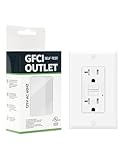
- Certified Safety with US Patent Protection. This GFCI outlet is UL 943 & UL 498 Certified, Class A Rated, ensuring the highest level of ground fault protection. With a 20A/125V/60Hz rating, it’s perfect for both residential and commercial use. Additionally, its US Patent Protected design guarantees unmatched reliability and safety.
- Smart LED for Real-Time Status Monitoring. Featuring a Multi-State LED Display, this outlet provides clear indicators for self-test status, normal operation, fault warnings, and end-of-life alerts. The integrated Test & Reset Buttons allow users to easily check wiring correctness and ensure proper functionality, making it a user-friendly and safety-focused choice.
- Tamper-Resistant and Weather-Resistant Design. Designed with TR & WR Ratings, this outlet protects children from electrical hazards and performs reliably in harsh environments. It has passed the UL Salt Spray Test, ensuring corrosion resistance for outdoor, bathroom, and kitchen use. With an operating range of -30°F to 150°F and up to 95% humidity, it’s built for durability in any condition.
- Advanced Chip for Enhanced Performance. Equipped with an Advanced Chip, this GFCI outlet delivers superior stability, fewer false trips, and faster response times. It detects ground faults at a threshold of less than 6mA and cuts power in under 25ms, providing reliable and efficient protection for your home or workplace.
- Premium Materials for Long-Lasting Reliability. Built with 0.81mm Thick Copper and 0.4mm Silver-Plated Contacts, this outlet ensures efficient current transmission and reduced heat buildup. Its robust construction minimizes plug failure and enhances durability, making it a safer and more reliable choice for everyday use.
Situations that call for a permanent outlet
A cord is always left in place
If unplugging the cord would disrupt normal use of the room, the need is no longer temporary. A permanently connected appliance or workstation should have a receptacle located for that equipment, with the wiring and protection selected for the circuit by a qualified electrician. ESFI describes heavy reliance on extension cords as an indication that a home has too few outlets (ESFI, “Extension Cord Safety Tips”).
One cord is supplying several needed receptacles
Using an extension cord, power strip, or similar device to create a cluster of outlets in a fixed area is exactly the type of arrangement the CPSC advises replacing with permanent wiring. This often occurs behind a television, at a home office, beside a workbench, or in a renovated room where the original outlet layout no longer matches how the space is used (CPSC Guide to Home Wiring Hazards).
The only route crosses a traffic or pinch point
A cord across a doorway, stair route, hallway, or frequently moved chair is exposed to repeated flexing and crushing. Routing it under a rug or through a door does not make the installation permanent or safe; it can hide wear and retain heat. A receptacle placed near the point of use removes the need for that route.
The cord would have to be concealed
Never run an extension cord inside a wall, ceiling, floor, or other building cavity to make it look permanent. Do not staple, nail, or otherwise fasten it in a way that can damage the insulation. Permanent wiring uses approved cable, boxes, fittings, and overcurrent protection installed under the applicable electrical rules; an extension cord is not a substitute for those components.
A fixed appliance needs a dedicated or suitable circuit
Equipment that operates for long periods or draws substantial power can make a casual cord arrangement especially inappropriate. The correct solution may involve more than adding a receptacle: the electrician may need to evaluate the existing circuit, load, conductor size, grounding, and required protection. Do not assume that installing an outlet automatically resolves repeated breaker trips.
Rank #3

- Designed to improve immunity for reduced High Frequency (HF) nuisance tripping. providing increased compatibility with appliances and other electronics
- Continuously protects against electric shock & electrocution by interrupting power if a ground-fault is detected
- Required by the NEC for areas around the home within a close proximity to a water source (kitchen, bathroom, laundry room, basement, garage/carport, pool area)
- Patented reset/lockout feature prevents reset if the GFCI is unable to respond to a ground-fault or if it isn't wired properly. Regularly conducts an automatic self-test to ensure safety
- LED indicator provides simple, intuitive feedback on power and protection status
Stop using the cord or outlet when you see these warning signs
Some symptoms indicate an immediate hazard rather than a simple shortage of receptacles. ESFI lists the following warning signs of possible overload or electrical problems:
- Flickering or dimming lights when equipment operates.
- Breakers that trip repeatedly.
- A warm, discolored, cracked, or loose receptacle or wall plate.
- Buzzing, sizzling, or other unusual sounds.
- A burning or overheated odor.
- Shocks or tingles when touching equipment or a receptacle.
Turn off and unplug equipment only if you can do so without touching a hot, wet, damaged, or sparking component. Keep people away from a suspect outlet and arrange qualified help promptly. Do not keep resetting a breaker, replace a fuse with a larger one, or install a new outlet as a guess at the cause. ESFI treats these symptoms as reasons for electrical assessment (ESFI, “Home Safety”).
How to use an extension cord safely while arranging an outlet
- Define the task and duration. If the equipment will stay connected or the cord will remain in place, stop and plan permanent wiring instead.
- Read the appliance instructions. Confirm whether an extension cord is permitted and note any required rating or restrictions.
- Select the correct cord. Match its rating to the equipment and choose the correct indoor or outdoor designation. Never use an indoor cord outdoors or in damp conditions.
- Inspect before every use. Look for cuts, fraying, crushed sections, bent or missing prongs, loose connections, discoloration, and heat. Remove a damaged cord from service.
- Plug directly into a suitable receptacle. Do not daisy-chain cords, power strips, or multi-outlet adapters.
- Route it visibly and protect it. Keep it out of doorways, walls, ceilings, floors, water, snow, vehicle paths, and areas where furniture or foot traffic can damage it. Do not cover it in a way that traps heat.
- Monitor during operation. Disconnect the equipment if the plug, cord, or receptacle becomes hot, smells unusual, buzzes, or shows damage.
- Remove and store it after the task. Coiling and storing the cord prevents a temporary arrangement from silently becoming permanent wiring.
These precautions reflect ESFI’s guidance on matching cords to equipment, avoiding overloads and damage, and keeping cords out of hazardous routes (ESFI, “Extension Cord Safety Tips”; ESFI, “Reaching to Safety: Use Extension Cords Properly”).
What happens when you arrange a permanent outlet?
1. Describe the actual use to the electrician
Explain what will be plugged in, how often it operates, where it sits, and what the existing cord arrangement looks like. Mention any tripped breakers, warm plates, flickering lights, or previous alterations. Photos of the room and the electrical panel can help the electrician understand the layout before visiting, but they do not replace an on-site assessment.
2. Identify the best location
The receptacle should be accessible without a cord crossing a doorway or traffic path. Consider furniture, work surfaces, appliance clearances, moisture, cleaning, and future use of the room. The electrician will determine whether the proposed location can be served safely and in accordance with the applicable local requirements.
Rank #4

- Advanced Ground Fault Protection – TG's GFCI outlet is engineered with fast-response ground fault protection, cutting power within milliseconds of detecting a fault to prevent electric shock. Built-in reset and test buttons offer simple manual control and reliable safety in bathrooms, kitchens, garages, and other wet or high-risk areas.
- Self-Test and LED Indicator – Features built-in self-testing to ensure proper operation. An intuitive LED indicator provides real-time feedback: solid green confirms correct wiring, blinking red indicates an open neutral, and solid or blinking red means the GFCI is tripped and needs to be reset.
- No-False-Trip Performance – Enhanced anti-interference design prevents unwanted tripping caused by electrical noise from motors, washers, or exhaust fans. Reliable protection in laundry rooms, kitchens, and utility areas.
- Quick and Easy Installation – Made from high-impact resistant thermoplastic. Tamper-resistant shutters meet 2017 NEC Article 406.12, protecting against insertion of foreign objects while maintaining easy plug-in access. Clamp-type back terminals allow faster and more secure installation compared to traditional wiring methods.
- Certified Safe and Reliable – Rated at 15A, 125V, 60Hz; Feed Through Rating 20A; ETL Listed, complies with Part 15 of the FCC Rules and NEC requirements. Comes complete with matching wall plate and a 3-year product support for added peace of mind.
3. Evaluate the existing circuit
An electrician should assess the circuit’s capacity, grounding, wiring condition, and other loads before adding a receptacle. If the present symptoms include repeated trips, heat, buzzing, or discoloration, the investigation should address the underlying fault or overload rather than simply extending the circuit.
4. Select location-specific protection
Protection requirements vary with the location and jurisdiction. ESFI identifies ground-fault circuit-interrupter (GFCI) receptacles as a safety measure used where water and electricity are close together, including bathrooms, garages, kitchens, laundry areas, and outdoor receptacles (ESFI, “Outlets: The Ins and Outs”). That list is a planning signal, not a universal instruction for every home. The electrician should determine whether GFCI protection, other protection, or a particular receptacle configuration is required for the specific installation.
5. Have the work installed and checked professionally
Both the CPSC and ESFI advise using a qualified electrician for permanent wiring and outlet installation (CPSC Guide to Home Wiring Hazards; ESFI, “Outlets: The Ins and Outs”). A professional can select compatible materials, make the connections, verify grounding and protection, and identify conditions that are not visible from the face of the outlet. Do not attempt to improvise a permanent installation by cutting the plug off a cord, splicing cords, extending a cord inside a wall, or changing breaker protection without an assessment.
Independent reader supportYour contribution helps us test, update, and keep practical guides available for everyone.Room-by-room examples
Home office
A laptop charger used briefly at a dining table can be a temporary need if the cord is visible and protected. A desk that always depends on a power strip and extension cord should have an outlet planned near the desk. If several devices are needed, tell the electrician the intended equipment so the circuit and receptacle layout can be evaluated rather than merely adding a longer cord.
Quick wins for a faster PC:
Fix the driver behind crashes, sound loss and screen glitchesFind Drivers →Repair Windows errors before they cause bigger problemsFix Now →Scan for outdated or missing drivers - takes under a minuteDriver Scan →Kitchen, laundry area, bathroom, or garage
These locations combine electrical equipment with water, dampness, metal surfaces, or high-use appliances. Keep temporary cords away from sinks, wet floors, washers, and doors. When a device is routinely used there, ask about a permanent receptacle and the location-specific protection that may apply. ESFI specifically includes kitchens, laundry areas, bathrooms, garages, and outdoor receptacles among places where GFCI protection is used (ESFI, “Outlets: The Ins and Outs”).
Best Value

- Designed to improve immunity for reduced High Frequency (HF) nuisance tripping. providing increased compatibility with appliances and other electronics
- Continuously protects against electric shock & electrocution by interrupting power if a ground-fault is detected
- Required by the NEC for areas around the home within a close proximity to a water source (kitchen, bathroom, laundry room, basement, garage/carport, pool area)
- Patented reset/lockout feature prevents reset if the GFCI is unable to respond to a ground-fault or if it isn't wired properly. Regularly conducts an automatic self-test to ensure safety
- LED indicator provides simple, intuitive feedback on power and protection status
Workshop or garage bench
A cord for a one-time project may be reasonable if it is rated for the tool and routed safely. A bench that regularly needs several tools should not rely on a chain of cords or a power strip. Have an electrician review outlet placement, circuit loading, grounding, and the environmental conditions before the area becomes a permanent work zone.
Outdoor equipment
Use only equipment and cords approved for the outdoor conditions and keep connections away from water. A cord that is repeatedly left outside, crosses a path, or supplies a fixed appliance is a sign that the electrical service should be planned properly. Do not bury or conceal an extension cord as an outdoor wiring method.
Basement, attic, or renovated room
Renovations often change where people work and place furniture. If the original receptacles no longer serve the finished space, add outlets as part of the permanent electrical work rather than routing cords behind walls, under finished flooring, or through ceilings. Tell the electrician about insulation, moisture, access limitations, and any planned built-ins.
Common fixes that do not solve the problem
- Buying a longer cord: This increases the distance and potential exposure; it does not turn temporary wiring into an approved permanent circuit.
- Using a power strip as an outlet expansion: A strip can be useful for a temporary, suitable load, but a fixed cluster of devices indicates that additional receptacles may be needed.
- Running the cord under a rug or through a door: This hides wear, creates pinch points, and can trap heat. ESFI advises against these routes.
- Daisy-chaining: Connecting cords or multi-outlet devices together adds failure points and can overload the circuit.
- Replacing a tripping breaker with a larger one: The trip is a warning that requires diagnosis; changing protection without evaluating the wiring can create a serious hazard.
- Installing a receptacle without checking the circuit: A new faceplate does not correct an overloaded, damaged, ungrounded, or otherwise unsuitable circuit.
Questions to prepare before calling an electrician
- What equipment will be connected, and what are its nameplate ratings?
- How often and for how long does each item operate?
- Where must the equipment sit, and which routes would a cord currently take?
- How many receptacles are needed now, and is the layout likely to change?
- Have any breakers tripped, lights flickered, or outlets become warm or discolored?
- Is the proposed location near water, outdoors, in a garage, or in another environment that may require special protection?
- Are there signs of previous DIY wiring, loose plates, damaged cords, or unidentified circuits?
Clear answers help the electrician distinguish a simple outlet-location issue from a circuit, grounding, moisture, or wiring problem. Permanent outlet work should be performed by a qualified electrician, as ESFI states in its outlet guidance (ESFI, “Outlets: The Ins and Outs”).
After the outlet is installed
Use the new receptacle as intended, keep its faceplate secure and undamaged, and avoid overloading it with adapters or chained devices. Continue inspecting any extension cords used for genuinely temporary tasks. A new outlet does not make a damaged cord safe, and it does not eliminate the need to investigate heat, buzzing, odors, shocks, flickering, or repeated breaker trips. If those signs return, stop using the affected equipment or receptacle and seek qualified electrical help.
There is no reliable universal dollar threshold at which an outlet becomes “worth it” compared with a cord. Installation requirements, accessibility, circuit condition, local rules, and the work involved vary by building and jurisdiction. The safety decision should be based on whether the need is temporary and safely manageable—not on an assumed price comparison.
Quick Recap
Product prices and availability are accurate as of the date/time indicated and are subject to change. Any price and availability information displayed on Amazon at the time of purchase will apply.
Recommended Free Tools

