For most garden ferns, late winter or early spring is the time to tidy dead or damaged fronds—but cutting them back is usually optional, not a requirement for plant health. The right timing depends on whether your fern is deciduous or evergreen and whether new fronds have started to emerge.
Should you cut back your ferns?
Usually, only if you want to remove old, flattened or untidy foliage. University of Maryland Extension says winter-flattened fronds are normal and will not harm a fern with healthy roots; removing them is a matter of appearance. Cutting back has not been shown here to make ferns healthier or produce better growth.
If you do not mind the winter-worn look, you can leave the old foliage in place. If you prefer a tidier plant, choose the timing based on the fern’s foliage habit and spring growth.
When to cut back, depending on the fern
| Fern type | What to remove | When to tidy |
|---|---|---|
| Deciduous fern | Old fronds that have died back over winter | Fall cleanup or late winter to early spring can both be appropriate. If you are unsure which fronds are old, wait until new growth is visible. |
| Evergreen or winter-green fern | Dead, damaged or tattered fronds; keep healthy foliage | Winter or early spring, with timing guided by the species and local conditions. For Christmas fern, a Virginia Cooperative Extension-hosted guide recommends removing damaged fronds before new growth. |
Evergreen fronds may still photosynthesize, so avoid stripping healthy foliage simply because the calendar says it is time to prune. The Hardy Fern Foundation discusses this role and the timing of late-winter or early-spring cleanup.
The Tool Desk
Outbyte PC Repair FREEClear out junk files and repair common Windows errorsFree Scan →Outbyte Driver Updater FREEFix the driver behind crashes, sound loss and screen glitchesFind Drivers →#1 Best Overall
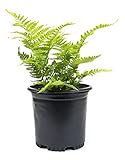
- Autumn fern is one of many popular landscaping plants that gardeners grow as lawn edging along a garden pathway, ground cover, a landscape border, or in a hanger planter and in plant pots. This real fern ships in a 1-gallon nursery pot.
- Bask in the foliage of these perennial shade plants and enjoy fast growing plants instead of buying seeds for planting flowers. Indulge in real plants, from bushes and shrubs to flowering plants and more perennial plants ready to plant upon arrival.
- Grow these perennial ferns with ground cover plants, spring bulbs and evergreen shrubs for landscaping in garden shade. Plant near a patio gazebo with outdoor garden decor, decorative hedge wall, as landscape edging, or along an outdoor privacy wall.
- Either adorn your own yard with a decorative garden edging border of ferns or give some shade loving plants as gardening gifts for plant lovers. Hardiness Zone 7 helps lush ferns and other outdoor plants live year round in garden borders and edging.
- Plants and animals make everything better, from simply raising our spirits to enriching our everyday lives. That’s why a portion of every Plants for Pets purchase is directed to our mission to help place shelter animals in happy homes.
Should you prune before or after new fronds appear?
Both approaches are used. Some regional guidance recommends cutting back in late February or early March, before growth begins; other advice is to wait until new fronds start to unfurl. There is no universal date that applies across climates and fern species.
For an unidentified fern, the lower-risk choice is to wait until you can see new growth, then remove only clearly old or damaged fronds. That makes it easier to avoid cutting emerging fronds by mistake. If you know the plant is deciduous and its old foliage is fully dead, removing it before emergence is also a reasonable option.
Rank #2

- The mini fern assortment varies with the season
- Trim as needed
- Three-2" pots included
- Excellent for terrariums
- Garden & Patio
Do not assume a fern is dead just because it has not appeared yet. Some ferns emerge slowly, and fern growth patterns vary by species and region.
How to remove old fern fronds
- Look at the plant in late winter or early spring. Identify whether it has healthy evergreen foliage or only old, dead fronds.
- If you are unsure what is new growth, wait until new fronds begin to unfurl.
- Cut clearly dead, damaged or tattered fronds near their base, taking care not to nick emerging fronds or the crown.
- Leave healthy evergreen fronds in place. Dispose of removed foliage according to your usual garden cleanup practices.
Why fern advice can differ
“Fern” covers plants with different seasonal habits. A deciduous fern loses its foliage, while evergreen or winter-green types may retain fronds that are still useful. Guidance also varies by region: sources summarized by the Elisabeth C. Miller Library at the University of Washington differ on when to prune wood ferns, with some recommending cleanup before growth and others waiting for visible new fronds. Oklahoma State University Extension notes that many ferns grow substantially in spring and again in fall, another reason to use the plant’s seasonal cues rather than a fixed date.
Outdated Drivers Are Slowing You Down
One free scan finds every outdated or missing driver and matches the right update for your exact hardware.Free scan · exact hardware matchPC Slower Than It Used to Be?
A free scan shows the junk files, broken settings and background clutter dragging Windows down - then fixes them in one click.Free scan · Windows 10 & 11Rank #3
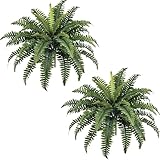
- Material: Artificial Boston ferns are crafted from silk and plastic to create a durability and washable product. There are wires inside each frond that you can bend and shape as much as you want, which can make the ferns looks very realistic
- Size: Fake ferns each measuring 23 inches tall with 39 lifelike leaves per bundle. The large leaves measure up to 17 inches and the bouquet spreads out to 35 inches in diameter
- Package: The set includes 2 bundles of faux ferns with 39 fronds. Packed in a box to prevent deformation of the blades(POT or HANGING PLANTER NOT INCLUDED)
- Easy to Maintain: UV-resistant construction prevents fading. Artificial ferns require no regular watering and only occasional dusting to maintain a lasting, like-new appearance.
- Meet Different Scenarios: Artificial ferns are very suitable to be placed in the living room, hanging planter decoration, garden, porch entrance home, windowsill, yards, farmhouse and other places to bring green vitality. Faux ferns are also a good choice for housewarming
For local timing, check guidance for your fern species and growing region. When the type is uncertain, preserve healthy foliage and wait for visible spring growth before trimming.
Quick Recap
Best Value

- VERSATILE DESIGN: Set of 6 decorative metal flower stakes featuring unique floral patterns, perfect for enhancing gardens, flower beds, potted plants, and yard spaces
- DURABLE CONSTRUCTION: Made from sturdy metal material with an attractive brown finish that withstands outdoor conditions while maintaining its decorative appeal
- VARIED SIZES: Collection includes stakes ranging from 8 to 12 inches in height, with widths varying from 1.7 to 4.15 inches for visual interest
- EASY INSTALLATION: Each garden stake comes with a pointed end for simple ground insertion, allowing quick and effortless decoration of your outdoor spaces
- ARTISTIC DETAIL: Each piece features intricate floral cutout designs that create beautiful silhouettes in your garden, adding dimension and visual appeal
Rank #4

- |6 Mini-Fern Plants| In cute 2" Pots for Terrarium / Fairy Garden builds or just to enjoy as house plants.
Product prices and availability are accurate as of the date/time indicated and are subject to change. Any price and availability information displayed on Amazon at the time of purchase will apply.