The best time to trim a shrub depends on when it forms its flower buds. Prune most summer- and fall-flowering shrubs in late winter or very early spring, before new growth begins. Prune spring-flowering shrubs such as lilac and forsythia immediately after they finish blooming, because they usually flower on older wood and may already be carrying next season’s buds.
There are exceptions for evergreens, hydrangeas, formal hedges, damaged branches, and severely overgrown plants. Identify the shrub before making major cuts; the plant’s species, cultivar, health, climate, and purpose all affect the correct timing.
As an Amazon Associate I earn from qualifying purchases.
The quick decision guide
| Shrub situation | Best general timing | Why |
|---|---|---|
| Dead, damaged, diseased, crossing, or rubbing branches | Remove promptly, regardless of season | Stops avoidable damage and removes problem wood |
| Spring-flowering shrubs | Immediately after flowering | Protects flower buds formed on older wood |
| Summer- or fall-flowering shrubs | Late winter or very early spring | Encourages new flowering shoots |
| Foliage-first deciduous shrubs | Spring, before growth begins | Makes structure easier to see before leaf-out |
| Formal hedges | During active growth, often spring and mid-summer | Maintains density and shape |
| Overgrown, multi-stemmed deciduous shrubs | Usually early spring | Encourages new basal growth |
| Evergreens | Species-specific; commonly late winter through mid-summer | Evergreen growth habits vary widely |
| Bigleaf hydrangeas | Usually after flowering | Old wood may carry next season’s flower buds |
First, determine whether the shrub flowers on old wood or new wood
This is the most useful pruning distinction. “Old wood” means stems produced during a previous growing season. “New wood” means shoots that grow during the current season.
Recommended Free Tools
Spring bloomers: trim after they flower
Many spring-flowering shrubs set their next flower buds shortly after they finish blooming. If you cut them back in late winter or early spring, the plant may remain healthy and produce plenty of leaves, but you may remove much of that year’s flower display.
#1 Best Overall

- CLEAN CUTS FOR LIVE GROWTH: Bypass blade design is ideal for pruning delicate flower stems and green growth, helping reduce crushing and plant damage while cutting stems and small branches up to 5/8” in diameter
- BLADES STAY SHARP: Precision-ground steel blades are engineered to stay sharp through heavy use, & all-steel construction provides lasting durability, delivering consistent cutting performance for regular garden maintenance & detailed pruning tasks
- SMART BLADE FEATURES: Blade coating helps reduce friction for smoother cuts, minimizes sap buildup & gumming, and enhances resistance to rust for longer-lasting performance in outdoor conditions; sap groove keeps the blades from sticking during use
- COMFORTABLE, CONTROLLED GRIP: Ergonomic, non‑slip handle enhances control and reduces hand fatigue during repetitive cuts; easy‑open safety lock secures the blade for safe transport and compact storage
- INCLUDES: (1) Fiskars Bypass Pruning Shears designed for everyday gardening and plant care and backed by a Lifetime Warranty. Product care tips: Wipe pruners clean after each use to prevent sap build-up and lightly oil blade for longer product life
Wait until the flowers fade, then prune promptly. This gives the shrub the rest of the growing season to produce new shoots and set the following year’s buds.
- Forsythia
- Lilac
- Azalea and rhododendron
- Viburnum
- Weigela
- Mock orange
- Flowering quince
- Virginia sweetspire
- Early-blooming spirea
- Some spring-flowering roses
“After flowering” is more reliable than a fixed calendar date. Bloom time changes with species, cultivar, weather, and local climate.
Summer and fall bloomers: trim before spring growth
Shrubs that flower on new wood generally produce flowers on shoots made during the current growing season. Prune them while dormant, in late winter or very early spring before leaves emerge and vigorous growth starts.
- Butterfly bush
- Beautyberry
- Smooth hydrangea
- Panicle hydrangea
- Summer-blooming spirea
- Summersweet
- Buttonbush
- Chaste tree
Pruning in this window makes the branch structure visible, stimulates fresh growth, and normally leaves enough time for the plant to flower during the coming season.
Hydrangeas require a closer identification
“Hydrangea” is not specific enough to determine the pruning date. Different hydrangea species and cultivars flower on different types of wood.
Hydrangea warning
Bigleaf hydrangea, including many Hydrangea macrophylla cultivars, may form next season’s flower buds in late summer or early fall. Major dormant-season pruning can remove those buds, so these plants are generally pruned after flowering and only as much as necessary.
Smooth hydrangea flowers on new growth and can generally be pruned in spring once established. Panicle hydrangea also flowers on new wood and is usually handled during the late-winter or early-spring pruning window.
Do these 3 things before closing this tab:
1Scan for outdated or missing drivers - takes under a minute2Repair Windows errors before they cause bigger problems3Fix the driver behind crashes, sound loss and screen glitchesRank #2

- LONG-LASTING SHARPNESS: Japanese SK5 bypass blade with titanium coating is tested through 5,000 cuts to maintain a sharp edge and deliver clean, consistent cuts on live stems and branches
- BUILT FOR 5X DURABILITY: Heavy-duty 3-layer titanium-coated SK5 blade resists wear and corrosion, while anodized aluminum handles and high-hardness screws reinforce the pruner. Repeated cutting tests show up to 5X the durability of standard pruners
- POWERFUL 4X LEVER CUTTING: The optimized lever-action design multiplies cutting force up to 4X, making thicker branches easier to prune with less hand effort. Cuts branches up to 3/4" with smooth, controlled power for everyday garden pruning
- ARTHRITIS & SENIORS FRIENDLY: Ergonomic non-slip rubber handles cushion pressure and provide a secure, comfortable grip, helping reduce hand and wrist fatigue. A comfortable hand pruner for seniors, arthritis and longer pruning sessions
- ONE-HAND SAFETY LOCK: The easy-access safety lock opens and closes with one hand for faster trimming, then securely holds the blades closed for safer carrying and storage
Check the plant tag or botanical name before cutting an unfamiliar hydrangea. Cultivar-specific behavior can change the recommendation.
Evergreen shrubs do not all follow the same rule
Evergreens should not be treated as one pruning category. Their ability to produce replacement growth varies by species.
- Spruce, fir, and Douglas-fir: can generally be pruned in late winter before new growth begins.
- Pines: prune only into the current season’s candles. They do not reliably produce new buds from older, bare wood, so cutting deeply into old branches can leave permanent gaps.
- Arborvitae, junipers, yews, and hemlocks: generally tolerate pruning through mid-summer.
Preserving an evergreen’s natural shape is usually preferable to heavy shearing. Heavy winter pruning can also increase drying and winter-burn risk in some evergreens. When the plant’s identity is uncertain, look up the species or consult a local extension service before making large cuts.
Trimming is not the same as pruning
Trimming usually means shortening the outside of a plant or maintaining a hedge. Pruning is broader: it may involve removing an entire stem, correcting the structure, or renewing an aging shrub.
PC Slower Than It Used to Be?
A free scan shows the junk files, broken settings and background clutter dragging Windows down - then fixes them in one click.Free scan · Windows 10 & 11Crashes, No Sound, or Screen Glitches?
Random freezes, missing sound and display glitches usually trace back to one bad driver. Find and replace yours safely.Free scan · under a minuteFor most informal flowering shrubs, use thinning cuts. Remove a stem at its point of origin—either at ground level or where it joins a larger branch. Thinning opens the interior to light and air and preserves a natural form.
Heading cuts shorten a branch to a bud or side branch. Repeated heading cuts can create dense clusters of weak shoots at the ends of branches. They are sometimes useful, but they should not be the automatic method for every shrub.
Shearing cuts many outer shoots at once. Reserve it mainly for formal hedges and shrubs suited to that treatment. Shearing an informal flowering shrub may produce a smooth outline while making the interior woody, shaded, and less attractive.
Rank #3
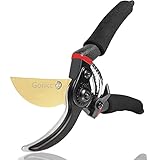
- Drop-forged construction delivers exceptional durability and sturdiness for long-term heavy garden use.
- Premium SK-5 steel blade with titanium coating and ultra-fine polishing ensures sharpness, rust resistance, and smooth cutting.
- Ergonomic non-slip aluminum handles wrapped with PVC offer lightweight strength, comfort, and reduced hand fatigue.
- Built-in sap groove effectively channels away sap to prevent sticking and keep blades clean during pruning.
- Capable of cutting branches up to 3/4 inch in diameter, ideal for live plants, stems, and light woody pruning tasks.
How much should you remove?
For routine maintenance, avoid removing large amounts of live growth simply to keep a shrub small. Choosing a shrub that fits the site is more effective than repeatedly cutting an oversized plant back to the same point.
For an established, healthy, multi-stemmed shrub, removing up to about one-third of the oldest and thickest stems at ground level each year can encourage renewal. Selectively remove weak, crowded, and aging canes rather than shortening every branch by the same amount.
Rejuvenating a severely overgrown shrub
A healthy multi-stemmed deciduous shrub may tolerate complete rejuvenation in early spring. Cut the oldest canes close to the ground before new growth begins. This sacrifices that season’s flowers but allows vigorous new stems to develop from the base.
Do not use this approach automatically on a weak, diseased, recently transplanted, or drought-stressed plant. For a shrub that may not tolerate severe pruning, remove approximately one-third of the oldest stems each year over about three years. Staged renewal reduces stress and preserves some of the existing canopy.
Choose the tool for the branch size
Use sharp tools that make clean cuts without crushing the wood:
| Tool | Best use |
|---|---|
| Bypass hand pruners | Small live stems and ordinary maintenance cuts; commonly around one-half to three-quarters of an inch, depending on the tool and wood |
| bypass loppers | Thicker stems that require more leverage than hand pruners provide |
| Pruning saw | Branches too large for hand pruners or loppers |
| Hedge shears | Formal hedges and plants intended to be maintained as clipped shapes |
For routine shrub work, bypass pruning shears are the most useful starting tool. Choose a pair that fits your hand and can cut the stem without forcing the handles. For thicker canes, bypass loppers provide additional leverage. A hand or folding pruning saw is appropriate for larger branches, but do not use it to encourage hazardous overhead or ladder work.
Never force a hand pruner beyond its practical capacity. A crushed cut heals less cleanly and increases the chance of splitting the branch or damaging the tool.
Clean tools when disease may spread
Use sharp, clean blades. When moving between shrubs—especially when cutting visibly diseased material—remove plant debris from the tool before disinfecting it.
Rank #4
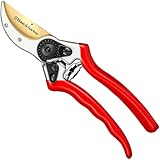
- Sharp, Clean Cuts Every Time – Engineered from Japanese grade, high-carbon steel, ClassicPRO bypass pruning shears for gardening stay sharp and make precise cuts that encourage healthy growth and won’t damage your plants
- No More Hand Fatigue and Wrist Strain – ClassicPRO gardening shears are designed with an ergonomic handle, non-slip grips, and shock-absorbing pads, making them lightweight and comfortable for smaller hands, seniors, and arthritis sufferers
- Rust and Corrosion Resistant – Tired of garden shears that rust after just a few uses? Our heavy duty pruning shears are constructed from anodized aluminum with titanium-coated blades to reduce friction and protect against rust and corrosion
- One Gardening Pruner, Many Uses - Preferred by professional landscapers and master gardeners, ClassicPRO clippers for gardening are adjustable general-purpose secateurs and branch cutters to trim trees, plants, and indoor flowers up to 1” thick
- Designed to Last Season After Season – Tired of cheap, low-quality hand pruners for gardening? Our heavy duty handheld garden clippers are designed for durability and longevity so you always have reliable shears
- Brush or wipe away sap, soil, and plant residue.
- Disinfect the cleaned blades with 70% or stronger isopropyl alcohol, or use a labeled ready-to-use pruning-tool disinfectant according to its label.
- Allow the tool to dry as directed, then continue pruning.
- Clean and dry the blades after the job.
Bleach is not the default choice for sharp pruning blades because it can corrode metal. Disinfection reduces the chance of transferring some problems between plants; it does not cure a diseased shrub or replace proper disposal and diagnosis.
The Tool Desk
Outbyte PC Repair FREEClear out junk files and repair common Windows errorsFree Scan →Outbyte Driver Updater FREEFix the driver behind crashes, sound loss and screen glitchesFind Drivers →How to trim a shrub without damaging its structure
- Identify the shrub. Check the plant tag, botanical name, or a reliable local reference. This is especially important for hydrangeas, roses, and evergreens.
- Inspect before cutting. Mark dead, broken, diseased, crossing, and rubbing branches.
- Remove defects first. Cut damaged or diseased wood back to healthy tissue or remove the entire stem at its origin, depending on the problem.
- Step back and assess the shape. Do not begin by shaving the outside into a ball or box unless it is a formal hedge.
- Thin selectively. Remove a limited number of older or crowded stems at the base to open the plant.
- Make clean cuts. Avoid leaving long stubs, tearing bark, or cutting into the branch collar.
- Stop before the shrub is over-pruned. A slightly uneven but healthy shrub is easier to correct later than one stripped of most of its foliage.
Formal hedges need a different approach
Trim formal hedges during active growth, commonly in spring and again in mid-summer if needed. The goal is to maintain density without shading out the lower portion of the hedge.
Keep the base slightly wider than the top. This tapered profile allows sunlight to reach lower branches. A hedge that is wider at the top can become thin and bare near the ground over time.
Make sure the hedge is actually suited to regular shearing. For an informal hedge or flowering shrub, selective thinning often produces a healthier and more natural result than repeated surface trimming.
Independent reader supportYour contribution helps us test, update, and keep practical guides available for everyone.When seasonal timing matters most
Late summer and fall
Avoid heavy pruning in late summer and fall unless the plant-specific recommendation requires it. Cutting at this time can stimulate tender new growth that may not harden before winter, increasing the risk of cold injury.
Quick wins for a faster PC:
Clear out junk files and repair common Windows errorsFree Scan →Scan for outdated or missing drivers - takes under a minuteDriver Scan →Late winter and early spring
For shrubs that flower on new wood, late winter or very early spring is often the ideal window. Dormant branches are easy to see, and the plant has the growing season ahead to replace removed wood.
Any season
Dead, damaged, diseased, crossing, or rubbing wood should not be left in place just because the calendar is inconvenient. Remove a hazardous or actively damaged branch promptly using clean tools. Additional sanitation precautions are appropriate when disease is suspected.
Best Value

- · ULTRA-SHARP SK5 STAINLESS STEEL - Engineered with premium SK5 stainless steel, these heavy duty pruning shears deliver razor-sharp precision and maximum hardness. The rust-resistant blades are designed to stay sharp longer, effortlessly resisting corrosion and sap buildup for smooth, friction-free garden shears performance year after year.
- · CLEAN CUTS FOR 1 INCH THICK BRANCHES - Say goodbye to crushed stems and ragged bark. Our professional bypass pruning shears slice through thick branches up to 1 inch like butter(as the videoes show). By ensuring perfectly clean cuts without leaving debris, it helps your roses, fruit trees, and indoor plants heal faster and stay healthy.
- · ERGONOMIC COMFORT FOR ARTHRITIS & WEAK HANDS - No more hand fatigue or wrist strain! Featuring a non-slip SoftGrip handle with premium cushioning, these garden clippers absorb pressure with every cut. It is the ultimate arthritis friendly hand pruner for seniors or anyone with limited hand strength to enjoy yard work pain-free.
- · 100% LEFT-HANDED FRIENDLY & SAFETY LOCK - Unlike standard garden scissors that flop and crush stems when used left-handed, our uniquely balanced hand pruners work flawlessly for both right and left-handed users. Equipped with a secure, easy-to-operate safety lock to protect your fingers and ensure safe storage.
- · HIGH-VISIBILITY RED & LIFETIME WARRANTY - Never lose your tools in the grass again! The vibrant high-visibility red handle makes these plant shears pop instantly in any backyard setting. We stand behind our industrial-grade quality—enjoy 100% risk-free shopping backed by our ironclad Lifetime Warranty. Perfect gardening gifts for women and men!
Safety: know when shrub work is not a DIY task
- Do not prune near utility wires.
- Do not use a chainsaw above shoulder height or from a ladder.
- Wear eye protection, sturdy footwear, and suitable gloves, especially around thorny or dense shrubs.
- Keep bystanders and children away from falling branches and sharp tools.
- Hire a qualified professional for large, high, unstable, or hazardous branches.
For ordinary shrubs, hand tools are usually sufficient. If the work involves climbing, overhead cutting, utility lines, substantial branch weight, or uncertain tree-like growth, it has moved beyond routine shrub trimming.
Examples of correct timing
- Lilac: prune immediately after flowering; late-winter cuts can remove flower buds.
- Forsythia: wait until the yellow spring display has finished.
- Panicle hydrangea: prune in late winter or early spring because it flowers on new wood.
- Bigleaf hydrangea: generally prune after flowering and avoid indiscriminate dormant-season cutting.
- Formal privet hedge: trim during active growth as needed, keeping the base wider than the top.
- Neglected multi-stemmed spirea: consider early-spring rejuvenation if healthy, or staged renewal if weak or stressed.
Frequently Asked Questions
Can I trim bushes in the fall?
Light corrective pruning may be necessary, but heavy fall pruning is generally best avoided because it can stimulate tender growth that is vulnerable to winter damage. Remove dead, diseased, broken, or hazardous wood when needed.
What’s actually slowing this PC down?
Pick the symptom - the matching free tool is one click away.
What happens if I prune a spring-flowering shrub in late winter?
The shrub will often grow normally, but you may remove flower buds formed on older wood and lose much or all of the upcoming spring display. Prune spring bloomers soon after flowering instead.
Should all hydrangeas be pruned in spring?
No. Smooth and panicle hydrangeas flower on new wood and are commonly pruned in spring or late winter. Many bigleaf hydrangeas flower on old wood and are generally pruned after flowering. Identify the species or cultivar first.
Is it better to shear or thin a shrub?
For most informal shrubs, thinning—removing selected stems at their origin—is better because it opens the interior and preserves the natural form. Shearing is mainly appropriate for formal hedges and plants intended to remain clipped.
How much of an overgrown shrub can I cut back?
A healthy multi-stemmed deciduous shrub may tolerate complete rejuvenation in early spring, although that season’s flowers will be lost. For a weak or stressed shrub, remove about one-third of the oldest stems annually over roughly three years.
The Bottom Line
Use the old-wood/new-wood rule, but confirm the plant first. Trim spring-flowering shrubs immediately after bloom; trim most summer- and fall-flowering shrubs in late winter or early spring. Remove hazardous or diseased wood promptly, use thinning cuts for informal shrubs, and treat hydrangeas and evergreens as species-specific decisions rather than one-size-fits-all categories.
Quick Recap
Product prices and availability are accurate as of the date/time indicated and are subject to change. Any price and availability information displayed on Amazon at the time of purchase will apply.




