Put life safety ahead of restoring service. Check evacuation orders and emergency alerts first. Leave immediately if you smell gas or suspect a leak, and call emergency authorities from a safe location. For an electrical outage, use battery lighting, keep cold appliances closed, and arrange safe charging. If water service is interrupted or its quality is uncertain, follow the utility or health department advisory; use bottled, boiled, or otherwise approved water. Never turn gas back on yourself, enter a damaged building before officials clear it, or assume that a shutoff by itself tells you whether water is safe.
1. Check for immediate danger before touching any utility
Disasters can damage structures, wiring, fuel lines, and water systems at the same time. Take a few minutes to establish whether the property is safe to approach.
As an Amazon Associate I earn from qualifying purchases.
Follow evacuation and shelter instructions
If local officials have ordered an evacuation, leave as directed rather than staying to check appliances or collect belongings. Do not enter a building with visible structural damage, standing water near electrical equipment, fire damage, broken gas lines, or other signs that floors, ceilings, or utilities may be unstable. Keep children and pets away from damaged areas.
PC Slower Than It Used to Be?
A free scan shows the junk files, broken settings and background clutter dragging Windows down - then fixes them in one click.Free scan · Windows 10 & 11Outdated Drivers Are Slowing You Down
One free scan finds every outdated or missing driver and matches the right update for your exact hardware.Free scan · exact hardware matchCheck official alerts from the right agencies
Use local emergency alerts, the electric and gas utilities, the water utility, and the local or state health department for current instructions. Service can be shut off deliberately to prevent a larger hazard, and restoration rules differ by provider and location. A power, water, or gas outage alone does not establish that another utility is either safe or unsafe.
#1 Best Overall
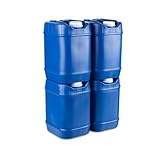
- PORTABLE, STACKABLE WATER CONTAINERS: These 5-gallon water containers are designed with flat bottoms and tops that nestle together to help stack more water in less space. The handles make them ideal for moving around, and the built-in twist breathing ports make it easy to pour out the contents of your containers without them getting air locked. This kit includes 4 individual 5-gallon water containers with lids.
- 40 DAYS OF DRINKING WATER: It’s recommended to have half a gallon of water per person per day when preparing an emergency water reservoir for your household. This kit provides 4 containers that are 5 gallons each for about 40 days of washing, cooking, or fresh drinking water storage. The amount of water needed varies by a person’s size and use, and each portable container weighs about 40 lbs. when filled with liquid.
- MADE FROM BPA-FREE HDPE PLASTIC: Our high-quality water containers are made from 100% food-grade plastic, which also makes them useful for storing other liquids or food necessities. They are BPA-free and made from high-density polyethylene (HDPE), so you’ll have a safe, durable, refillable water container that can weather any storm.
- IDEAL FOR TRAVEL & EMERGENCY STORAGE: If you’re looking for a reliable water container for emergency storage, camping, boating, or beach trips, or even for a watering station for an outdoor event, this kit is exactly what you need. The handle on each 5-gallon container makes it a breeze to transport, and it can easily stack in the back of your car or truck for road-tripping adventures.
- PREPARE, STORE & SAVE: As a family-founded company with years of experience, we know the importance of preparedness. Our water storage containers and accessories ensure that you’re never without the essentials when you need them the most. We provide high-quality American-made products at the fairest prices possible to help you make the best decisions for yourself and your loved ones.
Treat a gas odor as an evacuation emergency
If you smell natural gas, hear hissing, see damage to a gas line, or otherwise suspect a leak, leave immediately. Do not smoke, light a match, operate a light switch, start a vehicle in an attached garage, use a phone inside the suspected leak area, or do anything else that could create a spark. Once you are well away, call emergency authorities and the gas utility. Do not re-enter until authorities say it is safe.
2. What to do during a power outage
After confirming there is no immediate fire, gas, or structural danger, reduce injury and food loss while waiting for the utility.
Use safe lighting and preserve food
- Use flashlights, headlamps, or other battery-powered lights instead of candles where possible.
- Keep refrigerator and freezer doors closed. Opening them repeatedly lets cold escape and shortens the time food remains safely chilled.
- Do not use a gas stove, oven, grill, or clothes dryer to heat the home. These appliances can create carbon-monoxide, fire, or ventilation hazards.
Plan charging around what is essential
Identify which phones, radios, medical devices, alarms, and other equipment must keep operating. A charged battery bank, portable power station, vehicle charging adapter, or an approved community charging site can provide alternatives, but each option has limits on capacity and run time. Keep charging equipment dry and follow its electrical instructions; never connect a portable source to household wiring unless it is installed through an approved transfer system by a qualified electrician.
Make a medical-device plan
Households that rely on oxygen concentrators, powered ventilators, refrigerated medicines, mobility equipment, or other critical electrical devices should move to a safe location with dependable power if backup capacity is uncertain. Contact the device provider, medical team, utility, or emergency management office for a location-specific plan. Do not wait until a battery is almost empty to seek help.
Rank #2

- Space-Saving Up To 100-Gallon Emergency Water Storage: Transform your existing bathtub into a clean, safe water storage system that holds up to 100 gallons of fresh drinking water—minimizing the need for expensive bottled water purchases or bulky barrels that consume valuable storage space in your home, garage, or apartment while providing enough emergency water supply for your entire family during hurricanes, storms, or water main breaks.
- Sealed Food-Grade Liner Keeps Water Fresh Up to 16 Weeks: Heavy-duty, BPA-free plastic liner meeting USFDA food-grade guidelines protects your emergency drinking water storage from dirt, soap film, and debris that would contaminate an open bathtub, ensuring your family has access to clean, safe water for cooking, washing, and flushing throughout extended emergencies when municipal water supplies are compromised or unavailable.
- Trusted by 500,000+ Families and Featured on Major Media: As the original patented emergency water storage solution (U.S. Patent No. 8,627,980 and Patent No. 10,293,982), waterBOB has been recognized by CNN, Fox News, and Bob Vila as a reliable preparedness standard—join hundreds of thousands of prepared families who rely on the proven water container that established the category for bathtub emergency water storage systems.
- Simple setup in as little as 20 minutes with No Complicated Installation: Quickly prepare for disasters by laying the water storage container liner in any standard bathtub, attaching the included fill sock to your faucet, and filling to capacity in approximately 20 minutes—no tools, technical skills, or permanent modifications required, making emergency preparedness accessible for every nearly household when severe weather or water emergencies threaten your area.
- Included Siphon Pump for Convenient Access to Drinking Water Storage: Easily dispense your stored emergency water supply into jugs, pitchers, or water containers without heavy lifting, spills, or contamination risk—the included hand pump allows you to conveniently access clean drinking water for daily cooking, washing, and hydration needs throughout extended power outages or when municipal water systems are shut down during hurricane season or natural disasters.
Use a generator only outdoors and at a safe distance
FEMA advises placing generators outdoors at least 20 feet from windows, doors, garages, and other building openings. Keep exhaust pointed away from the building and never run a generator in a home, basement, crawlspace, shed, or attached garage, even when doors or windows are open. Follow the generator manufacturer’s grounding, fuel, connection, and refueling instructions, and let the unit cool before adding fuel. Carbon monoxide can accumulate without an obvious smell, so a working carbon-monoxide alarm is an important additional safeguard.
3. Decide whether tap water is usable
Water service may be interrupted by a broken main, loss of pressure, floodwater, treatment-plant damage, or a planned shutoff. The correct response depends on the hazard and the current local notice, not simply on whether water comes from the faucet.
Find the exact local advisory
Look for one of these instructions from the water utility or health department:
The Tool Desk
Outbyte Driver Updater FREEScan for outdated or missing drivers - takes under a minuteDriver Scan →Outbyte PC Repair FREERepair Windows errors before they cause bigger problemsFix Now →| Local instruction | What it generally means for a household |
|---|---|
| Boil water advisory | Use bottled water or boil tap water as directed before drinking, preparing food, brushing teeth, making ice, or preparing infant formula. Follow any additional local restrictions. |
| Do-not-drink or chemical advisory | Do not drink, cook with, make ice from, or use the water for other purposes listed by officials. Boiling and ordinary disinfection do not remove fuel or toxic chemicals. |
| Do-not-use advisory | Avoid all uses specified by officials, which can include bathing, washing dishes, or contact with skin. Use an alternative source until the notice is lifted. |
| No advisory available | When the system is damaged or pressure has been lost and officials have not issued guidance, use bottled water for drinking and food preparation while obtaining instructions. |
These labels are not interchangeable. Read the complete notice for the affected streets, start time, permitted uses, and procedure for lifting it.
Rank #3
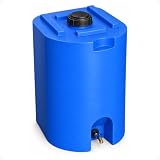
- Large Water Tank: Whether you're camping, hiking, or embarking on a road trip, rely on the 55-gallon water tank to meet your liquid storage needs with ease
- Safe Design: Specially blended UV-proof plastic safeguards water, preventing bacteria build-up, and ensuring its safety for extended periods
- Durable Container: Drum constructed from rugged high-density polyethylene (HDPE), ensuring durability for on-the-go liquid storage needs
- Integrated Spigot: Easy access to emergency water with a spigot that connects to standard garden hoses for versatile use
- Stackable Design: Water tanks have a unique stackable design, allowing for efficient space utilization; Measures 22"L x 23"W x 30"H
Use a safe source for priority needs
Until officials confirm the supply, reserve bottled water or another approved source for drinking, cooking, brushing teeth, making ice, washing food, and mixing infant formula. Store water in clean, covered containers. Emergency water storage containers can help keep a reserve, but storage does not make contaminated water safe and does not replace a current advisory.
4. How to boil water safely during a boil-water advisory
Boiling is an emergency method for killing disease-causing organisms when officials say the concern is microbial contamination and no safe bottled water is available. It does not solve every water hazard.
- Clarify cloudy water first. Let sediment settle, then pour the clearer water through a clean cloth, paper towel, or coffee filter. Filtering alone is not disinfection.
- Bring the clear water to a rolling boil. Maintain the rolling boil for one minute at elevations up to 6,500 feet.
- Adjust for high elevation. At elevations above 6,500 feet, boil for three minutes.
- Cool it safely. Transfer the water to a clean, covered container. Avoid recontamination from dirty utensils, hands, or unwashed containers.
- Use it for every activity named in the advisory. That can include drinking, cooking, brushing teeth, making ice, and infant formula. Follow the notice if it requires additional steps.
Know when boiling is the wrong response
Boiling and chemical disinfection cannot make water containing gasoline, oil, industrial chemicals, pesticides, or other toxic substances safe. Heat can leave the contaminant in the water and may concentrate some chemicals as water evaporates. If officials mention chemical contamination or issue a do-not-drink notice, use bottled water or another source they approve and contact the health department for specific instructions. Do not try to judge safety by smell, color, or taste.
5. What to do if gas service is shut off or a leak is suspected
Separate a planned shutoff from a suspected leak
A utility may stop gas service after an earthquake, flood, fire, or other event to prevent ignition. A shutoff does not authorize you to inspect or reopen the line yourself. If there is any odor, hissing, visible line damage, or uncertainty about a connection, use the evacuation procedure in the first section.
Rank #4
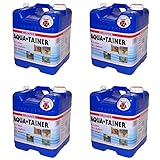
- Rigid, 7-gallon rectangular water container with molded contour grip
- Space-saving design for easy storing and stacking when empty
- New and improved screw-on vent; hideaway spigot for on-demand water dispensing
- Suitable for outdoors activities and emergency water storage
- Five-year warranty against manufacturer's defects
Leave, report, and wait
- Move everyone outside and away from the building, including pets.
- Avoid flames, cigarettes, electrical switches, doorbells, vehicles, and any device that could spark while you are leaving.
- Call emergency authorities and the gas provider from a safe location.
- Do not re-enter until officials or the utility say it is safe.
- Do not attempt to turn the gas meter or appliance valves back on. Ready.gov states:
Only professionals should turn on your home’s gas supply.
Even when the odor disappears, a damaged line or appliance can remain dangerous. A qualified professional must inspect the system and perform any required pressure test, repair, and restoration.
6. Returning to a damaged property
Wait for clearance from local authorities, the utility, or other qualified professionals before entering a building affected by flood, fire, earthquake, explosion, or major wind damage. A structure can look intact while having weakened framing, hidden electrical damage, contaminated water, or displaced utility lines.
- Keep away from downed power lines and anything touching them. Assume a line is energized until the electric utility confirms otherwise.
- Do not switch on power, operate appliances, or use extension cords in wet areas.
- Do not pump floodwater or remove debris near electrical or gas equipment until professionals advise that it is safe.
- Photograph damage from a safe location for your records, but do not delay evacuation or approach an unstable area to document it.
7. Restoring each utility safely
| Utility | Who should restore it | What the household should do |
|---|---|---|
| Electricity | The electric utility and, where needed, a licensed electrician | Report the outage, wait for instructions, and have damaged service equipment inspected before energizing circuits. |
| Water | The water provider, health department, or qualified plumbing professional as directed locally | Follow the advisory until it is officially lifted; flush or disinfect plumbing only when the provider gives that procedure. |
| Natural gas | The gas utility or other authorized professional | Never relight appliances or open the main supply after a disaster unless the utility specifically directs a safe, supervised procedure. |
There is no single national restoration sequence that applies to every provider. Keep the utility’s confirmation, advisory end time, and any inspection or permit requirements with your disaster records.
Do these 3 things before closing this tab:
1Repair Windows errors before they cause bigger problems2Fix the driver behind crashes, sound loss and screen glitches3Clear out junk files and repair common Windows errors8. A practical outage kit and decision checklist
Keep supplies that address the first hours
- Flashlights or headlamps and spare batteries.
- Charged phones, battery banks, and a method to receive local alerts.
- Bottled water or clean emergency water storage containers.
- Manual can opener, shelf-stable food, and medications that may need refrigeration planning.
- Carbon-monoxide alarms and smoke alarms with working batteries.
- Written contact numbers for the electric, water, and gas utilities, the health department, medical providers, and people who can provide a safe powered location.
Use this decision order when conditions are changing
- Danger: evacuate for gas odor, fire, structural instability, or an official order.
- Information: verify the affected utility and current advisory through official channels.
- Essential needs: protect people using medical equipment, drinking water, medicines, and communications.
- Containment: keep cold appliances closed, avoid damaged wiring, and prevent contact with questionable water.
- Professional restoration: wait for the utility or qualified professionals to inspect and reconnect systems.
9. Common mistakes that create a second emergency
- Using a generator in a garage, basement, or near a window.
- Heating a room with a gas oven, stovetop, grill, or dryer.
- Assuming clear-looking tap water is safe after pressure loss or flooding.
- Boiling water that officials say contains fuel or toxic chemicals.
- Turning a gas meter, breaker, or damaged appliance back on to “test” it.
- Entering a damaged building because neighbors have returned before authorities clear it.
- Relying on a social-media post instead of the utility or health department’s current notice.
10. When to call for help immediately
Call emergency services for a gas leak or fire, a person in immediate medical danger, carbon-monoxide symptoms, a downed power line creating a public hazard, or a collapse or entrapment. Contact the utility for outage reporting and restoration instructions, and contact the health department for questions about a boil, do-not-drink, or do-not-use notice. If you cannot safely power critical medical equipment, tell emergency management or your medical provider before the backup supply is exhausted.
Quick Recap
Product prices and availability are accurate as of the date/time indicated and are subject to change. Any price and availability information displayed on Amazon at the time of purchase will apply.

