If a neighbouring project has covered a window or air vent, cut off a route to your property, or made a room materially darker, do not assume that planning permission settles the issue. In England and Wales, planning controls, a private right to light, party-wall procedures, access rights, building control and statutory-nuisance law are separate routes. Photograph the change, identify the affected legal interest, check the local planning and building-control records, and obtain property-specific advice before demanding that work stop or altering the boundary.
Start by identifying exactly what changed
Write a short factual record before contacting anyone. Note the address, the construction phase, the dates, the window, rooflight, doorway, driveway, shared passage or vent affected, and the route now blocked. Describe the practical consequence: a habitable room needs artificial lighting during the day, a vehicle cannot reach a garage, a fire-escape route is obstructed, or an extractor outlet no longer discharges properly. Keep dated photographs from the same points and, where safe, a simple sketch showing the former and current route of light, air or access.
As an Amazon Associate I earn from qualifying purchases.
Save planning notices, drawings, contractor letters, party-wall notices, title plans, lease documents and every email or text. A light meter reading can illustrate a change, but it cannot prove a right to light, a planning breach or a building-regulations failure. Do not enter the site or remove scaffolding, hoardings or materials yourself.
Do these 3 things before closing this tab:
1Repair Windows errors before they cause bigger problems2Scan for outdated or missing drivers - takes under a minute3Clear out junk files and repair common Windows errorsCheck whose interest is affected
Freeholder, leaseholder or tenant
A freeholder should obtain the registered title, filed plan and any deed that created an easement or covenant. A leaseholder should read the lease and notify the freeholder, managing agent or housing association because the landlord may own the relevant rights and control any claim. A tenant should not accept a builder’s assurance that the issue is “only between owners” without informing the landlord.
#1 Best Overall

- Striking Pattern, Stylish Decoration: With over 10 years of experience in window film innovation, rabbitgoo static film features unique irregular patterns that cast rainbow glows in sunlight, adding a stylish touch to your decor. A cost-effective alternative to bulky curtains, blending durability with everyday elegance
- Color Effect, Installation Tip: The decorative window film has no inherent color; its special 3D laser design creates vibrant colorful visuals when sunlight hits it post-installation. For attachment: Spray ample water on both the window surface and the film's back
- Sunlight Blocked, Harmful UV Rejected: Made of premium vinyl material, the window film effectively reduces annoying glares, blocks out 96% UV rays, and protects your skin and furniture from getting directly exposed to sunlight; By letting filtered natural light in, the glass film creates a soft atmosphere for you
- No Glue Hassle, Removable: The window sticker is static cling without any sticky, harmful, and chemical glues, super easy to install on Flat, Clean, and Smooth Glass Surfaces, and can be easily removed and reused for multiple times, an optimal option for renting houses or home applications instead of expensive textured glass
- Protected Privacy, Secured Life: The semi-private window film serves a functional purpose in adding partial privacy for your personal space by preventing people outside from seeing directly into the room and obscuring outdoor views; Protection Level is 60%
Boundary, shared route and party structure
Establish whether the blocked route crosses a boundary, is shared with another owner, or is described as an easement. A fence line on the ground is not conclusive. Check rights of way, rights to maintain drains or services, parking rights, and obligations to keep a passage clear. If excavation, foundations, a new wall or work to a shared wall is involved, ask whether the Party Wall etc. Act 1996 applies in England and Wales.
Window, rooflight or vent
Record the precise aperture and its purpose. A bedroom window, a rooflight serving a loft conversion and a mechanical ventilation outlet can raise different questions. The fact that an opening has existed for many years does not, by itself, establish a legal right or a breach of building regulations.
Choose the correct route instead of treating every problem as planning
| Route | What it addresses | Geographic scope in the relevant guidance | Important limit |
|---|---|---|---|
| Planning | Whether development is acceptable under the local planning system, including any required daylight or sunlight assessment | Local planning systems; the cited example is England | A decision does not determine whether a private easement exists |
| Right to light | Natural light passing through a defined aperture where a qualifying easement exists | England and Wales sources | Not every property has the right; existence and remedy are fact-specific |
| Party wall | Specified work to or near a shared boundary, party wall or nearby foundations | England and Wales | Separate from planning and building regulations; it is not a general daylight remedy |
| Environmental health | Listed statutory nuisances, such as qualifying construction noise, smoke, dust or artificial light | England | The statutory test must be met; blocked natural light, access or ventilation are not listed as standalone nuisances in the cited guidance |
| Building control | Compliance with applicable building regulations, including ventilation requirements | England guidance in Approved Document F | The applicable edition and transition rules matter; compliance does not decide private rights |
When a blocked window may involve a right to light
The Law Commission defines a right to light as “an easement that gives a landowner the right to receive light through defined apertures in buildings on his or her land.” It is a specific property interest, not a general right to a view, sunlight in a garden or the previous brightness of every room. Many properties have no such easement.
Quick wins for a faster PC:
Repair Windows errors before they cause bigger problemsFix Now →Fix the driver behind crashes, sound loss and screen glitchesFind Drivers →Clear out junk files and repair common Windows errorsFree Scan →The relevant aperture and the extent of the right must be established from title evidence, historic use and the physical relationship between the buildings. A surveyor may model the loss of light, but a model does not create a right where none exists. Conversely, a planning officer’s acceptance of a daylight assessment does not extinguish a private easement.
Rank #2

- 24/7 Privacy Protection: Create a pleasant frosted-glass effect that both obscures the view outside and allows soft light to enter, keeping the interior bright and airy. Designed with an opaque frosted texture, this privacy film blocks up to 96% of direct visibility, making it ideal for bathrooms, bedrooms, entry doors, and street-facing windows
- No Glue No Residue & Renter-Friendly: This window film uses static cling technology for easy installation on smooth, clean glass surfaces. Simply spray water, apply, and reposition as needed. Removable and reusable without sticky residue—renter friendly solution
- Upgraded Installation Kit: Designed for an easier DIY experience, now with built-in 1in grid lines for straighter cuts, easy-peel backing tabs for quick layer separation, and a newly upgraded tool kit for smoother installation. From measuring and trimming to applying the film, every step is easier—even for first-time DIY users
- UV Protection & Anti-Glare: Blocks 96% of harmful UV rays to help protect skin, furniture, and pets. Reduces heat transfer through glass for summer comfort while helping retain indoor warmth in winter. Cuts glare for easier screen time and year-round comfort,Ideal for sun-facing windows, home offices, living rooms
- Versatile Application for Smooth Glass: Transform clear glass into modern frosted glass in minutes. Perfect for bathrooms, front door sidelights, office partitions, kitchen cabinets and pet windowss. Designed for smooth, flat glass surfaces; not recommended for textured, patterned, uneven glass or double-pane windows
The Law Commission’s project page, published in connection with its final report of 4 December 2014, explains that a right may enable a landowner to prevent construction that interferes with it or, in some circumstances, to have a building demolished. That is a description of possible remedies, not a prediction that an injunction or demolition will follow in an individual case. The same project page recorded that the Commission was awaiting a government response to its recommendations; it should not be treated as proof that every recommendation became law.
HM Land Registry Practice guide 62A, published 15 July 2024, is aimed mainly at solicitors and conveyancers and expressly says it is not a general guide to the law. Use it to understand registration issues, then obtain advice from a property solicitor and a rights-to-light surveyor where the loss is substantial.
What planning can and cannot do
Find the application, approved drawings, officer report, decision notice and any conditions on the local authority’s planning portal. Compare the built work with the permission: height, position, openings, boundary distances, external plant and approved hours can all matter. Tell the planning authority exactly which room, route or vent is affected and include dated photographs and a marked-up plan.
Free tools Windows power users keep installed
One-click scans. No signup required.
Planning policies may require assessment of daylight or sunlight, but the method and threshold are local-policy and scheme specific. A planning objection is not the same as a rights-to-light claim. Permission can be granted even though a private easement is later found, and a private claim can exist even where no planning condition has been breached. Ask the authority which policy and condition it is applying rather than asserting that “loss of light” automatically makes the development unlawful.
Rank #3

- Note: 1. The protective film shall be removed before installing. 2. Please remove all excess water & bubbles in the end of installation steps. 3. The free tools are inside the paper tube.4. The frosted glass film can’t be used in frosted glass, cut glass and all of processed non-smooth surface glass.
- Updated Backing Grids for Easy Cutting: Our window tint for home has been upgraded to the latest version! There are 1 inch grids on the backing for you to cut the shower window privacy film easily. Now you can complete the installation more easily!
- Enjoy Privacy & Soft Light: Our frosted glass window film ensures your 24 hours /7 days 2 way privacy by creating an elegant frosted glass effect, preventing prying eyes from seeing inside while still allowing comfortable natural light to fill your space, ideal for office, bathroom window privacy film day and night, or any room where privacy is desired but soft light is also needed.
- Privacy Window Film Sun Blocking & Heat Control: Our frosted window film can reduce heat transfer and help to maintain a comfortable temperature inside your home, keeping cool in summer & warm in winter. Only need a privacy film for glass windows to help your family solve the trouble of high energy bills.
- UV Protection Decorative Window Film: Safeguard your skin, furniture, flooring, and belongings from harmful UV rays with our window frosting film. Glass door privacy film blocks up to 99% of UV rays, letting your child having a more comfortable experience at home.
When party-wall procedures matter
In England and Wales, the Party Wall etc. Act 1996 covers specified work to a party wall, building on or at the line of junction, and certain excavations near neighbouring buildings. The official GOV.UK overview states that the Act’s procedure is separate from planning permission and building regulations. Scotland has different rules.
For covered work, the building owner must “avoid causing unnecessary inconvenience” and “protect your neighbour’s property from damage caused by the works, and fix or pay for any damage that is caused.” The guidance also describes notice for access to carry out building works in usual working hours. Its stated period for access notice is 14 days, except in an emergency. This is a procedural notice period, not a population statistic and not a guaranteed pause on construction.
A party-wall surveyor or agreed surveyor can deal with notices, a schedule of condition, an award and damage. A party-wall award does not decide every right of way, a right to light or whether a planning condition was breached. If no notice was served, do not obstruct the work physically; obtain advice on the appropriate response.
Blocked access: distinguish an easement from temporary inconvenience
Check whether the route is recorded as a right of way, access for vehicles, a right to maintain services, or a lease covenant. An alternative route that is theoretically possible may not satisfy the wording of an easement, especially where it prevents ordinary access to a home, garage, refuse area or emergency route. Conversely, a contractor’s temporary closure may be permitted if the right allows reasonable works or the owner has agreed a diversion.
Rank #4
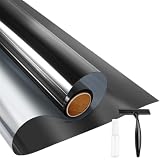
- UV BLOCKING & GLARE CONTROL: KESPEN sun blocking window film can effectively block 82% of infrared rays and 90% of UV rays which may hurt your skin, prevent your precious furniture and interior decorations from fading. 12% VLT means that some visible light can enter the room, not only to block the harsh light and reduce glare, but also to maintain your good view
- HEAT CONTROL & ENERGY SAVING: The window tinting film for home reflects some of the heat back outside, thus reducing the amount of heat transmitted through window glass, which can keep cool in summer and retain heat in winter, helping you save money by cutting the high energy bills
- ONLY DAYTIME PRIVACY PROTECTION: This one way window film provides superb privacy during daytime, the mirror reflection of privacy control window film allows others to not see any interiors from the outside, effectively protecting your private space. But when inside light is stronger than outside, loss of light difference, such as the lights turning on, the mirror effect will disappear and will be seen from the outside. So at night with this mirror tint, it is necessary to draw the curtains
- STATIC CLING & EASY TO INSTALL: The reflective window film is designed with non glue, this static cling window film avoids the release of chemical substances, very easy to use just spray A LOT of water on both the adhesive side and the window. It can also be removed easily without any traces left on the glass
- WIDELY APPLICATION OCCASIONS: Our house window tint film is suitable for the smooth and clean glass surface of your kitchen, sliding door, bedroom, balcony, restroom, office doors, and windows. Not used on double-paned glass, frosted glass, cut glass, and curved glass. Useful Tips: Please make sure the glass, edges, and corners are totally cleaned without any dust and tear off the protective film before pasting it onto the glass
Send a calm written notice identifying the route, the title or lease wording, the dates of obstruction and the practical harm. Ask for a safe temporary route, delivery arrangements and a date for removal of barriers. Do not trespass, move plant or lock gates. If negotiations fail, a solicitor can assess declaration, injunction, damages or an alternative dispute-resolution route. The correct remedy depends on the wording of the right, urgency and the construction stage.
Blocked ventilation: involve building control, but do not confuse it with a private claim
England’s Approved Document F gives guidance on ventilation requirements under the building regulations. Its current page distinguishes editions applying to work subject to 2026 standards from earlier editions that continue for work subject to prior standards. The applicable edition depends on the work and transition arrangements.
Ask the local building-control body which regulations and edition apply, whether the work was notified or approved, and whether the design preserves required ventilation performance. Provide the vent’s location, dimensions, system type and photographs. Building control can address compliance with the regulations; it does not decide whether a neighbour has interfered with an easement, lease term or access right. A fan or air purifier may ease symptoms but does not resolve a blocked opening or an unlawful obstruction.
When environmental health may help
In England, the council’s environmental-health team investigates complaints that may be statutory nuisances. DEFRA’s guidance, published 7 April 2015, uses a test of substantial and unreasonable interference with use or enjoyment, or injury or likely injury to health. Its examples include noise, smoke, business smells and artificial light. The cited list does not expressly make construction blocking natural daylight, private access or ventilation a standalone statutory nuisance.
Best Value

- 2026 Updated Backing Grids: Our window tint for home has been upgraded to the latest version! There are 1 inch grids on the backing for you to cut it easily. Now you can complete the installation more easily!
- Note: 1. Dwersty one way window film provides superb DAYTIME privacy, with a mirror effect looking in from outside when the light is stronger outside than inside. However, when inside light is stronger than outside (for example, at nighttime or when it's very cloudy), the mirror effect disappears and you can see in from outside. Remember to draw the curtains at night for privacy. 2. The free tools are inside of the paper tube.
- HEAT CONTROL & ENERGY SAVING: Dwersty home window tint let in the light you love while reflecting much of the sun's heat away from your home, so you can stay cooler in hot days. It also helps to save energy and cut cost on your energy bills by providing better insolation and allowing air conditioners reach a constant temperature faster. You and your family can enjoy a safer and more comfortable home time economically!
- UV BLOCKING & GLARE CONTROL: This sun blocker film for windows blocks 93% of UV rays and 85% of IR rays, reducing fading and aging of your beloved furnishings and protecting skin from harmful rays, which is number one cause for skin aging and damage. The home window tint allows natural light enter the room, while protecting your eyes from harsh sunlight and glare.
- STATIC CLING & NO MESS NO FUSS INSTALLATION: This removable window tint has no glue or chemical substances, which makes it easier and safer to install or remove without any trace left on glass. In addition, we provide complementary tools save you money and trouble - please look for them inside of the film roll. if any is missing, please contact us. For smooth application, make sure window surface is completely clean and spray A LOT of soapy water on both the adhesive side and the window.
For qualifying noise, dust, smoke or artificial light, report dates, times, duration, location and the effect on ordinary use. Ask the council whether its current local procedure applies and what evidence it needs. Do not promise that environmental health will order a building redesigned or settle a private property dispute.
A practical sequence for dealing with the project
- Identify the jurisdiction and tenure. Confirm your country, local authority, freehold or leasehold status, and whether the property is in England, Wales or Scotland. The party-wall and ventilation guidance cited here does not apply identically everywhere.
- Preserve evidence. Take dated, repeatable photographs; keep plans, notices, correspondence and a log of access closures, noise and ventilation effects. Record the affected aperture or route rather than relying on a general statement that the property feels darker.
- Read the title and lease. Look for rights of light, rights of way, shared access, maintenance rights, covenants and restrictions on building. Give copies to the landlord or managing agent if you rent.
- Review planning records. Compare the approved scheme with the construction and ask the planning authority which policies and conditions govern the impact. Separate this communication from any private rights-to-light or access letter.
- Check party-wall status. If work affects a shared wall, boundary or nearby foundations in England and Wales, obtain the Act’s notices and surveyor details. Ask about the 14-day access notice rule where relevant, remembering that emergencies are treated differently.
- Contact environmental health for listed nuisance issues. In England, use the council route for qualifying construction noise, dust, smoke or artificial light and follow its evidence requirements.
- Ask building control about ventilation. Confirm the applicable Approved Document F edition and transition arrangement, and whether the opening or system forms part of approved work.
- Obtain specialist advice before escalation. A property solicitor, rights-to-light surveyor, access-rights specialist or party-wall surveyor can match the evidence to the correct remedy. Ask for an urgent assessment if work is progressing toward an irreversible stage.
Communicating while construction continues
Use one written chronology and keep communications factual. State what is blocked, when it began, the document or right you rely on, and the practical action requested. Offer a site meeting only if it can be conducted safely and with an independent representative. Ask the contractor to preserve temporary access, protect vents from dust and keep agreed working hours while the issue is reviewed.
A planning complaint, party-wall notice and private-right letter should not be merged into a single accusation. Each recipient has different powers and duties. Avoid threatening demolition, an injunction or criminal action unless a qualified adviser has assessed the facts and urgency.
Common mistakes that weaken a case
- Assuming every long-standing window has an automatic right to light.
- Treating planning permission as proof that private rights have been extinguished, or treating a planning breach as proof of an easement.
- Using a light-meter number without identifying the aperture, time, weather and measurement method.
- Calling the council about blocked daylight or access without checking whether the statutory-nuisance categories and test apply.
- Assuming a party-wall award determines ownership of a passage or guarantees a view.
- Entering the site, moving barriers or stopping machinery without legal advice.
- Ignoring the landlord’s or freeholder’s role when the affected right belongs to someone else.
- Waiting until the structure is complete before seeking advice where an interim agreement could preserve access or evidence.
What a qualified adviser will need
Provide the title register and plan, lease, conveyances or easement deeds, planning references, approved drawings, party-wall notices, photographs from before and after, a site sketch, construction dates and your correspondence log. Explain the outcome you need: restoring a route, protecting a vent, reducing a specific obstruction, compensation or an urgent pause. This lets the adviser assess whether the issue is contractual, proprietary, regulatory, nuisance-related or a combination.
The strongest next step is therefore specific, not automatic: establish the affected legal interest, preserve evidence, use the authority with jurisdiction over that issue, and obtain local professional advice before taking action that could damage your position.
Quick Recap
Product prices and availability are accurate as of the date/time indicated and are subject to change. Any price and availability information displayed on Amazon at the time of purchase will apply.

