Quick wins for a faster PC:
Repair Windows errors before they cause bigger problemsFix Now →Fix the driver behind crashes, sound loss and screen glitchesFind Drivers →There is no reliable “safe distance” that makes every home near a convenience store quiet or trouble-free. The sensible test is how this particular store operates beside this particular home: opening hours, customer traffic, parking, deliveries, waste collection, lighting, smells, building orientation and future planning permissions.
Visit at more than one time, inspect the rooms and outdoor spaces you would use, check planning and title records, keep the building inspection separate from the location assessment, and compare the price with similar nearby sales. Official buyer guidance in Victoria, New South Wales, South Australia and the UK supports these checks, but does not establish a universal noise limit, health threshold or convenience-store price discount.
As an Amazon Associate I earn from qualifying purchases.
Start with the store’s operating pattern, not a distance rule
Two houses the same nominal distance from a shop can have very different experiences. A home behind a solid building with bedrooms facing away from the forecourt may be calmer than one across the entrance, even if the measured distance is greater. A store that closes early may affect a property less than one open late, while a small shop with frequent deliveries can create a different pattern from a larger store with a busy car park.
Free tools Windows power users keep installed
One-click scans. No signup required.
Make your decision from observations and records rather than an assumed setback. The available government guidance is qualitative: it tells buyers to check noise, traffic, smells and planning circumstances, but it does not supply a store-specific decibel figure, a universal separation distance, a health estimate or a guaranteed resale percentage.
#1 Best Overall

- 2.25-inch LCD Screen with Backlight: This TS-501B sound level meter is measured noise levels are expressed in decibels and displayed on the 2.25-inch LCD screen, it easy to read on a big display design. Long press the backlight button to turn on a backlight, making it easy to view even in dim light
- Decibel Meter with A/C Weighting: TopTes TS-501B decibel meter uses a precise condenser microphone to capture sound. It’s equipped with A-weighting and C-weighting facilities that measure noise levels from 30 to 130 dB with an accuracy of 1.5 dB, Frequency from 30 to 8000Hz. Perfect for monitoring noise levels in communities, home theaters, audio systems, automobiles, workshops, schools, offices, factories
- MAX/MIN Measurement: The sound pressure level (SPL) meter has Max or Min measurement values to represent the maximum/minimum (high/low peak) value of the sound produced within a certain time, and the data hold function can freeze the current reading based on the sound measurement according to individual needs
- Easy Use and Feature Packed: The non-slip side design ensures that the portable noise meter fits easily in the hand. TS-501B SPL meter is a battery-operated noise meter that comes with three durable batteries and has an automatic power off function to extend battery life. A low battery indicator will appear on the screen when the battery is low to remind the user to replace the battery in time
- What’s in the Box: One TS-501B Decibel Meter, Three AAA Batteries, One User Manual, One Carry Case. The device has been factory calibrated to ensure high measurement accuracy and compliance with quality standards.
Plan inspections that reveal busy and quiet periods
- Record the advertised opening hours. Note whether the shop trades early, late, overnight or on weekends. Ask when deliveries, rubbish collection and cleaning normally occur. Treat the answers as information to verify rather than a guarantee.
- Visit during a busy period. UK Government home-buying advice says different visit times can reveal busier traffic, and New South Wales guidance recommends checking noise at different times of day. Include the periods when the store is open and appears busiest.
- Return at a quieter time. A calm mid-morning viewing may conceal evening customer activity, late-night vehicle movements or weekend conditions. Visit after dark if you expect to use the garden, driveway or street at night.
- Keep a dated log. Write down the time, weather, store status, approximate customer activity, traffic, parking, smells, lighting and anything audible inside the house. Several short observations are more useful than a single impression.
- Ask whether the visit looked typical. A sale-day promotion, road closure, holiday or unusual event can distort what you see. Ask the seller or agent about recurring patterns and why the property is being sold.
Inspect the home from the places that matter to you
Test rooms with windows open and closed
Stand in bedrooms, living rooms, home-office areas and any room where you expect to spend long periods. Listen with windows open, then closed. Note voices, vehicles, doors, alarms and mechanical sounds if they are audible; these are observations to make, not conditions that every convenience store will create. Check whether closing a window gives you the quiet you need without making the room uncomfortably warm.
Do not rely on the agent’s position in the hallway. Sound can differ substantially between a front bedroom, a rear bedroom and a room above or beside a driveway. If the house has more than one level, repeat the check upstairs and downstairs.
Use the outdoor areas at likely use times
Spend time in the garden, patio, balcony, driveway and entry path. Notice whether customer movement, headlights or conversations are directed toward these spaces. Check whether you would be comfortable opening windows, entertaining outside or putting a child’s bedroom on the side facing the shop.
Recommended Free Tools
Check orientation, distance and physical barriers
Sketch which walls and windows face the shop, its entrance, car park and service area. Look for intervening buildings, boundary walls, fences, earth banks or landscaping. These features may change what reaches the home, but their presence is not proof that disturbance will be eliminated. Include the cost and feasibility of any improvement in your assessment.
Look for traffic and parking conflict
South Australian buyer guidance warns that nearby businesses can create traffic, and traffic conditions can change by time of day. Watch the street and the area around the shop entrance during more than one visit.
- Count the types of movement you actually observe: cars entering and leaving, pedestrians, bicycles, delivery vehicles and ride-hail or taxi activity.
- Check whether customers stop briefly, double-park, wait with engines running or block driveways.
- See whether residential bays are used by shoppers and whether turning vehicles pass close to the property.
- Observe visibility when leaving the driveway and whether parked vehicles obstruct sight lines.
- Check how the street functions after dark, when headlights and pedestrian activity may be different.
Ask the council or road authority whether parking controls, access changes or nearby works are proposed. A traffic pattern that is manageable today may change if a neighbouring site is redeveloped.
Rank #2
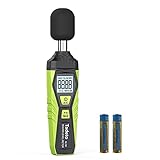
- 【Accurate Measurement】 The measuring range of the sound level meter is 30dB to 130dB . Highly accurate with ± 2.0 dB. Real-time monitoring can give you accurate data on the sound level in the area.
- 【A/C Weighted Measurement】 The A weighted simulates the frequency characteristics of low-intensity human ear noise, which is suitable for the detection of ambient noise. The C weighted simulates the frequency properties of high-intensity noises of the human ear, which are suitable for the sound pressure analysis of machine motors and machines. More professional measurement methods provide users with a more perfect user experience.
- 【Fast and Slow Measurement】 The sound level meter has the function of converting the fast and slow response rate. The fast response rate uses a time constant of 0.125s/time for general environmental measurement. The slow response rate uses a 1s/time constant, which is used for environmental measurements with relatively large changes in noise levels.
- 【Digital LCD Display 】 The digital display is a 4-digit LCD display with a resolution of 0.1 dB. Backlit LCD digital display, the reading effect is clearer in dark places. When the battery is low, the LCD display will display a low voltage icon, indicating that the power is low at this point and the battery needs to be replaced.
- 【Convenient and Lightweight 】Tadeto sound level meter is lightweight and easy to carry. It's widely used in factories, transportation, car, baby room and audio system offices, sound quality control in homes, schools, and construction sites.
Check deliveries, waste, smells and lighting
Deliveries and service activity
Ask the seller, agent and shop operator—where practical—when deliveries usually arrive and where vehicles stop. During a visit, look for a loading area, reversing movements, idling vehicles, pallet handling or doors that face the home. Do not assume a quiet customer period is also a quiet service period.
Waste and cleaning
Observe the location of bins, compactors and collection access. Check whether waste vehicles can reach them without using the home’s frontage or blocking the street. Look for evidence of litter or overflowing bins, while recognising that a single collection day may not represent normal conditions.
Odours
New South Wales guidance specifically advises buyers to check what a property smells like, including strong odours from nearby businesses or facilities. Walk around the boundary and stand in rooms with windows open. Repeat the check at different times, because wind and operating activity can alter what you notice. Record what you smell and where, rather than labelling the shop a nuisance based on one moment.
Lighting and night-time character
Return after dark to see the effect of shop signs, car-park lights, security lighting and headlights. Check whether light enters bedrooms or shines into outdoor areas. Note whether blinds, curtains or screening would solve the issue and whether those changes would reduce ventilation or daylight.
Ask the seller and agent focused questions
UK Government guidance encourages buyers to ask about material facts and, where possible, speak directly with sellers. Use specific questions instead of asking whether the location is “fine.”
- When is the store busiest, and has that changed recently?
- What complaints or disputes, if any, have occupants experienced about noise, parking, smells, lighting or rubbish?
- When do deliveries and waste collections normally happen?
- Have windows, walls, fencing or other features been altered because of activity from the shop?
- Why is the home being sold, and how long have the current occupants lived there?
- Are there written notices, agreements or restrictions affecting access, parking or the boundary?
Ask for answers in writing where possible and compare them with your own visits. An agent’s reassurance is not a substitute for checking the property and public records.
Rank #3

- Accurate 30-130dB Noise Measurement: The Goldeep SL750A decibel meter measures sound levels from 30 to 130dB with ±1.5dB accuracy and a 31.5Hz-8KHz frequency response. This sound decibel meter is ideal for checking home noise, neighbor noise, traffic sound, office noise, construction sites, factories, classrooms, baby rooms and musical instruments.
- A/C Weighting for Different Sound Environments: This digital sound level meter supports A/C weighting modes for more flexible noise testing. A-weighting is suitable for environmental noise such as urban traffic, schools, offices, business areas and construction sites. C-weighting is designed for industrial noise from machinery, equipment, aerospace, high-speed rail and other high-intensity sound sources.
- dB/SONE Units for Sound & Loudness Testing: Use the dB unit to measure sound intensity for environmental noise, machine noise, traffic noise and workplace noise. Switch to SONE to better understand perceived loudness, making this db meter useful for music, audio systems, acoustic checks and instrument noise control..
- FAST/SLOW Response with MAX/MIN Tracking: The spl meter includes FAST and SLOW response settings. FAST response, 0.125s per reading, is useful for changing noise levels, while SLOW response, 1s per reading, is suitable for steady-state noise. MAX/MIN value tracking helps record peak and minimum noise levels over a period of time.
- Easy-to-Use Sound Meter for Daily & Professional Needs: Designed with data hold, clear LCD display, anti-slip grip and a windbreak ball, this sound meter is practical for indoor and outdoor use. Package includes 1 sound level meter, 2 AAA 1.5V batteries and 1 user manual, so you can start measuring noise right away.
Check planning records for the home, shop and surrounding sites
Contact the relevant local council or planning authority before you commit. Consumer Affairs Victoria advises buyers to investigate planning schemes, overlays and permits because controls can affect land use and future alterations. Ask what applies to both the home and the convenience store.
Records to request
- The zoning and any overlay affecting the property.
- The shop’s approved or permitted use.
- Operating, signage, access or delivery restrictions that are publicly available.
- Granted and pending permits for the shop, neighbouring lots and nearby roads.
- Proposed developments that could add floors, plant, parking, loading areas, lighting, traffic or other activity.
Victoria’s buyer checklist cautions that significant nearby development may increase noise or traffic. The same practical risk applies elsewhere, but the names of records and legal tests differ by jurisdiction. Ask the council how to search its planning register and how to interpret any conditions attached to a permit.
Understand what planning guidance can and cannot promise
UK planning guidance on development near existing businesses says decision-makers should consider current and permitted activities and possible noise, dust, odour, vibration and other pollution effects. It gives measures such as keeping windows closed and using alternative ventilation as examples of mitigation for affected development. That guidance concerns planning decisions in the UK; it is not a universal buyer entitlement and does not guarantee that mitigation will remove disturbance from an existing store.
The Tool Desk
Outbyte PC Repair FREERepair Windows errors before they cause bigger problemsFix Now →Outbyte Driver Updater FREEFix the driver behind crashes, sound loss and screen glitchesFind Drivers →Review title and sale documents separately from planning
Planning approval is not the same as a clear title. Have the sale documents reviewed under the rules of your location, using a qualified conveyancer or property lawyer where needed.
Look for easements, covenants, encumbrances, shared access, rights for services and restrictions on building or altering the property. Consumer Affairs Victoria’s guidance refers buyers to the section 32 statement and notes that title encumbrances may prevent development. Other jurisdictions use different document names and disclosure systems, so ask which equivalent documents apply locally.
Check whether an access lane, car park edge, service route or drainage arrangement crosses the boundary. A right recorded on title may matter even if you have never seen it used. Do not assume that a fence or informal parking arrangement creates a permanent legal boundary.
Rank #4

- 【Widely Used】The noise meter is the use of environmental sound level instrument, can be widely used in such as factories, workshops, schools, residential, office areas, traffic roads, audio and other occasions of sound level measurement. Also suitable for noise engineering, product quality control, health,prevention and control.
- 【Accurate Measurement】Measuring Range:30~130dB ;Accuracy:±1.5dB(94dB@1KHz);Display Resolution:0.1dB
- 【A Weighted Measurement】 A Weighted network (automatic switching range display)
- 【Fast/Slow mode selection】Press the MODE key, you can convert the response speed of the noise meter, FAST fast, SLOW slow
- 【MAX/MIN Measurement】Press RANGE key to measure the maximum value of MAX and minimum value of MIN.A maximum duration of more than 3 seconds is recorded, with a normal test sampling rate of 0.5 seconds. The maximum error is ± 5%.
Keep the building inspection and location assessment distinct
Commission a building inspection to identify defects, maintenance needs and likely repair costs. New South Wales Government guidance recommends considering such reports while separately directing buyers to inspect external noise and smells. A standard building inspection should not be described as an acoustic study unless its written scope expressly includes that work.
Do these 3 things before closing this tab:
1Repair Windows errors before they cause bigger problems2Fix the driver behind crashes, sound loss and screen glitches3Clear out junk files and repair common Windows errorsWhat to ask the inspector
- Which building defects could make outside noise or light more noticeable, such as gaps, failed seals or damaged windows?
- Are there ventilation, glazing or wall changes that require approval?
- What repairs are urgent, and what are only comfort improvements?
- Would proposed sound or light-control work affect fire safety, moisture control, heritage requirements or ventilation?
If noise is decisive, ask a suitably qualified acoustic professional whether a formal assessment is appropriate. A simple sound-level meter can help you compare repeat visits if you record the time, location, weather and conditions alongside each reading. This is a practical comparison aid, not a government-endorsed method, a legal test or a substitute for professional measurement.
Independent reader supportYour contribution helps us test, update, and keep practical guides available for everyone.Compare properties on the same evidence
When you are choosing between homes, use the same visit schedule and questions for each one. A table helps prevent a low asking price from overshadowing a recurring problem.
| Comparison axis | What to observe or verify | Decision question |
|---|---|---|
| Noise and activity by time | Open/closed-window observations in living spaces and bedrooms during busy, quiet and night periods | Can you tolerate the pattern at the times you will be home? |
| Traffic and parking | Entry and exit movements, double-parking, blocked driveways, residential-bay use and visibility | Will access remain safe and practical? |
| Smells and other effects | Odours at the boundary and indoors, lighting, litter, bins and collection activity | Is the effect occasional, recurring or difficult to mitigate? |
| Orientation and barriers | Rooms and outdoor areas facing the shop, intervening buildings, walls and screening | Does the layout protect the spaces you value most? |
| Current and permitted future use | Zoning, overlays, permits, operating conditions and nearby applications | Could approved or proposed change increase activity? |
| Building condition and mitigation cost | Inspection findings, window and ventilation condition, and lawful improvement options | What will the home cost after necessary repairs or comfort upgrades? |
| Price and resale evidence | Recent local sales of homes with similar exposure, layout and access | Is the price justified for this property, not merely for the neighbourhood? |
Assess price and future resale cautiously
Do not apply an automatic discount because a convenience store is nearby. UK Government home-buying guidance lists busy-road homes as a possible drawback and says they may be cheaper and take longer to resell, but that is a general observation about busy roads—not a quantified finding about convenience-store proximity.
Instead, compare recent sales with similar exposure: homes facing the same road, with comparable bedrooms, outdoor space, parking, orientation and access. Ask a local agent or valuer to explain which differences buyers in that market actually pay for. Treat any claim of a fixed percentage reduction as unsubstantiated unless it is supported by local, comparable evidence.
Resale is also affected by the buyer’s priorities. A purchaser who works nights, has young children or values a quiet garden may react differently from someone who prioritises walkability. You need evidence that the home suits your likely future buyers, not a universal rule.
Best Value
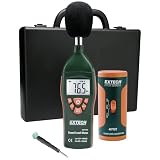
- Datalogs up to 16,000 readings with USB interface for downloading to a PC
- Triple LCD displays humidity, temperature, and date (year, month, and day)
- Programmable from keypad or PC
- Selectable data sampling rate
- User programmable audible and visual alarms
Use a written decision test
After your visits and record checks, write down the conditions you would accept before negotiating. Separate facts from preferences.
Confirmed facts
- Observed activity, with dates and times.
- Opening hours and any information about deliveries or waste collection.
- Planning designations, permits, applications and conditions.
- Title restrictions, easements and disclosed arrangements.
- Building defects and estimated repair or improvement costs.
Your tolerance and trade-offs
- Which rooms must remain quiet?
- Would you use outdoor space at the affected times?
- How much screening, glazing, ventilation or other work are you willing to fund?
- Would parking or access problems make daily life unacceptable?
- What evidence would make you renegotiate or walk away?
Do not convert these answers into a universal pass/fail threshold. The appropriate level of activity depends on your use of the home and the evidence for that property. If a key question remains unanswered—such as a proposed permit, an unexplained title right or a recurring night-time disturbance—pause the purchase until you obtain reliable information.
Know the jurisdiction limits
The inspection principles above draw on buyer guidance from Victoria, New South Wales and South Australia and on UK planning and home-buying guidance. The practical ideas—visit at different times, inspect noise and smells, check planning records and review title documents—travel well. Legal rules do not.
PC Slower Than It Used to Be?
A free scan shows the junk files, broken settings and background clutter dragging Windows down - then fixes them in one click.Free scan · Windows 10 & 11Crashes, No Sound, or Screen Glitches?
Random freezes, missing sound and display glitches usually trace back to one bad driver. Find and replace yours safely.Free scan · under a minuteDisclosure obligations, nuisance standards, planning registers, title documents, permitted operating hours and complaint procedures vary by country, state and council. Ask your local planning authority which records are public and obtain advice from a conveyancer or property lawyer qualified in the property’s jurisdiction. Do not rely on a rule from another region to establish your rights or the store’s obligations.
A practical decision rule
Buy only when you understand the store’s observed operating pattern, have checked likely future changes, have separated external effects from building defects, and can accept the remaining trade-offs at the price agreed. If the home works only under conditions you have not tested—such as closed windows, empty parking bays or daytime-only visits—the evidence is incomplete. Return at the relevant times, obtain the missing records and renegotiate or walk away if the unresolved risk is more important than the home’s advantages.
Quick Recap
Product prices and availability are accurate as of the date/time indicated and are subject to change. Any price and availability information displayed on Amazon at the time of purchase will apply.

