Windows Errors? Fix Them Before They Spread
Repair common Windows errors and clear accumulated junk for a smoother, more stable PC - no reinstall needed.Free scan · no reinstallCrashes, No Sound, or Screen Glitches?
Random freezes, missing sound and display glitches usually trace back to one bad driver. Find and replace yours safely.Free scan · under a minuteAfter collection, waste does not follow one universal route. A truck may take a load directly to a landfill, energy-recovery plant, composting site or other treatment facility; stop at a transfer station so the material can be consolidated into a larger shipment; or deliver a separately collected stream to a sorting and processing facility. From there, materials may be reused, recycled, composted, converted to energy, treated or disposed of. The destination depends on the material, its condition and contamination, the collection contract, available facilities, markets for recovered commodities and local rules.
Household municipal solid waste (MSW) and construction and demolition (C&D) debris are accounted for separately by the U.S. Environmental Protection Agency (EPA). To know what happened to a particular load, you need local information from the hauler, waste authority or receiving facility rather than a national average.
As an Amazon Associate I earn from qualifying purchases.
The first stop may be a transfer station
Why trucks use transfer stations
A collection truck is designed for neighborhood routes, not necessarily for a long trip to a regional landfill or processing plant. At a transfer station, incoming loads are tipped, consolidated and reloaded into higher-capacity trailers, rail cars or other transport. EPA describes the station primarily as a logistics point: waste is generally moved off site quickly, often within hours.
The transfer station usually is not the final destination. A consolidated load can then travel to a landfill, waste-to-energy facility, composting operation, materials recovery facility (MRF) or another treatment site. The transfer step reduces the number of long-distance journeys made by collection vehicles, but it does not by itself mean that material will be recovered.
#1 Best Overall
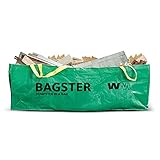
- Fee varies by market and is paid to Waste Management at time of collection
- On-demand debris or waste removal solution that is cost effective and convenient
- Dumpster In A Bag
- Holds Up To 3,300 LB Of Debris Or Waste
When there is no transfer station
Some collection systems haul directly to a nearby landfill, incinerator, composting site or MRF. Separate trucks may collect recyclables, food scraps, yard trimmings and general waste, while other communities use a combination of separate and mixed collection. The route is a local design choice; two towns can use different systems for the same material.
What happens to ordinary household waste
Mixed household waste
General household waste that is not collected as a separate recyclable or organics stream may go directly, or via a transfer station, to a disposal or treatment facility. Some systems extract materials before disposal, but a load described as “mixed waste” should not be assumed to receive detailed recycling.
Landfill disposal remains a major U.S. pathway. An EPA national overview reports more than 146 million tons of MSW—about 50 percent of the total in that overview—landfilled. The passage reporting those figures does not identify the underlying data year, so they should be read as a national estimate from that overview, not as a current prediction for your community.
Quick wins for a faster PC:
Repair Windows errors before they cause bigger problemsFix Now →Scan for outdated or missing drivers - takes under a minuteDriver Scan →Waste-to-energy and other treatment
Some residual waste is combusted in a facility that recovers useful energy. The same EPA overview reports nearly 35 million tons, or 11.8 percent, of U.S. MSW combusted with energy recovery; the data year is not stated in the reported passage. Energy recovery is different from recycling: the material is used as a fuel and is not returned as the same material to make a new product. Ash and other residuals still require management under applicable permits.
Rank #2

- [Effortless Cleanup for Large Projects] Handle renovation debris, roofing shingles, cabinets, branches, and yard waste without renting a dumpster. This heavy duty dumpster bag works like reliable construction bags heavy duty and contractor bags, keeping cleanup organized for projects too large for trash bins but not big enough for full dumpsters.
- [Built for Extreme Weight & Tough Debris] Confidently dispose of tiles, flooring, wood, and sharp debris using durable yard bags designed for demanding jobs. Made from tear resistant polypropylene woven fabric, these portable dumpster bags for pick up waste management support loads up to 3,500 lbs without ripping or splitting.
- [Alternative to Traditional Dumpster Rentals] Skip rigid rental timelines and extra hassles during junk removal projects. These reusable yard waste bags fold for easy storage and can be used across multiple renovations, landscaping jobs, or cleanouts, providing long-term value compared to single-use dumpster services.
- [Versatile for Renovation, Yard & Cleanouts] Ideal for kitchen and bathroom remodels, roofing jobs, tree removal, estate cleanouts, moving debris, and construction waste. These yard waste bags reusable in design function as trash dumpster bags heavy duty, making bulky or awkward items easier to load than standard trash bags.
- [Foldable Design with Easy Transport Handles] When the job is done, simply fold and store for future use. Strong handles support truck pickup and easier handling of heavy loads, making this reusable dumpster bag a reliable choice for ongoing cleanup and everyday use similar to contractor trash bags.
Where household recycling goes
Sorting at a materials recovery facility
Separately collected recyclables commonly go to an MRF or a comparable processing facility. A typical sequence is:
- Receiving and inspection: The load is tipped and checked for obvious contamination or unacceptable items.
- Separation: Screens, magnets, optical systems, air separation and manual quality checks divide paper, cardboard, metals, glass and plastic categories. The exact equipment varies by facility.
- Preparation: Sorted commodities are compacted or baled so they can be stored and transported efficiently.
- Shipment: Bales or other prepared materials are sold or sent to processors and manufacturers that can use them as feedstock for new products.
Sorting is not a guarantee that every object in the truck is recycled. A container may be too dirty, made from a material the facility does not accept, or mixed with incompatible items. Those objects become residue and may be landfilled, combusted or otherwise treated. Even a correctly sorted bale needs a buyer and a processor capable of using it; market conditions and material quality affect whether that next step occurs.
Why local acceptance lists matter
“Recyclable” is not a universal property of an object. It means that a particular collection and processing system accepts it and has a viable route for the resulting material. Check the local authority’s list for container types, caps, bags, cartons, polystyrene, textiles and other borderline items. Never place hazardous waste, medical sharps or liquids in a recycling cart unless the local program expressly allows them.
Recommended Free Tools
Food scraps and yard trimmings follow an organics route
Composting
Separately collected leaves, grass, branches and food scraps may be delivered to a composting facility. There, controlled biological conditions turn suitable organic material into a soil amendment. Programs differ on whether they accept meat, bones, compostable serviceware, fats, pet waste or large woody pieces, so the collection list determines what can enter the process.
Rank #3
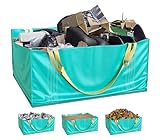
- [Effortless Cleanup for Large Projects] Handle renovation debris, roofing shingles, cabinets, branches, and yard waste without renting a dumpster. This heavy duty dumpster bag works like reliable construction bags and contractor bags, keeping cleanup organized for projects too large for trash bins but not big enough for full dumpsters.
- [Built for Extreme Weight & Tough Debris] Confidently dispose of tiles, flooring, wood, and sharp debris using durable yard bags designed for demanding jobs. Made from tear resistant polypropylene woven fabric, these portable dumpster bags for pick up waste management support loads up to 3,500 lbs without ripping or splitting.
- [Alternative to Traditional Dumpster Rentals] Skip rigid rental timelines and extra hassles during junk removal projects. These reusable yard waste bags fold for easy storage and can be used across multiple renovations, landscaping jobs, or cleanouts, providing long-term value compared to single-use dumpster services.
- [Versatile for Renovation, Yard & Cleanouts] Ideal for kitchen and bathroom remodels, roofing jobs, tree removal, estate cleanouts, moving debris, and construction waste. These yard waste bags reusable in design function as trash dumpster bags heavy duty, making bulky or awkward items easier to load than standard trash bags.
- [Foldable Design with Easy Transport Handles] When the job is done, simply fold and store for future use. Strong handles support truck pickup and easier handling of heavy loads, making this reusable dumpster bag a reliable choice for ongoing cleanup and everyday use similar to contractor trash bags.
Other food-management pathways
Composting is only one option. EPA’s national food-management pathways also include donation for people, animal feed, anaerobic digestion or co-digestion, land application and other forms of management. A food-scrap truck therefore does not automatically mean that every load becomes compost. Contamination, program design, available facilities and end uses determine the outcome.
Construction and demolition debris is a separate stream
What C&D debris includes
C&D material can include concrete, asphalt, brick, wood, drywall, roofing, soil, metals and other materials generated during construction, renovation, repair or demolition. EPA’s national accounting treats this stream separately from MSW because its composition, volumes, handling equipment and markets differ. State and local definitions, permits and acceptance rules can also differ.
Reuse and salvage come first when practical
Selective deconstruction can remove usable doors, fixtures, timber, brick, architectural elements and other components before a structure is demolished. Those items may be sold, donated or reused directly, avoiding the need to manufacture a replacement. Reuse is distinct from recycling because the component remains substantially in its original form.
Do these 3 things before closing this tab:
1Clear out junk files and repair common Windows errors2Scan for outdated or missing drivers - takes under a minute3Repair Windows errors before they cause bigger problemsReprocessing and recycling
Clean, separated C&D commodities can be processed into new products or construction inputs. Concrete and asphalt may be crushed into aggregate; metals can be recovered; clean wood may be processed into other wood products or fuel where permitted. The actual route depends on contamination, available equipment, specifications and a buyer for the output.
Rank #4

- YOUR OWN MANY-USE DUMPSTER . Dumpster bag fits big waste products such as old tiles, cabinets, kitchen sink, gardening waste, roofing shingles, leaves and other products and debris
- CHEAPER THEN A DUMPSTER. Much cheaper than having a dumpster dropped off at your house.
- GREAT FOR JUNK REMOVAL . Trash bag for house remodeling, gardening, landscaping, spring cleaning, other waste projects, and moving or transporting materials
- DURABLE . Made of Polypropylene woven fabric with handles for easy carrying , tear-resistant.
- BIG BAG - BIG VOLUME : 96 x 48 x 30 inches. Holds 3,500 lbs of waste and debris.Reusable and foldable, saves space when stored.
Disposal and energy recovery
Loads that are mixed, contaminated or not economical to process may go to a landfill or, where infrastructure and rules allow, to a waste-to-energy facility. EPA’s 2021 C&D end-of-life analysis uses landfill, recycling center and waste-to-energy facility as example pathways. That report describes potential routes and life-cycle inventory boundaries; it should not be read as a current national percentage for every C&D load.
Jurisdiction-specific rules: two examples
The New South Wales Environment Protection Authority (NSW EPA) states that approximately 75 percent of construction and demolition waste in New South Wales is diverted from landfill. The figure is specific to NSW, and the page updated in 2024 does not provide a separate measurement year in the reported passage. It identifies reuse or resale and reprocessing of materials such as concrete, bricks and timber. It is not a U.S. rate or a global average.
Illinois EPA guidance illustrates why local definitions matter. It distinguishes clean and general C&D debris and cautions that recycling must take place at an appropriate, compliant facility. A contractor cannot establish compliance merely by saying that a load was “diverted”; the receiving operation must be authorized for the material and activity.
Why the same material can have different outcomes
Contamination and condition
Food residue, liquids, dirt, asbestos, treated wood, paint, mixed plastics and other contaminants can reduce the value of a load or make it unacceptable. A clean, separated commodity is more likely to be recovered than the same material buried in a mixed load.
Best Value

- PROVEN QUALITY: Family-owned-and-operated, DURASACK has been a leader in the bag and packaging industry since 1876. Customers have trusted us to provide the highest quality bags for almost 150 years.
- HEAVY DUTY TRASH BAGS: Made from 100% woven polypropylene fabric, this heavy bag is tear resistant and can hold up to 2,200 lbs. of dry material
- CORNER LIFTING LOOPS: These contractor bags feature expertly sewn, reinforced lifting loops, making it easy to transport either by hand or with a forklift/hoist
- MULTI-USE: The Open Top and Flat Bottom design make these construction bags a versatile tool for both professionals and the everyday consumer. Great as construction trash bags, demolition, landscaping, hauling jobs, storm debris collection, portable dumpster jobs, and so much more
- LARGE CAPACITY: These polypropylene bags measure 35 x 35 x 40 inches with a volume of approximately 28 cubic feet
Markets and facility capacity
Recovered paper, plastic, metal, glass, aggregate and compost need processors and buyers. If a facility is full, a market closes, transportation becomes uneconomic or specifications cannot be met, material may be stored temporarily, redirected or disposed of. A collection label alone cannot establish the final fate.
Transport and contracts
Municipal contracts may specify a particular MRF, landfill, composting operator or transfer station, while private haulers may use different arrangements. Seasonal capacity, weather, construction cycles and temporary outages can change a route. The nearest facility is not always the receiving facility.
The waste hierarchy is a preference, not a promise
EPA’s hierarchy places source reduction and reuse above recycling and composting, followed by energy recovery, then treatment and disposal. It also warns that no single management approach suits every material or circumstance. A hierarchy helps compare options; it does not prove that a particular item followed the highest available level.
What “diversion” does and does not tell you
A diversion percentage normally means material did not go directly to a landfill under the program’s accounting method. It does not necessarily mean that every item was reused or turned into a new product. To evaluate a claimed diversion route, ask:
- Which materials and contamination levels were accepted?
- Where were the materials sorted or processed?
- Was there a documented end market or end use?
- What percentage or tonnage became rejects?
- Where did residuals and processing waste go?
- Which permit, contract or regulatory record covers the receiving facility?
Infrastructure determines what is possible
Collection rules can improve sorting, but recovery also requires trucks, transfer capacity, MRFs, composting sites, anaerobic digesters, reuse networks, reliable processors and compliant disposal capacity. In a 2024 assessment, EPA estimated that modernizing U.S. recycling infrastructure could require $36.5 billion to $43.4 billion in investment. That is an infrastructure-need estimate covering collection and processing, including MRFs, composting and anaerobic digestion; it is not a measure of the percentage of waste successfully recycled and not a bill assigned to an individual household.
How to find the destination of your own waste
For household garbage and recycling
- Look up your city, county or regional waste authority’s accepted-material list and collection contract.
- Ask the hauler whether your route is delivered directly or through a named transfer station.
- Request the name and location of the MRF, composting site, landfill or energy-recovery facility used for your service area.
- For recycling, ask what materials are sold to processors, how rejects are handled and whether the information is current for your contract year.
- For food scraps or yard trimmings, confirm the accepted items and whether the destination composts, digests, land-applies or otherwise manages the material.
For renovation or demolition waste
- Before work begins, ask the contractor or hauler for a written plan identifying the facilities that will receive each major material.
- Separate salvageable fixtures, metals, clean wood, concrete, asphalt, drywall and soil where site conditions and local rules allow.
- Ask whether the load will be sorted at the job site, at a transfer station or at a C&D processing facility.
- Confirm that the receiving facility is permitted and accepts the specific material, especially asbestos-containing material, treated wood, paint, contaminated soil and other regulated items.
- Keep weight tickets, receipts or facility reports if you need to document reuse, recycling, disposal or regulatory compliance.
A practical decision guide
| Material or load | Likely first route | Possible final pathways | What changes the result |
|---|---|---|---|
| Mixed household waste | Direct haul or transfer station | Landfill, energy recovery or other treatment | Local contract, facility capacity and any pre-disposal sorting |
| Separated household recyclables | MRF or similar sorting facility | Material processor and manufacturer; rejects to disposal or treatment | Material quality, contamination and market demand |
| Food scraps and yard trimmings | Organics collection and processing site | Compost, anaerobic digestion, animal feed, donation, land application or other management | Accepted items, contamination and local infrastructure |
| Clean C&D materials | Salvage yard, processor or C&D facility | Reuse, reprocessing or recycling | Separation, specifications, permits and buyers |
| Mixed or contaminated C&D debris | Transfer station or disposal facility | Landfill, energy recovery or limited material recovery | Hazardous content, composition, local rules and facility capability |
The most reliable answer is local
National descriptions explain the major routes but cannot identify the destination of a particular household bin or renovation truck. Check the local authority’s current accepted-material list and any published destination information. For construction work, ask the contractor or hauler where each load will go, whether it will be sorted, which materials will be reused or recycled and which facility will receive the residuals. Those records—not the appearance of the collection truck or a broad “diversion” label—are the soundest evidence of what happened after collection.
Quick Recap
Product prices and availability are accurate as of the date/time indicated and are subject to change. Any price and availability information displayed on Amazon at the time of purchase will apply.
What’s actually slowing this PC down?
Pick the symptom - the matching free tool is one click away.

