Free tools Windows power users keep installed
One-click scans. No signup required.
Some links on this page are affiliate links: if you buy through them we may earn a commission, at no extra cost to you.
The best countertop for white cabinets depends on the white itself, the mood you want, and how much maintenance you will accept. White or softly veined surfaces create a bright, continuous kitchen; cream, beige, and wood add warmth; charcoal, black, slate, soapstone, or deep green create contrast; and expressive marble or porcelain can serve as the focal point.
Start by identifying whether your cabinets read cool and bright or warm and creamy. Then compare countertop samples beside the actual cabinet door, flooring, backsplash, hardware, and kitchen lighting. For natural stone, inspect the full slab before fabrication because a small sample cannot show the complete pattern or movement.
As an Amazon Associate I earn from qualifying purchases.
What’s actually slowing this PC down?
Pick the symptom - the matching free tool is one click away.
The four countertop directions that work with white cabinets
White cabinetry is a neutral starting point, not a complete color scheme. Countertops occupy a large visual area and determine whether the room feels seamless, warm, high-contrast, or dramatic. These four directions cover most successful combinations.
| Desired effect | Countertop direction | Questions to answer before choosing |
|---|---|---|
| Calm, bright, and visually expansive | White quartz, white quartzite, or light stone with soft gray veining | Does the countertop white harmonize with the cabinet white? Does the veining add enough definition to prevent a flat appearance? |
| Warm and welcoming | Cream or beige stone, warm veining, or wood/butcher block, often concentrated on an island | Does the warmth work with the cabinet undertone and flooring? Are you prepared for recurring wood care if you choose butcher block? |
| Strong definition | Dark granite, charcoal or gray quartz, slate, soapstone, or dark green stone | Will the contrast be balanced by the backsplash, floor, hardware, and available light? |
| Statement surface | Dramatically veined natural stone, colored marble, or patterned porcelain | Will the pattern read well across the full slab, seams, and any waterfall edge? Can the surrounding finishes remain restrained? |
These are design directions rather than a product ranking. The right choice changes with cabinet undertone, pattern scale, surrounding finishes, material preference, and maintenance tolerance.
Popular on Amazon

- 3 simple steps that will transform Formica, laminate, Corian, ceramic tile, butcher block, cultured marble, and traditional granite in a single weekend.
- Authentic granite finish offered in 5 contemporary colors, that cover 35 sq. ft. or 16 running ft. of 24 in. wide countertops.
- 100% Acrylic formula - Low odor, low VOC, water-based, durable, high-gloss, food safe topcoat that lasts for years.
- Simple sponge on and roll on application that is customizable to the look of your space. Step by step detailed instructions.
- All Giani Paints and Coatings are 100% Manufactured and Packaged in the USA.
Match the countertop undertone to the cabinet white
The word “white” covers many paint and laminate colors. Two surfaces can both be labeled white yet clash because one has a blue or gray cast and the other has yellow, beige, or pink warmth. Undertone is usually more important than trying to match the name of the color.
Cool, bright cabinet whites
Cabinets that look crisp, almost blue-white, generally sit naturally beside cool whites, pale gray, and restrained gray veining. A white engineered quartz with a controlled pattern can make the cabinetry and worktops read as one clean plane. If every surface is equally plain, introduce a subtle vein, a honed texture, or a contrasting backsplash so the kitchen does not feel visually empty.
Do these 3 things before closing this tab:
1Fix the driver behind crashes, sound loss and screen glitches2Clear out junk files and repair common Windows errors3Scan for outdated or missing drivers - takes under a minuteWarm, creamy cabinet whites
Cabinets with an ivory, cream, or soft beige cast usually look more intentional with warm white, cream, beige, taupe, or stone carrying golden or brown notes. Warm wood on an island can reinforce that connection to the floor and furnishings. Pairing a creamy cabinet with an icy blue-white counter can make the cabinet appear yellow or the counter appear stark.
How to identify the undertone in your room
- View a cabinet door beside a true white sheet of paper in daylight and in the kitchen’s evening lighting. Note whether the door appears blue-gray, neutral, yellow, beige, or pink.
- Place two or three countertop samples directly against the door rather than holding them several feet away. Look at the junction where the two surfaces meet.
- Repeat the comparison beside the floor and backsplash. A floor with red or yellow warmth can make a seemingly neutral counter look cooler, while a blue-gray backsplash can exaggerate warmth in the cabinets.
- Check the samples at morning, midday, and night. North-facing, shaded, and LED-lit rooms can shift the apparent color substantially.
GA Granite’s cabinet-matching guide recommends bringing a cabinet and flooring reference when comparing colors. This simple step is more reliable than choosing from a showroom photo or a tiny online chip.
White-on-white: the controlled, luminous option
White quartz is a dependable route to a seamless white-on-white kitchen. Engineered stone offers a more consistent base color and pattern than many natural slabs, so the cabinet and countertop can align without unexpected patches of movement. Homes & Gardens quotes designer Jayne Everett describing engineered quartz as a favorite pairing for a seamless white-on-white scheme.
White quartzite or a pale natural stone with soft gray veining provides a similar light effect with more visible natural variation. The variation is part of the appeal, but it means you should select from the actual slab. A subtle vein can define the edge of an island, frame a sink, or connect the countertop to a gray or greige backsplash without overpowering the room.
When white-on-white succeeds
- The cabinet and counter whites share a compatible undertone.
- Veining or surface texture gives the eye enough variation to distinguish planes.
- Hardware, lighting, flooring, or a restrained backsplash supplies a small amount of contrast.
- You are comfortable following the selected product’s cleaning and heat-care instructions.
When to choose a different direction
If the kitchen already has several pale, low-contrast finishes and feels cold or washed out, a warm island, darker perimeter counter, or more expressive slab may provide better balance. White-on-white is deliberate; it should not be the default simply because the cabinets are white.
Warm stone and wood for a more inviting kitchen
Cream, beige, and warm-veined stone
Cream and beige counters soften bright cabinetry and can bridge white doors to warm floors, brass hardware, or natural wood furniture. Look for a stone whose warmth repeats an existing finish rather than introducing an unrelated yellow patch. Warm veining can be quiet and tonal or pronounced enough to become the room’s decorative feature.
Butcher block and other wood counters
Wood adds tactile grain and a visual temperature that stone cannot duplicate. A butcher-block island is a practical way to warm an otherwise pale kitchen while keeping the perimeter counters light. It also creates a clear work zone when the island is the room’s social center.
Also popular on Amazon
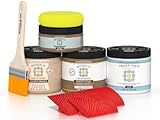
- REAL WOOD COUNTERTOPS - Works over Formica, granite, quarts, wood or any other solid countertop. Get the beautiful wood countertops of your dreams in just a few easy steps.
- AUTHENTIC WOOD FINISH -Go Beyond Faux with our patented liquid wood technology. It looks and feels like wood because it contains over 60% recycled wood fibers. Transform any hard surface into stunning wood with Retique It! Get the warm, natural look of wood on any surface without the cost and hassle of traditional woodwork.
- STAINABLE & SUSTAINABLE - Retique It is hassle-free way to get that perfect wood finish without any fuss! With its eco-friendly, water-based formula, there are zero VOCs and no offensive odors, making it easy to use even in confined spaces. When you're finished, clean-up is a breeze with just soap and water!
- NO STRIPPING REQUIRED - No need to sand or strip off old finishes or surfaces - just apply it right over any painted or finished surface. Our wood-based primers and stains let you add a layer of actual wood to virtually any hard surface.
- DURABLE FINISH - Each Countertop Kit includes Tripletique Waterbased Epoxy Alternative Topcoat for great durability.
Wood is not maintenance-free. The Home Depot’s kitchen-countertop guidance recommends applying food-safe oil every few weeks to prevent butcher block from drying. Spills should be handled promptly, and the product’s own instructions should determine the appropriate oil, finish, and cleaning method. Choose wood only if that recurring care fits your routine.
Dark counters for definition and contrast
Dark granite, charcoal or gray quartz, slate, soapstone, and deep green stone all create a deliberate counterpoint to white cabinets. The contrast can anchor a large island, emphasize a white perimeter, or give a small kitchen a graphic, architectural quality.
How to keep dark counters from feeling heavy
- Repeat one dark note in hardware, light fixtures, window frames, or a restrained backsplash.
- Use the room’s natural and artificial lighting to check that the counter does not disappear into shadow.
- Balance a dark island with lighter flooring or a backsplash that reflects some light.
- Inspect the slab for veining, flecks, and sheen; a nearly black surface reads differently from a charcoal surface with movement.
Gray is often easier to integrate than pure black because it offers contrast without creating the sharpest possible boundary. Soapstone and slate can bring a softer, earthy character, while dark green stone adds color without competing with the white cabinetry’s neutrality.
Statement marble and porcelain
Dramatic marble and other natural veining
Bold marble can become the focal point of an otherwise simple kitchen. Large-scale gray, gold, or colored veins are most effective when the cabinets and hardware remain quiet enough for the slab to lead. Marble is porous and can stain; acidic foods such as lemon juice and vinegar can etch the surface. Wipe spills promptly and follow the fabricator’s sealing schedule.
Porcelain for pattern continuity
Patterned porcelain can deliver a dramatic look with more controlled repeat than many natural stones. Designer Mor Krisher of Caesarstone told Homes & Gardens that porcelain can provide continuity at a waterfall edge, making the surface appear like one piece. That effect depends on the specific product, fabrication method, and pattern alignment, so confirm the slab layout with the fabricator before ordering.
A retailer guide describes porcelain as highly resistant to many spills, stains, and scratches, but performance still varies by product. Confirm the manufacturer’s specifications for heat, impact, edge fabrication, and cleaning rather than assuming every porcelain surface behaves identically.
Material comparison: appearance, variation, and care
| Material | Why it pairs with white cabinets | Variation and design notes | Care and limitations |
|---|---|---|---|
| Quartz / engineered stone | Controlled color and pattern make white-on-white or gray contrast predictable. | Pattern is generally more consistent than natural stone; honed finishes can be quieter visually. | The cited design guidance describes quartz as stain resistant and not requiring sealing. Avoid harsh or abrasive cleaners. Heat performance and warranty terms vary by product, so follow the current manufacturer instructions. |
| Marble | Distinctive veining can supply a focal point against simple white doors. | Each slab has different movement; view the full slab and plan seams around focal areas. | Porous and vulnerable to staining and acid etching. Wipe lemon juice, vinegar, wine, and similar spills promptly; follow sealing guidance. |
| Granite | Available in light, dark, and multicolored choices, including strong contrast. | Natural slabs vary in flecks, movement, and background color. | Sealing and maintenance depend on the stone. Inspect the actual slab and obtain the fabricator’s care instructions. |
| Quartzite | Light quartzite can support a bright scheme while natural movement adds depth. | Slabs vary substantially; the full pattern may not be visible in a small sample. | The cited retailer guidance recommends sealing quartzite for stain resistance. Confirm the requirements for the specific variety. |
| Porcelain | Can carry a printed pattern across a waterfall edge with a continuous appearance. | Pattern direction and bookmatching must be planned before cutting. | Often highly resistant to spills, many stains, and scratches, but product specifications govern actual performance. |
| Butcher block / wood | Grain and warmth soften white cabinetry and define an island. | Natural grain, knots, and color changes are part of the look. | Requires recurring food-safe oil; The Home Depot recommends every few weeks to prevent drying. Protect from standing water and follow the finish maker’s instructions. |
| Laminate | Offers many colors and patterns at a budget-oriented price point. | Printed designs provide predictable appearance without natural-slab variation. | The Home Depot describes laminate as lightweight and easy to install, with moderate stain and scratch resistance. Protect seams and edges from moisture and impact. |
How to compare samples and select the actual slab
A sample is useful for undertone and basic color, but it cannot answer every fabrication or pattern question. Use this process before you approve a countertop.
- Set the design goal. Decide whether you want seamless light, warmth, contrast, or a statement surface. This prevents attractive samples from pulling the project in conflicting directions.
- Bring real references. Take a cabinet door, flooring sample or photograph, backsplash sample, and hardware finish to the showroom. Compare them together rather than one at a time.
- View under actual lighting. Ask to see the sample in lighting similar to your kitchen. If possible, take it home and place it beside the cabinets during day and evening.
- Inspect the full natural slab. GA Granite notes that natural stone varies and recommends viewing the complete slab. Check the areas that will become the island front, sink run, backsplash return, and waterfall edge.
- Mark focal features. Ask the fabricator to show where seams, sink cutouts, cooktop cutouts, and outlets will fall. A dramatic vein can be centered, lost in a cutout, or interrupted by a seam.
- Confirm edge and finish. A polished edge reflects more light; honed or leathered finishes produce a softer look. Verify that the chosen finish is available for the material and that it suits fingerprints, water marks, and daily use.
- Read the current care sheet. Confirm sealing, cleaning products, heat precautions, stain treatment, and warranty exclusions for the exact slab or product before signing off.
Coordinate the countertop with backsplash, floor, and hardware
White cabinets make surrounding finishes unusually visible. Treat the countertop as part of a group rather than an isolated color decision.
With a patterned backsplash
If the backsplash has strong movement, choose a quieter countertop so the two patterns do not compete. A soft white, gray, or solid charcoal counter can let the backsplash carry the detail. If the countertop is the dramatic element, use a simple backsplash with limited grout contrast.
Quick wins for a faster PC:
Scan for outdated or missing drivers - takes under a minuteDriver Scan →Repair Windows errors before they cause bigger problemsFix Now →Also popular on Amazon

- Long-lasting & Affordable - Low VOC and odor, this Long-lasting high gloss acrylic paint and topcoat are heat and stain resistant which can against everyday use. TIP: WAIT 5 TO 7 DAYS UNTIL THE PAINT HAS COMPLETELY HARDENED BEFORE USING THE FURNITURE
- Fantastic DIY Project - Easy to use with step-by-step instructions, upgrade and paint your countertop with a gloss finish to similate the look of granite
- Cover 38 square feet (16 linear feet of standard 24” wide counter) for ceramic tile, laminate, corian, butcher block, and traditional granite
- Using Tips: ①Ensure that the surface of the object is free of dust and keep the surface clean and dry. ②Due to transportation and weather conditions, there may be layering of the paint, please mix the countertop paint evenly and then you can use it normally. ③If your countertop has damage such as holes, scratches, please repair it before using this product
- Construction Kit: Countertop Paint comes with a complete set of painting tools, including GLAINTE Countertop Paint, a paint roller, and a sponge. NOTE: PAINT TRAY NOT INCLUDED! Whether you are an experienced DIY enthusiast or a novice, this all-in-one kit will make your painting project a breeze. It helps you achieve a professional finish while keeping your expenses under control
With wood flooring
Wood floors can support cream stone or a wood island, but match the temperature rather than trying to duplicate the floor exactly. A counter that is slightly warmer or cooler can look intentional; two nearly identical but mismatched wood tones can look accidental.
With metal hardware
Hardware does not need to match a countertop literally. Warm brass or bronze can reinforce cream stone and wood, while stainless or chrome can support cool white and gray. Dark hardware can echo charcoal, slate, or soapstone and make a high-contrast scheme feel connected.
Independent reader supportYour contribution helps us test, update, and keep practical guides available for everyone.Waterfall edges, seams, and slab layout
A waterfall edge turns the countertop into a vertical architectural surface, so pattern direction matters more than it does on a standard horizontal run. Porcelain can offer particularly consistent visual continuity, while natural marble, granite, and quartzite require careful slab mapping and may not align perfectly across a corner.
Ask for a slab layout drawing before fabrication. It should show the direction of veining, intended bookmatch, sink and cooktop cutouts, seams, overhangs, and the visible waterfall face. A beautiful slab can look disappointing if its strongest vein disappears under a sink or lands at an awkward seam.
The Tool Desk
Outbyte Driver Updater FREEScan for outdated or missing drivers - takes under a minuteDriver Scan →Outbyte PC Repair FREEClear out junk files and repair common Windows errorsFree Scan →Common mistakes and how to correct them
Choosing by a small showroom chip
Problem: The installed counter has more movement, darker patches, or a different overall balance than expected.
Correction: Review the full slab for natural stone and request a layout showing the pieces that will be fabricated.
Matching “white” without checking undertone
Problem: The cabinets look yellow beside a blue-white counter, or the counter looks dingy beside warm doors.
Correction: Compare the cabinet door and counter directly in the room’s lighting, then choose a surface with a compatible temperature.
Adding too many competing patterns
Problem: Veined stone, a busy backsplash, patterned flooring, and ornate hardware create visual noise.
Also popular on Amazon
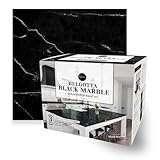
- Each kit comes with an extra-durable, high-gloss, crystal clear Epoxy Resin Topcoat that finishes and protects the application against the everyday use of your countertops
- Giani Countertop Paint is a simple, three-step application that will transform Formica, laminate, Corian, ceramic tile, butcher block, cultured marble, and traditional granite in a single weekend
- Belgotta Black Marble is an authentic and budget friendly alternative to stone countertops; It is safe for interior use, very low odor, and low VOC
- The specialized primer hides existing discoloration, burns, stains, and minor scratches, while the white vein spray creates the characteristic look of black marble
Correction: Decide which surface is the focal point and simplify at least one of the other major planes.
Ignoring maintenance until after installation
Problem: Marble etches, wood dries, or a finish shows marks that the household is not prepared to manage.
Correction: Compare sealing, oiling, cleaning, and heat requirements before committing, and keep the product’s care sheet with the kitchen records.
Recommended Free Tools
Assuming every slab in a material performs identically
Problem: A general statement about quartzite, porcelain, granite, or quartz does not match the selected product.
Correction: Verify specifications and warranty conditions for the exact variety, finish, thickness, and fabrication method.
Practical pairings for common kitchen situations
Small kitchen that needs visual space
Use a light counter close in temperature to the cabinets, with subtle gray movement rather than a high-contrast pattern. A continuous backsplash or restrained grout can extend the effect. Add warmth through wood accessories or a carefully selected island finish instead of making every surface dark.
Open-plan kitchen that feels too cool
Choose cream or beige stone, warm veining, or a wood island that relates to the adjoining living area. Check the counter beside the floor and furniture because open-plan lighting often changes from one zone to another.
Large kitchen needing a visual anchor
A charcoal, soapstone, dark granite, or deep green slab can ground a large island. Keep the backsplash and decorative finishes controlled so the contrast reads as intentional rather than fragmented.
Kitchen centered on a dramatic island
Use a full-slab marble or patterned porcelain as the feature and keep perimeter counters, backsplash, and hardware quieter. Confirm slab layout and waterfall-edge continuity before fabrication.
A final selection checklist
- Have you identified whether the cabinet white is cool, neutral, or warm?
- Does the countertop work beside the actual floor, backsplash, and hardware?
- Have you checked the sample in the kitchen’s daylight and evening lighting?
- If the material is natural stone, have you inspected the complete slab?
- Are seams, cutouts, veins, and waterfall faces shown on a fabrication layout?
- Do the cleaning, sealing, oiling, and heat requirements fit your household?
- Have you confirmed current care instructions and warranty terms for the exact product?
White cabinets can support nearly any countertop direction, but the strongest result comes from making the relationship deliberate: align undertones, choose the amount of contrast, control pattern scale, and judge the actual slab in the actual room. That process matters more than a universal list of “best” colors.
Quick Recap
Product prices and availability are accurate as of the date/time indicated and are subject to change. Any price and availability information displayed on Amazon at the time of purchase will apply.

