Quick wins for a faster PC:
Clear out junk files and repair common Windows errorsFree Scan →Scan for outdated or missing drivers - takes under a minuteDriver Scan →Companion planting works best as intentional intercropping—not as a universal list of plants that magically protect one another. Use the chart below to match crops that can share vertical or horizontal space, mature at different times, provide support, improve pollinator habitat, or help you monitor pests. Then adjust the pairing for your climate, soil, irrigation, mature plant size, and crop-rotation plan.
Some relationships have a clear physical purpose, such as pole beans using corn or a trellis for support. Others, especially claims that a particular flower repels every common pest, have limited or contradictory garden-scale evidence. A thriving vegetable garden depends on the whole system: adequate spacing, healthy soil, reliable water, crop rotation, pest scouting, and realistic expectations.
As an Amazon Associate I earn from qualifying purchases.
Companion planting chart
Use the primary reason column to choose a pairing based on an actual goal. “Evidence strength” describes how confidently the relationship can be used for that purpose; it does not mean that every garden will produce the same result.
| Main crop | Useful partner or arrangement | Primary reason | Evidence strength | Important caution |
|---|---|---|---|---|
| Corn | Pole beans, with squash given separate ground space | Vertical support and layered use of space; squash can shade soil | Context-dependent physical arrangement | Corn must be tall and vigorous enough to support beans. The combination needs substantial room, and crowding can reduce yields. |
| Brassicas such as cabbage, collards, kale, and broccoli | Calendula, alyssum, cilantro, dill, or another flowering insectary plant | Habitat and food for beneficial insects | Better support for habitat than for universal pest control | Calendula has documented aphid-related evidence on collards, but no flower should be presented as a guaranteed cabbage-pest repellent. |
| Greens and lettuce | Cilantro or dill allowed to flower | Nectar and habitat for aphid predators and parasitoids | Useful habitat function; exact pest results vary | Flowering herbs may compete for light, occupy more space, or reseed. Leave room for airflow and harvest access. |
| Carrots | Tomatoes, when timing and spacing allow | Possible shade for heat-sensitive carrots | Layout- and climate-dependent | Tomato roots and foliage can crowd or shade carrots excessively. Do not use the pairing without adequate separation. |
| Radishes | Carrots or tomatoes as an early or relay crop | Different harvest timing improves space efficiency | Practical succession strategy | Harvest the radishes before the slower, larger crop becomes dominant. |
| Cucumbers and squash | Flowering herbs or flowers nearby | Pollinator habitat for crops that depend heavily on insect pollination | Strong rationale for habitat; not a yield guarantee | Vining crops need dedicated trellis or ground space and can shade or smother neighboring plants. |
| Tomatoes | Early radishes or low-growing herbs, subject to spacing | Combines early-season or low-level space with a later, taller crop | Timing- and spacing-dependent | A dense tomato canopy can reduce airflow and increase disease pressure. Follow crop-rotation practices. |
| Beans | Corn, a trellis, or selected cool-season crops | Vertical structure or complementary use of space | Physical support is clear; nitrogen benefit is slow and conditional | Beans do not instantly transfer fertilizer nitrogen to neighboring plants. Nitrogen benefits depend on roots, residues, decomposition, soil conditions, and timing. |
| Brassicas | Arugula, mustard, rapeseed, or napa cabbage as a monitored trap crop | Potentially attracts flea beetles away from the primary crop | Potential pest-management strategy | A trap crop must be inspected and managed. If ignored, it can become a reservoir for the pest. |
How to read the chart: “Partner” does not necessarily mean the plants should be packed into the same row. In some cases, the best arrangement is a nearby flower strip, a separate trellis, or an early crop that is removed before the main crop reaches full size.
#1 Best Overall

- Set includes 43 lightly assorted Vegetable and Herb seeds!
- All Seeds are Heirloom, 100% Non-GMO!
- High Germination Rate within 7-14 days
- Great way to stock up for the next planting season! Includes Freedom Farms Vegetable Set Mylar Bag for Optimal Seed Packet Storage!
- Wonderfully producing plants - Current stock will last for years when stored in a dry - cool place!
What companion planting can realistically do
Companion planting is the practice of placing two or more crops—or useful non-crop plants—together because they may share space efficiently, provide physical support, alter the habitat, attract beneficial organisms, or help manage pests. Those are different mechanisms, and they should not be collapsed into the vague promise that one plant “helps” another.
1. Coordinate space and harvest timing
The most dependable reason to combine crops is often logistical rather than chemical. A quick crop can occupy space while a slower crop is getting established. Radishes and carrots can share an area because radishes mature sooner, while radish foliage and carrot roots use space differently. Radishes can also precede tomatoes as an early-season crop.
Oregon State University Extension uses this type of timing and space-sharing example while warning that a vigorous crop must not suppress a smaller one. Plan around the mature size of the plants, not the size of the seedlings at planting time.
What’s actually slowing this PC down?
Pick the symptom - the matching free tool is one click away.
- Harvest radishes promptly so they do not compete with the slower crop.
- Keep tomato foliage from covering young carrots or lettuce.
- Use the north side of a bed for tall crops where possible, so they cast less shade on shorter sun-loving crops.
- Leave access paths or stepping spaces so watering, scouting, and harvesting do not require walking through the planting.
2. Use support and layers deliberately
The classic Three Sisters arrangement combines corn, beans, and squash: corn provides a living support, beans climb, and squash spreads across the soil surface. The arrangement illustrates three useful design principles—vertical use of space, a climbing crop, and low ground cover.
Rank #2

- Gardening Kit: 55 Most Popular Vegetable Seeds Variety Pack NON GMO Heirloom Seeds LESS THAN $0.70 PER SEED VARIETY PACK 35,600+ seeds including: Artichoke, Arugula, Bean, Beet, Bok Choy, Broccoli, Brussel Sprouts, Cabbage, Carrot, Cauliflower, Celery, Collard, Corn, Cucumber, Curled Cress, Eggplant, Endive, Kale, Kohlrabi, Lettuce, Mache Corn Salad, Okra, Leek, Scallion, Onion Parsnip, Pea, Pepper , Pumpkin, Radish, Rapini, Spinach, Squash, Sunflower, Swiss Chard, Tomatoes, Turnip, Zucchini.
- Enhanced Gardening Experience: Our seeds for planting outdoor and indoor garden come in a waterproof resealable bag with 55 individual craft seed packets inside. Enjoy planting home garden with mini gardening supplies including leaf clipper, tweezers, seed dibber tool, weeding fork, and widger tool. Scan the QR codes on the seed packets to access online gardener basic growing guide and culinary book. Learn about vegetable gardening, discover everyday recipes to make the most of your harvest.
- Garden Success Assured: Whether you have an indoor hydroponic garden or an outdoor vegetable patch, our seeds are perfect for any setting. With a superior germination rate proven through various tests, enjoy fresh vegetables growing food all year round. Enjoy the satisfaction of growing seeds on your own garden, knowing that our high-quality seeds for planting vegetables guarantee abundant harvest and delicious meals for you and your family.
- Quality You Can Trust: Proudly made in the USA by a Small Family-Owned Business, our seeds for planting vegetables undergo rigorous testing with a 90%+ germination rate. Sealed to last for up to 2 years, you can trust the freshness and viability of our seeds.
It is not, however, a guaranteed high-yield formula. University of Minnesota Extension describes the support, nitrogen-fixation, and soil-shading logic, while Washington State University’s research review cautions that popular claims about productivity and improved soil quality are not strongly established for every home-garden situation. Climate, variety, planting density, and available space all matter. The system also has cultural importance, which should not be reduced to a simplistic productivity trick.
For a home garden, separate the functions if that produces a better layout. Give pole beans a sturdy trellis or other support designed for the weight of mature vines. Corn must be tall and vigorous enough to support the beans; weak or widely spaced corn may not be. Squash needs substantial horizontal room and can overwhelm smaller plants. In a small bed, a strong trellis for the beans and a designated area for squash may work better than densely planting all three crops in one mound.
If you are buying support, compare a garden trellis for pole beans by its mature load capacity, height, anchoring method, and ease of reaching the crop—not just by the number of plants it claims to hold. Cucumbers, peas, and some indeterminate tomatoes also need support selected for their final weight and growth habit.
Free tools Windows power users keep installed
One-click scans. No signup required.
3. Provide habitat for pollinators and beneficial insects
Flowering plants are among the more defensible companion-planting choices, but their benefit comes from habitat. A plant that has not flowered cannot provide the same pollen and nectar resources as a plant in bloom.
Penn State Extension reports documented roles for calendula, cilantro, dill, fennel, rosemary, oregano, basil, and thyme. Calendula has been shown to deter aphids on collards in a documented setting; cilantro, dill, and fennel can encourage aphid-eating beneficial insects; and flowering rosemary, oregano, basil, and thyme can attract sweat bees. These findings support specific possibilities, not a universal guarantee that the plants will eliminate pests.
Rank #3
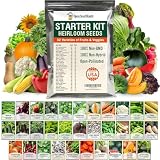
- COMPLETE VEGETABLE GARDEN VARIETY PACK – Grow a thriving home garden with 32 popular vegetable seeds including Bean, Beet, Bell Pepper, Broccoli, Brussels Sprout, Cabbage, Cantaloupe, Carrot, Cauliflower, Celery, Corn, Cucumber, Eggplant, Kale, Lettuce (3 types), Lima Bean, Okra, Onion, Pea, Parsnip, Pumpkin, Radish, Spinach, Sunflower, Swiss Chard, Tomato, Turnip, Watermelon, Zucchini. A diverse mix perfect for fresh meals, backyard gardens, and sustainable growing.
- PREMIUM HEIRLOOM SEEDS – Our carefully selected heirloom seeds are chosen for reliability, strong germination, and adaptability, making them ideal for beginner gardeners, experienced growers, homesteads, and small farms.
- GROW A SELF-SUFFICIENT GARDEN – Enjoy a wide range of vegetables from crisp greens and root crops to flavorful fruits and hearty garden staples. Perfect for fresh ingredients for salads, soups, and home-cooked meals straight from your garden. Each pack includes an easy-to-follow growing guide to ensure success for every gardener.
- INDIVIDUALLY PACKED FOR FRESHNESS – Each seed variety comes in its own resealable, waterproof packet designed for long-term storage, easy organization, and protection from moisture to keep seeds fresh until planting time.
- GIFTABLE GARDENING SET – Thoughtfully packaged and ready to share, this vegetable seed collection makes a perfect gift for gardeners, homesteaders, beginners, or anyone who loves growing their own food.
Illinois Extension, USDA materials, and NRCS guidance likewise emphasize diverse flowering plantings, reduced pesticide exposure, and insectary plantings as part of nonchemical pest management. A flowering border can support pollinators and natural enemies, but it cannot compensate for severe overcrowding, poor watering, diseased transplants, or a pest outbreak that is not being monitored.
- Tomatoes or peppers with flowering basil: once basil blooms, it can contribute to pollinator and beneficial-insect habitat. Do not promise that basil will control tomato pests.
- Brassicas with calendula or alyssum: these can add habitat around cabbage-family crops. Treat the pest-management effect as evidence-dependent, not automatic.
- Lettuce or other greens with flowering cilantro or dill: the flowers may support aphid predators and parasitoids. Keep the herbs from shading the greens.
- Cucumbers and squash with flowering plants: nearby blooms can support pollinators, which are especially important because cucurbits depend heavily on insect pollination for fruit production.
Choose flowers that bloom during the period your vegetables need pollination or pest-natural-enemy support. Avoid routine broad-spectrum pesticide use around the planting if the goal is to protect beneficial insects. Also check whether the herb will bolt, reseed, or become difficult to remove before placing it in a small bed.
Recommended Free Tools
Gardeners who want to add this type of habitat can look for calendula seeds for vegetable garden use, along with suitable dill, cilantro, alyssum, basil, thyme, oregano, or other locally adapted flowering plants. Seeds are a way to establish habitat; they are not guaranteed pest-control products.
4. Distinguish repelling, trapping, and supporting natural enemies
These three ideas are often confused:
- Repelling: a plant or its chemical cues supposedly discourage a pest from approaching. Broad claims of this kind are often the least reliable part of popular charts.
- Trap cropping: a pest is attracted to a sacrificial crop instead of—or before—it reaches the main crop.
- Beneficial-insect support: flowers and habitat provide food or shelter for predators and parasitoids that may help suppress pests.
University of Minnesota Extension identifies arugula, mustard, rapeseed, and napa cabbage as potential trap crops for flea beetles. It also reports that more diverse plant compositions can reduce flea-beetle damage more effectively than relying on a single trap crop. This is a more carefully defined strategy than saying marigolds repel every insect.
A trap crop is not “set and forget.” Inspect it frequently, especially when flea beetles or other target pests are active. Decide in advance how you will respond if it becomes heavily infested: remove or replace affected plants where appropriate, use physical protection on the main crop, or follow locally appropriate integrated pest-management guidance. An unmanaged trap crop can become a pest nursery rather than a protective buffer.
Rank #4

- Includes 30 Different Varieties! 30 Packs of Seeds!
- High Germination Rate within 7-14 days
- All Seeds are Heirloom, 100% Non-GMO (Non Genetically Engineered)
- Create a Deluxe Vegetable Garden
- All seeds are dated Sell By December of the year you are purchasing them in but if kept in a cool dry place seeds typically stay viable for years
What not to promise from a companion chart
Many familiar pairings appear in gardening books and online lists, but popularity is not the same as evidence. University of Minnesota Extension notes that numerous insect-repelling companion claims lack research support and may even conflict with one another. Illinois Extension similarly points out that garden-scale evidence is limited and that plant, pest, soil, disease, and weed interactions are complex.
Do not promise that:
- marigolds universally repel pests;
- every herb improves the flavor, health, or yield of its neighbor;
- one pairing works equally well in every climate, soil, garden size, or season;
- a flower near a vegetable will automatically control an infestation;
- the Three Sisters arrangement guarantees high productivity; or
- beans or peas provide an instant dose of usable nitrogen to neighboring plants.
Legumes fix atmospheric nitrogen through relationships with root-associated microbes. Meaningful nitrogen availability to another crop generally depends on plant residues, decomposition, soil conditions, and timing. Oregon State Extension notes that legumes can contribute nitrogen over time when their roots or plant material remain and decompose in the soil. A living bean plant is not the same thing as immediately available fertilizer for a neighboring tomato or corn plant.
For readers who want a durable reference beyond a single chart, a science-based companion planting guide can be useful—provided it is treated as a source of ideas to test rather than proof that every listed combination works everywhere. Compare the reasoning behind each recommendation and keep local growing conditions in view.
How to use the chart when planning a bed
- Choose the main crop and the actual goal. Decide whether you need space efficiency, a support structure, pollinator habitat, beneficial insects, shade, succession planting, or a monitored trap crop. A single bed can have more than one goal, but naming the priority prevents random overcrowding.
- Check the crop family. Tomatoes, peppers, eggplant, and potatoes are in the Solanaceae. Broccoli, cabbage, kale, radishes, and turnips are in the Brassicaceae. Cucumbers, melons, pumpkins, squash, and watermelon are in the Cucurbitaceae. Family information helps you avoid repeatedly planting disease-susceptible crops in the same place. Companion compatibility and crop rotation are separate planning questions.
- Check mature height and spread. Draw the bed using full-size plants, not seedling spacing. Put tall crops where they will not shade sun-loving neighbors, give vines a trellis or defined ground area, and reserve enough room to reach the center of the bed.
- Match water and soil requirements. Plants sharing a bed should tolerate similar irrigation and fertility conditions. A drought-tolerant herb and a thirsty cucumber may not be convenient partners simply because a chart lists them together.
- Add flowers for habitat, not magic repellency. Select plants that bloom during the growing season, provide accessible nectar or pollen, and suit your region. Minimize pesticide exposure that would undermine the beneficial-insect goal.
- Leave room to monitor. Dense plantings make it harder to spot eggs, leaf damage, wilting, fungal symptoms, and irrigation problems. If you cannot inspect the plants, you cannot manage a trap crop or catch a problem early.
- Record what happened. Note planting dates, varieties, spacing, flowering dates, pest pressure, weather, harvest quantity, and disease symptoms. Compare paired beds or different seasons instead of concluding that a combination worked because it appears on a popular list.
Regional adaptation: a chart is not a planting calendar
This chart is a starting point for U.S. gardeners, not a location-specific schedule. Frost dates, soil temperatures, day length, rainfall, humidity, pest populations, and microclimates change what a pairing can do. A combination that succeeds in a cool northern summer may mature poorly in a hot climate, while a vining crop that fits a large garden may overwhelm a compact raised bed.
Use your state or regional Extension service for crop-specific planting guidance and consult local frost information before setting dates. University of Minnesota Extension’s planting recommendations are regional, and Oregon State Extension encourages gardeners to experiment with combinations and planting dates rather than treating a single schedule as universal.
Do these 3 things before closing this tab:
1Repair Windows errors before they cause bigger problems2Scan for outdated or missing drivers - takes under a minute3Clear out junk files and repair common Windows errorsBest Value

- USDA CERTIFIED ORGANIC & NON-GMO: Grow your own fresh culinary herbs with peace of mind. Our open pollinated, heirloom variety pack is 100% clean, natural, rigorously tested for germination, and proudly certified organic by Oregon Tilth.
- 10 GOURMET HERB VARIETIES: Elevate your home cooking with this curated kit of popular kitchen herbs: Thyme, Italian Oregano, Cilantro, Giant Italian Parsley, English Lavender, Genovese Basil, Broadleaf Sage, Bouquet Dill, Common Chives, and Thai Basil.
- GERMINATION GUARANTEE: Never worry about dud seeds again. We sustainably store our herb packets in temperature- and humidity-controlled facilities to maximize freshness, ensuring robust sprouting and a beautiful, thriving home garden. If any issues, we promise to make it right.
- EXPERT GROWING SUPPORT INCLUDED: Perfect for beginners and seasoned gardeners alike. Every purchase grants exclusive access to our step-by-step seed-starting video guides, plus on-packet planting tips to help your indoor or outdoor garden flourish.
- PERFECT FOR ALL GARDEN TYPES: Whether you are planting in a windowsill planter, raised backyard bed, or indoor kitchen hydroponics system, these versatile heirloom plants adapt beautifully to any environment for fresh, year-round harvesting.
When adapting the chart, test one change at a time where possible. For example, compare a brassica bed with and without calendula, keeping variety, planting date, irrigation, and pest-monitoring frequency similar. That will not create a scientific trial, but it gives you better information than changing six conditions at once.
A simple evaluation worksheet
For each pairing, record:
- the main crop and companion variety;
- the intended mechanism: support, shade, timing, habitat, pollination, trap crop, or space efficiency;
- planting date and first flowering date;
- spacing, trellis height, and direction of shade;
- soil and irrigation conditions;
- pest numbers or visible damage before and after flowering or trap-crop establishment;
- harvest dates and approximate yield; and
- problems such as crowding, reseeding, disease, difficult harvesting, or extra maintenance.
A garden journal and durable plant labels can make this comparison easier, especially when you are testing pairings across several seasons. The objective is not to prove that every companion claim is true; it is to identify arrangements that fit your garden and produce a useful result with reasonable effort.
When a companion pairing is a poor choice
Skip or redesign a pairing when:
- one plant will shade the other for most of the day;
- the root systems or canopies will compete before either crop is harvestable;
- the plants need substantially different watering schedules;
- a vine cannot be trellised or given enough ground space;
- the arrangement blocks access to the main crop;
- the companion is likely to reseed aggressively or become difficult to remove;
- the combination repeats a disease-prone crop family in the same bed without a rotation plan; or
- the supposed benefit is only a broad pest-repellent claim with no practical monitoring or management strategy.
In those cases, planting the crops in separate beds—or using a nearby flower strip rather than an in-row companion—may provide better results. “Compatible” should mean compatible with your actual light, water, space, and maintenance constraints.
Frequently Asked Questions
Does companion planting really work?
Some forms are practical and well defined: crops can share space at different times, vines can use support, and flowering plants can provide pollinator or beneficial-insect habitat. Many exact pest-repellent claims have limited or contradictory evidence, so use pairings as testable planning strategies rather than guarantees.
Do beans fertilize corn or other nearby vegetables immediately?
No. Beans fix atmospheric nitrogen through root-associated microbes, but that nitrogen is not automatically transferred in usable form to neighboring plants. Contributions generally depend on roots or plant residues remaining in the soil, decomposing, and releasing nutrients under suitable conditions.
Are marigolds a universal pest repellent?
No. Marigold-based pest-repellent claims are often broader than the available evidence supports. A more reliable reason to include flowers is to provide pollen, nectar, or habitat for pollinators and beneficial insects, while continuing to scout for pests.
How should I manage a trap crop?
Inspect it regularly and decide beforehand how you will respond if it becomes heavily infested. A trap crop that is ignored can become a pest reservoir. Protect the main crop and use locally appropriate integrated pest-management guidance when intervention is needed.
The Bottom Line
A useful companion planting chart does not promise that every plant has a secret ally. It helps you ask better design questions: Which crop can share vertical space? Which early crop can be harvested before a slower one expands? Which flowers can support pollinators or natural enemies? Which trap crop can you actually monitor? Choose pairings that fit the same light, water, soil, and spacing conditions, then evaluate them alongside crop rotation, soil testing, irrigation management, and regular pest scouting.
The Tool Desk
Outbyte PC Repair FREERepair Windows errors before they cause bigger problemsFix Now →Outbyte Driver Updater FREEScan for outdated or missing drivers - takes under a minuteDriver Scan →Quick Recap
Product prices and availability are accurate as of the date/time indicated and are subject to change. Any price and availability information displayed on Amazon at the time of purchase will apply.

