Quick wins for a faster PC:
Fix the driver behind crashes, sound loss and screen glitchesFind Drivers →Clear out junk files and repair common Windows errorsFree Scan →The easiest way to start a garden is to begin with a small, accessible space, choose only a few crops, and complete the decisions in the right order. You do not need a large plot, expensive equipment, or experience. You do need enough sunlight, a dependable way to water, locally appropriate planting dates, and a plan that matches the time you can realistically give the garden.
Start with one modest bed or a few containers. Let the first season teach you what grows well in your soil and microclimate before you expand.
As an Amazon Associate I earn from qualifying purchases.
Quick-start checklist
- Choose an in-ground bed, raised bed, or containers based on your site and budget.
- Find a location with at least six hours of direct sunlight, good drainage, and convenient water access.
- Check your local planting calendar, seed packets, and plant tags before buying or planting.
- Pick a short list of vegetables and herbs your household will actually eat.
- Measure the area and leave paths so you can reach every plant without stepping on growing soil.
- Test the soil before adding fertilizer, lime, manure, or other amendments.
- Plant at the depth and spacing printed on each packet or tag.
- Establish a simple watering routine, add mulch after seedlings are established, and inspect plants regularly.
- Harvest, record what happened, and use those notes to plan the next season.
1. Choose the right kind of garden
There is no single garden format that is easiest for everyone. The best starting point depends on your existing soil, available space, physical access, budget, sunlight, water supply, and schedule.
What’s actually slowing this PC down?
Pick the symptom - the matching free tool is one click away.
In-ground beds
An in-ground bed is usually the simplest and least expensive option when the native soil drains reasonably well and is not difficult to cultivate. It provides more root space and does not require buying a large volume of growing medium.
#1 Best Overall

- Quick, at home results for Soil pH, Nitrogen, Phosphorous and Potash Innovative and inexpensive soil test kit features an easy-to-use capsule system and patented color comparators
- Contains all components needed for 20 tests. 5 for each of pH, N, P and K
- Contains all components needed to test all variables in several spots in the yard or garden
- Simple, detailed instructions included. Great for beginners and experienced gardeners alike.
- Soil pH preference list for over 450 plants included
Choose this format when you have an open area with suitable soil and can comfortably bend, kneel, or work at ground level. Avoid digging into soil that may be contaminated, particularly near older painted structures, treated timber, industrial sites, or areas with an uncertain history. Test questionable soil before growing food.
Raised beds
Raised beds can solve practical problems rather than merely serving as a style choice. They are useful where native soil is compacted, poorly drained, difficult to work, or unsuitable for food production. Their height can also make planting and maintenance easier for some gardeners.
The trade-off is cost and maintenance. A raised bed requires a suitable growing medium or a substantial amount of compost and topsoil, and it can dry out faster than surrounding ground. A raised bed still needs drainage planning; simply putting a box on wet ground does not eliminate standing-water problems.
Recommended Free Tools
Containers
Containers are appropriate for patios, balconies, renters, and very small spaces. They let you start with one pot or grow bag and add more only if you enjoy the routine.
Use containers with drainage holes and choose a container large enough for the crop. Small containers dry quickly and need more frequent monitoring than beds. A container garden can be productive, but it is not maintenance-free: watering, temperature changes, and limited root space become more important.
2. Pick a site with sun, drainage, and convenient water
For most vegetables, look for at least six hours of direct sunlight each day. Tomatoes, peppers, melons, squash, and cucumbers generally perform best with roughly six to eight or more hours. Leafy crops such as lettuce, spinach, and some greens tolerate somewhat less light, but dense shade is not suitable for a productive vegetable garden.
Observe the proposed site at different times of day before building anything. A location that looks sunny in the morning may be shaded in the afternoon, when light is particularly valuable to warm-season crops. Buildings, fences, mature trees, and new construction can change the pattern across the season.
Choose ground that is level or gently sloping and drains well. Avoid:
- Low spots where water collects after rain.
- Frost pockets, especially for tender warm-season crops.
- Areas shaded by buildings or trees for much of the day.
- Places where flooding is common.
- Dense tree or shrub root zones, where roots compete for water and nutrients.
- A location so far from the house or water source that routine care becomes inconvenient.
Convenience matters more than many beginners expect. A garden that is visible from the kitchen and easy to reach is more likely to be watered, inspected, and harvested on time.
3. Check your climate and planting dates
For perennial plants and winter survival, United States gardeners can use the 2023 USDA Plant Hardiness Zone Map. It classifies locations by average annual extreme minimum winter temperature. Zones are divided into 10-degree Fahrenheit bands and 5-degree half-zones, such as 7a and 7b.
Rank #2

- KNOW BEFORE YOU GROW | Grow the healthiest, sustainable lawn and garden with the most accurate and easy to use professional soil test kit on the market
- FAST & ACCURATE | Unlike at-home pH meters and test strips, our mail-in professional lab analysis accurately measures 13 plant-available nutrient levels, including Nitrogen and pH. Results in 6-8 days
- FOR ANY GROWING SCENARIO | Tests any soil type and growing condition - lawn & turf, vegetable gardening, flowers, compost, trees, vines, ornamental landscape, house plants, soil-less media or hydroponics
- SAVE TIME & MONEY | Stop applying products you don’t need. Learn exactly what products and amounts you need to grow the healthiest plants possible
- CUSTOM RECOMMENDATIONS | What to apply, how much to apply, and when to apply it. Provides both organic and non-organic fertilizer recommendations to effectively amend your soil
A hardiness zone is a planning aid, not a complete vegetable calendar. It does not tell you the exact date of your last spring frost, the first autumn frost, or every condition created by a local slope, building, body of water, or urban heat island.
PC Slower Than It Used to Be?
A free scan shows the junk files, broken settings and background clutter dragging Windows down - then fixes them in one click.Free scan · Windows 10 & 11Outdated Drivers Are Slowing You Down
One free scan finds every outdated or missing driver and matches the right update for your exact hardware.Free scan · exact hardware matchFor annual vegetables, use your local Cooperative Extension planting calendar, seed-packet instructions, and plant tags. Dates vary by region and by crop. Cool-season vegetables may be planted before warm-season crops, while tomatoes, peppers, beans, cucumbers, melons, and squash generally need warmer soil and protection from frost.
If you live outside the United States, do not apply U.S. zone or frost dates automatically. Consult your national horticultural service, regional agriculture department, local nursery, or equivalent extension service. Your local calendar should take precedence over a generic online schedule.
4. Start with a short crop list
Choose food you will actually eat. A manageable first garden might contain:
- One or two leafy crops, such as lettuce, kale, chard, or spinach.
- One root crop, such as radishes or beets.
- One herb, such as basil, parsley, or chives.
- One easy warm-season crop, such as bush beans, after the local frost danger has passed.
- One or two purchased transplants, such as a tomato or pepper, if your climate and available sunlight suit them.
Crop choice should also reflect the season length, available space, and time for care. Fruiting crops generally need more sun and may need cages, trellises, or other support. Leafy crops can be a better choice for a partly sunny site.
Do not plant every vegetable you have ever considered. A short list makes it easier to notice watering problems, identify pests, harvest on time, and learn what your site can do.
5. Measure the space and plan access
Draw the garden on paper before you dig or buy materials. Mark the bed dimensions, paths, water route, supports, fencing, and any nearby shade. Short rows and narrow beds are easier to water, weed, inspect, and harvest than one large uninterrupted plot.
Leave enough room to reach the middle of every bed without standing on the growing soil. Compacted soil restricts roots and makes later maintenance harder. If you are building a raised bed, its width should be based on how far you can comfortably reach from each side—not on how much lumber you can fit in the area.
Plan space for:
- Paths and a place to stand or kneel.
- Tomato cages, trellises, or stakes where needed.
- Fencing or physical barriers if animals are likely to browse.
- A hose, watering can, soaker hose, or other watering route.
- Clear access for harvesting and carrying soil or compost.
Consider succession planting
Succession planting means making several smaller plantings of suitable crops over time instead of planting the entire supply on one day. It can extend the harvest and reduce the problem of having everything mature at once.
The timing must match the crop and local season. A second planting may work for radishes, lettuce, or beans in some regions but not for every crop or climate. Follow local guidance and the expected days to maturity on the packet.
6. Test the soil before fertilizing
A soil test is one of the highest-value first steps because it replaces guesswork with information. Testing may indicate whether the soil needs lime and whether nutrients such as nitrogen, phosphorus, or potassium are present in appropriate amounts.
Rank #3

- Comprehensive Soil Analysis: Liquid soil test kits offer a comprehensive analysis of essential soil parameters, including pH, ammonia, nitrogen, phosphorus, and potassium. Having all these measurements in one kit provides a holistic understanding of the soil's fertility and health.
- Customized Fertilizer Recommendations: With data on pH and nutrient levels, liquid soil test kits help users apply the right type and amount of fertilizers, optimizing plant growth, and preventing over-fertilization, which could harm both plants and the environment. Whether its for lawns, garden, grass, plants, vegetables, turf, flowers, compost trees vines ornamental landscape house plants or hydroponics you will be able to get the results you want.
- Time and Cost-Effective: Liquid soil test kits are relatively quick and easy to use, saving time for gardeners and agricultural professionals. Compared to sending samples to a laboratory, these kits provide rapid results, allowing for prompt action. Additionally, they are cost-effective for routine testing, making it feasible to monitor soil health regularly.
- Optimal Plant Health and Yield: By knowing the soil's pH and nutrient levels, gardeners and farmers can fine-tune their agricultural practices to create an environment conducive to optimal plant growth. Adequate levels of ammonia, nitrogen, phosphorus, and potassium are essential for healthy plant development and higher crop yields.
- Accurate and Precise Results: Liquid test kits are designed to provide accurate and precise measurements when used correctly. They are calibrated to detect specific nutrient levels, ensuring reliable data for informed decision-making in plant nutrition and soil management. You get a total of about 140 test. which is 40 test for each parameter and about 20 or so for nitrogen
Do not add fertilizer simply because the garden is new. Excess nutrients can harm plants, pollute water, or create an imbalance. Use the test results and local recommendations to decide whether an amendment is needed and how much to apply.
A soil test kit for garden use can provide a quick indication and may be convenient for a small project. For more actionable recommendations—or if contamination is a concern—look for a laboratory or Cooperative Extension soil test available in your area. Some regional programs offer or include lead screening, but services differ by location. Follow the sampling instructions carefully; a poor sample can produce misleading results.
The Tool Desk
Outbyte PC Repair FREEClear out junk files and repair common Windows errorsFree Scan →Outbyte Driver Updater FREEScan for outdated or missing drivers - takes under a minuteDriver Scan →Do not assume that compost fixes every soil problem. Finished compost can improve structure and add organic matter, but it is not a guaranteed source of balanced nutrients and does not replace testing. Avoid excessive applications of manure- or biosolids-based amendments, since some products may contain high salt levels or other contaminants. Use finished, appropriately sourced compost and follow local recommendations.
7. Prepare the bed correctly
Remove competing vegetation before planting. Perennial weeds and turf can return through a new bed if they are not dealt with first. Loosen compacted soil, but do not work it when it is excessively wet; wet soil can be damaged and compacted further.
Apply lime, fertilizer, compost, or another amendment only when the soil test or local recommendation supports it. Mix appropriate compost thoroughly into the upper soil layer rather than leaving large chunks on the surface or in isolated pockets.
Keep woody materials such as fresh bark or wood chips out of the soil you are preparing for vegetable roots. Wood-based material can interfere with seedbed preparation and contribute to nitrogen immobilization as it decomposes. Some woody materials are useful as surface mulch, but that is different from tilling them into a vegetable bed.
Free tools Windows power users keep installed
One-click scans. No signup required.
If drainage is poor or the ground is difficult to cultivate, reconsider the format. A raised bed or mound may improve the root zone, but it still needs a suitable growing medium, drainage, and a plan for regular watering.
8. Buy seeds and plants carefully
Seed packets and plant tags contain the crop-specific information that generic gardening rules cannot provide. Check:
- Days to maturity.
- Planting depth.
- Spacing and row spacing.
- Whether the crop should be direct-sown or transplanted.
- Temperature requirements.
- Thinning instructions.
- Expected mature plant size and support needs.
Choose varieties suited to your local growing season and available space. Buy from suppliers that provide clear variety information and current storage or viability guidance. Local nurseries and extension services can be especially useful when you need regionally appropriate recommendations.
Combining direct-sown crops with a few healthy transplants can make the first season easier. Radishes, beans, greens, and many root crops are often convenient candidates for direct sowing, while a purchased tomato or pepper transplant can reduce the time required to raise a plant. Do not assume every vegetable should be started indoors; some crops are simpler and more reliable when sown directly outdoors.
9. Plant at the correct depth and spacing
Follow the packet or plant-tag instructions rather than using one universal planting depth. Seeds planted too deeply may fail to emerge. Seeds and transplants planted too closely compete for water, nutrients, and light, and crowded foliage can make disease and harvesting problems more likely.
Rank #4

- Quick, at home results for Soil pH, Nitrogen, Phosphrous and Potash
- Innovative and inexpensive soil test kit features an easy-to-use capsule system and patented color comparators
- Contains all components needed for 40 tests. 10 for each of pH, N, P and K
- Simple, detailed instructions included. Great for beginners and experienced gardeners alike.
- Soil pH preference list for over 450 plants included
Thin seedlings when the instructions call for it. Removing some seedlings may feel wasteful, but thinning gives the remaining plants enough room to develop. If you want more plants, sow a second short row instead of allowing every seedling to remain crowded.
Handle transplants gently. Water them in after planting and monitor them for transplant shock, including temporary wilting or slowed growth. Indoor-grown plants may need to be hardened off gradually before being exposed to outdoor conditions, following local guidance. Protect tender plants from conditions they cannot tolerate rather than relying on a fixed date that may not suit your area.
10. Establish a simple watering routine
Plan how the garden will be watered before planting. Newly seeded beds need consistent moisture near the seed zone so seeds can germinate. Established plants generally benefit from slow, thorough watering that reaches the root area.
Do not rely on a universal schedule such as “water every day” or “water twice a week.” Water needs change with weather, soil type, container size, plant age, wind, mulch, and crop. Check the soil and plants. A container may need attention much sooner than an in-ground bed during hot, windy weather.
When practical, water at the soil surface rather than repeatedly wetting foliage. Avoid routinely leaving foliage wet late in the day, and make sure containers have drainage holes. Water slowly enough that it soaks into the root zone instead of running off.
For a small garden, a watering can or hose nozzle may be sufficient. A soaker hose for vegetable garden beds can be useful where it fits the layout and water source; a watering wand may provide better control for containers and fragile seedlings. Choose equipment based on the bed size, container use, and how far water must travel.
11. Add mulch after plants are established
Mulch can reduce evaporation, suppress weeds, stabilize soil moisture, and help keep vegetables clean. Straw is commonly used around vegetable crops. Plant-based compost or leaf mold may also function as a surface mulch when appropriate for the crop and local conditions.
Do these 3 things before closing this tab:
1Fix the driver behind crashes, sound loss and screen glitches2Repair Windows errors before they cause bigger problems3Scan for outdated or missing drivers - takes under a minuteWait until seedlings are established before applying a thick layer. Do not bury newly sown seeds under mulch that prevents emergence. Keep mulch from pressing directly against stems, since constant damp contact can encourage problems and make inspection more difficult.
Use clean, appropriate material. Surface mulch is not the same as incorporating woody material into the soil: fresh wood chips and bark may be useful in some landscape paths or as carefully selected surface mulch, but they should not automatically be tilled into an annual vegetable seedbed.
Independent reader supportYour contribution helps us test, update, and keep practical guides available for everyone.12. Monitor pests before treating them
Use integrated pest management, or IPM, rather than treating every insect you see. IPM combines monitoring and accurate identification, action thresholds, prevention, and control. One insect does not automatically mean the garden needs a pesticide; it may be harmless or beneficial.
At least weekly, inspect leaves, stems, soil, and the undersides of foliage. Look for chewed leaves, eggs, distorted growth, wilting, discoloration, and signs of animal browsing. Photograph an unknown pest and identify it before applying a product.
Best Value
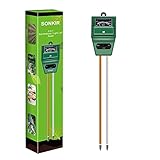
- Kindly NOTE: This soil tester can not be applied to test pH value of any other liquid. If the soil is too dry the indicator will not move, and water it before testing.
- 3 METERS IN ONE: Soil moisture level, Soil pH value and Sunlight level could be tested easily according to your need by switching the function button of this soil meter.
- NO BATTERY NEEDED: Simply insert the meter into soil, wait few minutes, accurate test results will be displayed on the readout panel. No battery is needed.
- STURDY AND SCIENTIFIC DESIGN: Reliable materials and upgraded technology used for this soil meter make it advanced and high-quality for long-term use.
- MULTIPURPOSE SOIL TEST KIT: Portable and compact design enables you to use this soil meter for house garden, farm, lawn and any other soil & plant analysis. Ideal for indoor and outdoor use.
Begin with lower-risk measures when they fit the problem:
- Remove badly damaged leaves.
- Use physical barriers or fencing where appropriate.
- Improve spacing and airflow.
- Remove diseased plant debris.
- Hand-pick larger pests when practical.
- Choose resistant varieties when they are available.
If treatment is necessary, choose a product labeled for both the crop and the pest. Follow the label exactly, including application instructions and harvest intervals. Consider risks to children, pets, pollinators, beneficial insects, and waterways. Never use an unlabeled household product on food crops merely because it seems similar to a garden product.
13. Harvest often and keep notes
Harvest at the maturity stage described on the seed packet or plant tag. Frequent harvesting can help some crops continue producing and gives you more opportunities to notice disease, pests, or water stress early.
Keep a simple garden record. Write down:
- Planting dates and varieties.
- Where each crop was planted.
- Weather or frost events.
- Watering problems and especially dry periods.
- Pest or disease symptoms.
- Harvest dates and approximate results.
- Which crops your household actually enjoyed eating.
These notes become more useful than generic advice because they describe your own soil, sunlight, weather, and microclimate. Next year, you can increase the crops that worked and remove the ones that required too much effort or never got eaten.
Do these 3 things before closing this tab:
1Repair Windows errors before they cause bigger problems2Fix the driver behind crashes, sound loss and screen glitches3Clear out junk files and repair common Windows errorsA deliberately short first-season shopping list
Buy only what the garden requires:
- Seeds and/or a few healthy transplants.
- A home soil test kit or a local laboratory soil test.
- A hand trowel.
- Garden gloves.
- A watering can, hose nozzle, or soaker hose.
- A measuring tape and plant labels.
- Finished compost, but only if the soil test or local recommendation supports it.
- Appropriate mulch for vegetable beds.
- Stakes, cages, a trellis, or fencing only where a crop or site requires support or protection.
You do not need a large bundled “garden starter kit.” Buying tools one task at a time makes it easier to avoid duplicate equipment and products that do not suit your site.
Common first-year mistakes to avoid
- Starting with too much space: A small garden that receives consistent care is more useful than a large neglected one.
- Choosing a shaded or inconvenient site: Low light and a long walk to the hose make success harder.
- Using a generic planting calendar: Follow local dates, packet instructions, and plant tags.
- Adding fertilizer without testing: More nutrients are not automatically better.
- Planting too closely: Crowding increases competition and can complicate disease control and harvesting.
- Underestimating summer watering: Heat, wind, small containers, and shallow roots can increase demand quickly.
- Treating every insect as a pest: Identify it and determine whether action is actually justified.
- Buying more seeds and equipment than necessary: Start with the tools required for the crops you selected.
- Growing food nobody wants: Your garden should reflect your household’s meals.
- Failing to plan paths, support, or fencing: Access and protection are part of the layout, not last-minute extras.
Regional and safety reminders
Planting dates, frost risk, watering needs, pest pressure, and suitable varieties vary by location. Use local agricultural or horticultural services for advice specific to your region, particularly when deciding when to plant warm-season crops or whether a soil amendment is appropriate.
If soil may be contaminated, have it tested before growing food. Do not assume that a raised bed automatically makes a contaminated site safe if its roots, dust, or runoff can still contact the growing area. Follow local guidance about lead or other contaminants and do not eat produce from suspect soil until the issue has been evaluated.
Gardening also has practical construction considerations: plan stable paths, protect hose routes, avoid creating trip hazards, and use secure supports for tall crops. A simple, safe layout is easier to maintain than an ambitious installation that blocks access or requires constant repair.
Frequently Asked Questions
What is the easiest type of garden for a beginner?
The easiest format is the one that matches your site. Use an in-ground bed when the soil drains well and is safe to cultivate, a raised bed when native soil is compacted, poorly drained, or difficult to access, and containers when space is limited or you rent. Containers need more frequent watering, while raised beds require suitable purchased growing medium.
How much sunlight does a vegetable garden need?
Aim for at least six hours of direct sunlight. Fruiting crops such as tomatoes, peppers, cucumbers, squash, and melons generally benefit from roughly six to eight or more hours. Leafy greens can tolerate somewhat less light, but dense shade is unsuitable for most vegetables.
Should I add compost or fertilizer before planting?
Test the soil first. The results and local recommendations should determine whether lime, fertilizer, compost, or another amendment is needed. Finished compost can improve structure and organic matter, but it does not automatically correct every nutrient problem.
Can I start a garden without starting seeds indoors?
Yes. Many crops are convenient to sow directly outdoors, and a few healthy purchased transplants can simplify the first season. Use the packet or plant tag for crop-specific instructions rather than assuming every vegetable should be started indoors.
The Bottom Line
Start with one small garden in the sunniest convenient location, grow a few foods you will eat, test the soil before amending it, and follow local planting dates. Water consistently, inspect plants before treating pests, and keep notes. That sequence avoids most beginner mistakes and gives you the information needed to expand with confidence next season.
Quick Recap
Product prices and availability are accurate as of the date/time indicated and are subject to change. Any price and availability information displayed on Amazon at the time of purchase will apply.

