Recommended Free Tools
The best smart-home gadget depends on your ecosystem, phone, wiring, HVAC system, privacy preferences, and tolerance for subscriptions. Start with one platform and a small bundle—a controller, useful light, sensor, and plug—then expand only after testing compatibility and offline behavior.
For most households, the best smart-home purchase is not a single gadget: it is a compatible system. Choose the primary platform first, then buy a hub or controller, one useful lighting device, one sensor, and one plug. Prefer Matter when it supports the feature you actually need, and favor products that still work manually when the internet or a cloud subscription fails.
As an Amazon Associate I earn from qualifying purchases.
This guide covers U.S. MSRP and availability as of 2024. Prices, firmware, subscriptions, app support, and regional availability should be rechecked before publication or purchase.
Quick verdict: the best starter path
| If you value… | Start with… | Main trade-off |
|---|---|---|
| Broad choice and easy voice control | Amazon Alexa | Cloud services and Amazon subscriptions are central to the experience. |
| Google services, Android, or Nest | Google Home | Good Google integration, but features vary by device category and platform. |
| iPhone, Apple Watch, Home Key, and Apple privacy controls | Apple Home | Excellent Apple integration, with a smaller accessory ecosystem and hub requirements. |
| Samsung appliances and mixed-brand Zigbee or Z-Wave devices | SmartThings | Flexible hub-based setup, but legacy-device and platform support must be checked. |
| Local control and complex automations | Home Assistant | Maximum flexibility requires substantially more setup and maintenance. |
For a straightforward first system, use the phone and services your household already uses. A homeowner with iPhones and Apple Watches will usually have a smoother Apple Home experience; an Android household already invested in Google services may prefer Google Home; a mixed household wanting a broad retail selection may find Alexa easiest. SmartThings and Home Assistant make more sense when you specifically need a mixed-device hub, local protocols, or advanced automation.
#1 Best Overall

- SMART UPGRADE FOR CONVENIENCE AND ENERGY EFFICIENCY : Control your Amazon Basics smart light bulbs using your voice or via the Alexa app, no more turning on/off each individual light switch. Create custom routines to schedule your lights automatically at sunset and sunrise and save energy. You can change colors of your lights for a movie night with family or friends. Works Exclusively with Alexa. Not compatible with Google Assistant, Apple HomeKit, Smart Things.
- SIMPLE TO SET UP WITH ALEXA: Screw in the light bulb, open the Alexa app, and get started in minutes as you get notified “ First light bulb found”. Otherwise, you can add the smart bulb directly from Alexa app. No hubs or 3rd party apps or skills required. For zero touch set up experience, check “Link device to your Amazon account to simplify setup” during checkout and get started with your smart bulb in no time. Note: Amazon Basics smart light bulbs work exclusively with Alexa to be set up with 2.4GHz Wi-Fi only.
- TRANSFORM YOUR SPACE WITH BRILLIANT COLORS: Create your perfect mood by choosing from 16 preset color selections and brightness levels from 5% to 100%. Have best moments during holiday festivities or gaming with friends or movie nights with family with different colors. Just say “Alexa, set the hall lights to purple”. Note: bulbs are dimmable via Alexa app or voice control only (not compatible with a physical dimmer.)
- CONTROL FROM ANYWHERE: Control your smart lights with Alexa app even when you are not at home e.g. from your car, office, gym. Feel secure by making your house look occupied even when you are away by creating an Alexa routine to schedule lights to turn on and off automatically.
- GROUP CONTROL: Create groups in the Alexa app to combine lights together, allowing you to control lights by each room, or all of your home lights with a single voice command or via app. When it's time to sleep, just say “Alexa, turn off the bedroom” OR use the Alexa app to turn off the bedroom lights at once.
What to buy first
- Controller or hub: the device that connects your chosen platform to the home.
- One lighting device: a bulb for renters or a switch for a permanent installation.
- One motion, contact, or leak sensor: sensors make automations dependable.
- One smart plug: useful for lamps, fans, holiday lights, and energy monitoring.
Do not begin with a dozen unrelated devices. Add one room at a time, confirm that the core setup is reliable, and only then expand to locks, thermostats, cameras, and robot vacuums.
Alexa vs. Google Home vs. Apple Home vs. SmartThings vs. Home Assistant
Alexa
Alexa remains a strong beginner choice because of its wide range of speakers, displays, plugs, bulbs, locks, thermostats, and routines. It is especially convenient when a household already uses Amazon services or wants inexpensive voice-control hardware. The limitation is that compatibility labels still matter: an accessory that works with Alexa may expose only basic on/off or temperature controls, and some advanced features remain inside the manufacturer app.
Google Home
Google Home is a natural fit for Android users, Google Assistant households, and people already using Nest products. Google’s Matter support can make compatible devices available in Google Home and, through Matter Multi-Admin, sometimes in other ecosystems as well. However, Matter support is not identical to full native integration, and Google documents that setup and supported device types can vary. Check the current Matter preparation guidance and setup and local-control guidance before buying.
Apple Home
Apple Home is usually the best starting point for an iPhone and Apple Watch household. A HomePod mini automatically acts as a home hub and supports Thread-enabled Matter accessories; Apple TV 4K Wi-Fi plus Ethernet is another example of a compatible hub. Apple Home Key support can also be a decisive reason to choose a particular lock. The trade-off is a smaller accessory field and the fact that an Apple Home tile does not guarantee access to every feature in the vendor’s app. See Apple’s home-hub requirements.
SmartThings
SmartThings is attractive for households with Samsung appliances or an established Zigbee or Z-Wave installation. It can bridge several device families and supports Matter, but the platform is more hub-oriented than a basic voice-assistant setup. Check current compatibility, driver support, and whether a legacy device depends on a cloud service. Samsung describes its Matter direction in its SmartThings Matter announcement, while the developer documentation explains hub-connected devices.
Home Assistant
Home Assistant is the advanced local-first option. Home Assistant Green provides a ready-made starting point, while radio add-ons and integrations can bring in Matter, Zigbee, Thread, and other device families. It is a strong choice for owners who want detailed automations, local processing, and maximum control over data and integrations. It is not the easiest choice for someone who wants a maintenance-free voice assistant: updates, backups, troubleshooting, and integration changes become part of ownership. Home Assistant explains its Matter approach here and the Green hardware here.
Matter, Thread, Wi-Fi, Zigbee, and Z-Wave in plain English
These terms describe different layers of a smart home:
- Matter is a common application and control standard. It helps compatible devices speak to multiple ecosystems.
- Wi-Fi and Ethernet are network transports. Many Matter devices use Wi-Fi; hubs and bridges may use Ethernet.
- Thread is a low-power mesh network transport. A Matter-over-Thread device requires a Thread Border Router.
- Bluetooth LE is commonly used for initial setup, not as the normal long-term control network.
- Zigbee and Z-Wave are established smart-home mesh protocols. They can be excellent choices in a mature hub-based system even though they are not the same as Matter.
Matter’s Multi-Admin feature can let one device appear in more than one ecosystem, but it does not erase every compatibility problem. Platforms implement device types and features at different times, and manufacturer-specific functions may remain unavailable outside the vendor app. The Connectivity Standards Alliance Matter FAQ is the best starting reference.
Matter also expanded during 2024. Matter 1.2 added categories including robot vacuums, smoke and carbon-monoxide alarms, air-quality sensors, and purifiers. Matter 1.3, released May 8, 2024, added energy reporting, EV charging, water management, and major appliances. Matter 1.4 arrived November 7, 2024. Cameras and video doorbells were not Matter categories during 2024; camera and doorbell support arrived with Matter 1.5 in November 2025. See the Matter 1.2, Matter 1.3, Matter 1.4, and Matter 1.5 announcements.
Best 2024 smart-home hubs, displays, and controllers
| Product | Best for | 2024 price or status | Important limitation |
|---|---|---|---|
| Amazon Echo Hub | Alexa dashboard and camera/device control | $179.99 launch price | Weak speakers and no camera; it is a controller rather than the best entertainment display. |
| Google Nest Hub, 2nd Gen | Google Home and Matter/Thread households | $99.99 | Features depend on Google/Nest support and current software availability. |
| Apple HomePod mini | Apple Home, Siri, and Thread Matter accessories | $99 | Best fit for Apple households; vendor-app features may not appear in Apple Home. |
| Home Assistant Green | Local-first control and advanced automations | Check current pricing | Requires more configuration and ongoing maintenance. |
The Echo Hub is a good wall or counter dashboard if the home is already Alexa-based. The Nest Hub 2nd Gen is a more natural Google Home display and doubles as a Matter and Thread hub. The HomePod mini is the cleanest Apple Home starting point. A dedicated controller is often more useful than adding another speaker because it gives the household a visible control surface and a place to manage rooms, scenes, and cameras.
Rank #2
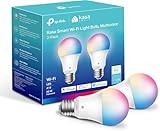
- Multicolor & Auto White: Dimmable 16 million colors and warm to cool whites(2500K-6500K). Set your bulb to automatically adjust its color temperature to match natural light patterns from dawn to dusk. Explore endless lighting possibilities to create your favorite light effects for everything from a dinner party to a late-night study session. Great for holiday decorations.
- Voice Control: Get hands-free control of your lights with your voice via Amazon Alexa or Google Assistant. Perfect for times when your hands are full or entering a dark room.
- Remote Control: Control your smart light bulb from anywhere with your smartphone using the free Kasa smart app (iOS, Android). Dim, turn on or off or change the colors of your light bulb remotely at your fingertips.
- Energy Monitoring & Scheduling: Monitor real-time energy usage. Drive down energy consumption without losing quality (60 W equivalent). Use timer or schedules to set your lights to automatically turn on and off whenever you want, such as waking up with a soft glow in the morning with sunrise offset.
- Trusted & Reliable: Kasa is trusted by over 6 Million users. UL certified for safety use. Require 2.4GHz Wi-Fi network connection.
Best lights, switches, plugs, and sensors
Philips Hue with Hue Bridge: best mature lighting system
Philips Hue remains a dependable lighting choice for scenes, schedules, dimming, color, remote access, and multi-platform compatibility. The Hue Bridge works with Alexa, Google Home, Apple Home, SmartThings, and Matter. It costs more than a collection of Wi-Fi bulbs, but the dedicated bridge reduces dependence on individual Wi-Fi connections and provides a mature lighting experience. Matter does not expose every Hue feature, so keep the Hue app for advanced scenes and configuration. See the Hue Bridge and Hue Matter pages.
Outdated Drivers Are Slowing You Down
One free scan finds every outdated or missing driver and matches the right update for your exact hardware.Free scan · exact hardware matchWindows Errors? Fix Them Before They Spread
Repair common Windows errors and clear accumulated junk for a smoother, more stable PC - no reinstall needed.Free scan · no reinstallFor renters, bulbs are easy to install but have a common failure mode: someone turns off the wall switch and the bulb disappears from the network. If conventional wall control is important, use a smart switch or a wireless scene control instead.
Lutron Caséta or Diva: best switch for older wiring
Lutron Caséta and Diva are especially useful in older homes because the no-neutral-wire design can solve a problem that rules out many other smart switches. The system requires a Lutron Bridge and involves mains electricity, box-space constraints, grounding, and local electrical code. Have a qualified electrician install it when the work is outside your comfort level. See Lutron’s Diva information and verify the exact model’s compatibility with Alexa, Google Home, Apple Home, and SmartThings.
TP-Link Kasa KP125M: best energy-monitoring smart plug
The TP-Link Kasa KP125M is a Matter-certified plug with energy monitoring. Its 2024 four-pack MSRP was $69.99. It is useful for lamps, fans, holiday lighting, and appliances where monitoring matters. Confirm where energy readings are exposed: some measurements may remain available only in the manufacturer app or only in supported ecosystems. Never use an ordinary smart plug for a high-load appliance unless its rating and the appliance’s startup load are appropriate.
Sensors: the overlooked foundation
Motion, contact, temperature, humidity, smoke, air-quality, and leak sensors produce more dependable automation than voice commands alone. A motion sensor can activate a hallway light only after sunset; a door contact can tell the system that a garage or window is open; a leak sensor can alert the household before a small problem becomes a construction emergency. Choose the sensor protocol and hub together, and confirm battery replacement, local operation, and alert behavior.
The Tool Desk
Outbyte Driver Updater FREEScan for outdated or missing drivers - takes under a minuteDriver Scan →Outbyte PC Repair FREERepair Windows errors before they cause bigger problemsFix Now →Best smart thermostats: verify HVAC before buying
ecobee Smart Thermostat Premium
The ecobee Smart Thermostat Premium had a $249.99 MSRP and included a remote SmartSensor and air-quality monitoring. It supported Alexa and Siri, Google Home, Apple Home, SmartThings, and IFTTT, making it one of the stronger cross-platform choices. The correct purchase still depends on the HVAC system, wiring, power requirements, heat-pump configuration, zoning, accessories, and regional availability. Use the manufacturer’s compatibility checker before removing the existing thermostat.
Nest Learning Thermostat, 4th Gen
Google announced the fourth-generation Nest Learning Thermostat on August 6, 2024, at a U.S. price of $279.99. It was Matter-certified and designed to work through Google Home or another Matter app. That does not mean every HVAC feature is equally available in every platform. Google says some systems require a C-wire or Nest Power Connector. Heat pumps, dual-fuel systems, multi-stage equipment, humidifiers, dehumidifiers, and older wiring deserve a compatibility check before purchase; a wrong thermostat can stop heating or cooling, not merely break an app feature. See the announcement and Google Store compatibility information.
Smart thermostats can reduce energy use, but savings are not guaranteed. ENERGY STAR estimates about 8% average heating and cooling savings, or roughly $50 annually, while Google and ecobee publish their own manufacturer-specific estimates. Climate, insulation, equipment efficiency, occupancy, and the old thermostat’s settings matter. Treat the figures as estimates, not a promise; see ENERGY STAR’s guidance.
Best smart locks
Schlage Encode Plus: best for Apple Home Key
The Schlage Encode Plus was listed at $299 in a February 2024 review. It combines a keypad, built-in Wi-Fi, Alexa, Google Home, Apple Home, and Apple Home Key. It is a premium lock, so confirm door thickness, backset, bore dimensions, handing, battery access, and the fit of the interior assembly. Apple Home Key is valuable for compatible iPhone and Apple Watch households, but Apple Home still may not expose every Schlage feature.
Quick wins for a faster PC:
Clear out junk files and repair common Windows errorsFree Scan →Fix the driver behind crashes, sound loss and screen glitchesFind Drivers →Rank #3

- 【Alexa & Google Home Voice Control: Hands-Free Convenience】As smart bulbs that work with Alexa & Google Home, it supports voice commands to turn on/off, adjust brightness, and switch colors—perfect for cooking, baby care, or remote work. No hub required: download the AiDot App, integrate with Alexa/Google Home, then link the LED light bulbs to alexa devices or google—3 simple setup steps. It connects to 2.4GHz WiFi, ensuring stable, lag-free voice response for effortless control from anywhere
- 【WiFi & Bluetooth Dual Connection: Uninterrupted Control】Linkind smart light bulbs feature dual WiFi + Bluetooth connectivity for Uninterrupted Control—2x faster than single-connection bulbs. Enjoy anytime, anywhere control: turn on lights remotely before arriving home, or manage them locally when at home. With Bluetooth Backup, you stay connected even when WiFi is off—solving connectivity gaps in bedrooms or hallways. Benefit from blazing speed: quick setup and instant responses, no lag or delays. 【Note】Initial setup requires 2.4GHz WiFi (not 5GHz) + Bluetooth.
- 【Music Sync: Dynamic Light for Immersive Experience】 Via AiDot App, Linkind WiFi light bulbs can sync with music rhythm detected by your phone's microphone, changing colors and brightness with beats—ideal for birthday parties and family gatherings. It offers 4 preset modes(Party/Dynamic/Calm/Auto Rhythm), allowing you to customize light effects based on music style. The sensitive rhythm detection ensures no lag between music and light, bringing immersive audio-visual enjoyment.
- 【DIY Fun: Creative Light Play】Unleash lighting creativity with AiDot App's unique features—add fun to daily life and parties. Light Show lets you DIY custom effects: create swing, loop, ripple, flow, fading, jumping, or other dynamic patterns to match your mood, no pro skills needed. Chat with Dotis AI directly: say“I need a party mood” or “give me calm vibe,” and it instantly generates tailored light scenes. Join the Light Lab Community to discover trending designs, share your creations, and innovate with fellow users. These exclusive DIY functions turn smart bulbs into a creative playground, making every lighting moment unique.
- 【Preset Scenes & Schedule: Smart Energy-Saving】Linkind e26 smart bulb provides 104 preset scenes(Festival/Reading/Sleep etc.)and timer/schedule functions. You can set it to auto-turn on at dawn(simulating sunrise)and off at night, reducing energy waste by up to 85% vs traditional bulbs. Group control function lets you manage multiple bulbs simultaneously, perfect for living rooms or entire homes. High-quality LED design ensures 25,000-hour lifespan, saving replacement costs.
Aqara U100: best for multiple entry methods
The Aqara U100 offers fingerprint access, PIN entry, NFC, a mechanical key, and Apple Home Key. It can expose the lock through Matter via an Aqara hub. The critical qualification is that Matter-compatible does not mean hub-free: Aqara documentation says the hub connection enables Matter. Keep a mechanical key or another emergency method, monitor batteries, and plan for what happens if the Wi-Fi or account is unavailable.
A lock’s security rating describes physical hardware performance, not the security of the account, cloud service, firmware, or phone. Require MFA, use unique credentials, limit shared access, and be cautious with voice unlocking. Do not create an automation that silently unlocks the home whenever a phone arrives.
Best cameras and video doorbells: choose the storage model first
Cameras require a separate ecosystem decision in a 2024 smart home. Matter did not support cameras or video doorbells during that year, so a camera’s works-with label was not interchangeable with Matter compatibility. You must choose the manufacturer’s app, cloud plan, local-storage method, privacy policy, and notification behavior.
eufy Indoor Cam S350: best indoor local-storage-oriented option
The eufy Indoor Cam S350 combined a 4K wide camera with a 2K telephoto camera, pan/tilt/zoom, and local-storage support without a required monthly fee. It was indoor-only and lacked color night vision. Local storage can reduce recurring costs, but it does not automatically mean every processing step is local or that remote access has no privacy implications. Eufy’s privacy claims should be assessed cautiously in light of prior scrutiny of cloud-storage practices. See the product information and compare independent limitations noted in the Tom’s Guide 2024 awards coverage.
Free tools Windows power users keep installed
One-click scans. No signup required.
eufy Dual Camera Video Doorbell: best for avoiding a required monthly plan
This battery-powered doorbell offered 2K video, a second package-facing camera, a HomeBase 2 with 16 GB of local storage, and no required monthly fee. The trade-offs are battery charging, possible notification delay, storage-device failure, and the need to understand the privacy policy and remote-access model. A local-storage doorbell is not maintenance-free: test retrieval, keep firmware current, and make sure the base station is placed where it has reliable network access.
Subscription cloud: Ring and Google Nest
Hardware price is only part of a camera’s cost. Ring requires a Protect plan for stored recordings, while older Nest cameras and doorbells generally require Nest Aware for event history or 24/7 history. Plans, prices, eligibility, and feature tiers change, so check the current Ring plans and Google camera-history support page. Compare three years of subscription fees against local-storage hardware before deciding.
For bedrooms, nurseries, and private areas, consider a camera with a physical shutter, local recording, or no camera. Create privacy zones, turn off audio when it is unnecessary, use MFA, and decide who can view recordings before installation.
Best robot vacuums and smart appliances
eufy X10 Pro Omni: strong 2024 all-in-one value
The eufy X10 Pro Omni had a $799.99 price and combined self-emptying, mop washing and drying, water refilling, obstacle avoidance, and an advertised 8,000 Pa suction rating. Those are vendor specifications, not a guarantee of independent cleaning performance. Account for dock size, water and waste handling, maintenance, cables, thresholds, rugs, stairs, dark objects, pets, and pet waste. Even a capable robot needs a prepared floor and periodic brush and filter cleaning.
Roborock Q Revo Pro: premium cleaning dock
The Roborock Q Revo Pro had a 2024 MSRP of $999.99 and offered dual spinning mops, hot-water mop washing, warm-air drying, water refilling, and auto-emptying. It is a premium purchase, but routine maintenance remains: brushes, filters, tanks, mop components, and dock cleaning. Measure the dock location and ensure the robot can cross every threshold before paying for advanced features.
Rank #4

- 16 Million DIY Colors: Govee smart light bulbs own millions of color and 54 preset scene modes, you can explore your favored one or pick one suits your moods most, bringing yourself a real fantastic lighting experience(Working Voltage: AC 120V).
- Music Sync: Our smart light bulbs change color and brightness simultaneously when sounds are detected by the microphone on your phone. Note: only works when the microphone is not occupied. Download Govee Home App and enable microphone permissions.
- Smart Control: Govee color changing light bulbs make it possible to control your bulbs with simple voice commands. And you'd also feel free to turn your smart light bulbs on/off, adjust brightness, or change the colors, set scenes via Govee Home App. (Note: Doesn't support 5G)
- Group Control: Simplify daily setups by grouping smart bulbs & Govee devices. Create a scheme, add devices, and control them simultaneously. Ensure bulbs are on stable 2.4GHz WiFi for optimal experience. Please Note: This A19 smart bulb cannot be used with smart switches.
- Timer and Schedule: Applying the ceiling fan light bulbs to your daily routine now is easier than ever, with timer function and modes like Sunrise & Sunset, you can set your bulbs to brighten when you wake up, and gradually dim when you fall asleep.
Starter bundles by budget
These bundles use 2024 U.S. prices where the dossier supplied them. They exclude tax, installation, sale-price changes, and products whose price varies by brand or model.
| Approximate budget | Practical bundle | What it teaches you |
|---|---|---|
| About $100 | One Google Nest Hub 2nd Gen or HomePod mini, plus one compatible plug or bulb if purchased within the budget. | Room control, schedules, voice commands, and basic ecosystem fit. |
| About $300 | One primary hub or display, a few Matter or ecosystem-compatible plugs and sensors, and a starter lighting device. | Reliable routines and sensor-driven automation without committing to cameras or electrical work. |
| About $750 | A controller, Hue Bridge and lighting, sensors, a plug, and either a compatible thermostat or lock. | How the system handles installation, shared access, batteries, and offline behavior. |
| Premium | Controller, permanent switches, thermostat, lock, camera or doorbell, and robot vacuum, with required bridges and storage. | A whole-home system, but also the highest exposure to subscriptions, maintenance, and vendor lock-in. |
Do not interpret these totals as guaranteed shopping carts. A $99 controller can become a $300 project once a bridge, electrician, HVAC accessory, lock hardware, or camera plan is added.
Three-year ownership cost: the number many buying guides omit
| Cost category | Questions to ask |
|---|---|
| Hardware | What is the U.S. MSRP, and is the cited price a launch price, review price, or temporary sale? |
| Required hub or bridge | Does the product need a Hue Bridge, Lutron Bridge, Aqara hub, HomeBase, Thread Border Router, or other controller? |
| Subscriptions | What do recording, AI detection, extended history, remote access, or premium automations cost over one and three years? |
| Installation | Will an electrician, HVAC technician, locksmith, or network technician be needed? |
| Consumables | Budget for batteries, filters, mop supplies, water-treatment items, storage cards, and replacement parts. |
| Failure and migration | What remains usable during an outage, and can the device move to another platform if the vendor changes direction? |
For example, a no-subscription camera may still require a storage card, base station, replacement battery, or paid cloud option for remote features. A smart thermostat may save money but only if it is compatible with the HVAC system and installed correctly. A cheap Wi-Fi bulb can be more expensive over time if it repeatedly drops offline or cannot be shared reliably with the household.
What’s actually slowing this PC down?
Pick the symptom - the matching free tool is one click away.
Installation prerequisites
- Network: reliable Wi-Fi, often including 2.4 GHz for many devices. Apartment or managed networks with client isolation, captive portals, or restricted local traffic can break Matter discovery and local control.
- IPv6: Google’s Matter setup guidance requires IPv6 to be enabled in relevant configurations.
- Matter controller: the platform hub must support the device type and transport.
- Thread Border Router: mandatory for Matter-over-Thread accessories. A Thread-capable hub is not automatically the same thing as a generic Wi-Fi router.
- Switch wiring: check for a neutral wire, box depth, grounding, load type, and local electrical code. No-neutral designs such as Lutron’s can be a major advantage in older homes.
- Thermostat wiring: verify HVAC equipment, C-wire or power-connector needs, stages, heat pumps, zoning, and accessories.
- Lock fit: verify deadbolt backset, door thickness, bore size, handing, interior clearance, and emergency battery or key access.
- Camera storage: decide between cloud history, local base station, microSD, network storage, or no recording.
- Construction planning: during a remodel, plan outlet locations, neutral conductors, low-voltage pathways, Ethernet drops for hubs or cameras, and a central location for network equipment. This is the point where smart-home readiness is cheapest to add.
Verified setup path
- Inventory the phones, existing hubs, Wi-Fi bands, wiring, HVAC equipment, door hardware, and services the household already uses.
- Select one primary platform: Alexa, Google Home, Apple Home, SmartThings, or Home Assistant.
- Install and update the controller or hub first.
- For Matter, update the device and controller, put the device into pairing mode, scan its Matter QR code or enter the numeric setup code, allow Bluetooth and local-network access, assign a room, and complete firmware updates. Follow the current Google Matter setup flow or the equivalent instructions for the chosen platform.
- For Thread devices, confirm that the selected hub is also a Thread Border Router. Apple lists HomePod mini and Apple TV 4K Wi-Fi plus Ethernet as examples.
- Use Matter Multi-Admin only after the device works in the primary ecosystem. This makes troubleshooting much easier.
- Test failure behavior: disable the internet, try the physical control, check local app control, and confirm low-battery alerts.
- Secure the system with unique passwords, MFA, firmware updates, privacy zones, and a separate guest or IoT network where the router supports it.
When Matter setup fails
- Check IPv6, Bluetooth permission, local-network permission, and whether the phone and device are on the same network.
- Do not use an isolated guest network for initial pairing unless the manufacturer explicitly supports it.
- Move a Thread device closer to a powered Thread router or Border Router.
- Update the manufacturer app, controller firmware, and device firmware.
- If the Matter code was already used, remove the stale pairing or factory-reset the device according to its manual.
- Try setup in the manufacturer app first, then share the device to the desired Matter ecosystem.
- Keep the vendor app installed when advanced settings, firmware updates, diagnostics, or recovery depend on it.
Privacy and security checklist
Local storage is not the same as local processing, and a physical security rating is not proof that the app or cloud account is secure. Evaluate the complete system:
- Use a unique account password and MFA.
- Install firmware and app updates promptly.
- Prefer encryption and passcode features, and understand what data leaves the home.
- Use camera privacy zones, microphone controls, physical shutters, and limited household sharing.
- Ask whether the product remains useful without remote access or a cloud subscription.
- Keep a mechanical key, physical switch, or manual override for locks, lights, garage doors, and HVAC.
- Use a separate IoT network if it does not prevent required local discovery.
- Review retention, deletion, employee-access, and law-enforcement policies for cameras.
The FTC’s connected-device guidance recommends strong unique passwords, two-factor authentication, encryption or passcode features, and current software. Its camera guidance adds practical privacy steps. The FTC’s 2023 action against Ring alleged unauthorized employee access and inadequate security protections; that enforcement action should be understood as a specific allegation and outcome concerning Ring, not as proof that every current Ring product has identical security behavior. See the FTC announcement.
Automations that are actually useful
- Hallway: motion detected after sunset turns on a dim hallway light for five minutes.
- Entry: unlocking the door turns on entry lights, but does not automatically disable the alarm without a separate confirmation or presence condition.
- Doorbell: a press displays the camera feed on a compatible smart display and sends a phone alert.
- Water: a leak sensor sends an alert and, with a compatible shutoff system, closes the water valve.
- Climate: the thermostat enters Away mode when everyone leaves, with safeguards for pets, guests, and extreme temperatures.
- Lighting: a plug schedules a lamp, fan, or holiday lights and can report energy use where supported.
- Cleaning: the robot vacuum runs only during a verified away period and avoids times when pets, children, or workers are present.
Reliable automation starts with a trustworthy trigger and a safe fallback. A voice assistant should not be the only control for a lock, garage door, alarm, or purchase, because commands can be misheard or issued by the wrong person.
Edge cases by home type
Renters
Favor smart plugs, bulbs, sensors, and removable displays. Avoid hardwired switches and thermostats without landlord approval. Preserve the original hardware and plan how the system will be removed at move-out.
Do these 3 things before closing this tab:
1Clear out junk files and repair common Windows errors2Fix the driver behind crashes, sound loss and screen glitches3Repair Windows errors before they cause bigger problemsOlder homes
No-neutral wiring is common enough to check before shopping. Lutron’s no-neutral design is a meaningful advantage, but the box, load, grounding, and code still matter.
Best Value
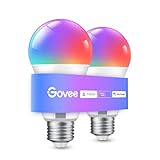
- Easy Voice Control: Our Alexa light bulbs are compatible with Alexa and Google Assistant for easy voice control. Adjust color, set timers, and automate lighting effortlessly. Note: This bulb only supports 2.4GHz WiFi.
- 16 Million DIY Colors: Govee smart light bulbs provide millions of colors and 54 preset scene modes. Style up your home decor with color accents, or set up fun light colors for your next party. Hub not required (Working Voltage: AC 120V).
- Music Sync: Our smart light bulbs change color and brightness when your phone's microphone detects sound. Note: This only works when the microphone is not occupied. Download Govee Home App and enable microphone permissions.
- Timer and Schedule: Applying these smart light bulbs to your daily routine is now easier than ever with timer functions and modes like Sunrise & Sunset. Stay energized in the morning or wind down after a long day. Note: Cannot be used with smart switches.
- Group Control: Have more than one Govee smart product? You can create a group to simultaneously control multiple smart bulbs from anywhere with a stable 2.4GHz Wi-Fi connection. Control these smart LED bulb with your family for added fun.
Heat pumps and complex HVAC
Never recommend a thermostat based only on a compatibility badge. Confirm the equipment type, stages, auxiliary heat, C-wire or power connector, and regional installation requirements.
Large homes
One Thread Border Router may not cover a large or multi-story home. Powered Thread routers extend the mesh, but placement and building materials matter. A construction project is the right time to plan network access points and Ethernet backhaul.
Locks and outages
Keep a physical key or emergency power method. Batteries, dead Wi-Fi, and account problems are predictable maintenance conditions, not theoretical edge cases.
Robot vacuums
Stairs, cables, dark objects, thresholds, rugs, pets, and dock placement can defeat advertised obstacle avoidance. Measure and prepare the room before relying on autonomous cleaning.
Decision framework: score the product, not just the feature list
- Use-case value: does it solve a repeated inconvenience?
- Ecosystem fit: does it work with the household’s phones, hub, voice assistant, and existing devices?
- Protocol: is Matter mature for this category, or would Zigbee or Z-Wave be better in an established mesh?
- Local fallback: are there physical controls, local automations, local storage, or vendor-independent access?
- Recurring cost: include subscriptions, batteries, filters, storage, and accessories.
- Installation risk: account for electrical work, HVAC compatibility, door fit, weather rating, and code.
- Privacy: check camera and microphone controls, cloud dependence, retention, MFA, and update policy.
- Household usability: consider guests, children, older adults, accessibility, and shared accounts.
- Reliability: check battery life, Wi-Fi range, Thread coverage, offline behavior, and recovery steps.
- Lifecycle: look for firmware support, replacement parts, and a realistic migration path if the company changes direction.
Final decision tree
- If you use iPhone, Apple Watch, or Home Key: start with Apple Home and a HomePod mini; consider Schlage Encode Plus or Aqara U100 after confirming lock fit and hub requirements.
- If you use Android and Google services: start with Google Home and a Nest Hub 2nd Gen; check Matter and Nest support for each category.
- If you want the broadest beginner retail choice: start with Alexa and choose an Echo Hub only if a dedicated dashboard matters; use an Echo speaker when audio quality matters more.
- If you own Samsung appliances or Zigbee/Z-Wave devices: evaluate SmartThings and its current hub and driver support.
- If you rent: choose removable bulbs, plugs, sensors, and displays; avoid permanent wiring changes.
- If you want no required camera subscription: compare local storage, base-station cost, battery maintenance, privacy behavior, and what remote features remain paid.
- If you want local control: choose Home Assistant, but budget time for setup, backups, updates, and troubleshooting.
- If you are remodeling: plan neutral wires, deep electrical boxes, Ethernet, outlet locations, network equipment space, and service access before walls close.
The durable buying rule is simple: select the ecosystem that fits the household, build around sensors and reliable physical controls, and treat Matter as a useful compatibility layer rather than a guarantee that every feature will follow you everywhere.
Frequently Asked Questions
What is Matter, and does it make every smart-home device compatible?
Matter is a compatibility standard that helps supported smart-home devices work across ecosystems. It does not replace Wi-Fi, Thread, or Ethernet, and it does not guarantee that advanced manufacturer features will appear in every platform.
What are the best smart-home gadgets for renters?
Renters should start with smart plugs, bulbs, sensors, removable displays, and retrofit locks. Avoid hardwired switches or thermostats without landlord approval, and preserve the original hardware for move-out.
Do these 3 things before closing this tab:
1Repair Windows errors before they cause bigger problems2Fix the driver behind crashes, sound loss and screen glitches3Clear out junk files and repair common Windows errorsDo smart cameras require a monthly subscription?
Camera costs may include a required recording plan, local-storage hardware, batteries, storage cards, and replacement parts. Compare one- and three-year costs rather than judging by hardware price alone.
What should I check before buying a smart thermostat?
Yes. Verify the HVAC type, stages, heat-pump or dual-fuel configuration, C-wire or power-connector requirements, and regional compatibility before installing any smart thermostat.
The Bottom Line
The best 2024 smart-home setup is a small, compatible system—not a pile of highly rated gadgets. Choose Alexa, Google Home, Apple Home, SmartThings, or Home Assistant based on the household’s existing devices and desired level of control; then verify wiring, HVAC, network, storage, subscriptions, privacy, and offline behavior before buying.
Quick Recap
Product prices and availability are accurate as of the date/time indicated and are subject to change. Any price and availability information displayed on Amazon at the time of purchase will apply.

