For most conventional central-air conditioners, you should not use a full winter cover. The outdoor condenser is designed to remain outside through normal rain, snow, and freezing weather. A sealed vinyl, plastic, or tarp cover can trap condensation, encourage rust and mildew, shelter rodents, and block airflow if someone accidentally turns the system on.
If falling leaves, roof runoff, icicles, branches, freezing rain, or heavy snow create a specific risk, consider a manufacturer-approved top guard or open-sided protection instead. Never cover the airflow openings of a heat pump: its outdoor unit normally operates during winter to heat your home.
As an Amazon Associate I earn from qualifying purchases.
First, identify the equipment outside your home
“AC unit” can mean several different types of equipment, and the correct winter advice depends on which one you have. Before buying a cover, check the outdoor nameplate, thermostat modes, indoor equipment, and installation paperwork.
| Equipment | Winter approach |
|---|---|
| Seasonal central AC condenser | Usually leave it uncovered. Use a top-only or manufacturer-approved guard only for a specific site hazard. |
| Air-source heat pump | Do not use a full cover or block the sides and top. The unit operates in winter for heating and defrosting. |
| Ductless mini-split heat pump | Treat it as a heat pump unless the manual says otherwise. Keep the outdoor coil, fan, intake, exhaust, and drainage paths open. |
| Packaged HVAC system | Do not cover the cabinet or its openings. A packaged unit may provide both heating and cooling outdoors. |
| Window AC | Usually remove and store it upright and dry when practical, or follow the model’s instructions for an in-window cover. |
| Through-wall room AC | Follow the model manual. Some units can remain installed with a suitable exterior cover; others are better removed or sealed according to the manufacturer. |
If your thermostat offers heat-pump, auxiliary heat, or emergency-heat modes, do not assume the outdoor unit is a dormant air conditioner. Treat it as a heat pump until the equipment has been identified.
#1 Best Overall

- Rust Resistant and Durable: The AC cover is made from thick resin mesh, this rust-resistant cover is flexible and withstands extreme temperatures. Equipped with a 20 inch stretchable Bungee Cord and stainless steel grommets for added strength
- Ensure Air Circulation: The ac cover for outside unit is distributed with small rectangular holes, which ensures that the ac condenser cover is breathable
- Easy to Install: You need to put the cover on the top of your outdoor ac unit, and then pass one end of the elastic hook through the round hole and fix it on the top. Then fix the hook at the other end of the body of the ac. You also can watch our installation video to install it
- Wind Resistant And Leaf Guard: Protected by rust-resistant elastic hooks, the ac unit covers will not move even in the face of strong winds. The ac cover is also good at blocking fallen leaves, branches, debris, grass and other things from being blown into the air conditioner, thereby extending the life of the air conditioner
- Universal Fit: Size 36x36 inches, ac cover for outside unit fits most standard sized central air conditioning units. Please measure your ac unit before purchasing the cover
Why a typical central AC does not need a full winter cover
A conventional outdoor condenser is an outdoor-rated appliance. Its cabinet, condenser coil, fan assembly, compressor, electrical components, finish, and drainage paths are designed for exposure to normal outdoor conditions. The cold air itself is usually not the problem.
That does not mean severe weather is harmless. Heavy wet snow, falling ice, roof runoff, windblown debris, corrosion, blocked airflow, or physical impact can damage equipment. But enclosing the unit is often a poor solution because a full cover introduces risks that ordinary winter exposure does not.
Rheem says seasonal air conditioners are built to withstand outdoor conditions and generally should not be covered. Lennox likewise says modern air conditioners typically do not require winterization, while Carrier cautions that plastic covers can trap moisture, mold, and mildew.
Free tools Windows power users keep installed
One-click scans. No signup required.
What can go wrong with a full cover?
A full cover encloses the top and sides of the unit, usually with vinyl, plastic, a tarp, or another solid material. This is the option most likely to create trouble.
1. It can trap moisture
Condensation can form inside a cover when outdoor temperatures change. Rain or snow can also get underneath during installation. If the equipment cannot dry, moisture may contribute to rust, corrosion, mildew, or deterioration of electrical components.
2. It can create a pest shelter
A covered condenser provides a dark, protected space for mice, squirrels, insects, and other animals. Rodents may chew wiring or insulation, and nesting material can obstruct the fan or coil. Before spring startup, inspect the unit for nests, droppings, chewed wires, and other signs of animal activity.
3. It can block airflow
Outdoor units need unobstructed airflow through their coil and fan openings. A cover can prevent safe operation if cooling is activated accidentally, if a thermostat schedule starts the system, or if someone forgets that the cover is installed during an unusually warm day.
Quick wins for a faster PC:
Fix the driver behind crashes, sound loss and screen glitchesFind Drivers →Repair Windows errors before they cause bigger problemsFix Now →Scan for outdated or missing drivers - takes under a minuteDriver Scan →4. It encourages human error
The most common practical failure may be forgetting to remove the cover. The equipment can be damaged if it runs while enclosed. Trane says never to operate an air conditioner with a protective cover in place, and Amana warns that a covered outdoor unit may not receive the airflow it needs.
Rank #2
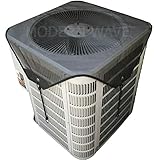
- PREMIUM AIR CONDITIONER COVER - AC cover provides top protection from leaves and branches
- EASY TO USE - Perfectly designed cover has four (4) adjustable bungee cords that attach to the sides of the unit to fit securely over the top
- HIGH QUALITY MESH MATERIAL - Open heavy duty mesh material provides air flow to the unit and helps to reduce moisture inside the air conditioner outdoor unit
- INCREASES AC UNIT LIFE - Cover keeps AC unit free of grass and leaves, prevents rust, minimizes electrical failures
- STANDARD FIT - Durable cover fits most standard-sized AC units. Size 36" x 36". Please measure AC before purchase
These concerns are reflected in manufacturer guidance from Goodman, Daikin, Lennox, Carrier, and Trane. Their recommendations are not identical—some allow a breathable or top-only accessory in specific situations—but they consistently warn against obstructing airflow and using an inappropriate solid enclosure.
Full cover, breathable cover, or top guard: what is the difference?
| Protection type | What it does | Main concern |
|---|---|---|
| Full solid cover | Encloses the top and sides with vinyl, plastic, or tarp material. | Most likely to trap moisture, block airflow, and create a pest shelter. Generally avoid it unless the equipment manufacturer specifically requires or approves it. |
| Breathable full cover | Allows more vapor movement than a solid cover. | “Breathable” is not a universal performance standard. It may still obstruct operation, shelter pests, or conflict with the model manual. |
| Top-only guard | Protects the upper surface while leaving the side louvers open. | It must not block the fan discharge, coil intake, drainage, or service access, and it must be secured against wind. |
| Factory accessory | Designed for a particular brand, model family, or cabinet size. | It may be safer than a generic cover, but compatibility still must be verified. Accessory dimensions are not universal. |
A breathable material reduces moisture risk; it does not automatically make a full cover suitable. Daikin advises discussing a breathable cover with a dealer. Trane describes a breathable-cover exception for certain situations but also warns against tarps and solid covers in its air-conditioner maintenance guidance.
When can a top-only guard make sense?
The hazard—not the calendar—is what determines whether extra protection is worthwhile. A top-only guard may be reasonable when:
Recommended Free Tools
- The condenser sits under trees that drop leaves, pine needles, seed pods, or small branches.
- An overhanging roof, gutter, or ice dam sends water or icicles directly onto the cabinet.
- Freezing rain or heavy, wet snow is a recurring local problem.
- A manufacturer sells or approves a matching top guard for the model.
- A qualified HVAC technician has evaluated the site and recommends one.
Before covering the unit, solve the underlying problem where possible. Clean leaves regularly, trim nearby vegetation, redirect gutters and downspouts, and safely address a roof edge that drops water onto the condenser. A top guard should supplement those measures, not conceal a drainage or installation problem.
Trane’s WeatherGuard top accessory illustrates why model-specific protection matters. Trane lists accessory kits for particular base sizes, including 33-by-30 inches and 37-by-34 inches. Those measurements are examples for specified equipment—not universal sizes for every outdoor unit.
The heat-pump exception: do not cover the outdoor unit
A heat pump is the most important reason not to apply generic “cover your AC for winter” advice. In heating mode, the outdoor unit extracts heat from outdoor air and sends it into the house. It needs to draw air through its sides and discharge air through the top. It also periodically enters a defrost cycle, during which frost on the outdoor coil melts and drains away.
Goodman says not to cover a heat pump because it must draw air through the sides and exhaust through the top. Rheem says its heat pumps operate year-round and should never be covered.
Do not assume that switching to emergency or auxiliary heat makes a full cover safe. The controls and system configuration are model-specific, and the outdoor unit still needs proper airflow, drainage, controls, and defrost operation. Only consider a top-only snow guard if the manufacturer specifically approves it for that model and it leaves all airflow and drainage paths open. Lennox mentions a top-only snow guard for certain heat-pump situations; that recommendation should not be generalized to every heat pump.
Frost is not always a malfunction
Light frost can be normal while a heat pump operates in cold, humid weather. The system should normally defrost periodically. Thick ice that does not clear, ice covering the fan blades, unusual noise, weak heating, or ice that rapidly returns can indicate an airflow, refrigerant, sensor, or defrost-control problem. Turn the system off if necessary and contact a qualified technician rather than chipping at the ice.
Rank #3

- Superior Protection: As a top-rated ac cover for outside, this air conditioner cover effectively shields your outdoor unit from leaves, snow, dust, small animals, and other environmental elements, keeping it clean to reduce maintenance costs and extend equipment lifespan
- Durable Construction: Crafted from high-strength polyester mesh, this ac mesh cover for outside unit is flexible, tear-resistant, and weather-resistant, enduring extreme conditions for multiple seasons of reliable use
- Breathable Mesh Design: Featuring a breathable mesh design, this air conditioner mesh cover for outside allows optimal ventilation while protecting your ac condenser cover, improving air circulation without obstruction
- Quick & Effortless Setup: The ac unit covers outdoor adopts an integrated design, which includes 4 elastic ropes with metal hooks for easy installation. This ac unit covers outdoor ensures a snug attachment to your unit's sides, providing full coverage without shifting in strong winds for a sleek appearance
- Universal Size: Sized at 36'' x 36'', this central air conditioner cover outdoor fits most standard AC units, measure your outdoor ac unit before purchase to ensure the perfect fit
What to do before winter
- Identify the system. Confirm whether the outdoor equipment is a seasonal AC, heat pump, ductless heat pump, packaged system, or room air conditioner.
- Read the model manual. The manufacturer’s instructions control over generic cover packaging or advice from a retailer.
- Remove debris. Clear leaves, pine needles, grass, mulch, trash, and other material from around and on top of the unit. Do not bend the coil fins or force debris into the cabinet.
- Keep airflow clear. Do not stack firewood, bins, snow equipment, patio furniture, or other stored items against the unit.
- Maintain vegetation clearance. Trane and Rheem cite 18 inches of clearance around the unit in their guidance; Lennox uses two feet on all sides in one heat-pump guide. These are manufacturer-specific recommendations, not a single universal clearance rule. Follow your model’s manual and any local installation requirements.
- Redirect roof runoff. Make sure gutters and downspouts do not repeatedly discharge onto or immediately beside the outdoor unit. Lennox specifically advises keeping roof drainage away from heat pumps.
- Inspect the site. Look for corrosion, loose panels, bent fins, exposed wiring, nests, and signs of rodents. Arrange repairs before the next operating season.
- Choose protection only if needed. If there is a real falling-debris or runoff hazard, use a properly fitted, manufacturer-approved top guard or another protection method that leaves the sides, fan, drainage, and service access open.
- Follow the manual’s power instructions. Do not open the electrical cabinet or handle live wiring. Do not shut off a heat pump merely because winter has arrived.
- Record any protection installed. Put a visible reminder on the thermostat, electrical disconnect, or nearby calendar so the guard is removed before cooling operation.
In a coastal or otherwise corrosive environment, a generic cover is not a substitute for maintenance. Salt air can accelerate corrosion of outdoor coils and components. Prioritize appropriate coil cleaning, corrosion inspection, and manufacturer-approved protection; Carrier identifies salty sea air as a corrosion risk.
Should you turn off the outdoor disconnect or breaker?
There is no universal winter rule to turn off the breaker. The correct procedure depends on the equipment and what protection, if any, is being installed.
The Tool Desk
Outbyte Driver Updater FREEScan for outdated or missing drivers - takes under a minuteDriver Scan →Outbyte PC Repair FREEClear out junk files and repair common Windows errorsFree Scan →For a seasonal straight-cool condenser, if you use a cover or any protection that could obstruct airflow, follow the model manual. Goodman specifically says high-voltage power should be disconnected when a cover or airflow obstruction is introduced. That may mean using the external disconnect according to the manufacturer’s instructions—not opening the cabinet or manipulating wiring.
For a heat pump, do not shut off power simply because the weather is cold. The system needs power for heating, controls, defrost, and coordination with auxiliary or backup heat. If you are unsure whether your system is a heat pump or how its disconnect should be handled, ask a qualified HVAC technician.
How to protect the unit during snow and ice
For a conventional AC that is not operating, ordinary snow accumulation is usually less concerning than blocked airflow, falling ice, roof runoff, or debris. For an operating heat pump, keeping the air passages open is essential.
- Do not pile shoveled snow against the cabinet.
- After a major storm, gently remove loose snow from the top and around the sides of a heat pump with a soft broom or gloved hands.
- Do not shovel against the cabinet or pack snow into the side louvers.
- Do not chip ice with a screwdriver, shovel, or other tool.
- Do not pour hot water over the unit.
- Do not use a torch, heat gun, or concentrated heat source to melt ice.
- Call a technician if thick ice does not clear during normal defrosting, blocks the fan, causes unusual sounds, or repeatedly returns.
Trane recommends keeping outdoor equipment unobstructed and clearing heavy snow from heat pumps. If icicles are falling onto the equipment, address the roof or gutter hazard safely rather than standing beneath an ice load to remove it.
Can you run an AC with a cover on it?
No. Remove the cover completely before cooling operation. Do not rely on a small opening, a loose fit, or a breathable fabric to make operation safe.
A conventional air conditioner also should not automatically be run for cooling in cold outdoor weather. Lennox gives a general warning that operating a conventional AC below 60°F outdoors can upset the system’s pressure and temperature balance and cause freezing. That is a general guideline, not a universal limit for every system. Some equipment is designed for low-ambient cooling; for example, Daikin describes a product capable of cooling below 0°F (-17.7°C) when the required settings or accessories are used. Follow the exact operating range for your model.
Rank #4
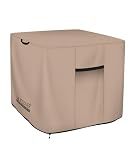
- General to fit outside AC unit size up to 30”(W)x30”(D).
- Made of 600D polyester canvas complex with waterproof backing. Tough enough to keep rain, hail, snow, dust, leaves and bird droppings away.
- Well-made structured air vents and handles at two sides keep ventilation, prevent the cover from being blown away, also keep your furniture dry and in good condition.
- Plastic clips & elastic draw cords secured to unit’s bottom, especially during high winds and severe weather.
- Full coverage design avoids the exposure of air conditioner in the sun makes your outside units always look like new.
Spring restart checklist
Winter protection creates a spring responsibility. Before the first cooling call:
- Remove the cover or top guard completely. Do not leave it folded over the cabinet or resting near the fan.
- Inspect for pests and damage. Look for nests, droppings, chewed wiring, rust, corrosion, bent fins, loose panels, and standing water.
- Clear every opening. Confirm that no cover, board, plant, snow, leaf, or nest blocks the side louvers, coil, fan, or drainage path.
- Restore the disconnect only if it was turned off. Use the normal operating position described by the equipment instructions. Do not open the electrical cabinet.
- Check the indoor filter. Replace or inspect it according to the system’s maintenance instructions.
- Wait for suitable outdoor temperatures. Set the thermostat to cooling only when conditions are within the equipment’s permitted operating range.
- Run the system and listen. Grinding, scraping, buzzing, repeated breaker trips, ice, or a fan that does not run warrants shutting the system down and calling a qualified technician.
Professional maintenance can identify problems that are not visible from outside. Carrier lists inspection of the compressor, evaporator coil, condenser coil, fan and motor assemblies, and condensate drains among deeper maintenance tasks. The appropriate service interval depends on the equipment, manufacturer, age, operating conditions, and technician’s recommendation.
Windows Errors? Fix Them Before They Spread
Repair common Windows errors and clear accumulated junk for a smoother, more stable PC - no reinstall needed.Free scan · no reinstallCrashes, No Sound, or Screen Glitches?
Random freezes, missing sound and display glitches usually trace back to one bad driver. Find and replace yours safely.Free scan · under a minuteWindow and through-wall AC units are different
Do not apply central-condenser advice to a window unit. Room air conditioners have different cabinets, seals, drainage paths, and exposure to indoor drafts.
When practical, remove a window unit before winter, keep it dry, and store it upright in its normal operating position. Frigidaire recommends removing the unit and storing it covered or boxed in a dry, upright position. Haier recommends climate-controlled winter storage and warns that leaving a room unit exposed may cause damage or affect warranty coverage. GE says removal is optional for some models but recommends upright storage when the unit is removed.
If a through-wall unit must remain installed, use only the exterior cover or sealing method specified for that model. Do not block required drainage or ventilation openings.
Common questions and misconceptions
“The cover is sold specifically for outdoor AC units. Why would it be wrong?”
Generic packaging cannot account for every cabinet design, heat-pump configuration, drainage path, or manufacturer instruction. Prioritize the model manual and a manufacturer-approved accessory. A product marketed for an “AC unit” may be unsuitable for a heat pump or packaged system.
What’s actually slowing this PC down?
Pick the symptom - the matching free tool is one click away.
“Won’t snow get inside if I leave the condenser uncovered?”
Some snow and leaves may enter an outdoor condenser, but the unit is designed for outdoor exposure and drainage. Clear accumulated debris and keep the cabinet unobstructed. If snow, ice, or water falls directly from a roof or gutter, redirect the runoff or use an approved top guard rather than sealing the sides.
“Can I use a tarp?”
Generally, no. A tarp is a solid cover that can trap moisture and block airflow. Trane specifically warns against tarps. Use a model-approved top guard or protection recommended by a qualified technician instead.
Best Value

- 1.Hole-shaped vents:With hole-shaped vents on the side of the cover to offer proper airflow thus preventing moisture inside.
- 2.AntiI-wind design:The drawstring of hem can be contracted to fix the air conditioner better . Extra adjustable buckle strap provides extra protection for your outdoor condenser, so the cover will not be blown away even in windy weather.
- 3.Excellent quality:Made of 600D durable polyester fabric with an added waterproof undercoating to protect your outdoor conditioning from natural damage.
- 4.Effective-protection:The sturdy cover is coated with an extra PVC layer that not only prevents water from seeping into your air conditioner, but also protects your air conditioner from sun damage, thus preventing it from aging, rusting and fading.
- 5.Easy to install&take off:The cover comes with handle on side,which makes it easy for you to install and take off.
“Can I use plywood as a top shield?”
A rigid top shield may protect against falling debris or icicles, but it must not rest on the cabinet, deform it, block airflow or drainage, interfere with service access, or become a wind hazard. A factory accessory is preferable to a loose board. Do not treat plywood as a universal DIY solution.
“Can a breathable cover still cause problems?”
Yes. It may reduce trapped-moisture risk but can still obstruct operation, be installed over wet equipment, provide nesting space, or conflict with the manual. “Breathable” is not a universal technical guarantee.
Do these 3 things before closing this tab:
1Scan for outdated or missing drivers - takes under a minute2Clear out junk files and repair common Windows errors3Fix the driver behind crashes, sound loss and screen glitches“Will covering the unit void the warranty?”
Do not assume that any cover automatically voids a warranty. However, damage caused by an unauthorized accessory, blocked airflow, improper operation, or incompatible equipment may be excluded. Carrier says parts not supplied or authorized by Carrier, and damage resulting from their use, may not be covered; Goodman similarly excludes certain damage from incompatible accessories or improper use. Your specific warranty and installation manual control.
“What if I forgot to remove the cover?”
Turn off the cooling call immediately and remove the cover completely. Inspect for overheating, abnormal sounds, ice, damaged wiring, or other visible problems. If the unit ran for an unknown length of time, the breaker trips, the fan does not operate normally, or the system will not cool, have it checked before continued use.
Frequently Asked Questions
Should I cover my AC unit if it snows?
For a typical seasonal central-air condenser, usually no. Leave it uncovered, clear heavy debris, and keep snow from blocking the unit. If falling snow, ice, branches, or roof runoff create a specific hazard, use only a manufacturer-approved top guard or open-sided protection.
Should a heat pump be covered in winter?
No full cover should be used. A heat pump operates during winter and needs unobstructed side intake, top exhaust, and defrost drainage. A model-approved top-only snow guard may be acceptable in limited situations.
Should I turn off the breaker for winter?
Not automatically. Follow the equipment manual. Goodman specifically recommends disconnecting high-voltage power when a cover or airflow obstruction is introduced, but a heat pump should not be powered down merely because winter has arrived.
Can I run central air below 60°F?
Do not assume it is safe. Lennox gives 60°F as a general lower outdoor-temperature warning for conventional AC systems, but some equipment is designed for low-ambient cooling. Follow your model’s operating range.
What should I do if my heat pump is covered in ice?
Light frost can be normal during cold, humid operation, but thick or persistent ice is not. Do not chip it, pour hot water on it, or use a torch or heat gun. Keep airflow open and call a technician if the ice does not clear during normal defrosting or quickly returns.
Should a window AC stay in the window all winter?
When practical, remove it and store it upright and dry. If it must remain installed, follow the specific model’s instructions for an exterior cover or sealing method.
Recommended Free Tools
The Bottom Line
Bottom line: Leave a typical seasonal central AC condenser uncovered unless a real site hazard justifies a manufacturer-approved top guard. Never seal a heat pump, packaged HVAC unit, or ductless heat-pump outdoor unit, and never operate an outdoor unit with a cover in place. Clear debris, redirect roof runoff, keep airflow open, and inspect the equipment before spring startup.
Quick Recap
Product prices and availability are accurate as of the date/time indicated and are subject to change. Any price and availability information displayed on Amazon at the time of purchase will apply.

