The best way to prevent apple-tree disease is not a universal spray schedule. Start with a less-susceptible cultivar, an open and well-ventilated canopy, clean leaves and fruit debris, careful watering, and regular scouting. Use a labeled preventive treatment only when the disease, weather, growth stage, and local rules justify it.
Apple-tree disease prevention works best as a system, not as a universal spray schedule. Choose a less-susceptible cultivar, keep the canopy open, remove infected leaves and wood, avoid unnecessary wounds and overhead irrigation, and monitor weather and growth stages. If treatment is justified, use only a product labeled for apples and the specific disease, following the current label for application timing, harvest interval, protective equipment, and local restrictions.
As an Amazon Associate I earn from qualifying purchases.
The six diseases below do not all behave alike. Apple scab and black rot are favored by wet conditions, powdery mildew can thrive when humidity is high but foliage is relatively dry, fire blight is bacterial rather than fungal, and cedar-apple rust needs both an apple-family host and a cedar or juniper host. Because leaf spots, cankers, and fruit rots can overlap, use the symptom patterns as clues rather than treating one symptom as a certain diagnosis.
Quick identification guide
| Disease | Most useful clues | Conditions or sources that increase risk |
|---|---|---|
| Apple scab | Olive-green, velvety leaf or fruit spots that become darker and corky | Wet spring weather and diseased fallen leaves |
| Fire blight | Blackened blossoms, wilted shoots with a shepherd’s-crook shape, cracked cankers, or sticky ooze | Warm, wet conditions and susceptible cultivars |
| Cedar-apple rust | Orange-yellow leaf lesions, fruit infections, and orange spore structures on nearby cedar or juniper galls | Nearby susceptible cedar, juniper, crabapple, or hawthorn hosts |
| Apple powdery mildew | White to gray powder on buds, blossoms, young leaves, shoots, or fruit | Warm temperatures, high humidity, and comparatively dry weather |
| Black rot and frogeye leaf spot | Frogeye-like leaf lesions, firm black fruit rot, and branch cankers | Dead wood, mummified fruit, wounds, and tree stress |
| Bitter rot | Apple fruit rot that may appear after the fungus has remained hidden inside the fruit | Warm temperatures above roughly 75°F and prolonged wetness, especially in eastern U.S. orchards |
1. Apple scab
Apple scab is caused by the fungus Venturia inaequalis. It commonly starts as olive-green, velvet-like spots on leaves and fruit. As lesions age, they become darker and more corky. Severely affected young apples may crack, become misshapen, or stop developing normally.
#1 Best Overall

- Chapin Garden Sprayer: Complete lawn care and basic cleaning tasks faster with the 1‑gallon translucent funnel‑top tank that allows quick, easy, spill‑free refills and fluid checks
- Reliable performance: Achieve consistent spray coverage of weeds, pesticides, fertilizers and general spraying. Improved modular design prevents leaks and lets you easily clean, replace seals, and maintain a tight, secure connection
- Comfortable handling: move easily around the yard during garden, cleaning and lawn maintenance jobs thanks to the lightweight poly tank and ergonomic pump handle designed for reduced fatigue
- Versatile spraying: switch between targeted stream or broad spray for weed control, cleaning and lawn care using the adjustable cone nozzle and 34‑inch hose for flexible reach and precision
- Proudly Made in the USA: Expertly designed and manufactured in the USA with global materials, backed by Chapin’s 1-year limited warranty and supported by a dedicated US-based customer service and technical help centre
The fungus overwinters mainly in infected leaves on the orchard floor. In spring, those leaves can release spores when moisture is present, beginning new infections on emerging foliage and fruit. That life cycle makes sanitation one of the most useful controls.
How to prevent apple scab
- Plant an apple cultivar with documented scab resistance or lower susceptibility. Check the cultivar’s ratings for individual diseases rather than assuming that resistance to one disease applies to all diseases.
- Remove fallen diseased leaves in autumn, or manage them so they decompose instead of remaining a major source of spring inoculum.
- Prune annually to open the canopy. Better air movement helps leaves dry faster and can improve coverage if a labeled treatment is needed.
- Water at soil level when possible. Overhead irrigation can keep foliage wet for longer and increase infection risk.
- In a susceptible tree with a repeated history of serious scab, consider preventive treatment only when the product is labeled for apples and scab in your location.
Fungicides used for scab generally protect healthy tissue; they do not cure established lesions on an already infected leaf or fruit. Timing is tied to the tree’s growth stage and weather risk, so a fixed calendar program is not appropriate for every climate or backyard tree.
2. Fire blight
Fire blight is a bacterial disease caused by Erwinia amylovora. Blossoms may darken and die. New shoots can wilt rapidly and bend into the characteristic shape known as a shepherd’s crook. Infected branches may develop dark, sunken, cracked cankers. During warm, wet weather, sticky bacterial ooze may be visible.
Fire blight deserves a different response from a typical leaf-spot disease. The priority is containment: bacteria can move from infected tissue into branches and cankers, and dead-looking tips should not simply be left in the tree.
How to prevent and contain fire blight
- Inspect blossoms and young shoots regularly during periods favorable for disease.
- Remove infected tissue promptly, cutting well below visible symptoms into apparently healthy wood.
- Sanitize pruning tools appropriately between cuts so the work does not spread bacteria from one branch to another. Use the tool-cleaning and disinfecting method recommended by your local extension authority or product instructions.
- Choose resistant or less-susceptible cultivars when planting or replacing a tree.
- Limit unnecessary wounds to branches and bark, since damaged tissue can provide entry points.
Copper products and antibiotics should not be presented as universal cures for fire blight. Their legality, crop use, timing, and effectiveness depend on the current product label and local extension recommendations. A product intended for another crop, another use, or another geography may not be legal or appropriate for an edible apple tree.
3. Cedar-apple rust
Cedar-apple rust and related rust diseases require two different groups of hosts to complete their life cycle: an apple or related Rosaceae host, and a cedar or juniper host. On apple trees, look for orange-yellow leaf lesions and, in some cases, infections on fruit. On susceptible junipers or red cedars, the fungus forms galls that can produce conspicuous orange spore structures during wet spring weather.
The two-host life cycle explains why a tree may develop rust even when it was carefully pruned and cleaned. Spores can travel from nearby or more distant susceptible hosts. Those hosts may include ornamental junipers, red cedars, crabapples, and hawthorns.
The Tool Desk
Outbyte PC Repair FREERepair Windows errors before they cause bigger problemsFix Now →Outbyte Driver Updater FREEScan for outdated or missing drivers - takes under a minuteDriver Scan →How to reduce cedar-apple rust
- Choose an apple cultivar with resistance or lower susceptibility to the rust diseases found in your area.
- Inspect nearby cedar and juniper plants, especially before spring moisture causes galls to develop orange spore horns.
- Prune and dispose of galls before they produce spores when this can be done safely and practically.
- Remember that removing one alternate host may not eliminate the disease. Other cedars, junipers, crabapples, or hawthorns may be close by, and spores can travel long distances.
- Use a labeled preventive treatment only when disease pressure, crop value, and local recommendations justify it.
Do not assume that removing every cedar on your property is necessary or sufficient. The practical decision depends on the number and location of alternate hosts, the apple cultivar, local disease pressure, and whether the tree has a recurring problem.
Rank #2
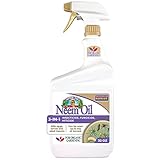
- Protect your oasis with 3 garden products in 1 from Captain Jack’s; Bonide Captain Jack’s Ready-to-Use Neem Oil spray for plants is a multi-purpose fungicide, insecticide and miticide for your lawn & garden
- Clarified Hydrophobic Extract of Neem Oil protects your garden from common fungal diseases including rust, powdery mildew and more; apply to house plants, roses, trees, shrubs, fruits, nuts & vegetables for effective protection against garden diseases
- Captain Jack’s Neem Oil kills eggs, larvae and adult stages of insects to provide full range protection against pests and insects; this is effective against spider mites, aphids, whiteflies & more
- Approved for organic gardening, Neem Oil spray is suitable for the production of organic produce and can be used up until the day of harvest
- This product arrives conveniently ready-to-use in a trigger spray bottle; to use, shake well and completely cover affected plants. Reapply as needed every 7-14 days. Please see product label for full instructions
4. Apple powdery mildew
Apple powdery mildew is caused by Podosphaera leucotricha. It produces white to gray powdery growth on buds, blossoms, young leaves, shoots, and sometimes fruit. Infected buds may open late or fail to produce normal flowers and fruit. Young leaves and shoots may also develop distorted or stunted growth.
Powdery mildew differs from apple scab in an important way: free water is not required for its spores to germinate. Warm temperatures and high humidity can therefore create powdery-mildew pressure even during a relatively dry period. A dry canopy does not automatically mean low disease risk.
How to prevent powdery mildew
- Start with a mildew-resistant cultivar when possible.
- Prune white-infected terminals from bloom through early summer, removing affected growth rather than leaving it as a continuing source of spores.
- Maintain an open canopy with good air movement.
- Scout buds, blossoms, and new shoots early. If the disease has been a recurring problem, treatment is more useful when started early and used according to the current label.
- Do not wait for extensive powdery growth before deciding whether prevention is needed; established infections are harder to manage.
A fungicide may protect new, uninfected tissue, but it should not be described as a way to restore leaves or fruit that are already visibly infected. The label determines whether a particular product can be used on apples and what diseases it may claim to control.
Free tools Windows power users keep installed
One-click scans. No signup required.
5. Black rot and frogeye leaf spot
Black rot and frogeye leaf spot are associated with Diplodia seriata, a fungus formerly identified in older literature as Botryosphaeria obtusa. The disease complex can affect leaves, fruit, and bark.
Frogeye leaf spot produces distinctive leaf lesions. Black rot can cause firm decay in fruit and cankers on branches. Infected or dead wood and mummified fruit can harbor the fungus, allowing disease pressure to continue from one season to the next.
How to prevent black rot and frogeye leaf spot
- Remove dead wood and infected prunings from the tree and orchard floor.
- Remove mummified fruit instead of allowing it to remain attached or beneath the canopy.
- Pay particular attention to dead or damaged branches, including branches previously affected by fire blight.
- Prune to improve airflow and help foliage and fruit dry more quickly.
- Avoid unnecessary wounds to branches and bark, and reduce avoidable tree stress.
- Handle apples carefully at harvest and during storage so wounds do not provide additional entry points.
Sanitation is especially important because a spray cannot reverse an existing canker or turn rotted fruit back into healthy fruit. Preventive products may have a role in a recurring disease program, but only if the current label covers apples and the target disease.
6. Bitter rot
Bitter rot is a serious fruit-rot problem in many eastern U.S. orchards, particularly during warm, wet seasons. Current Penn State guidance identifies temperatures above roughly 75°F and prolonged wetness as favorable conditions. The fungus may penetrate intact fruit and remain quiescent, or inactive, before symptoms become visible.
Rank #3

- Designed for homeowners and professionals: reduce mess and speed up lawn care with a wide‑mouth, translucent 48‑ounce tank that makes refilling and fluid‑level checks simple. The seals and gaskets work with all common lawn and garden, weeds and pest chemicals
- Versatile spraying: handle weed control, plant care, and cleaning tasks using an adjustable cone nozzle that switches from fine mist to focused stream - perfect for feeding plants and flowers, mist beehives, and general cleaning
- Consistent performance: stay productive during garden projects with an in‑tank anti‑clog filter that helps maintain smooth, uninterrupted spray output
- Comfortable control: work longer with less hand fatigue thanks to the ergonomic handheld design and thumb‑controlled shut‑off making it ideal for extended lawn and garden use
- Proudly Made in the USA: Expertly designed and manufactured in the USA with global materials, backed by Chapin’s 1-year limited warranty and supported by a dedicated US-based customer service and technical help centre
That hidden phase is why a clean-looking apple can later develop rot. Once visible decay appears, the effective preventive window may already have passed. Removing rotten fruit is still important for sanitation, but it is not a cure for fruit already infected.
How to reduce bitter-rot risk
- Remove mummified and rotting fruit from the tree and ground.
- Avoid bruising, cuts, insect damage, and other wounds to developing and harvested apples.
- Prune for canopy airflow so fruit and foliage dry more quickly after rain.
- Pay close attention to warm, rainy periods rather than relying only on a monthly calendar.
- Use preventive treatment only with a product labeled for apples and bitter rot in the intended location.
Bitter rot pressure varies considerably by region and season. A program used in a commercial orchard in the eastern United States may not be necessary, legal, or suitable for a backyard tree elsewhere.
The prevention plan that helps with all six diseases
1. Choose the tree before disease starts
Resistant or less-susceptible planting material is one of the strongest ways to reduce disease pressure and reliance on sprays. Scab resistance is particularly valuable where apple scab is a recurring problem, but disease resistance is not one universal trait. Check ratings for scab, fire blight, powdery mildew, and relevant rust diseases separately.
A cultivar that performs well in one climate may not be the best choice in another. Local nurseries and extension offices can help match a variety to local disease pressure, winter conditions, and growing requirements.
Quick wins for a faster PC:
Repair Windows errors before they cause bigger problemsFix Now →Fix the driver behind crashes, sound loss and screen glitchesFind Drivers →Clear out junk files and repair common Windows errorsFree Scan →2. Prune for a dry, open canopy
Dense growth traps humidity and slows drying. Pruning that opens the canopy can reduce the period leaves remain wet and can improve coverage if a labeled spray is used. Remove crowded growth and water sprouts where appropriate, while avoiding excessive pruning that creates unnecessary wounds or stresses the tree.
Pruning is also a direct sanitation measure. Remove dead wood, fire-blighted branches, infected terminals, and rust galls when recommended. Keep infected material out of the tree and do not leave removed fruit and branches beneath it.
3. Clean the tree and orchard floor
After leaf fall, remove diseased leaves that can support apple-scab spores. Throughout the season, remove mummified fruit, dead branches, and infected prunings that can carry black rot, frogeye leaf spot, or bitter rot inoculum. Sanitation is not a single autumn chore; it is an ongoing reduction of disease sources.
Rank #4
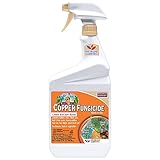
- Control fungus and disease in your garden with Captain Jack’s ready-to-use Liquid Copper Fungicide!
- Approved for organic gardening, this fungicide is suitable for the production of organic produce and can even be used up until the day of harvest!
- Copper Fungicide effective in the control and prevention of a wide range of plant diseases. Listed common garden diseases include blight, black spot, powdery mildew peach leaf curl and more.
- Apply copper fungicide to fruits, vegetables, ornamentals and other plants in your lawn and garden for complete and long-lasting disease control.
- This product arrives conveniently ready-to-use in a trigger spray bottle! To use, shake well and thoroughly apply to affected plants and foliage. Please see product label for full use instructions.
4. Prevent wounds and prolonged wetness
Use soil-level irrigation instead of wetting the canopy whenever possible. Avoid damaging bark and branches, and handle fruit carefully. Wounds create entry points for several rot diseases, while prolonged leaf wetness increases the risk of diseases such as scab.
5. Scout by weather and growth stage
Walk the tree regularly and examine new leaves, blossoms, shoots, fruit, and branch unions. Record what appears and when it appears. Warm rain, extended humidity, and long periods of leaf wetness can change risk quickly. Weather-based disease-risk tools can help with timing decisions, but they do not replace scouting, local advice, or the product label.
6. Treat only when the use is justified and legal
If a recurring disease threatens the crop, compare the likely benefit of treatment with the disease’s timing and severity. Before using any pesticide, confirm all of the following:
- The product is labeled for use on apples.
- The intended disease is listed or the use is otherwise permitted by the label.
- The tree’s growth stage and intended application match the directions.
- The preharvest interval is observed before eating or harvesting fruit.
- Required protective equipment, storage, disposal, and mixing directions are followed.
- State, provincial, national, or local restrictions are satisfied.
The pesticide label is legally controlling. Commercial-orchard products and schedules are not automatically appropriate for a noncommercial backyard tree, even when the active ingredient sounds familiar.
Independent reader supportYour contribution helps us test, update, and keep practical guides available for everyone.Choosing a product without overpromising
Readers comparing an apple tree fungicide should treat the product category as a tool for prevention, not as a cure-all. For example, the manufacturer of Bonide Fruit Tree & Plant Guard Concentrate lists fruit-tree use and claims for diseases including apple scab and powdery mildew in its product information. That does not mean the product controls all six diseases, that every formulation is registered in every location, or that its current directions are unchanged.
Recommended Free Tools
Check the current package label and applicable registration before purchase or use. The label, not a retailer listing or a general article, controls the crop, disease claims, application timing, rate, harvest interval, and geography. Never use a product on edible apples simply because it is marketed broadly for gardens.
A basic pruning kit can also support the cultural controls in this guide. Bypass pruning shears are useful for removing affected shoots, terminals, and small galls when the branch size is within the tool’s capacity. A pruning-tool disinfectant can support sanitation between cuts when used according to its own directions. Neither tool prevents disease by itself, and neither is a substitute for identifying the problem and disposing of infected material properly.
Best Value

- PetraTools Garden Sprayer - Perfect for DIYers Seeking Professional Results: Our durable yet lightweight water sprayer, with a 52” hose and 16” wand, ensures comfortable extended use and excellent coverage, making it ideal for versatile liquids such as fertilizers, mulch glue, and pesticides.
- Translucent Tank with Large Ergonomic Handle for Comfortable Use: This weed sprayer features a funnel-shaped opening for easy pouring, a large handle to reduce hand strain during extended use, and a translucent tank with markings to simplify every gardening task.
- Built-in Pressure Release Valve for Safe Operation - Prevent accidental spray bursts with a safety valve that releases excess air pressure. Built with heavy-duty components, our sprayers in lawn and garden offers consistent and leak-free operation when correctly assembled and maintained.
- 1 Gallon Sprayer with 2 Nozzles for Precise Spray Control: The HD101 pressure sprayer features an adjustable nozzle for a gentle mist or powerful jet and a fan tip nozzle for wide coverage, making it perfect for lawn care, pest control, weed killing, fertilizing, watering, and more!
- Clog-Free Performance with Built-In Filters: Our garden sprayer 1 Gallon features high-quality built-in filters that prevent debris from clogging the nozzle, ensuring consistent operation every time. If the nozzle becomes clogged, clean the filters to restore optimal performance.
Disclosure: Product links on this page may earn the publisher a commission at no additional cost to you. A product mention is not a guarantee that it will control a particular disease; always verify the current label for your apple tree and location.
What to do when you find symptoms
- Photograph the whole tree and the affected part. Include leaves, fruit, shoots, bark, and the surrounding canopy. Disease patterns across the tree are often more useful than one close-up spot.
- Note the timing. Record whether symptoms appeared after bloom, after several rainy days, during hot humid weather, or near harvest.
- Separate sanitation from treatment. Remove mummified fruit, dead wood, and clearly infected tissue where appropriate, even while the diagnosis is being confirmed.
- Do not spray based on one symptom alone. Rust, scab, frogeye leaf spot, and other problems can all produce leaf lesions; different diseases require different strategies.
- Ask a local extension office for help when the diagnosis is uncertain. This is especially important for a spreading canker, repeated crop loss, possible fire blight, or any tree whose fruit will be eaten.
Bottom line
The most reliable apple-tree disease program begins before symptoms appear: plant a suitable resistant cultivar, keep the canopy open, remove fallen leaves and infected debris, avoid wounds and overhead watering, and scout during risky weather and growth stages. Fire blight requires prompt pruning and tool sanitation; rust requires attention to alternate hosts; scab and rot diseases make sanitation especially important; and powdery mildew requires early attention even when the weather is not rainy. Use pesticides only as targeted, label-compliant preventives—not as a universal cure for all six diseases.
What’s actually slowing this PC down?
Pick the symptom - the matching free tool is one click away.
Frequently Asked Questions
Can a fungicide cure apple scab after symptoms appear?
No. Apple scab fungicides generally protect healthy tissue and work best before infection or early in the disease cycle. They cannot restore lesions already established on leaves or fruit. Remove infected debris and follow the current apple-and-scab label if preventive treatment is warranted.
Do I need to remove every cedar near my apple tree?
Not necessarily. Cedar-apple rust needs both an apple-family host and a cedar or juniper host, but spores can travel long distances. Removing one nearby cedar or juniper may reduce local inoculum without eliminating the disease if other susceptible hosts are present.
Can copper or antibiotics cure fire blight?
No. Fire blight is bacterial, and copper products or antibiotics are not universal cures. Prompt removal of infected tissue well below visible symptoms, appropriate tool sanitation between cuts, resistant cultivars, and local extension advice are central. Any product must be legal and labeled for the intended apple use.
Will one apple-tree spray control all six diseases?
No. The six diseases have different causes, symptoms, and favorable conditions. A product labeled for apple scab or powdery mildew may not be labeled for fire blight, rust, black rot, or bitter rot. Always check the current label for the apple crop and specific disease.
Outdated Drivers Are Slowing You Down
One free scan finds every outdated or missing driver and matches the right update for your exact hardware.Free scan · exact hardware matchPC Slower Than It Used to Be?
A free scan shows the junk files, broken settings and background clutter dragging Windows down - then fixes them in one click.Free scan · Windows 10 & 11The Bottom Line
Preventing apple-tree disease is primarily an exercise in cultivar selection, sanitation, pruning, airflow, careful watering, and timely scouting. Identify the likely disease before choosing a treatment, and let the current label and local extension guidance determine whether a product is legal and appropriate.
Quick Recap
Product prices and availability are accurate as of the date/time indicated and are subject to change. Any price and availability information displayed on Amazon at the time of purchase will apply.




