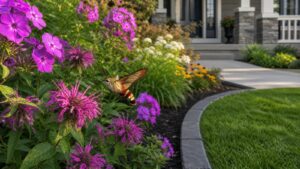
native plants
-
Food Security
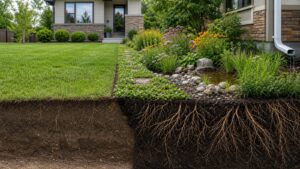
The Hidden Cost of Monoculture Yards: Soil Damage, Weak Ecosystems, and Less Resilient Food
Monoculture gardening looks simple, but it often creates shallow roots, compacted soil, pest pressure, runoff, higher maintenance costs, and weaker ecological resilience. Here is how homeowners can replace one-plant landscapes with practical, attractive, lower-risk alternatives.
-
beneficial insects
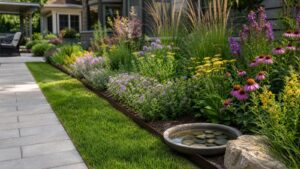
Beneficial Garden Insects: How to Design a Yard That Works With Nature
Beneficial insects are not just a garden curiosity. With the right plants, edges, drainage, and maintenance plan, they can help pollinate vegetables and flowers, reduce pest pressure, improve soil cycling, and make a yard easier to manage.
-
garden planning
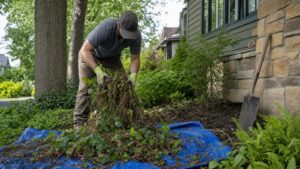
Ground Covers That Take Over: 5 Plants We Would Not Put in a Garden Bed
Some ground covers are sold as low-maintenance solutions, but they can turn into dense, expensive infestations. Here are five plants homeowners should avoid, plus better replacements and realistic 2026 removal costs.
-
Landscape Design
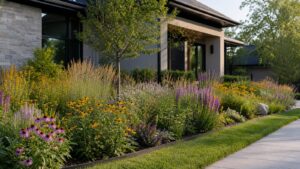
How to Build a Meadow Garden That Looks Designed, Not Neglected
A meadow garden can replace thirsty turf with native grasses, sedges, and wildflowers, but the best results come from treating it like a landscape construction project: planned layout, clean edges, proper site prep, realistic costs, and a three-year establishment schedule.
-
drought tolerant plants
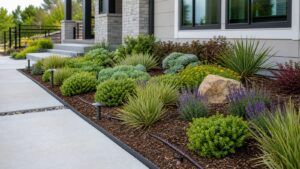
Low-Maintenance Garden Plants That Actually Stay Low-Maintenance
The best low-maintenance garden is not just a list of tough plants. It is a well-built landscape system: correct grading, healthy soil, right-sized plants, mulch, irrigation, and smart spacing.
-
Home Design
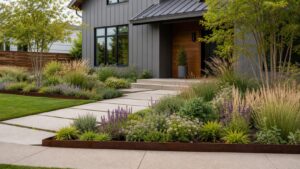
Naturalistic Landscape Design: Low-Maintenance Yard Ideas That Actually Work
Naturalistic landscape design can make a yard easier to care for, but only when the site is planned like a construction project: drainage first, soil next, then dense regional planting, irrigation zones, paths, and establishment maintenance.
-
garden design
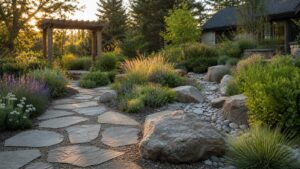
Rustic Garden Design That Looks Natural and Holds Up
A rustic garden should feel relaxed, local, and natural, but the best ones are built with real planning: drainage first, durable materials, practical paths, native planting, and hardscape details that survive weather and use.
-
garden design
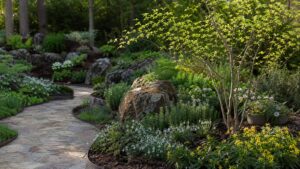
How to Build a Middle-earth Garden With Plants That Actually Grow in U.S. Yards
A Tolkien-inspired garden should be more than a list of fantasy plant names. Here are six Middle-earth plant ideas, the real garden substitutes that work in U.S. yards, and the construction details that make the design last.
-
erosion control
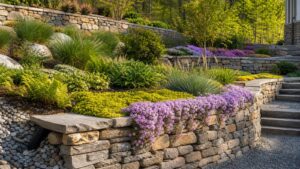
Best Plants for a Retaining Wall Garden That Looks Natural and Holds Soil
A good retaining wall garden is not just pretty planting. The right mix of groundcovers, sedges, grasses, ferns, and compact shrubs protects soil, keeps maintenance realistic, and works with the wall instead of against it.
-
garden design
Hummingbird Moths in U.S. Gardens: What They Are, Why They Help, and How to Attract Them
U.S. homeowners often call these fast, hovering insects hummingbird hawk moths, but most sightings are native hummingbird moths or sphinx moths. Here is how to identify them, support them, and build a practical pollinator garden that still looks clean from the curb.