appliance repair
-
appliance repair
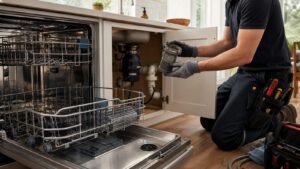
The Best Dishwasher Cleaner for Odors Is Only Half the Fix
A dishwasher cleaner can remove odor, scale, and residue, but smells that return quickly usually point to a dirty filter, trapped food, poor drain…
-
appliance repair
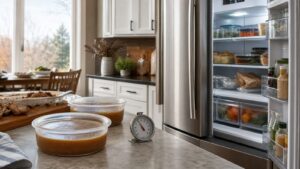
Gravy in the Fridge: The 4-Day Rule, Spoilage Signs, and Refrigerator Problems to Watch
Gravy is usually safe for 3 to 4 days in a refrigerator kept at 40°F or below. Here is how to cool, store, reheat,…
-
appliance repair
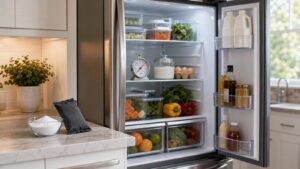
How to Remove Refrigerator Odors and Stop Them From Coming Back
Fridge smells are usually caused by spoiled food, hidden residue, moisture, poor airflow, a clogged drain, a dirty drip pan, or unsafe temperatures. This…
-
appliance repair
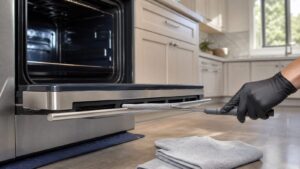
How to Clean Between Oven Door Glass Without Wrecking the Door
The safest no-disassembly method is to clean the exposed glass first, confirm your oven has bottom access slots, then use a barely damp wrapped…
-
appliance repair
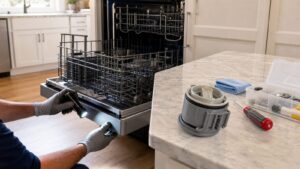
Best Glue for Dishwasher Repair: What Actually Works and What Should Be Replaced
The best glue for dishwasher repair depends on the part, material, heat exposure, water pressure, and whether the surface contacts dishes. Here is the…
-
appliance repair
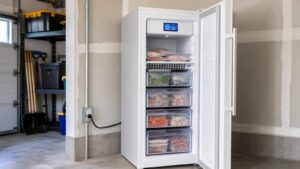
What Temperature Should Your Freezer Be? The Food-Safe Setting and the Home Setup Behind It
The food-safe freezer temperature is 0°F or colder, but the real answer is bigger than the dial setting. Here is how to verify the…
-
appliance repair
The Best Refrigerator Temperature for Safer Food and a Better-Running Kitchen
The safest everyday refrigerator setting is 37°F, with the freezer at 0°F. Here is how to measure the real temperature, protect food during outages,…

-
appliance repair
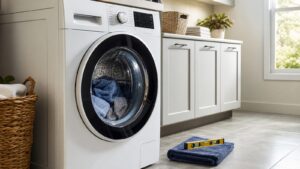
Washer Not Spinning? 8 Fast Checks Before You Pay for a Repair
A washer that will not spin is usually protecting itself from an unsafe condition, failing to drain, or dealing with a worn drive part.…