A solar oven cooks with sunlight instead of burning fuel or using grid electricity. Reflectors collect and redirect sunlight, a dark cooking surface absorbs it as heat, and an insulated or enclosed chamber slows heat loss. The result is a practical outdoor oven whose performance depends on direct sun, weather, orientation, insulation, and the amount of food inside.
Solar ovens are not all the same. Box cookers are steady and forgiving, panel cookers are lightweight and foldable, parabolic cookers can reach higher cooking power, and evacuated-tube models reduce heat loss with vacuum insulation. Understanding that difference is the key to choosing, building, and using one safely.
What is a solar oven?
A solar oven, also called a solar cooker, is a device that captures the sun’s radiant energy and converts it directly into heat for cooking. It does not generate electricity first. This is the main difference between a solar oven and a photovoltaic solar panel: a photovoltaic panel converts sunlight into electrical energy, while a solar oven uses sunlight as thermal energy.
As an Amazon Associate I earn from qualifying purchases.
Free tools Windows power users keep installed
One-click scans. No signup required.
Most solar ovens combine three basic parts:
- A solar collector: reflective panels, a curved reflector, or another surface that gathers and redirects sunlight.
- A heat absorber: usually a dark pot, tray, plate, or internal chamber that absorbs incoming light and becomes hot.
- A heat-retaining enclosure: a transparent cover, insulation, cooking bag, or vacuum layer that reduces heat escaping into the surrounding air.
In simple terms, the collector supplies more sunlight, the dark absorber turns that sunlight into heat, and the enclosure keeps the heat near the food long enough to cook it.
How does a solar oven work?
- Sunlight enters the cooker. Direct sunlight travels through the atmosphere and reaches the cooker. The stronger and less obstructed the sunlight, the more heating power is available.
- Reflectors increase the collected energy. Shiny panels redirect sunlight toward the cooking chamber. A parabolic reflector concentrates it onto a smaller focal area, increasing temperature and cooking power, while a box or panel cooker spreads the energy over a larger area.
- A dark surface absorbs the radiation. Dark cookware or a dark internal plate absorbs more visible and near-infrared radiation than a light-colored surface. The absorber heats up and transfers heat to the food.
- The food receives heat in several ways. Heat moves from the hot vessel into the food by conduction. Hot air and steam circulate through the food by convection, while hot internal surfaces also emit thermal radiation.
- The enclosure limits heat loss. A transparent lid lets sunlight in while reducing drafts. Insulation slows heat conduction through the walls. In an evacuated-tube cooker, a vacuum around the cooking chamber performs a similar job to the vacuum in a thermos.
- The temperature levels off. The cooker heats until the energy arriving from the sun roughly balances the energy being lost through the lid, walls, air movement, radiation, and openings. There is no single temperature shared by all solar ovens.
Adding a large amount of cold food can lower the chamber temperature temporarily. Opening a lid or cooking tube lets heat escape. Wind, clouds, a low sun angle, poor alignment, and a cold or poorly insulated vessel can all slow cooking.
#1 Best Overall
- ECO-FRIENDLY & EFFICIENT – Save money on fuel by harnessing the power of the sun to cook delicious meals! This essential piece of camping gear is a sustainable, earth-friendly alternative to traditional cooking methods
- PERFECT FOR CAMPING & OUTDOOR ADVENTURES – Utilizes up to 12 hours of sunlight for optimum convenience. Whether you're camping, hiking, or off-grid, this solar cooker ensures you can prepare hot meals anywhere—no fire, gas, or electricity required
- LIGHTWEIGHT & PORTABLE – Designed for easy transport, this compact solar cooker folds neatly for hassle-free storage and carrying, making it ideal for camping, backpacking, and emergency situations
- DURABLE & WEATHER-RESISTANT – Built with high-quality polypropylene, this solar oven withstands outdoor elements, ensuring long-lasting performance in harsh outdoor environments
- VERSATILE FOR COOKING – Bake, boil, steam, or roast a variety of meals, from soups and veggies to meats and desserts. Achieve consistent cooking results with the power of sunlight and the right equipment
The main types of solar oven
1. Box cookers
A box cooker is an insulated enclosure with a transparent top and, commonly, one or more hinged external reflectors. Its interior usually contains a dark absorber plate or dark cookware.
This is the closest solar equivalent to a slow oven. Box cookers are relatively stable and forgiving, making them a good starting point for beginners. They are well suited to casseroles, stews, rice, beans, vegetables, bread, cakes, roasting, steaming, and simmering. Because the heat is moderate and moisture is retained, food is less likely to scorch than in a high-concentration cooker.
The Tool Desk
Outbyte Driver Updater FREEScan for outdated or missing drivers - takes under a minuteDriver Scan →Outbyte PC Repair FREEClear out junk files and repair common Windows errorsFree Scan →Under favorable conditions, construction guides describe box cookers reaching approximately 120–150 °C (250–300 °F), although actual results vary substantially with design, sunlight, wind, ambient temperature, and load. Their disadvantages are slower heating and less ability to sear or fry.
2. Panel cookers
Panel cookers use several flat or slightly curved reflective panels to direct sunlight toward a dark pot. The pot is often placed inside a heat-resistant cooking bag or beneath a transparent cover.
Panel cookers fold flat, are generally easy to transport, and can be useful for camping, demonstrations, and emergency kits. They are usually less insulated than box cookers, so they may lose heat more quickly. Wind stability, accurate pot placement, and the quality of the cooking bag or cover make a noticeable difference.
3. Parabolic cookers
A parabolic cooker uses a curved reflector to concentrate sunlight onto a focal point or focal region where the cooking vessel sits. Because more energy is concentrated on a smaller area, this design can provide substantially greater cooking power and may support frying, grilling, or searing.
The trade-off is attention and risk. A parabolic cooker must be aimed at the sun and adjusted as the sun moves. Its reflected light can produce severe glare and localized hot spots. The reflector should be stabilized, combustible materials should be kept away, children should be supervised, and the cooker should never be left unattended. Do not look toward a bright focal reflection, and follow the manufacturer’s aiming and shutdown instructions.
In one experimental comparison of particular household cookers, the tested parabolic model produced about 198 watts of initial cooking power, compared with approximately 65 watts for the box cooker and 25 watts for the panel cooker. It heated water to 95 °C in about 97 minutes, versus approximately 195 minutes for the box cooker and 229 minutes for the panel cooker. Those figures describe the tested devices and conditions; they are not guaranteed results for every cooker in those categories.
Rank #2

- 【Latest Solar Oven】The solar cooker works in all seasons as long as the sun is up. It even functions on cloudy days or in snowy conditions, effectively capturing ultraviolet light and retaining heat.
- 【Fast & Delicious】It takes only 20 minutes to cook a meal, reaching a maximum temperature of 300°F(150°C) in full sunlight. Solar cooking also delivers better flavor—with minimal air movement inside the oven, food cooks evenly and stays moist and tender.
- 【Easy to Use】The solar stove can be set up and stored in seconds thanks to the zipper design on both sides. It requires no supervision, so even children can join in the fun. It saves you time and energy, letting you relax while enjoying your meal.
- 【Portable & Durable】Its exterior resembles a one-piece handbag with an adjustable strap. The durable vacuum tube cooking chamber provides excellent insulation, keeping heat in and cool air out.
- 【Wide Application】Use it anywhere there is sunlight—whether camping in a tent, in a motorhome, mountaineering, hunting, fishing, kayaking, or even on military maneuvers. Our solar oven is a reliable source of hot beverages and safely cooked food, anytime.
4. Evacuated-tube and hybrid cookers
Some portable solar ovens use a cylindrical evacuated glass tube surrounded by reflective panels. The vacuum greatly reduces heat loss, while the reflectors direct sunlight into the cooking chamber.
For example, GoSun describes its Fusion model as using an evacuated tube and two parabolic reflectors. The manufacturer lists a maximum temperature of 450 °F, a 101-ounce cooking tray, and a hybrid 150-watt electric heating element that can run from a suitable 12-volt source when sunlight is unavailable. These are manufacturer specifications, not independent performance results. A hybrid model is therefore not purely solar in every operating mode, but it can be useful when weather changes or an evening meal cannot wait for the sun.
What can you cook in a solar oven?
Solar ovens are especially well suited to food that benefits from gradual, moist heating:
- Rice, beans, grains, and vegetables
- Soups, stews, and casseroles
- Roasted meats and poultry
- Bread, cakes, and other baked dishes
- Steamed foods and slow-cooked meals
Box and panel cookers tend to retain moisture. That helps prevent scorching but can limit the browning and crisp crust produced by a conventional oven. A parabolic cooker can provide more direct, intense heat, but it requires more active supervision and careful positioning.
Do not transfer conventional-oven cooking times directly to a solar cooker. You may need to preheat the cooker, use a smaller food load, reposition the reflector, or allow substantially more time. Sun intensity and angle, cloud cover, wind, ambient temperature, cookware color and material, cooker alignment, and how often the chamber is opened all affect the result.
Weather, season, and location matter
Solar cooking is intermittent rather than on-demand. A cooker needs a reasonably clear view of the sun, and it performs best when aimed correctly during the brighter part of the day. Haze and partial cloud may still provide some heat, but reduced direct radiation lowers output. Heavy cloud, shade, rain, and low winter sun can make cooking impractical.
Performance also varies by geography. A bright, calm location with a clear horizon can produce very different results from a windy, cloudy coastal site, even with the same cooker. Seasonal sun angle, latitude, local terrain, and the length of the available daylight all matter.
Plan the meal around the sun rather than expecting the appliance to behave like an indoor oven. Place the cooker where it will not be shaded, allow room to adjust its orientation, and protect it from strong wind without blocking sunlight.
Rank #3
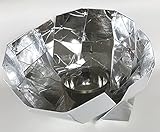
- Top Ranked Solar Cooker
- Cook Delicious Meals Using the Power Of the Sun
- For Home Use, Camping or Keep On Hand for Power Outages and Emergencies
- Adjustable to Maximize Sun Power
- Easy to Set-Up and Store
Food safety: measure the food, not just the cooker
A hot-looking pot or chamber does not prove that food is safe. The dependable way to verify cooking is to measure the internal temperature with a food thermometer, checking the thickest part of the food and following the cooker’s instructions.
USDA FSIS minimum temperature guidance includes:
| Food | Minimum internal temperature |
|---|---|
| Poultry and casseroles | 165 °F (74 °C) |
| Ground meats | 160 °F (71 °C) |
| Whole cuts of beef, pork, lamb, and veal | 145 °F (63 °C), followed by a three-minute rest |
| Fish | 145 °F (63 °C) |
Food can continue heating after the cooker itself becomes hot, so do not assume the chamber temperature equals the food’s internal temperature. Avoid leaving partially cooked perishable food in the temperature danger zone. USDA guidance says perishable food should not remain there for more than two hours, or more than one hour when the outdoor temperature is above 90 °F (32 °C).
What’s actually slowing this PC down?
Pick the symptom - the matching free tool is one click away.
Use heat-resistant gloves when handling cookware. With a parabolic unit, stabilize the stand, keep hands away from the focal region, keep combustible items clear, and supervise children and pets. Reflected sunlight can burn skin, damage eyesight, or ignite materials even when the cooking pot is not being touched.
Can a solar oven replace a normal stove?
Usually, no. Solar ovens are best viewed as complementary cooking appliances. They can reduce the use of propane, charcoal, or grid electricity during suitable daylight conditions, and they can keep cooking heat out of a house during hot weather. They are also useful for camping, preparedness, outdoor education, and demonstrations.
But they cannot provide the same on-demand reliability as a gas, electric, or induction stove. Cooking may stop when clouds arrive, the sun may be too low, and high-concentration designs require more active monitoring. The equipment may also be bulky or costly compared with a basic outdoor stove.
Some solar cookers can be used for dehydration or water pasteurization, but warmth alone does not validate those uses. Any claim about making water safe or preserving food needs a method appropriate to that specific purpose, with validated time and temperature controls.
How to choose a solar oven
| Your priority | Most suitable design | Main compromise |
|---|---|---|
| Simple family meals and beginner-friendly operation | Box cooker | Slower heating and limited searing |
| Low weight, compact storage, or camping | Panel cooker | Less insulation and greater sensitivity to wind |
| Fast heating, frying, grilling, or searing | Parabolic cooker | Frequent aiming, glare, burn, and fire hazards |
| Portability and reduced heat loss | Evacuated-tube cooker | Often higher cost and model-specific cookware |
| Solar cooking with an emergency power fallback | Hybrid evacuated-tube model | It is not solar-only when using its electric element |
When comparing products, separate independent testing from manufacturer specifications. Solar Cookers International maintains a Performance Evaluation Process and publishes results for selected models, including the Haines Pop Open. A published test applies to the named cooker and test conditions; it should not be treated as a universal rating for every panel cooker.
Useful accessories include a dark, heat-resistant cooking vessel, a stable stand or supports, heat-resistant gloves, a weather-resistant storage bag, and a food thermometer. A solar oven cookbook can also help because recipes and timing need to be adapted to gradual, sunlight-dependent cooking. The official Sun Oven Cookbook, for example, describes more than 100 recipes and includes directions for the All-American Sun Oven; it is a recipe companion, not a replacement for food-safety guidance.
Independent reader supportYour contribution helps us test, update, and keep practical guides available for everyone.Could you build one?
The basic construction idea is accessible: create an insulated box or folding reflector arrangement, provide a dark absorber, use a transparent heat-resistant cover where appropriate, and design the structure so it can be aimed safely and remain stable. However, construction quality matters. Poor insulation, gaps around the lid, weak reflective surfaces, unstable supports, unsuitable plastics, and inadequate ventilation or heat-resistant materials can reduce performance or create hazards.
Rank #4

- Product includes: The product includes 2 sets green of camping ovens portable, which use sunlight to cook or heat food. They are foldable for storage and come with a handy storage bag, making them lightweight and practical
- Installation method: First pull up a little zipper; Then adhesive strip of together to use; You can also make a wooden stick to put in the middle or sides of the inside to prevent the plastic lid from sagging and touching the food
- Unfold size: The solar oven measures 23.6 inches/ 60 cm in length, 19.7 inches/ 50 cm in height, and 17.7 inches/ 45 cm in depth, It fits a 5-quart Dutch oven. Cooking temperature varies with conditions, reaching up to 212°F in hot weather
- Reminder: The camp oven is made of thick foam, reflective metal, and PVC with a metal zipper and waterproof Oxford cloth. To ensure good heating and cooking results, they should be on a table or concrete, not grass, for optimal heating
- Multifunctional: The solar stove can not only be applied for camping, RV travel, heating food and water during power outages or emergencies but also for accelerating the composting process and speed up composting by raising temperatures for faster fermentation
A homemade box cooker is generally a more forgiving construction project than a homemade parabolic reflector. A concentrating reflector needs accurate geometry, a secure focal-area support, controlled aiming, and a safe way to stop or redirect the reflected beam. Never test a new concentrating design near dry vegetation, combustible buildings, children, or unprotected eyes.
Outdated Drivers Are Slowing You Down
One free scan finds every outdated or missing driver and matches the right update for your exact hardware.Free scan · exact hardware matchPC Slower Than It Used to Be?
A free scan shows the junk files, broken settings and background clutter dragging Windows down - then fixes them in one click.Free scan · Windows 10 & 11For a construction-minded project, treat the cooker as a small thermal enclosure: reduce conductive, convective, and radiative losses; protect the transparent cover; provide a stable base; and make adjustment and shutdown predictable. The sun supplies the energy, but the enclosure and reflector determine how much of it reaches the food.
Solar oven advantages and disadvantages at a glance
| Advantages | Disadvantages |
|---|---|
| Uses sunlight directly during solar operation | Depends on daylight, weather, and clear exposure |
| No fuel combustion during solar cooking | Often slower than a conventional oven or stove |
| Can reduce heat added to a home on hot days | Some models require aiming and sun tracking |
| Useful for camping, preparedness, and education | High-concentration types can cause glare, burns, and fires |
| Some models can also support drying or other specialized uses | Portable or high-performance models may be expensive |
Frequently Asked Questions
Do solar ovens work on cloudy days?
They may warm or slowly cook food in light haze or partial cloud, but performance falls as direct sunlight decreases. Heavy cloud, shade, rain, and low sun angles can make cooking impractical. A manufacturer’s claim for one model should not be generalized to every solar oven.
How hot does a solar oven get?
There is no universal temperature. Box cookers may reach roughly 120–150 °C (250–300 °F) in favorable conditions, while parabolic and some evacuated-tube designs can reach higher temperatures. The actual result depends on sunlight, alignment, wind, insulation, cookware, and the food load.
Can a solar oven bake bread or cake?
Yes. Box-style solar ovens are commonly suited to baking, although recipes may need longer or different cooking times than conventional-oven recipes. Moisture retention can affect browning and crust formation.
Recommended Free Tools
Is solar-cooked food safe?
It can be, provided the food reaches a safe internal temperature and is handled properly. Use a food thermometer, check the thickest portion, and do not leave perishable food partly cooked in the temperature danger zone.
Which solar oven is best for beginners?
A box cooker is usually the most forgiving starting point because it is stable, insulated, and less likely to create an intense focal point. A panel cooker is better when compact storage matters, while a parabolic cooker suits users who need higher heat and can provide close supervision.
The Bottom Line
The short answer: a solar oven collects or concentrates sunlight, converts it to heat on a dark absorber, and retains that heat with a cover, insulation, or vacuum. Box and panel cookers favor slower, moist cooking; parabolic cookers deliver more power but demand careful aiming; and evacuated-tube models improve heat retention and portability. The sunlight is free, but the cooking schedule is controlled by the weather, sun angle, orientation, and thermal load.
Quick Recap
Product prices and availability are accurate as of the date/time indicated and are subject to change. Any price and availability information displayed on Amazon at the time of purchase will apply.
Do these 3 things before closing this tab:
1Clear out junk files and repair common Windows errors2Scan for outdated or missing drivers - takes under a minute3Repair Windows errors before they cause bigger problems