Some links on this page are affiliate links: if you buy through them we may earn a commission, at no extra cost to you.
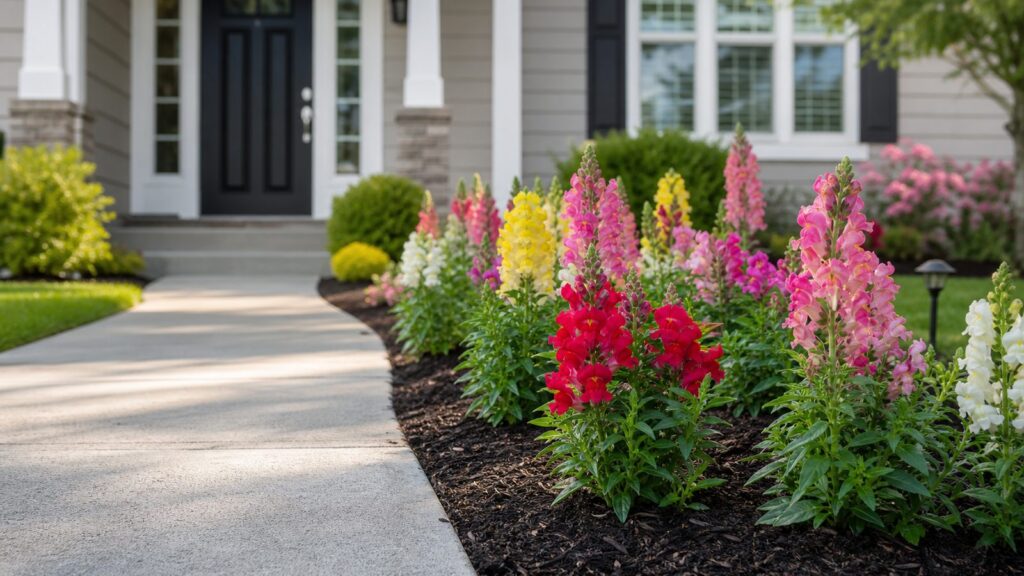
Snapdragons are cool-season flowering plants that give a front walk, porch container, mailbox bed, or commercial entry a clean shot of color when many warm-season flowers are either finished or not ready yet. The key is treating them like the cool-weather crop they are. Plant them at the right time, give them full sun and well-drained soil, keep water off the foliage when possible, and plan for them to slow down when summer heat arrives.
For homeowners, snapdragons are also a good value. A packet of common seed may cost about $2 to $6 in 2026, while nursery transplants commonly run about $3 to $6 per 4-inch pot, $4 to $8 per 6-pack, or $18 to $45 per flat depending on market and variety. A small 25-square-foot border can be a sub-$100 DIY project if you start from seed, or several hundred dollars if you buy finished plants, add compost and mulch, and hire planting labor.
As an Amazon Associate I earn from qualifying purchases.
Windows Errors? Fix Them Before They Spread
Repair common Windows errors and clear accumulated junk for a smoother, more stable PC - no reinstall needed.Free scan · no reinstallOutdated Drivers Are Slowing You Down
One free scan finds every outdated or missing driver and matches the right update for your exact hardware.Free scan · exact hardware matchOn our job sites, snapdragons work best when we handle them like part of the construction finish: grade the bed correctly, fix compacted soil, avoid irrigation overspray, keep plant height out of sight lines, and leave access for maintenance. A pretty flower bed still has to drain, stay serviceable, and not interfere with walks, doors, lighting, utilities, or HOA rules.
What Snapdragons Are Best For
Snapdragons, botanically Antirrhinum majus, are usually grown as annuals across the United States. In mild climates, they can act like short-lived perennials, but most homeowners should plan around seasonal performance rather than permanent planting.
Popular on Amazon

- Home Grown Fairy & Northern Lights Spurred Snapdragon Mix (Linaria maroccana): High-performance authentic open-pollinated Premium Heirloom seeds (USA): Non-GMO, Untreated seeds, High germination rate. Exquisite Micro-Detailing: Laced Textures & Gothic Grace.
- Architectural Duet of Two Legends. Sculptural synergy of forms. The multi-tiered, colorful sphere of the mix combines a complex mosaic of textures, curves, fairy-tale texture and originality. The famous low-growing 'Fairy Bouquet', which won prestigious AAS and RHS awards - forms a dense, lush cushion in the foreground. Behind it towers the tall 'Northern Lights' - the ideal background.
- Cushion volume and openwork micro-graphics of Fairy Bouquet. Compact inflorescences with flawless gradation - from dense buds at the top to elegant corollas with curved spurs. Filigree botanical micro-relief of the "velvety" throat - nature's autograph: the flowers resemble fluttering little dragons or tropical birds.
- Vertical-avant-garde, cascade-spire-shaped Northern Lights. Macro-accent with jewelry-like micro-detailing. Graceful spike-like "spires". Rhythmic gradation - from dense patterned buds at the pointed peak to open corollas with curved spurs. On thin graphic axes - exotic "moths".
- Elegy of color. Picturesque, smooth gradient overflows as if descended from impressionist canvases. Juicy pink, yellow, purple, scarlet and violet inflorescences with contrasting yellow throats replace each other, filling the garden with fluttering colors and a festive atmosphere. Watercolor art exhibition in dynamics.
Their best uses are:
- Front borders: dwarf and intermediate varieties create a neat band of color along sidewalks, patios, and entry walks.
- Containers and window boxes: dwarf types hold their shape well and mix cleanly with pansies, violas, ornamental kale, alyssum, and parsley.
- Back-of-border height: tall snapdragons add vertical bloom behind lower annuals.
- Cut-flower rows: tall modern varieties can produce long stems when matched to season, light, and temperature.
- Pollinator gardens: the flowers attract bumblebees and hummingbirds.
The biggest mistake is buying by flower color alone. Height matters. A 6- to 10-inch dwarf snapdragon belongs near the front edge or in a pot. An 18- to 36-inch tall variety can look awkward in the same spot, block low windows, lean into walkways, and require staking.
Snapdragon Types: Dwarf, Intermediate, and Tall
Most retail snapdragons fall into three practical size groups. Labels vary by grower, but the design logic is consistent.
Recommended Free Tools
| Type | Typical Height | Best Use | Spacing | Field Notes |
|---|---|---|---|---|
| Dwarf | About 6-10 inches | Containers, edging, window boxes, front of beds | 4-6 inches | Best where you need tidy color without blocking views. |
| Intermediate | About 12-24 inches | Mass bedding, mixed borders, entry beds | 6-10 inches | Good all-purpose landscape choice for curb appeal. |
| Tall or cut-flower | About 18-36 inches | Cutting gardens, back borders, fence lines | 9-12 inches | Often needs staking or support, especially in wind or rain. |
For a polished street view, plant snapdragons in groups, blocks, or ribbons instead of scattering single plants. From 30 to 60 feet away, isolated plants disappear. A 12- to 18-inch-wide ribbon along a walk or a 3-by-8-foot mass near an entry reads much better.
When to Plant Snapdragons by Climate
Snapdragons bloom best in cool weather. They are not summer workhorses like zinnias, marigolds, or vinca. In many regions, they peak in spring, slow or stop in summer heat, and may rebound in fall if the plants stay alive.
Cold and Northern Climates
In colder regions, start snapdragon seed indoors about 8 to 12 weeks before your average last frost. Transplants are usually more reliable than direct seeding because spring weather warms quickly and the bloom window can be short.
Move young plants outdoors after the worst hard-freeze risk has passed and the soil can be worked. Harden them off for 7 to 10 days before planting. Snapdragons can tolerate cool conditions better than many bedding flowers, but newly purchased greenhouse plants still need a transition period.
The Tool Desk
Outbyte Driver Updater FREEFix the driver behind crashes, sound loss and screen glitchesFind Drivers →Outbyte PC Repair FREEClear out junk files and repair common Windows errorsFree Scan →Transition Zones
In much of the middle U.S., snapdragons can be planted in early spring for spring bloom and again in fall for cool-season color. Fall planting often produces stronger plants because roots establish while temperatures are moderate.
For a practical schedule, plant fall snapdragons 6 to 8 weeks before your typical hard winter weather settles in. Spring transplants should go in as soon as the bed is workable and nighttime temperatures are not repeatedly punishing young plants.
Warm Southern and Coastal Climates
In Florida, the Gulf Coast, parts of the Southwest, and other warm-winter areas, snapdragons are often best treated as fall, winter, and early-spring flowers. Planting them late in spring is usually a losing bet. By the time roots establish, heat pressure is already building.
In hot climates, full morning sun with some afternoon shade can extend bloom life. Good airflow still matters. Deep shade produces stretched, weak plants with fewer flowers.
What’s actually slowing this PC down?
Pick the symptom - the matching free tool is one click away.
Site Conditions: Sun, Soil, Drainage, and Bed Prep
Snapdragons want full sun, fertile soil, and consistent moisture without soggy roots. If we had to rank the three biggest site issues, drainage would be first, timing second, and airflow third.
Sun Exposure
Plan for at least 6 hours of sun where possible. In cooler climates, full sun is best. In hot climates, afternoon shade can help flowers last longer, especially beside pavement, masonry, stucco walls, and south- or west-facing exposures that radiate heat.
Also popular on Amazon

- NORTHERN LIGHTS SNAPDRAGON SEEDS: TRIUMPH OF ARCHITECTURAL DOMINANCE. SYMBOL OF HIGH AESTHETICS FOR AMBITIOUS LANDSCAPE PROJECTS. Highly efficient open-pollinated seeds of the Premium Heirloom USA Sourced category: Non-GMO, Untreated seeds, High germination rate.
- VERTICAL OF PERFECTION: The slimmest and most graceful form in the Antirrhinum world. Dense arrangement of inflorescences along the entire length of the spike creates the effect of "floral immersion". Athletic racemose modules create a clear rhythm, hold the axis without requiring supports. Linear Elegance for multilevel compositions with character and style.
- MIRACLE OF CREATION. Textured "whipped" inflorescences resemble antique molding. Natural plasticity conveys linear symmetry, the grace of resilient bends, the frozen "marshmallow" shape, the complexity of the pattern, which is ideal for the moment of bud opening, when the shape "plays" a role. Cascades of lace foam create multilayeredness. Luxurious velvet drapery as if skillfully laid by a master.
- EFFECT OF "VERTICAL CONVEYOR". Bud generation occurs from bottom to top, ensuring continuous opening dynamics. While the lower tiers demonstrate the lushness of the calyxes, the upper ones preserve the graphic quality of sharp peaks. Architectural flawlessness at any stage of growth - from the first bud to the full bloom of the spire.
- SECRET OF FORM: Unique zygomorphic structure of the "snapping" flower. Petals close into a whimsical "lock", creating a miniature sculptural 3D silhouette embodied in living matter. The response to touch turns the garden into an interactive space. The bud comes alive, demonstrating flawless grace.
Soil and Drainage
Snapdragons perform best in moist, fertile, well-drained soil amended with organic matter. They struggle in compacted clay pockets, low areas that collect roof runoff, and narrow strips between concrete and foundations where soil was disturbed during construction.
Before planting, dig a test hole about 8 to 10 inches deep and fill it with water. If water is still standing several hours later, fix drainage before planting. For a small ornamental bed, loosen the top 8 to 12 inches of soil and blend in 2 to 3 inches of finished compost. That equals roughly 4 to 6 cubic feet of compost for a 25-square-foot bed.
Do these 3 things before closing this tab:
1Clear out junk files and repair common Windows errors2Scan for outdated or missing drivers - takes under a minute3Repair Windows errors before they cause bigger problemsDo not bury the crown of the plant. Set transplants at the same depth they were growing in the cell pack or pot. Mulch is useful, but keep it about 1 inch away from stems and crowns so moisture does not sit against the plant.
Soil Beside New Hardscape
Flower beds along new walks, driveways, patios, and retaining walls need extra attention. We often see leftover gravel, mortar, compacted subgrade, and poor drainage within the first 12 to 18 inches of a hard edge. Snapdragons are not forgiving in that kind of pocket.
If the bed was created during a larger project, remove construction debris, break up compaction, and confirm the grade slopes away from the foundation. A decorative bed should not trap water against siding, brick veneer, porch posts, or slab edges.
How to Plant Snapdragons
For most homeowners, transplants are the simplest route. Seed starting saves money, but it takes planning and indoor space.
Starting from Seed
Start seeds indoors about 8 to 12 weeks before the last frost date for spring planting, or early enough for fall planting in warm regions. Snapdragon seed is small, so use a clean seed-starting mix and shallow sowing according to the packet. Keep the mix evenly moist, not soaked.
Once seedlings are about 2 to 4 inches tall, pinch the growing tip to encourage branching. Some growers cut seedlings back to about 1.5 to 2 inches when they are 3 to 4 inches tall. The goal is the same: create a fuller plant with more flowering stems instead of one thin leader.
Planting Transplants
Water the plants before removing them from cell packs. Lay out the bed before digging so spacing is consistent. A simple 25-square-foot bed might use 25 to 50 plants depending on mature size and spacing. For example, planting on 8-inch centers uses roughly 56 plants in 25 square feet, while 12-inch spacing uses about 25 plants.
Dig each hole slightly wider than the root ball, set the plant at the same soil level, firm the soil gently, and water at the base. Avoid blasting the foliage with a hose nozzle. A breaker wand, drip line, or soaker hose is better.
Watering, Mulch, and Fertilizer
Snapdragons like steady moisture, but they do not like wet foliage or saturated soil. That balance matters more than a rigid watering calendar.
After planting, water thoroughly so the root ball and surrounding soil settle together. For the first 10 to 14 days, check moisture often. The top inch of soil can dry slightly between waterings, but the root zone should not swing from bone dry to soaked.
Also popular on Amazon

- TETRA SNAPDRAGON — MASTERPIECE QUALITIES FOR A DREAM GARDEN ARCHITECTURAL PRECISION, A ROYAL PALETTE OF INTENSE COLORS, XXL BLOOMS, VINTAGE CHARM, AND THEATRICAL PRESENTATION — ALL THE ATTRIBUTES OF A STAR. High resilience combined with an extended blooming period. This is not just beauty; it is an impressive effect for any landscape.
- A TRIUMPH OF BREEDING Genetic power creates a new dimension of decorativeness. The specific set of Tetra Snapdragon characteristics amplifies aesthetic quality and growth energy. XXL format: massive flower stalks carry large buds, petals are denser, and colors are more vibrant.
- THE SENSATION FLOWER Buds open with velvet "jaws" and contrasting throats. The density of the satin petals creates a soft radiance effect — the flowers literally glow from within. The candle-like inflorescences are tightly packed with up to 40 buds on a single stem. Sequential blooming from bottom to top ensures continuous beauty all season long.
- GLOSSY FOLIAGE AS A BONUS Lanceolate emerald leaves with a natural protective coating create a luxurious backdrop for the floral towers. Dense leaf arrangement along the stem forms a solid green column. The increased leaf size emphasizes the monumental stature and strength of the plant.
- MAGNETIC ATTRACTION Saturated and pure colors: fiery scarlets, royal purples with golden throats, crystal whites with lemon centers, and bronze-coppers with a peach glow. Two-tone and three-tone combinations feature jewelry-like clarity. Pigment stability ensures colors remain unchanged from May through October.
For established plants, many beds need about 1 inch of water per week from rainfall and irrigation combined, adjusted for soil type and weather. Sandy soil dries faster. Clay holds water longer but can suffocate roots if drainage is poor.
Use drip tubing or a soaker hose where practical. Overhead watering, especially late in the day, leaves foliage wet overnight and raises disease risk. Rust, mildew, mold, and root issues are far more common in crowded, damp beds.
Apply 1 to 2 inches of mulch after planting. Keep mulch thin near the crown. For fertilizer, use a balanced garden fertilizer or slow-release product according to the label. More fertilizer is not better. Excess nitrogen can push leafy growth at the expense of sturdy flower spikes.
Pinching, Deadheading, and Staking
Pinching is one of the easiest ways to improve snapdragon performance. When young plants are a few inches tall, remove the growing tip. This encourages side branching and produces a fuller plant.
Deadheading also matters. Remove spent flower spikes before the plant puts energy into seed. In a small bed, walk it once or twice a week during peak bloom. Cut the spike back to a set of leaves or a side shoot.
For tall varieties, plan support before the stems lean. Use thin bamboo stakes, discreet metal supports, or flower netting in cutting rows. A 30-inch stem loaded with flowers can bend after rain or wind. Trying to stake after the plant has already fallen usually looks rough and can break stems.
Free tools Windows power users keep installed
One-click scans. No signup required.
Common Problems and How to Prevent Them
Most snapdragon failures are caused by the site or timing, not a mysterious plant problem.
They Stop Blooming in Summer
This is normal in many climates. Snapdragons bloom best in cool weather. Once heat builds, flowering slows or stops, and plants may decline. If the bed still looks healthy, cut back tired stems, keep watering consistent, and wait for cooler weather. If the plants are cooked, replace them with warm-season annuals.
Leaves Show Spots, Rust, or Mildew
Disease pressure increases when plants are crowded, air cannot move, and foliage stays wet. Improve spacing, water at the base, remove badly affected plant material, and avoid late-day overhead irrigation. Do not pack plants tight just to make the bed look full on day one.
Plants Wilt Even Though Soil Is Wet
That usually points to root trouble or poor drainage. Check whether the bed is holding water. Snapdragons can wilt when roots are oxygen-starved in soggy soil. This is common beside hardscape where grading or compaction was not corrected.
Quick wins for a faster PC:
Clear out junk files and repair common Windows errorsFree Scan →Fix the driver behind crashes, sound loss and screen glitchesFind Drivers →Aphids and Spider Mites
Inspect new growth and the undersides of leaves. Small pest populations can often be managed early with a firm water rinse in the morning or an appropriate labeled product. Follow pesticide labels exactly, wear the required protective gear, and store products away from children, pets, and drains.
Using Snapdragons in Containers and Landscape Beds
Containers need drainage holes, quality potting mix, and consistent watering. Do not use heavy native clay in pots. For a 12-inch container, three dwarf snapdragons are usually enough when mixed with trailing or filler plants. For an 18-inch planter, five to seven small plants can work depending on companion plants.
Also popular on Amazon

- FAIRY SNAPDRAGON - FIREWORK OF MINIATURE DRAGONS. DARING ELEGANCE. Flawless, untreated non-GMO seeds from an American brand. Certified for parameters of variety purity, freshness, viability, germination, adaptation. Micro-seeds - macro-effect. Comfort zone 3-10.
- ROYAL RECOGNITION. This prestigious favorite holds two distinguished titles. The wild beauty of African mountains packed into Victorian compactness. Dense bush, lush branching, airy foliage, a scattering of extraordinary "toad" inflorescences, color gradations, natural illumination, and long series of ethereal pastel tenderness.
- ELVEN ATTRACTION. A one-plant theater. Each flower is a miniature toad face with a perpetually open mouth and a protruding tongue. Curved spurs stick out from the back of each flower like dragon tails. The spur is longer than the flower itself—a unique feature of the species. Fairies, hummingbirds, and guests are equally enchanted.
- EVERY YEAR - A NEW PICTURE. A volunteer landscape designer with its own taste. Random groups, unexpected color combinations, natural casualness of design—controlled chaos of the highest level. Buds open continuously. Hundreds of buds on a single bush and thousands in a flowerbed—an army of tiny dragons.
- SOFT FOCUS WITH SHARP FLASHES OF YELLOW. Amethyst with a violet shimmer, magenta with a purple glow, peach with a lemon center, snow-white, and soft pink—each with a bright golden-yellow spot in the throat. Clear color boundaries with contrasting centers—high natural graphics.
In landscape beds, think in dimensions. A narrow 12-inch strip along a walk should use dwarf varieties. A 24- to 36-inch-deep bed can handle intermediate snapdragons behind lower edging plants. Tall types belong in the back 12 to 18 inches of a deeper border or in a dedicated cutting area.
Also plan the summer transition. In many regions, snapdragons are not a full-year answer. Pair them with plants that can take over later, or schedule a seasonal changeout to begonias, zinnias, salvia, lantana, vinca, or other heat-tolerant annuals suited to your climate.
2026 Snapdragon Planting Costs
Snapdragons can be inexpensive, but the installed cost depends on whether you are buying seed, transplants, soil amendments, irrigation, and labor. The plant itself is often the smallest part of a professional job.
| Item | Typical 2026 Cost | Notes |
|---|---|---|
| Common seed packet | About $1.96-$5.95 | Lowest material cost, but requires indoor starting and time. |
| Specialty cut-flower seed | Varies widely | Professional series, pelletized seed, and seed count affect price. |
| 4-inch nursery plant | About $3-$6 each | Good for small displays or mixed containers. |
| 6-pack transplants | About $4-$8 | Efficient for small borders and seasonal color swaps. |
| Flat of annuals | About $18-$45 | Useful for mass planting; count varies by nursery. |
| Compost or soil conditioner | Often $5-$12 per bag | A 25-square-foot bed may need 4-6 cubic feet for a 2-3 inch amendment layer. |
| Mulch | Often $4-$8 per bag | Use 1-2 inches, kept away from crowns. |
| Gardener labor | About $20-$150 per hour | Many routine gardening jobs fall around $35-$150 per hour depending on market. |
| Typical small hire | Average around $456; common range $246-$841 | Actual price depends on minimums, prep, access, and materials. |
A realistic DIY 25-square-foot border started from seed can stay under $50 to $100 in materials if you already own trays, tools, and a hose. The same bed installed with nursery plants, compost, mulch, removal of old annuals, and paid labor can easily land in the $250 to $600 range depending on plant count and local labor minimums.
If the work includes bed edging, soil replacement, drainage correction, drip irrigation, grading, or new hardscape, the flower cost becomes part of a larger landscape project. Broad professional landscaping averages in 2026 are often cited around $1,400 to $1,660, but a simple snapdragon refresh should be far less unless it is bundled with those additional improvements.
Independent reader supportYour contribution helps us test, update, and keep practical guides available for everyone.When to DIY vs. When to Hire a Pro
DIY is a good fit when the bed already exists, drainage is acceptable, you are planting a small area, and no digging deeper than a few inches is needed. A homeowner with basic tools can plant a 25- to 50-square-foot snapdragon bed in a half day after materials are on site.
Hire a pro when the bed is new, soil is compacted, drainage is questionable, irrigation needs adjustment, or the planting is part of a front-entry upgrade. Professional help also makes sense for commercial properties, HOA-managed entries, steep grades, or high-visibility beds where spacing, plant height, and maintenance need to look right from day one.
For new beds, ask for the scope in writing. It should specify bed dimensions, soil amendment depth, mulch depth, plant count, spacing, irrigation method, cleanup, and whether deadheading or seasonal replacement is included. A vague quote for “flowers installed” is not enough detail.
Safety, Utilities, and HOA Notes
Call 811 before digging a new bed, installing edging, driving stakes, adding irrigation, or working near known utility paths. Even shallow landscape work can hit low-voltage lighting, irrigation lines, cable, gas service, or private utility lines that are not always covered by public marking. In some states and municipalities, safe-planting guidance also applies to deeper shrubs, trees, and bed construction.
For HOA and commercial properties, check rules before planting tall varieties near signs, driveways, sidewalks, fire lanes, or sight triangles. A 30-inch flower spike may be fine in a backyard cutting bed but wrong at a corner entry sign. Document plant height, bed edge location, irrigation coverage, and maintenance schedule so seasonal color does not create visibility or maintenance complaints.
Also watch irrigation overspray. Repeated water on sidewalks can create slippery algae, stain concrete, and waste water. Water landing on walls, wood trim, or foundation areas can contribute to moisture problems. A simple drip line is usually cleaner than spray heads for narrow annual beds.
Seasonal Maintenance Calendar
Late Winter to Early Spring
Start seed indoors 8 to 12 weeks before the last frost in cold climates. Prepare beds as soon as soil can be worked. Buy transplants early, before garden centers sell through the best colors and sizes.
Also popular on Amazon

- The Best Value - Organo Republic Snapdragon Seeds Pack includes 1 oz or approximately 414,500 Non-GMO heirloom seeds. These stunning, easy-to-grow Antirrhinum blooms offer a "symphony" of heights and hues. Snapdragons enhance your landscape with their unique spikes and brilliant, velvety petals. Whether planted in bold garden beds or decorative patio containers, they provide a cheerful, high-contrast look that keeps your outdoor space looking lush and professionally designed.
- Innovative Seeds Package - Organo Republic flower seeds come in a waterproof resealable bag that protects snapdragon seeds from sunlight and moisture, allowing secure storage for successful planting now or later, ensuring freshness and high germination rates. The package features QR codes to online growing guide, making it easy for gardeners of all levels to grow snapdragon flowers.
- High Germination Rate - Grow beautiful snapdragon flowers effortlessly, whether in indoor trays or your backyard garden. Our premium seeds boast a 90% germination rate, rigorously tested to ensure successful growth year-round. Perfect for creating vibrant blooms in your own garden, these premium seeds are also a thoughtful gift for gardening enthusiasts.
- Easy to grow - Perfect for beginners and experienced gardeners, our snapdragon seed package includes detailed guide for success in any climate or soil type. Simply scan the QR codes on the seed packet to access an online growing guide and learn how to plant and care for snapdragon like a professional gardener.
- US Sourced Premium snapdragon Seeds - We are sourcing our seeds only from the most trusted and sustainable seed suppliers and farmers. We proudly test and package them in our Florida Family-Owned Facility to provide you with the best quality. Our seeds for planting flowers undergo rigorous testing with a 90%+ germination rate. Sealed to last for up to 2 years, you can trust the freshness and viability of our flower seeds.
Spring
Transplant into prepared beds, pinch young plants if needed, mulch lightly, and water at the base. Begin deadheading as soon as flower spikes fade.
Summer
Expect reduced bloom in heat. Cut back tired plants if they still have healthy crowns, maintain even moisture, and decide whether to hold them for fall rebound or replace them with heat-tolerant annuals.
Free tools Windows power users keep installed
One-click scans. No signup required.
Fall
In mild and transition climates, plant new snapdragons for fall, winter, or early-spring color. Fall planting often produces strong roots and better early bloom than waiting until spring.
Winter
In warm regions, maintain snapdragons as active cool-season color. In cold regions, clean up spent plants after freeze damage unless you are using a locally appropriate hardy annual method.
Bottom Line
Snapdragons are worth planting when you want crisp, vertical color during cool weather. They are affordable, versatile, and strong for curb appeal, but they need the right season, drainage, spacing, and watering method. Choose dwarf plants for edges and containers, intermediate varieties for mass bedding, and tall varieties for cut flowers or back-of-border height.
For the best result, prep the bed like a small construction detail: correct the grade, loosen compacted soil, add 2 to 3 inches of compost, keep irrigation off the foliage, and plan the summer changeout before the heat arrives. That is how snapdragons stay useful instead of becoming another short-lived impulse buy from the garden center.
Frequently Asked Questions
Are snapdragons annuals or perennials?
Across most of the U.S., snapdragons are grown as cool-season annuals. In mild climates, they may behave as short-lived perennials, but homeowners should usually plan for seasonal planting and replacement.
When is the best time to plant snapdragons?
In cold climates, start seed indoors about 8 to 12 weeks before the last frost and transplant in early spring. In warm climates, plant snapdragons in fall for winter and spring bloom.
Do snapdragons need full sun?
Full sun is best, especially in cooler regions. In hot climates, morning sun with light afternoon shade can help extend bloom time. Too much shade leads to weak growth and fewer flowers.
How far apart should snapdragons be planted?
Spacing depends on size. Dwarf snapdragons can be spaced about 4 to 6 inches apart, intermediate types about 6 to 10 inches, and tall varieties about 9 to 12 inches. Avoid crowding because poor airflow increases disease risk.
What’s actually slowing this PC down?
Pick the symptom - the matching free tool is one click away.
Should snapdragons be pinched and deadheaded?
Yes. Pinch young plants when they are roughly 2 to 4 inches tall to encourage branching. Deadhead spent flower spikes regularly so the plant keeps producing blooms instead of putting energy into seed.
Do I need to call 811 before planting a snapdragon bed?
Call 811 before creating a new bed, installing edging, driving stakes, or adding irrigation lines. Even shallow landscape work can conflict with utilities, irrigation, lighting, or private service lines.
Quick Recap
Product prices and availability are accurate as of the date/time indicated and are subject to change. Any price and availability information displayed on Amazon at the time of purchase will apply.

