Do these 3 things before closing this tab:
1Fix the driver behind crashes, sound loss and screen glitches2Repair Windows errors before they cause bigger problems3Scan for outdated or missing drivers - takes under a minuteYes, smart-meter-related fires are real—but the documented hazards are electrical, not usually caused by the meter’s wireless radio transmissions. Fires and overheating can result from defective components, loose or high-resistance connections, damaged meter sockets, neutral-terminal failures, arcing, installation errors, corrosion, or faults elsewhere in the service equipment.
In many reports, “smart meter fire” describes an incident near a meter. The actual origin may be the meter, the socket or meter base, the service conductors, a meter-main combination, or the electrical panel. Identifying that distinction matters for safety, repairs, insurance, and responsibility.
As an Amazon Associate I earn from qualifying purchases.
What is a smart meter?
An electric smart meter is an electronic utility meter that measures electricity use and communicates readings to the utility, often through two-way communications. Traditional electromechanical meters measure consumption mechanically; digital meters may be electronic without communications; AMR meters generally transmit readings one way; and AMI smart meters commonly support networked, two-way communication.
Quick wins for a faster PC:
Scan for outdated or missing drivers - takes under a minuteDriver Scan →Clear out junk files and repair common Windows errorsFree Scan →Fix the driver behind crashes, sound loss and screen glitchesFind Drivers →The visible meter is only one part of a service installation. Behind or around it may be a meter socket (or meter base), line and load terminals, a neutral connection, service conductors, a meter-main combination, and the customer’s main panel. Any of these can overheat or arc.
#1 Best Overall

- Reliable Fire Protection: Stop basic home fires involving trash, wood, paper, liquids, gases, and electrical equipment
- All-Metal Construction: Made with robust materials for long-lasting durability
- Easy pull safety pin
- Compact & Lightweight: Aluminum construction and small size allow for easy storage and use
- Easy-to-Read Pressure Indicator: If arrow is in the green it’s charged
How can a meter-related fire start?
Loose or high-resistance connections
A loose terminal, damaged socket jaw, poor crimp, corroded connection, or incorrectly torqued lug can create electrical resistance. Under load, heating increases approximately with I²R: current has a squared effect, so a weak connection carrying a large load can become dangerously hot.
Heat can cause oxidation, loss of spring tension, intermittent contact, arcing across a gap, melted insulation, or damaged plastic. Whether ignition occurs depends on factors including current, contact area, enclosure materials, ventilation, duration, and protective-device operation. The formula alone does not establish the cause of a fire.
Damaged meter sockets and jaws
Meter sockets can be damaged during removal or installation, by corrosion and weather exposure, by previous electrical work, or by years of heating and cooling. A meter exchange may disturb an already weak connection or reveal damage that was not previously visible.
PC Slower Than It Used to Be?
A free scan shows the junk files, broken settings and background clutter dragging Windows down - then fixes them in one click.Free scan · Windows 10 & 11Crashes, No Sound, or Screen Glitches?
Random freezes, missing sound and display glitches usually trace back to one bad driver. Find and replace yours safely.Free scan · under a minutePotential warning signs include scorch marks, melted plastic, pitting, loose jaws, discoloration around terminals, buzzing, sizzling, crackling, hot-plastic odor, flickering lights, repeated power interruptions, or a meter that feels unusually hot. Do not remove the meter or open the socket to investigate. Utility-side and service-entry parts may remain energized even when the home’s main breaker is off.
Neutral-terminal failures
A neutral failure can produce abnormal voltage distribution between circuits. Possible consequences include flickering or unusually bright and dim lights, damaged appliances, heating at the failed connection, shock hazards, and fire.
Rank #2
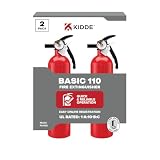
- Reliable Fire Protection: Stop basic home fires involving trash, wood, paper, liquids, gases, and electrical equipment
- All-Metal Construction: Made with robust materials for long-lasting durability
- Easy pull safety pin
- Compact & Lightweight: Aluminum construction and small size allow for easy storage and use
- Easy-to-Read Pressure Indicator: If arrow is in the green it’s charged
A specific example is a UK safety notice dated March 25, 2025 for EDMI Atlas Mk7CD electricity smart meters. It identified a possible neutral-terminal weld failure that could cause loss of neutral continuity, elevated voltage on accessible conductive parts, or overheating under high-resistance conditions. The affected units were manufactured from October 2022 through October 2024 within the notice’s specified serial-number range. This is a model-specific recall and should not be generalized to every smart meter.
Arcing and defective equipment
Arcing can occur when a connection is loose, a socket jaw is damaged, insulation has failed, or conductive parts short together. It can create intense localized heat and ignite nearby material. Water intrusion, condensation, ice, corrosion, thermal cycling, unauthorized alterations, and high electrical loads—such as electric heating, heat pumps, or electric-vehicle charging—can expose weaknesses in service equipment.
Documented recalls and safety evidence
There is credible evidence that meters and related service equipment can present fire hazards:
- UL says UL 2735 was developed partly in response to field problems involving smart meters, including fires, meters ejecting from socket bases, and exposed live parts.
- UL describes UL 2735 as addressing electric-shock, fire, mechanical, enclosure, and RF-emissions safety aspects.
- Historical CPSC meter-load-center recalls involved loose internal bolt connections capable of producing excessive heat or fire.
- Historical recalls also involved Milbank meter sockets and Square D electric meter boxes with shorting, arcing, shock, or burn hazards.
- In 2024, New York’s safety agency reported a Siemens SolarReady meter-combo recall involving a fire hazard. A meter combo combines metering and panel equipment and is not necessarily the same product as a standalone smart meter.
Certification is not a guarantee against every field failure. A compliant meter can still be installed in a defective socket, connected incorrectly, or affected by damaged service equipment. Applicable electrical codes, approved meter lists, utility rules, and inspection requirements vary by jurisdiction.
How common are smart-meter fires?
The available sources do not establish a reliable worldwide or U.S. annual count, per-meter rate, or national comparison showing that smart meters cause more fires than traditional meters. The U.S. Fire Administration estimated 23,700 residential electrical-malfunction fires in 2023, but that broad category does not identify smart meters as the cause.
Rank #3
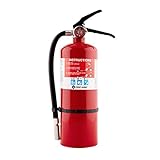
- The First Alert HOME2PRO Fire Extinguisher is UL rated 2-A: 10-B:C and meets minimum 2-A: 10-B:C code requirements; It features durable all-metal construction with a commercial-grade metal valve and trigger
- Heavy-duty fire extinguisher fights wood, paper, trash, plastics, gasoline, oil, and electrical-equipment fires; ideal for offices, homes, and workshops
- Uses mono ammonium phosphate extinguishing agent; Rechargeable by certified professionals after use
- Includes wall hook and easy-to-read, color-coded, corrosion-resistant pressure gauge
- 12-year limited
That means two claims are both unsupported: that smart meters are generally dangerous, and that they never contribute to fires. Documented recalls establish that particular products or installations can fail; they do not establish a fire rate for the entire smart-meter population.
What’s actually slowing this PC down?
Pick the symptom - the matching free tool is one click away.
RF concerns are different from electrical fire hazards
Smart meters may communicate using radiofrequency signals. Health Canada describes smart-meter RF emissions and reports measured emissions far below its exposure limits. That information addresses RF exposure, not the condition of a line-voltage connection.
The ordinary mechanisms discussed in meter-related fires are electrical: current through a bad connection, arcing, component failure, overheating, or damaged service equipment. The evidence reviewed does not support the claim that routine RF transmission is a normal cause of smart meters igniting homes. Conversely, an RF-safety finding does not prove that every meter, socket, or installation is fire-safe.
Warning signs that require urgent attention
- A hot meter, socket, panel, or enclosure
- Burning-plastic or hot-insulation odor
- Smoke, soot, scorching, or melted plastic
- Buzzing, sizzling, or crackling
- Flickering, unusually bright or dim lights, or repeated outages
- Appliances failing after a suspected neutral problem
- Visible corrosion, water intrusion, or physical damage
What to do if a meter is smoking, sparking, or burning
If there is active smoke, flame, sparking, or a strong burning odor:
- Move people and pets away from the danger.
- Call emergency services.
- Do not touch the meter, socket, service wires, or enclosure.
- Do not spray water on energized electrical equipment.
- Do not pull the meter or remove its cover.
- If you can do so without approaching the hazard, notify the utility’s emergency or outage line.
- Follow instructions from firefighters and utility personnel, and do not re-enter until they declare the area safe.
Switching off the main breaker may not de-energize utility-side conductors or all parts of the meter enclosure. If there is no active fire but the equipment is hot, discolored, noisy, or smells of burning, keep clear and contact the utility and a licensed electrician immediately. Treat it as urgent rather than as a routine appointment.
Rank #4

- Simple, Fast Activation:Take control with an easy-to-use design—just press, aim, and spray. Each extinguisher Emergency Survival Kits includes two sturdy mounting brackets for quick access in kitchens, cars, and other essential spots.
- Versatile 8-in-1 Fire Protection:Effectively tackles a variety of fires: wood, cooking oils, gasoline, and lithium-ion battery fires in devices like phones and laptops. A protective barrier helps prevent reignition for added security.
- Eco-Friendly and Non-Toxic Formula:The non-toxic, water-based formula is safe for users and the environment. It leaves no residue, making cleanup fast and mess-free—perfect for homes, vehicles, or offices.
- Compact and Portable:Lightweight and easy to store, this extinguisher fits into small spaces like kitchen drawers, glove compartments, or boat lockers, ensuring you’re prepared for emergencies anytime.
- Reliable 6-Year Warranty :Enjoy peace of mind with a six-year warranty. Whether it’s support, replacement, or guidance, the customer service team is ready to assist, keeping you safe and covered.
What homeowners can and cannot inspect
A homeowner may make a visual record from a safe distance. Note the model and serial number without touching the equipment, photograph visible damage only if it is safe, and record the date, sounds, odors, flickering, outages, or affected appliances.
Do not remove the meter, break utility seals, open the socket, tighten terminals, insert tools, clean or spray the enclosure, or use a thermal camera close to exposed energized equipment. Inspection should be performed by the utility or a qualified electrician.
Independent reader supportYour contribution helps us test, update, and keep practical guides available for everyone.How a suspected incident should be investigated
Responsibility depends on the utility boundary, tariff, local law, installation arrangement, and actual origin of the damage. Appropriate investigation may include:
- Utility inspection of the meter and service connection
- Inspection of the socket or meter base by a licensed electrician
- Checks for damaged jaws, corrosion, loose terminals, neutral defects, conductor damage, and overheating
- Examination of the service panel, meter-main, and downstream wiring
- Load assessment where high demand may have exposed a weak connection
- Infrared thermography by a competent professional, where appropriate
- A formal fire-origin-and-cause investigation after a fire
Infrared imaging can identify abnormal temperature patterns, but it does not prove causation and cannot replace safe de-energization, qualified examination, or forensic analysis.
After a fire or serious failure, preserve damaged equipment where possible. Ask for the fire investigator’s origin-and-cause report, the utility incident report, electrician findings, photographs, manufacturer analysis, and recall information. Notify the insurer promptly and follow its evidence-preservation requirements.
Best Value

- 【ENHANCED FIRE SUPPRESSION】The Ougist fire extinguisher suppresses electrical and car fires 30% faster than water-based options with 600g ABC powder. Its non-conductive, non-corrosive formula safely protects electronics and vehicles while smothering large flames.
- 【IMMEDIATE ACTION FROM A SAFE DISTANCE】With an effective range of up to 13 feet, the Ougist Fire Extinguisher for Home allows you to act swiftly in emergencies. Its precise targeting capability ensures safe suppression of electrical fires, grease fires, and flammable gas flames from a distance, making this portable fire extinguisher your first line of defense.Easy for All Family Members
- 【ULTRA-PORTABLE FIRE SAFETY】Designed for compact storage and instant access, our mini fire extinguisher fits seamlessly in kitchens, vehicles, garages, and high-risk zones. Its lightweight portable fire extinguisher design ensures preparedness wherever you go, from road trips to daily home safety.
- 【PREVENTING SMALL FIRES FROM BECOMING DISASTERS】Annually, Ougist safeguards countless homes with its Fire Extinguisher. Small kitchen fires or electrical fires can escalate within seconds—equip your home and vehicle with this fire extinguisher for home & vehicle to stop threats before they spread.
- 【PATENTED SAFETY & DEDICATED SUPPORT】U.S. Patent-protected and rigorously tested, the Ougist Car Fire Extinguisher includes a 3-year guarantee. Each unit features a production date stamp and is backed by 24/7 expert support, reflecting our commitment to your family’s safety.
How to evaluate a reported “smart-meter fire”
Use an evidence hierarchy rather than relying on a photograph or social-media claim:
- Fire marshal or fire investigator’s origin-and-cause report
- Utility incident report
- Manufacturer failure analysis
- Recall or regulator notice
- Photographs showing the origin and failure pattern
- Qualified electrician’s inspection
- Chronology and observations from occupants
- Online anecdotes or advocacy claims
A melted meter is evidence of overheating, not proof that the electronic meter caused it. “The fire started after installation” establishes timing, not causation. The exchange may have disturbed an existing defect, installation may have been incomplete, a service neutral may have failed independently, or the origin may have been a panel, appliance, or branch circuit.
Checking recalls and preventing problems
Record the manufacturer, model, serial number, installation date, and utility. Check the utility’s official notices, the applicable regulator, and authoritative recall databases such as the U.S. CPSC for U.S. equipment or the relevant national product-safety authority elsewhere. Do not rely solely on an unofficial list.
The Tool Desk
Outbyte PC Repair FREEClear out junk files and repair common Windows errorsFree Scan →Outbyte Driver Updater FREEScan for outdated or missing drivers - takes under a minuteDriver Scan →Useful prevention measures include professional installation, inspection of an older or visibly damaged socket before a meter exchange, prompt reporting of heat or flickering, smoke alarms maintained according to local requirements, and no unauthorized meter work. CPSC smoke-alarm guidance provides general safety information, but smoke alarms are a secondary protection—not a repair for defective electrical equipment.
For UK readers, Ofgem’s smart-meter information is a regulatory starting point. UK requirements should not be presented as universal rules in the United States or elsewhere. There is also no universal legal right to refuse or opt out of a smart meter established by the evidence reviewed; that question depends on jurisdiction, utility rules, and applicable law.
Bottom line
Smart-meter-related fires can happen, but the strongest documented explanations are electrical faults in the meter, its terminals, the meter socket, neutral connection, service equipment, or installation—not ordinary wireless communication. If a meter is hot, smoking, sparking, or discolored, keep away, call emergency services for an active hazard, notify the utility, and use qualified professionals for diagnosis. Never pull the meter or open the socket yourself.
Quick Recap
Product prices and availability are accurate as of the date/time indicated and are subject to change. Any price and availability information displayed on Amazon at the time of purchase will apply.
Free tools Windows power users keep installed
One-click scans. No signup required.

