Fall is a strategic time to reduce spring weeds, but it is not a universal cure. Two seasonal changes make specific jobs worthwhile: established perennial weeds are moving sugars and nutrients into roots and underground storage organs, while winter annuals are germinating and still small. Remove seedheads, deal with perennial foliage while it is healthy, pull young winter annuals, cover open vegetable beds, mulch suitable bare soil, and record what needs attention next spring. Your results will depend on weed species, local weather, garden type, and timing.
Why fall helps—and where the claim has limits
Plants do not all respond to autumn in the same way. Dandelion, creeping Charlie, bindweed and other established perennials commonly send resources from leaves toward roots or rhizomes as winter approaches. A control method that reaches foliage during this active-growth period can therefore affect the plant’s storage system. Once a hard frost or cold injury has damaged the leaves, uptake and movement can be less reliable.
As an Amazon Associate I earn from qualifying purchases.
Winter annuals follow a different schedule. Chickweed, deadnettle, henbit, speedwell and shepherd’s purse can germinate in late summer or fall, survive winter as small plants, and resume growth before flowering in spring. Removing them while they are young is easier than waiting for a dense spring mat and new seed.
The Tool Desk
Outbyte PC Repair FREERepair Windows errors before they cause bigger problemsFix Now →Outbyte Driver Updater FREEScan for outdated or missing drivers - takes under a minuteDriver Scan →Fall work still has boundaries. Mulch blocks light and suppresses new germination, but it generally will not destroy established perennial roots. Hand digging can leave root fragments that regrow. Herbicides can injure desirable plants, and a product that works on foliage may not provide lasting control of a mature root system. No fall routine guarantees a weed-free spring or a measured number of hours saved.
#1 Best Overall

- Designed to prevent weeds; will not aid in eliminating existing weeds. Prevents grassy and broadleaf weeds, including crabgrass, poa annua, goosegrass, henbit, and more.
- Contains 0.48% of the active ingredient prodiamine for professional-grade weed control for early spring and fall applications
- Made with patented DG Technology (dispersible granule) ensures granules dissolve rapidly upon watering, moving weed control directly into the soil for maximum impact
- Small particles for more coverage per square inch and superior performance
- Made in the USA
The six jobs at a glance
| Fall job | Main target | Best cue to act | Important limit |
|---|---|---|---|
| Remove seedheads | Future seedlings | Before seeds disperse | Does not remove perennial roots |
| Address established perennials | Leaves, roots and rhizomes | Healthy green foliage and active growth | Effectiveness drops after hard frost; drift can injure plants |
| Pull young winter annuals | Small fall-germinated plants | Plants are small and before flowering | Soil disturbance can expose buried seed |
| Plant a cover crop | Open vegetable-bed soil | Within your local sowing window | Must be terminated and managed |
| Mulch bare soil | Light-sensitive germinating seed | After existing weeds are controlled | Does not reliably kill established roots |
| Clean up and plan | Next season’s problem areas | After beds and paths are visible | Planning is not a substitute for timely control |
1. Cut and discard weed seedheads
Walk every bed, border and path and look above the foliage for flowers that have become seedheads. A weed can look finished for the season while its seeds are still capable of spreading. Cutting the head before it opens prevents at least that season’s seed rain, even if the parent plant survives.
A low-risk procedure
- Choose a dry day so cut material is easy to handle and less likely to smear seed onto wet soil.
- Use bypass pruners or another clean cutting tool to sever the stalk below the seedhead.
- Hold the head upright while carrying it so mature seed is not shaken onto the bed.
- Place viable seedheads in the appropriate municipal or household waste stream rather than an ordinary backyard compost pile.
University of Illinois Extension notes that backyard compost piles usually do not reach temperatures high enough to kill weed seeds. Do not assume that a long composting period makes every seed safe. Bagging or another disposal method that prevents germination is safer when the head is mature.
This job is seed management, not root eradication. A dandelion, bindweed or creeping Charlie plant may return from its root system, so mark the location for the perennial-control step rather than treating the cut as a complete solution.
Do these 3 things before closing this tab:
1Scan for outdated or missing drivers - takes under a minute2Clear out junk files and repair common Windows errors3Fix the driver behind crashes, sound loss and screen glitchesWhy seed prevention matters
Seed production can overwhelm otherwise careful maintenance. The University of Illinois Extension article reports an average of about 25,000 seeds for a common chickweed plant, 100,000 to 150,000 for crabgrass, and as many as 2 million from one purslane plant. Those are source-reported examples, not a forecast for every specimen in your garden, but they show why removing a few seedheads before dispersal is worthwhile.
Rank #2
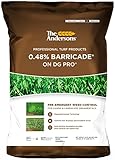
- Designed to prevent weeds; will not aid in eliminating existing weeds. Prevents grassy and broadleaf weeds, including crabgrass, poa annua, goosegrass, henbit, and more.
- Contains 0.48% of the active ingredient prodiamine for professional-grade weed control for early spring and fall applications
- Made with patented DG Technology (dispersible granule) ensures granules dissolve rapidly upon watering, moving weed control directly into the soil for maximum impact
- Small particles for more coverage per square inch and superior performance
- Made in the USA
2. Target established perennial weeds while they are still growing
Perennials are the fall job that benefits most directly from seasonal plant biology. Healthy leaves can still absorb a treatment and transport resources downward. Ken Johnson, Horticulture Educator at University of Illinois Extension, states: “When applying herbicides, make sure weeds are still actively growing and have healthy green leaves.” The quotation appears in “Spring weed management begins in the fall,” published September 25, 2026.
Choose hand removal or a treatment based on the setting
- Hand digging: Best for isolated plants in a bed where protecting nearby plants is the priority. Follow the root as far as practical and sift the loosened soil for fragments. Rhizomes and broken roots can regenerate.
- Systemic herbicide: A labeled systemic product can move from actively growing foliage toward roots. It is relevant only when the target is growing and the product label permits use on that site and weed.
- Contact herbicide: It damages contacted tissue but may not kill an established root system. The source article notes that its example contact product may require repeat applications on perennial weeds.
Do not treat “natural” or organic-labeled as a guarantee that perennial roots will be eliminated. Product performance, selectivity and legal use come from the current label, not the marketing category.
How to reduce collateral damage
- Identify the weed and confirm that the chosen product is labeled for the crop, ornamental bed, lawn or hardscape where it will be used.
- Read the full label for mixing, protective equipment, re-entry, weather and disposal requirements. Do not infer a rate from another product.
- Apply only to the target foliage. In planted beds, shield desirable leaves and avoid spraying on bark, green stems or nearby groundcover unless the label permits it.
- Wait for calm conditions. Iowa State University Extension advises careful targeting and avoiding wind that can carry spray to desirable plants.
- Stop using the foliage route after hard frost or obvious cold injury unless the label and local guidance specifically support the application.
Nonselective products can injure any green plant they contact. A small hand-digging job may therefore be safer than spraying through a mixed border, even if it takes longer.
3. Pull young winter annuals before spring expansion
Small fall weeds are easier to remove because their roots and crowns are not yet large. Chickweed, deadnettle, henbit, speedwell and shepherd’s purse can overwinter and then flower when the weather warms, making a patch appear to have arrived in spring even though it established months earlier.
Rank #3

- One application prevents crabgrass all season long
- Apply in spring to prevent crabgrass and problem weeds all season long
- Fall application prevents winter weeds, such as poa annua, henbit and chickweed
- Rain, snow or freezing weather after application won't affect product performance
- Apply in fall to prevent moss
Low-disturbance removal
- Work after light moisture has softened the upper soil, but avoid walking on saturated beds.
- Grip the plant at its base and pull steadily to remove the crown and as much root as possible.
- Use a hand weeder only where it improves leverage; a tool is optional for small plants.
- Close the opening with your fingers or a light rake rather than turning over a large area.
- Check the same bed again in several weeks because additional seedlings may emerge.
Shallow cultivation can control tiny weeds, but repeated or deep disturbance exposes buried seed to light and moisture. Disturb only the soil needed to remove the plant. If a weed has already flowered, handle it as a seedhead-producing plant and keep mature seed out of backyard compost.
4. Sow a cover crop in suitable vegetable beds
A cover crop occupies open ground after vegetables are harvested. Its canopy can shade the soil, compete with weeds and reduce the amount of bare surface where new seedlings establish. The source article lists cereal rye, oats, crimson clover, hairy vetch and forage radish as examples.
Match the crop to your location
Species, sowing dates, winter survival and termination methods vary by region. Check your local extension service for the planting window and a crop that fits your expected winter temperatures. A cover planted too late may fail to establish; one that survives vigorously may require more work to terminate in spring.
Recommended Free Tools
Plan termination before planting
- Confirm whether the crop will winter-kill or remain alive.
- Choose a spring termination method that your bed size and equipment can handle.
- Allow enough time between termination and planting the next crop for residue to settle and for allelopathic or physical interference concerns to be managed.
- Prevent mature seed. A cover crop that reseeds can become a weed in the following crop.
Cover crops are not a set-and-forget barrier. Iowa State University Extension’s organic weed-control guidance emphasizes that they need effective management, and the correct choice depends on the site and season.
Rank #4
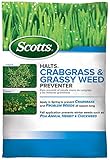
- WEED PREVENTION: Scotts Halts Crabgrass & Grassy Weed Preventer prevents the germination of listed lawn weeds so you can enjoy your lawn
- CRABGRASS PREVENTER: Prevents the germination of crabgrass, foxtail, spurge, barnyardgrass, and more as listed in the early spring all season long, and moss (except in California), Poa annua, henbit, corn speedwell, and chickweed in the fall
- APPLICATION: Apply this pre-emergent weed and crabgrass killer in the early spring to a dry lawn or in the fall; rain, snow, or freezing weather after application will not affect the performance of this lawn care product
- GRASS TYPES: This pre-emergent weed preventer is for use on all grass types (with the exception of Dichondra or Bentgrass)
- COVERAGE: One 20.12 lb. bag of Scotts Halts Crabgrass & Grassy Weed Preventer covers 10,000 sq. ft.
5. Mulch suitable bare soil after existing weeds are controlled
Mulch reduces the light reaching the soil surface, moderates moisture and temperature swings, and suppresses many new seedlings. It works best after you remove or control the weeds already occupying the bed. Laying mulch over a vigorous perennial can hide it temporarily while the roots continue growing underneath.
Depth and material
University of Illinois Extension recommends a 2- to 4-inch fall layer for suppressing following-spring germination. Iowa State recommends 2 to 4 inches of wood chips or shredded bark around perennial plantings, trees and shrubs. Use a material appropriate to the bed: finished organic mulch for ornamental areas, and a crop-safe option for vegetable production. Do not bury crowns or press mulch against trunks and stems.
Application steps
- Remove existing weeds and rake the surface level.
- Spread the chosen material evenly to the appropriate depth.
- Keep mulch off plant crowns and away from direct contact with tree trunks and shrub stems.
- Inspect the layer in late winter or early spring and repair thin spots.
Mulch suppresses germination; it is not a reliable treatment for established roots. If a perennial pushes through, remove it at the root or use a carefully targeted, label-compliant treatment rather than simply adding more material.
Free tools Windows power users keep installed
One-click scans. No signup required.
6. Clean up and make a spring weed plan
Once seedheads, annuals and spent crops are out of the way, the remaining bed structure becomes easier to read. Remove debris that hides perennial crowns, label areas where weeds produced seed, and note which patches returned after digging or mowing.
Best Value

- Coverage - Preen Garden Weed Preventer provides weed control for up to 2,560 sq. ft. This preemergent herbicide prevents weed seeds from germinating for up to 3 months when applied around established flowers, vegetable, trees, mulch & shrubs
- Application - Use hand spreader, included applicator scoop, or fertilizer spreader to distribute ready-to-apply granules over gardens. Remove existing weeds, sprinkle across garden soil in spring, summer, or fall seasons & water thoroughly
- Compatibility - Professional grade granular Preen weed preventer works with over 200 established flowers, vegetables, trees, and shrubs in planting beds without harming existing plants when applied according to manufacturer directions and guidelines
- Specifications - Professional grade Preen weed stop product contains an effective active ingredient in granular form. Our 16 lb. drum measures 7 x 12 x 14.5 inches for convenient storage and easy handling during application process
- Prevention - Preen weed preventer granules create a protective, soil-activated barrier that stops weeds before they start and prevents weed seeds from germinating for up to 3 months, reducing time-consuming hand-weeding for home gardeners' plants
Build a species-and-location record
- Write down the weed name or a useful description, such as “creeping vine in north border.”
- Mark whether it spread by seed, runners, rhizomes or root fragments.
- Record the date of the last removal and whether the plant was flowering.
- Photograph persistent patches before winter cover obscures them.
If crabgrass was a problem, make a spring preemergence plan rather than applying a product automatically in fall. The UC Statewide Integrated Pest Management Program explains that preemergence timing must match the expected germination of the target weed. Late-summer and early-fall applications generally target winter annuals; late-winter and early-spring applications generally target summer annuals and perennial seedlings. Local soil temperature, rainfall and the product label determine the actual date.
Independent reader supportYour contribution helps us test, update, and keep practical guides available for everyone.How to choose among the methods
| Method | Controls best | Strength | Trade-off |
|---|---|---|---|
| Seedhead removal | Future seedlings | Fast and low chemical risk | Parent plant and roots remain |
| Hand digging or pulling | Small annuals and isolated perennials | Precise around desirable plants | Root fragments may regrow; labor increases with patch size |
| Systemic postemergence treatment | Actively growing perennial foliage and roots | Can move toward underground storage organs | Requires correct label, timing and drift control |
| Contact treatment | Exposed foliage | Visible injury can be rapid | Established perennials may need repeat applications |
| Mulch | New germination at the soil surface | Suppresses light-dependent seedlings | Does not reliably kill established weeds |
| Cover crop | Open vegetable-bed soil | Occupies space and shades soil | Needs regional selection and spring termination |
Think in layers: stop seed production, remove existing plants, then cover soil that would otherwise be bare. Combining compatible methods usually addresses more than one stage of the weed life cycle without assuming a single treatment will solve everything.
Timing by garden type and weather
Vegetable beds
After harvest, pull young winter annuals, decide whether a cover crop fits your local planting window, and mulch only where the material will not interfere with the next crop. Keep a termination date in view when selecting a cover crop.
Perennial borders and shrub beds
Prioritize seedhead removal, careful perennial-weed removal and a 2- to 4-inch mulch layer where appropriate. Hand work is often preferable when desirable plants are close enough that spray drift is difficult to control.
Lawns
Lawn timing is region-specific. Iowa State University Extension discusses a mid-September-to-early-November window for Iowa perennial broadleaf-weed management; that interval should not be generalized to every state. Follow local extension guidance and the product label for your turf species and climate.
Hardscape edges
Remove seedheads and small weeds before they set seed in cracks. Keep any treatment directed at the crack or foliage and away from adjacent turf, ornamental plants and drainage paths. A brush or hand tool may be sufficient for a few plants.
Common fall mistakes and the fix
- Spraying after frost: Cold-injured foliage may not move a systemic treatment effectively. Wait for healthy active growth or choose another method.
- Assuming mulch kills roots: Clear established perennials first; mulch is a germination barrier.
- Composting mature seedheads: Backyard piles usually do not get hot enough to destroy weed seed. Dispose of viable heads so they cannot mature or spread.
- Turning the whole bed: Deep disturbance can bring buried seed to the surface. Loosen only the area needed for removal.
- Using a product by category rather than label: “Organic,” “natural” or “contact” does not tell you whether the product is legal or effective in your crop and site.
- Ignoring drift: Apply only in calm conditions and shield desirable plants; nonselective products can injure any green tissue they touch.
- Planting a cover crop without a termination plan: A vigorous or seeded cover can become next season’s management problem.
- Expecting one pass to last: New seedlings can emerge after rain, and perennial roots can resprout. Schedule an inspection rather than declaring the bed finished.
A practical fall checklist
- Walk the property and identify flowering weeds, perennial patches and bare soil.
- Cut and safely discard viable seedheads.
- Pull small winter annuals with minimal soil disturbance.
- Hand-dig isolated perennials or select a label-compliant treatment while foliage is healthy and green.
- Choose and sow a regionally suitable cover crop in open vegetable beds, if you can terminate it on time.
- Apply 2 to 4 inches of suitable mulch to prepared beds, keeping it off crowns and trunks.
- Record persistent weeds and locations.
- Set a spring inspection date and match any preemergence plan to the target weed’s expected germination window.
These jobs make fall a useful weed-management window because they address seed production, overwintering plants and exposed soil before spring growth accelerates. They work best as species-specific, site-specific maintenance—not as a promise that every weed will disappear.
Quick Recap
Product prices and availability are accurate as of the date/time indicated and are subject to change. Any price and availability information displayed on Amazon at the time of purchase will apply.

