Some links on this page are affiliate links: if you buy through them we may earn a commission, at no extra cost to you.
Recognizing hazards means looking beyond the task, equipment and work area to consider whether a worker’s physical, psychological or work-related circumstances could affect safe performance today. Construction Safety Week’s Recognize bulletin recommends adding that question to established safety planning—not replacing hazard checks, controls or work procedures.
What does “recognize the whole person” mean in construction safety?
It means asking what conditions could affect the person doing the work, as well as identifying hazards in the work itself. The core question is: “What physical, psychological, or work-related conditions could affect the person performing the work and their ability to perform safely today?”

As an Amazon Associate I earn from qualifying purchases.
Recommended Free Tools
That question can bring factors such as fatigue, heat, stress, workload, experience, communication, recovery, distraction or a change in work conditions into a job briefing or plan review. These are prompts for a work-focused conversation, not a checklist for diagnosing anyone. Traditional recognition of physical hazards remains essential.
The Recognize bulletin frames this as an extension of existing planning and control practices: keep identifying and controlling task, equipment and environmental hazards, while checking whether the plan still fits the people and conditions on site.
Popular on Amazon
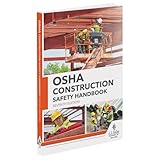
- 2024 OSHA Construction Safety Book is the seventh edition with the new OSHA HazCom final rule on 5/20/24. While the rule takes effect 7/19/24, the compliance dates don’t begin until 1/19/26 per 29 CFR 1910.1200(j).
- Construction Site Book offers quick access to essential OSHA regulations, jobsite hazards, and practical safety tips. It also helps employees identify hazards and prevent injuries and illnesses.
- Features easy-to-read format, full-color images, chapter quizzes with answer key, and comes in a compact size making it a convenient reference for employees.
- Critical topics include Confined Space Entry; Cranes & Derricks; Electrical Safety; Emergency Response; Ergonomics & Back Safety; Excavations; Fall Protection; First Aid & Bloodborne Pathogens; HazCom; Health & Wellness; Jobsite Exposures; Lockout/Tagout; Ladders & Stairways; Materials Handling/Storage; Motor Vehicles; PPE; Scaffolds; Site Safety & Security; Slips, Trips & Falls; Tool Safety; Welding, Cutting & Brazing; and Work Zone Safety.
- Specifications: 5 1/4” x 7 1/4", English, Soft bound. 7th Edition. Copyright 2024.
How do Recognize, Respond and Respect work together?
The three principles connect noticing a concern with acting on it and treating worker well-being as relevant to safe work.
- Recognize: Notice hazards and conditions that may affect safe performance, including changes in the work or crew.
- Respond: Make it possible to raise concerns, then review the plan and take a suitable action.
- Respect: Incorporate well-being into work planning and execution without requiring workers to disclose private medical information.
A concern is useful when it can lead to a practical review—not when it becomes a demand for personal disclosure. Supervisors and coworkers should not diagnose a worker. The bulletin’s field examples are possible ways to raise work-related concerns, not scripts workers must use.
What can a team do when conditions change?
Use the existing planning and communication process to see whether the work can proceed safely under current conditions. Depending on the concern, a team might adjust sequencing or staffing, add recovery time, confirm critical steps, improve communication, or connect someone with appropriate support.
Also popular on Amazon
- Identify the change or concern. For example, the crew may be affected by heat, staffing may be short, or the work may differ from what was discussed.
- Pause to review the plan when needed. Check whether the task, controls, crew and conditions still match the plan. Do not treat a changed condition as a reason to skip established controls.
- Choose a work-focused response. Consider whether a change to sequencing, staffing, recovery time, communication or support is appropriate.
- Confirm the revised plan. Make sure the people involved understand the critical steps and any changes before work continues.
The bulletin gives examples of concise statements workers might use: “I did not sleep well last night, and I am having trouble focusing”; “The heat is affecting the crew. We need another recovery break”; “We are short-handed, and the plan no longer fits the crew we have”; and “The work changed from what we discussed. We need to stop and revisit the plan.” A worker can raise the effect on the work without sharing private medical details.
Why include fatigue and well-being in hazard recognition?
Conditions affecting a worker can matter to safe performance, even when they are not hazards in the physical setup itself. The Recognize approach asks teams to consider those conditions alongside familiar task and site hazards, then decide whether the plan or support needs to change.
NIOSH’s Total Worker Health approach integrates protection from work-related safety and health hazards with injury- and illness-prevention efforts to advance worker well-being. NIOSH also emphasizes that the approach prioritizes a hazard-free work environment; attention to well-being does not replace controlling workplace hazards. See NIOSH’s explanation of Total Worker Health.
Do these 3 things before closing this tab:
1Repair Windows errors before they cause bigger problems2Scan for outdated or missing drivers - takes under a minute3Clear out junk files and repair common Windows errorsAlso popular on Amazon

- 2024 OSHA Construction Safety Book is the seventh edition with the new OSHA HazCom final rule on 5/20/24. While the rule takes effect 7/19/24, the compliance dates don’t begin until 1/19/26 per 29 CFR 1910.1200(j).
- Construction Site Book offers quick access to essential OSHA regulations, jobsite hazards, and practical safety tips. It also helps employees identify hazards and prevent injuries and illnesses.
- Features easy-to-read format, full-color images, chapter quizzes with answer key, and comes in a compact size making it a convenient reference for employees.
- Critical topics include Confined Space Entry; Cranes & Derricks; Electrical Safety; Emergency Response; Ergonomics & Back Safety; Excavations; Fall Protection; First Aid & Bloodborne Pathogens; HazCom; Health & Wellness; Jobsite Exposures; Lockout/Tagout; Ladders & Stairways; Materials Handling/Storage; Motor Vehicles; PPE; Scaffolds; Site Safety & Security; Slips, Trips & Falls; Tool Safety; Welding, Cutting & Brazing; and Work Zone Safety.
- Specifications: 5 1/4” x 7 1/4", Spanish, Soft bound. 7th Edition. Copyright 2024.
Fatigue is one practical example. OSHA says long work hours and irregular shifts may cause fatigue and may increase the risk of injuries and accidents. Its worker fatigue overview points to education, training and fatigue-management programs as prevention resources. That guidance supports treating fatigue as relevant to planning; it does not mean coworkers should assess or diagnose one another.
What does the bulletin’s suicide statistic say—and not say?
The bulletin reports that construction workers accounted for 17.9% of suicide deaths in the cited study while representing 7.4% of the workforce. It attributes the figures to Harris et al., using 2021 data, as reported in a 2025 study, and says construction had the second-highest suicide death rate among U.S. industries.
Those are industry-level figures as reported by the bulletin, not a way to infer anything about an individual worker. They reinforce why a respectful environment for raising concerns matters, but they do not make supervisors or coworkers clinicians. The bulletin also attributes to Amy Edmondson, PhD, of Harvard Business School: “When people have psychological safety at work, they feel comfortable sharing concerns and mistakes without fear of embarrassment or retribution.” The attribution is reproduced as presented in the bulletin.
Also popular on Amazon
Where does this fit in an existing safety program?
Use it within the processes crews already rely on: planning the task, recognizing hazards, communicating changes and selecting controls. The Construction Safety Week technical bulletins provide the campaign context for the Recognize message.
What’s actually slowing this PC down?
Pick the symptom - the matching free tool is one click away.
The practical test is whether the team can raise relevant conditions and act on them while preserving established hazard controls. If the work has changed, the crew has changed, or conditions may affect safe performance, revisit whether the plan still fits. Keep the conversation tied to the work, protect privacy and connect people with appropriate support when needed.
Independent reader supportYour contribution helps us test, update, and keep practical guides available for everyone.Frequently Asked Questions
What is the difference between hazard recognition and a fitness-for-duty assessment?
Hazard recognition identifies work hazards and conditions that could affect safe performance so the team can review the plan. It is not a medical assessment, and workers should not be expected to disclose private health information to coworkers or supervisors.
Also popular on Amazon

- Updated Compliance: While the new rule takes effect on 7/19/2024, training and compliance dates don’t start until 1/19/2026, giving your team ample time to prepare with this thorough guide to OSHA regulations (29 CFR 1910.1200(j)).
- Comprehensive Safety Training Handbook: Prepares your employees for 25 of OSHA’s hottest safety topics, from Confined Space Entry to Workplace Violence, ensuring they are equipped with vital safety knowledge for a safer work environment.
- In-Depth, Easy-to-Understand Content: Each chapter tackles key workplace hazards like Electrical Safety, Lockout/Tagout, Respiratory Protection, and more, helping to prevent injuries and illnesses while promoting safe practices.
- Interactive Learning with Quizzes: Engaging chapter review quizzes reinforce safety concepts, making it easier for employees to retain and apply the knowledge, with downloadable answer keys for easy tracking.
- Specifications: English, Softbound, full-color pages (272 pages) offer clear, visually appealing safety information for a diverse workforce, with home safety details included throughout.
Can a worker speak up without explaining a personal health issue?
Yes. A worker can describe the work-related effect or request a plan review—for example, saying they are having trouble focusing or that conditions require another recovery break—without giving a diagnosis or private medical details.
Does paying attention to worker well-being replace hazard controls?
No. NIOSH’s Total Worker Health approach explicitly prioritizes a hazard-free work environment. Well-being considerations supplement, rather than substitute for, identifying and controlling hazards in the task and workplace.
Quick wins for a faster PC:
Fix the driver behind crashes, sound loss and screen glitchesFind Drivers →Repair Windows errors before they cause bigger problemsFix Now →What does OSHA recommend for addressing fatigue at work?
OSHA’s overview identifies education, training and fatigue-management programs as prevention resources. It also notes that long hours and irregular shifts may cause fatigue and increase injury and accident risk.

