Persian shield (Strobilanthes spp.) can thrive outdoors in warm, frost-free gardens or grow as a houseplant. Give it bright light, moist but well-drained soil, and protection from frost. In colder climates, treat it as a summer annual or bring it indoors before frost; no single hardiness cutoff applies reliably across all regions.
Choose where to grow Persian shield
Persian shield is prized for iridescent purple and silvery foliage. It can be grown in a garden where winters are frost-free, as a seasonal outdoor plant in colder areas, or in a container kept indoors. Your main considerations are winter frost, the amount and intensity of light, and whether you can keep the soil moist without leaving roots waterlogged.

As an Amazon Associate I earn from qualifying purchases.
Botanical names vary among references: the University of Wisconsin–Madison Extension uses Strobilanthes dyerianus, while North Carolina State Extension lists it as Strobilanthes auriculata var. dyeriana and includes Strobilanthes dyeriana among former names. “Persian shield” is the common name used here.
Compare the growing options
| Growing option | When it fits | What to plan for |
|---|---|---|
| Outdoor perennial | A warm, frost-free location | Protect from cold; regional hardiness guidance differs. |
| Outdoor seasonal plant | A climate with winter frost | Plant outdoors for the warm season, then either let it finish as an annual or pot it up and move it inside before frost. |
| Houseplant or container plant | Indoor bright light, or a plant you can move seasonally | Avoid hot direct sun indoors; monitor moisture and check for pests. |
Can Persian shield survive winter outdoors?
Persian shield is tender, so frost exposure is the key limitation. In frost-free climates it can be grown outdoors as a perennial ornamental. Published zone descriptions are not fully consistent: Wisconsin Extension describes it as hardy to USDA zone 10a and possibly root-hardy to zone 8a, while NC State says it can be grown as a perennial in zone 8b and warmer. Treat those as source-specific indications of cold sensitivity, not a guaranteed threshold for every garden.
#1 Best Overall

- Package Contents: Includes two (2) Persian Shield (Strobilanthes dyerianus) starter plants. Each plant measures approximately 5-9 inches in height. Plants are supplied in a bare-root state for immediate potting.
- Metallic Iridescence: Features distinctive lance-shaped leaves with a shimmering, metallic purple and silver surface overlaid with green veins. The underside of the foliage is a deep, solid maroon, providing high visual contrast.
- Versatile Growing Environment: Thrives as an eye-catching perennial in USDA Hardiness Zones 9-11. In cooler climates (Zones 4-8), it functions as a fast-growing summer annual for shade gardens or as a colorful year-round houseplant.
- Shade Tolerance: Adapted to thrive in partial shade to full shade outdoors. Direct afternoon sun can bleach the vibrant purple color, making this an ideal choice for brightening dimmer corners of the garden or covered patios.
- Heat and Humidity Performance: Native to Myanmar, this species performs well in hot, humid environments. It maintains its lush growth habit during the peak of summer when many cool-season bedding plants fade.
Where winter frost is expected, grow Persian shield as a summer annual or dig and pot it before cold weather, then bring it indoors. Wisconsin Extension advises moving it well before frost. A plant brought inside may drop leaves, but that source notes it can regrow from the roots in spring.
How to plant and care for it outdoors
Pick light for your region
Light needs depend on local heat and exposure. Wisconsin Extension advises full sun in northern areas and partial shade in southern states. UF/IFAS recommends partial to full shade in Florida, while the Royal Horticultural Society gives full sun to partial shade for outdoor growing in frost-free areas. In hotter locations, partial shade helps avoid harsh exposure; use a sunnier position where conditions are cooler.
Rank #2
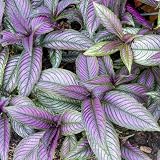
- Two (2) LARGE live Persian Shield (Strobilanthes) Plants. Big, healthy, ready to grow. Premium plants, 4” to 8” tall, in 4” pots. Non GMO. No Neonicotinoids
- Vbrant, iridescent leaves shimmer in shades of violet, lavender, and green, creating an exotic and dramatic look in containers, hanging baskets, shaded garden beds, and indoor spaces
- 10x Root Development ensures successful transplanting, and plants grow stronger right from the start. Upright yet bushy growth habit and rich, colorful foliage. Easy to grow and maintain
- Grown in the Midwest. Annual outdoors in colder climates; bring indoors before frost to overwinter. Regular watering; avoid overly wet conditions. Prefers partial to full shade. Trim occasionally to encourage a fuller, bushier plant
- Careful Packaging. Your fresh plants arrive quickly in our eco-friendly, recyclable box. Includes a Clovers Garden plant care sheet. 100% Satisfaction Guarantee
Use rich, well-drained soil and steady moisture
Plant in organically rich or otherwise suitable soil that drains well. Keep the root zone moist with regular watering, but do not let water stand around the roots. For outdoor planting, Wisconsin Extension recommends spacing plants 18–24 inches apart.
Recommended Free Tools
Pinch stems to encourage a fuller shape
Persian shield can grow quickly in hot, humid conditions and may become leggy. UF/IFAS notes that tall stems can flop. Pinch young growth to encourage branching and a bushier plant.
Rank #3
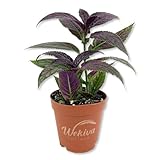
- Physical characteristics: Persian Shield has broad purple-toned leaves with an iridescent surface and contrasting darker veins. The foliage overlaps along branching stems, producing an upright, colorful outline. The balance of purple and green varies with exposure, viewing angle, and leaf age. A starter begins with a smaller canopy that fills out as the stems and fresh leaves develop.
- Sunlight: Give Persian Shield Plant bright filtered light or morning sun with shelter from intense afternoon exposure. A warm, gently shaded patio or a bright window can support its leafy growth. Introduce direct sun gradually after indoor placement, and watch how the new foliage responds. Rotate a container periodically if growth favors the light, keeping leaves clear of hot window glass.
- Water: Keep the root zone of Persian Shield Plant evenly moist by watering when the upper layer of mix starts to dry. Wet it thoroughly, allow excess water to drain, and empty any saucer. Check 2-inch starter pots often during warm weather, adapting the interval as the foliage develops. Avoid alternating prolonged dryness with flooding, and let the actual soil moisture guide each watering.
- Soil: Plant Persian Shield Plant in a loose container blend or well-drained garden soil that holds some moisture without staying saturated. Perlite and fine bark help maintain structure in a pot. Keep the root ball at its established depth and use drainage holes below. Leave space for the branching canopy and move a container-grown plant into a larger vessel when its roots require more room.
- Growth & maintenance: Persian Shield extends upright, leafy stems in warm conditions. Pinch shoot tips lightly to encourage branching and trim long stems when the display needs a fuller outline. Remove faded leaves, keep neighboring plants from crowding the canopy, and protect it from frost. Reassess the vessel size and water needs as the broad foliage and root system fill the available space.
Know its potential size
Wisconsin Extension, revised August 2026, gives an outdoor size of up to 5 feet tall and 3 feet wide, noting that container-grown plants and plants in cooler climates typically stay smaller. UF/IFAS describes a typical size of 3 to 4 feet tall and 2 to 3 feet across; that is a source-specific size description, not a promise for every plant or growing condition.
How to grow Persian shield indoors
Give an indoor plant bright light while protecting its foliage from hot direct sun. NC State specifies bright light without direct sunlight; the RHS describes full light with shade from hot sun under glass. Both recommendations point to a well-lit position without harsh exposure. If you are overwintering a garden plant, move it inside before frost to a place with moderate light, as Wisconsin Extension advises.
Rank #4

- Physical Characteristics: Persian Shield is prized for its elongated, pointed leaves featuring brilliant metallic purple centers accented by silver highlights and dark green margins. The foliage displays an eye-catching reflective quality that changes with shifting light, while mature plants develop an elegant, bushy form that delivers outstanding texture and bold color in any collection.
- Sunlight Requirements: Persian Shield performs best in bright, indirect light or locations with gentle morning sun followed by afternoon shade. Adequate light encourages the foliage to maintain its brilliant metallic purple coloring, while excessive direct midday sunshine may cause fading or leaf scorch. Consistent lighting produces the richest and most vibrant display throughout the growing season.
- Watering Guidelines: Keep the growing medium evenly moist without allowing it to become saturated or remain completely dry for extended periods. Water thoroughly when the upper layer begins to dry, then allow excess moisture to drain away freely. Maintaining steady moisture helps preserve lush foliage, encourages continuous growth, and supports healthy leaf development.
- Soil Preferences: Grow Persian Shield in a loose, well-draining potting mix that retains moderate moisture while allowing excellent airflow around the root system. A light, airy blend prevents standing water yet supplies consistent moisture, creating balanced growing conditions that encourage vigorous foliage production and dependable long-term performance.
- Growth Rate and Maintenance: This plant grows at a moderate to fast pace during warm weather, gradually forming a dense, upright habit with attractive branching stems. Occasional pinching of stem tips encourages fuller growth and a more compact appearance, while removing older leaves keeps the plant looking fresh, tidy, and consistently vibrant throughout the season.
Use a container and growing medium that drain well, and water often enough to keep the soil moist. Check the plant regularly for spider mites, aphids, and mealybugs, which Wisconsin Extension lists as possible indoor pests. NC State also identifies red spider mites and fungus gnats as potential problems.
Free tools Windows power users keep installed
One-click scans. No signup required.
How to propagate Persian shield
Persian shield can be propagated from seed or cuttings. For a practical home method, take basal or softwood tip cuttings in early spring or summer and root them in water or moist growing medium; Wisconsin Extension says rooting hormone is not required. Late-summer or early-fall cuttings can be rooted indoors and kept through winter. Pinching young plants also helps them develop a bushier form.
Quick Recap
Best Value
Product prices and availability are accurate as of the date/time indicated and are subject to change. Any price and availability information displayed on Amazon at the time of purchase will apply.