Quick wins for a faster PC:
Clear out junk files and repair common Windows errorsFree Scan →Scan for outdated or missing drivers - takes under a minuteDriver Scan →If you are buying only one block plane, start with a low-angle model with an adjustable mouth. That combination handles end grain, trimming, chamfers, and general fitting work better than a fixed-mouth or standard-angle plane alone. The Lie-Nielsen No. 60-1/2 is our best overall choice, while the Veritas DX60 offers the most sophisticated adjustment system and the WoodRiver low-angle plane delivers the strongest value for a first new plane.
A compact plane such as the Lie-Nielsen No. 102 makes more sense for pocket and apron work, but it is not a substitute for a full-size adjustable-mouth plane when you need a wider range of cuts.
As an Amazon Associate I earn from qualifying purchases.
Our block-plane recommendations at a glance
| Best for | Model | Why it stands out | Important limitation |
|---|---|---|---|
| Best overall | Lie-Nielsen No. 60-1/2 Low Angle Adjustable Mouth | Excellent all-purpose geometry, adjustable mouth, traditional feel, and strong published test results | Premium price and current availability may be limited |
| Best precision adjustment | Veritas DX60 | Norris-type depth and lateral adjustment with a repeatable mouth mechanism | Expensive, and its design feels less traditional than a Stanley-style plane |
| Best value | WoodRiver Low Angle Block Hand Plane with Adjustable Mouth | Core low-angle and adjustable-mouth features at a substantially lower price | Expect to sharpen and possibly tune the blade before use |
| Best compact plane | Lie-Nielsen No. 102 Low Angle Block Plane | Small, light, portable, and well suited to quick trimming | Fixed mouth and limited capacity for heavier work |
| Compact alternative | Veritas Apron Plane | Convenient for chamfers, small parts, and light trimming | Should be treated as an apron plane, not a full-size block-plane replacement |
For a broader category search, an low-angle block plane search can be useful, but check the exact model, seller, and return policy carefully. Premium Lie-Nielsen and Veritas planes should not be assumed to be available through Amazon.
Recommended Free Tools
1. Best overall: Lie-Nielsen No. 60-1/2
The Lie-Nielsen No. 60-1/2 Low Angle Adjustable Mouth Block Plane is the safest premium recommendation for a woodworker who wants one compact metal plane to cover the widest range of jobs.
Its 12-degree bed and 25-degree blade bevel produce an approximately 37-degree cutting angle. That low cutting angle is particularly effective when trimming end grain, fitting a door or drawer, easing an edge, or taking fine shavings from a small workpiece. The adjustable mouth is the feature that makes the plane broadly useful: open it for a heavier cut, then close it down for finer shavings and reduced support ahead of the blade.
#1 Best Overall

- Professional Level Blade: The blade is made of professional level O1 tool steel, improving cutting efficiency while minimizing blade wear, finely sharpened for efficient wood planing and ideal for detail woodworking. Besides, the blade can be repeatedly utilized, sharpened and adjusted for a long service life
- Advanced Materials: The body is made of ductile iron to withstand heavy-duty use and is drop-tested for rugged durability. The lever cap is made of zinc alloy and other parts are stainless steel, all of which are high-quality materials, providing excellent using experience
- Adjustable Design: The cutting depth of this wood planer is adjustable, just turn the knob, you can easily adjust the length of the blade and fix it easily, then effortlessly plane different depths of wood. Not only that, the width of the mouth is also adjustable
- Multiple Use: JORGENSEN block plane is small and portable, perfect for trimming, polishing, deburring, cutting and other woodworking surface processing tasks, also suitable for DIY and crafts making. The small hand plane can help you improve the shape and size of wood, which is an indispensable choice for wood projects
- Easy to Use: Professionally and meticulously polished flat bottom provides smooth operation. Coming with an instruction manual, the small wood plane is easy to operate, friendly for professionals and woodworking beginners. Please pay attention to the sharp blade when operating
- Bed angle: 12 degrees
- Typical blade bevel: 25 degrees
- Approximate cutting angle: 37 degrees
- Body: ductile iron
- Blade: A2 steel, specified by Lie-Nielsen as cryogenically treated
- Length: 6-1/4 inches
- Weight: approximately 1.5 pounds
The No. 60-1/2 is not merely a specification-sheet favorite. In WOOD magazine’s test of 15 block planes across common shop applications and repeated resharpening, it was one of the preferred full-size low-angle models, alongside the Veritas DX60. Fine Woodworking’s earlier comparison of 23 popular models likewise favored low-angle planes as the strongest general-purpose choice.
The trade-off is cost and availability. The Lie-Nielsen product listing has shown a price around $190, but stock is volatile and the listing may indicate that the plane is unavailable while allowing backorders. Confirm current price and delivery status before purchasing.
Free tools Windows power users keep installed
One-click scans. No signup required.
2. Best precision-adjustment alternative: Veritas DX60
The Veritas DX60 Block Plane is the better choice for someone who prioritizes precise, repeatable setup over a strictly traditional block-plane layout.
Like the Lie-Nielsen, it uses a 12-degree low-angle bed. Its distinguishing feature is the Norris-type adjuster, which combines blade-depth and lateral adjustment. Lee Valley states that the mechanism has no more than one-quarter turn of backlash. A set screw and enclosed mouth-adjustment system are intended to make mouth positioning repeatable rather than a trial-and-error exercise.
- Bed angle: 12 degrees
- Body: 6-5/8-inch ductile iron
- Blade width: 1-3/8 inches
- Blade choices: A2, O1, or PM-V11
This is a particularly attractive design for users who frequently switch between delicate trimming and more assertive cuts, or who care about getting the blade aligned laterally without repeatedly tapping the iron into position. PM-V11 offers the longest edge-retention claim among the listed blade choices in the research, while O1 is generally the more straightforward steel to sharpen. The practical choice depends on whether you value edge life, sharpening feel, and price differently.
The current U.S. Lee Valley listing has shown the DX60 starting at approximately $252 for A2 or O1 and $269 for PM-V11. Those figures and stock status can change, so treat them as a buying reference rather than a permanent price.
What’s actually slowing this PC down?
Pick the symptom - the matching free tool is one click away.
3. Best value: WoodRiver Low Angle Block Hand Plane with Adjustable Mouth
The WoodRiver Low Angle Block Hand Plane with Adjustable Mouth gives a beginner the essential geometry and adjustability without requiring a premium-plane budget.
Rank #2
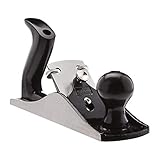
- Precision Wood Planing: Features a 2‑inch (51 mm) high‑quality steel blade and an adjustable mouth and depth gauge, allowing for accurate smoothing, trimming and finishing of wood surfaces.
- Heavy‑Duty Cast‑Iron Construction: The durable cast‑iron body provides stability and long‑lasting performance while reducing vibration for cleaner cuts and professional finish.
- Comfortable Ergonomic Design: Equipped with front and rear handles (front handle + rear hand grip) offering improved control and comfort during extended use—ideal for serious woodworking and hobbyists.
- Easy Blade Adjustment & Maintenance: With the adjustment screws and lever cap, you can fine‐tune the blade position and depth; includes guidance in the user manual to maintain the sole flat for better results.
- Ideal for DIYers & Professionals: Whether you’re smoothing edges, trimming doors, working on furniture or performing cabinetry, this hand plane delivers value and performance—makes a strong addition to a workshop or resale portfolio.
Woodcraft lists a 12-degree bed, 25-degree blade bevel, adjustable mouth, ductile-iron casting, knuckle-style lever cap, high-carbon tool-steel blade, and a 1-5/8-inch blade. The plane is listed at approximately 2 inches wide by 7 inches long. At the time of the research check, sale pricing was around $92, although both price and availability should be refreshed before publication.
This is the model to consider if you want a new plane and would rather spend your first dollars on wood, sharpening supplies, or other hand tools than on a premium casting. It also avoids the uncertainty of buying a vintage plane that may need rust removal, sole flattening, replacement hardware, or a new blade.
There is an important qualification: do not assume that a lower price means identical machining or out-of-box preparation. In WOOD magazine’s testing, WoodRiver planes had lever caps the testers preferred for their cam-lock action, but the WoodRiver blades required sharpening before use. Woodcraft itself recommends sharpening the blade before putting the plane to work. Budget for that step rather than treating it as a defect unique to one purchase.
4. Best compact plane: Lie-Nielsen No. 102
The Lie-Nielsen No. 102 Low Angle Block Plane is the best choice here when portability matters more than capacity.
At 5-1/4 inches long, with a 1-1/4-inch-wide blade and a weight of approximately 15.2 ounces, it is small enough to keep on an apron or carry to a job site. Its bronze body and 12-degree bed suit light trimming, edge easing, small chamfers, and quick corrections where taking out a larger plane would be inconvenient.
The No. 102’s mouth is fixed and intended around a relatively fine cut. That makes it simple and compact, but it also limits the range of work it can do. Choose the No. 102 for portability and light cuts; choose the No. 60-1/2 or DX60 if you need to open the mouth for heavier stock removal or want more control over the relationship between mouth opening and shaving thickness.
It is therefore best understood as a complementary plane, not a smaller version of the No. 60-1/2 in every practical sense.
Do these 3 things before closing this tab:
1Clear out junk files and repair common Windows errors2Fix the driver behind crashes, sound loss and screen glitches3Repair Windows errors before they cause bigger problemsRank #3

- Professional Level Blade: The blade is made of professional level O1 tool steel, delivering excellent cutting efficiency while minimizing blade wear, finely sharpened for efficient wood planing and ideal for precise woodworking. Besides, the blade can be repeatedly utilized, sharpened and adjusted for a long service life
- Advanced Materials: The body is made of ductile iron to withstand heavy-duty use and is drop-tested for rugged durability. The lever cap is made of zinc alloy and other parts are stainless steel, all of which are high-quality materials, providing excellent using experience
- Adjustable Design: The cutting depth of this small wood plane is adjustable, just turn the knob, you can easily adjust the length of the blade and fix it easily, then effortlessly plane different depths of wood
- Multiple Use: JORGENSEN block plane is an indispensable choice for wood projects. It delivers smooth, accurate cuts with great control, perfect for trimming, polishing, deburring, cutting and other woodworking surface processing tasks, which is also suitable for DIY and crafts making, improving the shape and size of wood
- Easy to Use: Professionally and meticulously polished flat bottom provides smooth operation. Coming with an instruction manual, the plane is easy to operate, friendly for professionals and woodworking beginners. Please pay attention to the sharp blade when operating
5. Compact alternative: Veritas Apron Plane
The Veritas Apron Plane belongs in the same compact category as the No. 102. It is suited to light trimming, chamfering, and small parts, particularly when a plane needs to be immediately accessible during assembly or detail work.
WOOD magazine gave the Veritas apron plane a value-oriented position alongside the Lie-Nielsen No. 102. Lee Valley currently lists it among its block-plane products. Because blade, body, mouth, configuration, and price details can change between listings, verify the live product page before publication or purchase.
For a first and only block plane, we would still favor a full-size low-angle model with an adjustable mouth. The Veritas apron plane makes more sense as a compact specialist or as a second plane for quick work.
Low-angle versus standard-angle block planes
The central difference is the angle at which the blade meets the wood. A typical low-angle block plane has a 12-degree bed and a 25-degree bevel-up blade, producing an approximately 37-degree effective cutting angle. A typical standard-angle block plane may use a 20-degree bed with the same 25-degree blade bevel, producing approximately 45 degrees.
| Geometry | Typical combination | Where it excels | Potential drawback |
|---|---|---|---|
| Low angle | 12-degree bed + 25-degree bevel = about 37 degrees | End grain, cross-grain trimming, fine fitting, and edge work | Can be more prone to tear-out in difficult or reversing grain at the standard bevel |
| Standard angle | 20-degree bed + 25-degree bevel = about 45 degrees | More conventional work with the grain and a more elevated cutting geometry | Less naturally optimized for end grain than a low-angle plane |
Low angle does not mean tear-out-proof. On figured or reversing grain, the lower angle can make tear-out worse. Its advantage is flexibility: because the bevel is on the top of a bevel-up blade, you can install a blade with a higher bevel or hone a higher secondary bevel to increase the effective cutting angle.
For example, a 33-degree bevel on a 12-degree bed gives an approximately 45-degree cutting angle. A 38-degree bevel gives approximately 50 degrees. That lets one low-angle plane cover more situations, although a higher bevel also changes the feel of the cut and may require more effort.
A standard-angle plane remains useful, especially for more general work with the grain. WOOD magazine’s testing preferred the Lie-Nielsen No. 9-1/2 and Veritas’s standard-angle model for standard-angle applications. The recommendation is not that standard-angle planes are obsolete; it is that a low-angle adjustable-mouth model is usually the more versatile starting point for a single-plane purchase.
What to check before buying
1. Sole flatness and side squareness
The sole should sit securely without rocking. A flat sole makes depth adjustments more predictable and helps the plane leave a consistent surface. Squared sides matter if you intend to register the plane against a shooting board, trim a shoulder, or use it for accurate edge work.
Rank #4

- Professional Level Blade: The blade is made of professional level O1 tool steel, improving cutting efficiency while minimizing blade wear, finely sharpened for efficient wood planing and ideal for detail woodworking. Besides, the blade can be repeatedly utilized, sharpened and adjusted for a long service life
- Advanced Materials: The body is made of ductile iron to withstand heavy-duty use and is drop-tested for rugged durability. The lever cap is made of zinc alloy and other parts are stainless steel, all of which are high-quality materials, providing excellent using experience
- Adjustable Design: The cutting depth of this mini wood planer is adjustable, just turn the knob, you can easily adjust the length of the blade and fix it easily, then effortlessly plane different depths of wood, the small hand planer can meet various needs
- Multiple Use: JORGENSEN mini block plane is small and portable, perfect for trimming, polishing, deburring, cutting and other woodworking surface processing tasks, also suitable for DIY and crafts making. The small hand plane can help you improve the shape and size of wood, which is an indispensable choice for wood projects
- Easy to Use: Professionally and meticulously polished flat bottom provides smooth operation. Coming with an instruction manual, the small wood plane is easy to operate, friendly for professionals and woodworking beginners. Please pay attention to the sharp blade when operating
Published testing found meaningful differences between models. WOOD magazine reported that some less expensive planes needed substantially more lapping than leading Lie-Nielsen and Veritas models. A cheap plane can still become useful, but account for the time, abrasive, and skill needed to correct it.
2. Blade-depth and lateral adjustment
The mechanism should let you make small, controlled changes without excessive play. You also need a way to align the blade so that its edge is parallel to the sole and the shaving is even across the mouth.
The Veritas DX60’s Norris-type adjuster is especially attractive if you want depth and lateral control in one mechanism. Traditional designs can work very well too, but they may rely more on careful lever-cap tension and small manual corrections.
3. An adjustable mouth
An adjustable mouth is one of the most useful features on a full-size block plane. Open it when removing more material or when a thicker shaving needs room to pass. Close it when taking thin shavings, trimming end grain, or working near an edge where you want more support immediately ahead of the blade.
PC Slower Than It Used to Be?
A free scan shows the junk files, broken settings and background clutter dragging Windows down - then fixes them in one click.Free scan · Windows 10 & 11Outdated Drivers Are Slowing You Down
One free scan finds every outdated or missing driver and matches the right update for your exact hardware.Free scan · exact hardware matchA fixed-mouth compact plane can be excellent within its intended range, but it cannot provide the same adjustment range.
4. Blade steel and sharpening behavior
A2, O1, high-carbon steel, and PM-V11 are not interchangeable labels for exactly the same experience. Steel choice affects edge retention, sharpening speed, and the abrasives or technique you prefer.
WOOD magazine favored PM-V11 among the blade steels in its test. Lie-Nielsen specifies cryogenically treated A2 for the No. 60-1/2. These details are useful comparisons, but they do not remove the need to sharpen the blade correctly or match the steel to your maintenance habits.
Best Value

- Professional Level Blade: The blade is made of professional level O1 tool steel, improving cutting efficiency while minimizing blade wear, finely sharpened for efficient wood planing and ideal for woodworking. Besides, the blade can be repeatedly utilized, sharpened and adjusted for a long service life
- Advanced Materials: The body is made of ductile iron to withstand heavy-duty use and is drop-tested for rugged durability. The lever cap is made of aluminum alloy, all of which are high-quality materials, providing excellent using experience
- Adjustable Design: The cutting depth of this wood planer is adjustable, just turn the knob, you can easily adjust the length of the blade and fix it easily, then effortlessly plane different depths of wood, the hand planer can meet various needs
- Multiple Use: JORGENSEN hand plane is perfect for trimming, polishing, deburring, cutting and other woodworking surface processing tasks. The professional and efficient wood plane can help you improve the shape and size of wood, removing large amounts of wood quickly, which is an indispensable choice for wood projects
- Ergonomic Handle & Flat Bottom: The handle is made of beech wood, high density and strength, strong resistance to stamping. After polished, the surface is smooth and burr-free, feels very comfortable in your hand. In addition, professionally and meticulously polished flat bottom provides smooth operation
5. Size and hand comfort
A full-size body offers more hand support and tends to feel steadier during longer trimming sessions. An apron or pocket plane is easier to carry and quicker to deploy for a single chamfer or a small fit correction. The smallest plane is not automatically the most comfortable, particularly if your hands are large or the work requires sustained pressure.
6. Out-of-box preparation
Plan on inspecting and, if necessary, preparing any block plane before judging it. Check the sole, flatten or polish the back of the blade, establish a consistent bevel, hone a sharp edge, and confirm that the lever cap holds the blade securely without distorting its alignment.
Published testing found substantial differences in blade and sole preparation. In particular, the WoodRiver blade was reported to need sharpening, and Woodcraft recommends doing so before use. A plane that needs sharpening is not necessarily a poor purchase; it simply should not be advertised or assumed to be universally ready for immediate work.
7. Price and stock
Prices and inventory are especially changeable for specialty hand tools. The research check found approximate listed prices of $190 for the Lie-Nielsen No. 60-1/2, $252 and up for the Veritas DX60, and about $92 at sale pricing for the WoodRiver plane. Verify the manufacturer’s or retailer’s live listing before publishing a price, placing an order, or promising a delivery date.
Independent reader supportYour contribution helps us test, update, and keep practical guides available for everyone.Which block plane should you buy?
- Choose the Lie-Nielsen No. 60-1/2 if you want the strongest premium all-purpose recommendation and prefer a traditional-feeling plane.
- Choose the Veritas DX60 if precise depth and lateral adjustment, repeatable mouth setting, and blade-choice options matter most.
- Choose the WoodRiver low-angle plane if you want the important features at a lower price and are willing to sharpen and inspect the plane yourself.
- Choose the Lie-Nielsen No. 102 if your priority is a small, portable plane for light trimming and edge easing.
- Choose the Veritas Apron Plane if you want a compact specialist for small parts and quick chamfers rather than a full-size general-purpose tool.
If your work is mostly with the grain and you already understand the limitations of a fixed or standard-angle geometry, a standard-angle plane can still be a sensible addition. But for a first purchase, the low-angle adjustable-mouth format gives you the broadest useful range, especially once you learn to change the blade bevel for difficult grain.
The Tool Desk
Outbyte PC Repair FREEClear out junk files and repair common Windows errorsFree Scan →Outbyte Driver Updater FREEFix the driver behind crashes, sound loss and screen glitchesFind Drivers →Frequently Asked Questions
Is a low-angle block plane better than a standard-angle block plane?
Not in every situation. A low-angle plane is usually more versatile for a first purchase because it excels at end grain and fine trimming, while a replacement blade or higher bevel can raise its effective cutting angle for difficult grain. A standard-angle plane remains useful for general work with the grain.
Do I need an adjustable mouth on a block plane?
It is not essential for light trimming, but it is highly useful on a full-size plane. A wider opening accommodates heavier cuts; a tighter opening supports fine shavings and end-grain work. Compact planes such as the Lie-Nielsen No. 102 use a fixed mouth and are intended for a narrower range of jobs.
What cutting angle does a low-angle block plane have?
With a 12-degree bed and a 25-degree blade bevel, the approximate effective cutting angle is 37 degrees. A 33-degree bevel raises it to about 45 degrees, and a 38-degree bevel raises it to about 50 degrees.
Are block planes ready to use straight from the box?
Do not assume so. Inspect the sole and blade, and expect to sharpen at minimum. Published testing found differences in preparation between models, and Woodcraft recommends sharpening the WoodRiver blade before use.
The Bottom Line
Our first-choice block plane is the Lie-Nielsen No. 60-1/2 because its low-angle geometry, adjustable mouth, compact full-size body, and published test results make it the least-compromising all-purpose option. The Veritas DX60 is the precision-adjustment alternative, the WoodRiver is the value pick, and the Lie-Nielsen No. 102 is the compact specialist. Check live stock and pricing before buying, and budget time to sharpen and tune any plane you purchase.
Quick Recap
Product prices and availability are accurate as of the date/time indicated and are subject to change. Any price and availability information displayed on Amazon at the time of purchase will apply.

