Quick wins for a faster PC:
Clear out junk files and repair common Windows errorsFree Scan →Fix the driver behind crashes, sound loss and screen glitchesFind Drivers →Repair Windows errors before they cause bigger problemsFix Now →The traditional way to make Martha Stewart–style apple cider is simple: grind washed orchard apples into pulp, press that pulp through a cider press, then chill the fresh, unfiltered juice immediately. Martha’s farm method uses a hand-crank press, produces unsweetened cider with no additives, and estimates that 30 to 40 apples yield approximately 1 gallon.
This is fresh, raw cider—not a cooked apple-cider drink. Because it is not necessarily pasteurized, sanitation, refrigeration, storage, and serving precautions matter as much as the pressing technique.
As an Amazon Associate I earn from qualifying purchases.
What Martha Stewart’s cider-pressing method involves
Martha Stewart’s published method, updated September 20, 2024, treats cider making as an orchard-preservation project rather than a stovetop recipe. Apples are fed into the grinder portion of a hand-crank cider press, where teeth break them down into pulp. A screw-driven pressing plate then extracts the juice into a clean container.
What’s actually slowing this PC down?
Pick the symptom - the matching free tool is one click away.
The finished cider is naturally unfiltered, unsweetened, and additive-free. It may contain fine sediment and a layer of froth, both of which are normal for fresh-pressed juice. You can skim the foam if you prefer, but filtering the cider more aggressively will change its rustic, unfiltered character.
#1 Best Overall
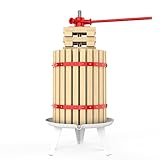
- Natural Juice Extraction – Handmade wooden apple press designed to deliver high juice yield with reduced foaming and drier pulp, helping preserve the fresh and authentic flavor of your fruits.
- Sturdy & Practical Design – Heavy-duty stand with built-in pour spout for easy juice collection. Each foot features a screw hole option for secure mounting, ensuring stable and safer operation.
- Durable Beech Wood Basket – Solid red beech basket, naturally resistant to moisture and wear. The breakaway design allows quick removal of fruit pulp between pressings for efficient use.
- Simple Manual Operation – Just load crushed fruit into the barrel, rotate the press plate with the metal handle, and enjoy smooth juice flow. No motor required, quiet and convenient for home use.
- Versatile Use – Ideal for making fresh juice or homemade wine from apples, grapes, and berries. Great for family gatherings, small juice shops, or seasonal fruit and wine making.
How many apples do you need?
Plan on approximately 30 to 40 apples for 1 gallon of cider. The actual yield depends on the apples’ size, variety, ripeness, moisture content, pulp consistency, press design, and how thoroughly the pulp is pressed.
As a larger-scale reference, Martha’s farm documentation estimates that one bushel produces about 3 gallons of cider and contains approximately 125 medium apples. Treat both figures as working estimates, not guaranteed conversions. A dry variety, small fruit, inefficient grind, or lightly pressed pulp can reduce the yield.
Choosing apples
- Combine varieties. Blending sweet, tart, aromatic, and high-acid apples creates a more complex cider than using one variety alone.
- Minor blemishes are acceptable. Bruises and superficial marks can be trimmed or included if the fruit is otherwise sound.
- Discard spoiled fruit. Apples with rotten or moldy areas should not go into the press. Spoilage can accelerate fermentation and introduces unnecessary food-safety concerns.
- Use ripe fruit. Ripe apples generally provide more juice and fuller flavor, although the best blend depends on the varieties available in your orchard.
Equipment checklist for the press method
You need more than the press itself. Gather:
- A cider press with a grinder or crusher
- A mesh press bag or other food-contact liner suited to the press
- Clean bottles, jars, or other food-safe containers
- A clean bucket or vessel that fits beneath the press spout
- Water for rinsing the apples
- Refrigerator space for the finished cider
A combined crusher-and-press unit is the most direct setup for this method. When comparing models, check whether the machine accepts whole apples or requires fruit to be crushed first; many smaller presses do not process whole apples. Also compare hopper capacity, basket size, food-contact materials, cleaning access, and whether replacement bags or parts are available.
Crashes, No Sound, or Screen Glitches?
Random freezes, missing sound and display glitches usually trace back to one bad driver. Find and replace yours safely.Free scan · under a minuteWindows Errors? Fix Them Before They Spread
Repair common Windows errors and clear accumulated junk for a smoother, more stable PC - no reinstall needed.Free scan · no reinstallReaders shopping for the central tool can compare a manual apple cider press by capacity and crusher design. That phrase describes a category, not a recommendation of any particular listing or a claim that every model works identically.
Step-by-step: pressing apples into fresh cider
1. Set up the press
Place the press on a stable, level surface where spilled juice can be cleaned easily. Make sure the grinder, hopper, basket, pressing plate, screw, and downspout are assembled according to the manufacturer’s instructions.
Put the mesh bag inside the press bucket or tub before adding fruit. The bag helps contain the pulp and makes cleanup easier, but it must be clean and intended for food contact. Position a clean collection bucket directly beneath the downspout.
2. Rinse and inspect the apples
Rinse the apples under clean running water and remove leaves, stems, dirt, and visibly spoiled sections. Do not use rotten apples simply because the juice will later be refrigerated. Refrigeration slows microbial growth; it does not make contaminated raw juice safe.
Do these 3 things before closing this tab:
1Clear out junk files and repair common Windows errors2Fix the driver behind crashes, sound loss and screen glitches3Repair Windows errors before they cause bigger problemsRank #2

- Sturdy Construction: Built with a solid cast iron crossbeam, the fruit wine press can swing open, making it convenient to load the basket or place fruits directly inside. The triangular base ensures stability and secure placement on the ground. Comes with two food-grade filter bags, ensuring secure and hygienic use
- Easy to Use: Featuring a T-shaped anti-slip handle and spiral progressive pressing mechanism, simply turn the handle downward to extract juice effortlessly. The large pressing plate ensures a thorough and efficient juice extraction process. For better results, you can pre-cut fruits and place them in the filter bag, or pre-attach the filter mesh before pressing
- Large Capacity: The 14L/3.69-gallon large-capacity design is ideal for family gatherings, parties, wineries, and farms to conveniently produce abundant juice. For the best juicing results, pre-crush fruits using a fruit crusher before pressing
- Easy to Clean: The 304 stainless steel basket is removable, allowing for quick and easy cleaning. To maintain longevity, apply food-grade lubricant to non-food-contact metal parts to prevent corrosion. Store in a clean and dry place after use for optimal performance
- Versatile Use: This wine press can be used to press various fruits for fresh, healthy juice, as well as for pressing fruit wine, cheese, fruit pulp, olive oil, and more. It is suitable for family gatherings, restaurants, wineries, farms, and fresh juice shops
3. Feed the grinder
Add several apples at a time to the rotating cylinder or grinder. The teeth break the fruit into pulp, which falls into the hopper or press basket. Feed the machine steadily rather than forcing in more fruit than the hopper can safely handle.
Follow the press manufacturer’s instructions for fruit size and preparation. If the machine requires pre-crushed apples, cutting or crushing the fruit before loading is essential. Never put hands or utensils into a moving grinder; use only the tool supplied for feeding fruit, if one is provided.
4. Build up enough pulp
Continue grinding until the basket or pressing area contains enough pulp for the pressing plate to make broad, even contact. A thin, uneven layer may produce less juice and can make pressing awkward.
5. Position the pressing plate
Place the pressing plate on top of the pulp. Check that it is centered and that the pulp is contained within the lined basket. Keep fingers clear of the screw, plate, and other moving parts.
6. Press the pulp
Turn the screw clockwise to lower the plate. Juice should begin running through the downspout into the clean collection bucket. Pressing may require substantial force, especially as the pulp compacts. Sharing the hand-crank work is practical and can reduce strain.
Continue until the juice flow becomes minimal. Do not assume that maximum force is always better: stop if the press shifts, the frame flexes, or the manufacturer’s instructions indicate that the limit has been reached. Release the pressure according to the machine’s instructions before removing the spent pulp.
Rank #3

- Natural Beechwood: The solid wood basket is made of natural beechwood, which has a smooth, burr-free surface. The triangular base structure provides stable support, ensuring our fruit wine press stays firmly in place during use without shaking. Additionally, it comes with two food-grade filter bags for secure and hygienic use
- Efficient Juicing: This fruit wine manual press features one thick beechwood pressing block and eight supporting blocks. Compared to traditional cloth pressing, the enhanced pressure allows for more thorough extraction and efficient, rapid juice output. You can press a fresh and healthy cup of juice in just a few minutes, enjoying a pure natural fruit drink
- Easy to Use: With an extended rotating handle and spiral progressive pressing mechanism, simply turn the handle downward to extract juice effortlessly. For better results, you can pre-cut fruits and place them in the filter bag, or pre-attach the filter mesh before pressing
- Large Capacity: The 6L/1.6-gallon large-capacity design is ideal for family gatherings, parties, wineries, and farms to conveniently produce abundant juice. The hard fruits must be crushed before pressing, and can be used with VEVOR crusher
- Versatile Use: This wine press can be used to press various fruits for fresh, healthy juice, as well as for pressing fruit wine, cheese, fruit pulp, olive oil, and more. It is suitable for family gatherings, restaurants, wineries, farms, and fresh juice shops
7. Skim, bottle, and chill
Skim froth from the surface if desired. Pour the cider into clean containers, leaving room if you intend to freeze it, and refrigerate immediately.
Fresh cider may look cloudy and may settle into layers. Gently swirl the container before serving if you want to redistribute the sediment. Do not leave raw cider at room temperature while waiting to bottle or serve it.
Making cider without a press
A dedicated press is useful for a large harvest, but it is not required for a small batch. Martha Stewart’s related no-press recipe uses approximately 7 pounds of washed, cored, unpeeled apples, a food processor, a sturdy colander, triple-layer cheesecloth, and a large pot to catch the juice.
Equipment for the press-free method
- Food processor
- apple corer or knife
- Sturdy, large colander
- Triple-layer cheesecloth
- Large pot or bowl to collect the juice
- Heavy pot, such as a Dutch oven, to weigh down the pulp
- Clean bottles or airtight storage containers
Useful accessories for this alternative include food-grade cheesecloth, a cider press bag, an apple corer, and freezer containers. These are not mandatory purchases if you already have suitable food-safe equipment at home.
Press-free instructions
- Wash and core the apples. Leave the skins on, but remove the cores and any spoiled areas. Cut the apples into wedges small enough for the food processor.
- Process in batches. Fill the processor bowl no more than halfway. Overfilling produces an uneven puree and can strain the machine. Process the wedges until they resemble uncooked applesauce.
- Line the colander. Set the colander over a large pot and line it with three layers of cheesecloth.
- Add the puree. Transfer the apple puree into the lined colander. Fold the cheesecloth over the top and twist or close it around the pulp.
- Apply weight. Place a heavy pot, such as a Dutch oven, on top of the enclosed pulp. The weight forces juice through the cloth and into the collecting pot.
- Drain slowly. Refrigerate the setup for at least four hours and up to overnight. This method is considerably slower than a crusher-and-press workflow.
- Discard the solids. Once the juice has drained, remove the pressed pulp and transfer the cider to clean containers. Refrigerate immediately.
The press-free method is convenient for a few pounds of apples, but it has trade-offs: the food processor works in batches, draining takes hours, and the yield may be lower than with a purpose-built press. It is best viewed as a small-batch substitute, not a faster version of pressing.
Raw cider safety: refrigeration is not pasteurization
Rinsing apples, using clean bottles, and refrigerating the juice are important minimum steps, but they do not guarantee that raw cider is free of pathogens. Unpasteurized cider has been associated with outbreaks involving pathogens such as E. coli O157:H7, Salmonella, and Cryptosporidium, according to Penn State Extension.
Free tools Windows power users keep installed
One-click scans. No signup required.
Martha Stewart’s related recipe notes that its cider is not pasteurized and does not recommend serving it to young children, older adults, or people with compromised immune systems. That is a prudent restriction for homemade raw cider. Use extra caution with anyone who is pregnant or otherwise medically vulnerable, and follow advice from a healthcare professional when in doubt.
If you want heat-treated cider
Heat treatment can reduce pathogen risk, but the correct temperature and holding time depend on the process, equipment, intended use, and applicable local rules. The University of Minnesota Extension cottage-food guidance describes heating cider to 165°F to 185°F for at least 15 seconds for a heat-treated product. Martha’s farm blog describes a household step of at least 160°F and no more than 185°F for at least 10 seconds.
Rank #4

- Natural Juice Extraction – Handmade wooden apple press designed to deliver high juice yield with reduced foaming and drier pulp, helping preserve the fresh and authentic flavor of your fruits.
- Sturdy & Practical Design – Heavy-duty stand with built-in pour spout for easy juice collection. Each foot features a screw hole option for secure mounting, ensuring stable and safer operation.
- Durable Beech Wood Basket – Solid red beech basket, naturally resistant to moisture and wear. The breakaway design allows quick removal of fruit pulp between pressings for efficient use.
- Simple Manual Operation – Just load crushed fruit into the barrel, rotate the press plate with the metal handle, and enjoy smooth juice flow. No motor required, quiet and convenient for home use.
- Versatile Use – Ideal for making fresh juice or homemade wine from apples, grapes, and berries. Great for family gatherings, small juice shops, or seasonal fruit and wine making.
These figures should not be presented as one universal legal standard. If cider will be sold, served to the public, or made under a regulated food business, consult the current requirements of your state, province, municipality, health department, or other governing authority. A kitchen thermometer can help monitor a household heating process, but using a thermometer does not by itself establish regulatory compliance.
Heat-treated cider may taste different from raw, fresh-pressed cider. Decide whether your priority is the uncooked orchard flavor or a reduced pathogen risk, and handle either product hygienically.
Refrigerating and freezing homemade cider
Refrigerate the cider immediately after pressing. Martha Stewart’s related recipe gives a storage guideline of up to one week in an airtight container when refrigerated, or up to three months frozen. Treat those as recipe guidance rather than a universal shelf-life guarantee, particularly because the cider is not pasteurized.
Discard cider if it develops an unusual smell, visible mold, unexpected gas pressure, or other signs of spoilage. Do not taste questionable cider to decide whether it is safe.
How to freeze it without cracked containers
Apple cider expands as it freezes. Leave generous headspace in freezer-safe containers; the Happy Valley Ranch press manual recommends filling a container approximately three-quarters full. Leave the lid off until the cider is solid if following that manual’s procedure, then secure the container for storage. Use containers designed for freezing and label them with the date.
Independent reader supportYour contribution helps us test, update, and keep practical guides available for everyone.Buying guidance: press, accessories, or a local service?
| Your situation | Most practical option | What to check |
|---|---|---|
| A few pounds of apples | Food processor and cheesecloth | Processor capacity, sturdy colander, refrigerator space, and several hours of draining time |
| A small to medium home harvest | Manual cider press with an integrated grinder | Whole-apple compatibility, basket capacity, stability, cleaning, and replacement parts |
| A large harvest or annual pressing tradition | Higher-capacity press or community pressing service | Throughput, sanitation procedures, storage containers, labor, and local availability |
| A damaged or incomplete press | Replacement bag or manufacturer parts | Exact model compatibility and current parts availability |
Martha’s farm documentation identifies the American Harvester double-tub cider press and grinder from Happy Valley Ranch as the equipment used there. Happy Valley Ranch’s current manufacturer materials state that its American Harvester and Homesteader presses are made from hard maple and manufactured in Dothan, Alabama. Those are manufacturer claims, not independent durability testing, and they do not mean that every current model is identical to the equipment Martha used.
Recommended Free Tools
For larger harvests, a local cider mill, orchard-supply retailer, equipment-rental program, or community press may be more sensible than buying and storing a large machine. Availability, sanitation standards, pricing, and whether a service offers pasteurization vary by location, so verify those details directly.
Best Value

- Higher Juice Yield with Traditional Manual Pressing: Designed to extract more juice with less waste, this manual fruit wine press helps reduce oxidation, minimize foam, and produce drier pulp than many electric juicers. Enjoy fresh juice, cider, and wine with rich natural flavor and maximum fruit extraction
- Solid Wood Construction Built to Last: Crafted from durable beech wood with a heavy-duty steel base and corrosion-resistant hardware, this fruit press is designed for long-term use. The sturdy basket and stable stand provide reliable support during pressing while maintaining the classic charm of traditional winemaking. To prevent rust, the screw shaft has been lightly coated with lubricating oil. Please clean it thoroughly before use
- Easy to Use and Clean: Before first using the fruit press, please simply assemble the wooden slats according to the included instructions. Simply place crushed fruit into the included filter bag, load it into the basket, and turn the T-handle to extract juice. The included filter bag has an opening at the bottom to allow the screw shaft to pass through. Efficiently separate pulp and make cleanup quick after pressing apples and grapes
- Perfect for Juice, Cider, and Wine Making: Whether you're making fresh apple cider, grape juice, fruit wine, or homemade beverages, this manual cider press delivers consistent performance. Ideal for seasonal harvests, family gatherings, backyard entertaining, and traditional home brewing projects
- Ideal for Home Brewers and Fruit Growing Enthusiasts: Perfect for home brewers, winemakers, orchard owners, gardeners, homesteaders, small farms, and fresh juice enthusiasts. Suitable for kitchens, orchards, farms, juice stands, and outdoor gatherings where natural, handcrafted beverages are enjoyed. If you have any questions or encounter any issues after receiving the product, please feel free to contact us anytime, and we will be happy to assist you
Common mistakes to avoid
- Using rotten apples. Trim minor blemishes, but discard fruit with spoiled or moldy areas.
- Assuming every press accepts whole apples. Read the machine’s instructions; some presses require fruit to be crushed separately.
- Overfilling a food processor. Process batches no more than halfway full for a more even puree.
- Skipping the liner. A correctly fitted mesh bag helps contain pulp and simplifies cleanup.
- Using an unclean collection bucket. The container touches the finished juice and should be clean and food-safe.
- Leaving raw cider unrefrigerated. Chill it as soon as it is bottled.
- Calling refrigeration a safety treatment. Cold storage slows growth but does not pasteurize cider.
- Freezing a full container. Leave headspace because cider expands.
- Overstating pasteurization rules. Household recipe instructions are not automatically commercial or legal standards.
Frequently Asked Questions
Can you make Martha Stewart–style apple cider without a cider press?
Yes. Puree approximately 7 pounds of washed, cored, unpeeled apples in batches, drain the puree through triple-layer cheesecloth in a sturdy colander, and weigh it down with a heavy pot. Refrigerate the setup for at least four hours and up to overnight. The method is slower and less efficient than using a grinder and press.
How long does homemade apple cider last?
Martha Stewart’s related recipe gives up to one week refrigerated in an airtight container or up to three months frozen. These are recipe guidelines, not universal guarantees, and the cider should be refrigerated immediately because it is not pasteurized.
Is fresh-pressed apple cider safe to drink raw?
Raw cider is not automatically safe because the apples were rinsed or the juice was chilled. Unpasteurized cider can carry foodborne pathogens. Young children, older adults, people with compromised immune systems, and other medically vulnerable people should avoid raw cider unless a qualified health professional advises otherwise.
The Tool Desk
Outbyte PC Repair FREEClear out junk files and repair common Windows errorsFree Scan →Outbyte Driver Updater FREEScan for outdated or missing drivers - takes under a minuteDriver Scan →How much cider does a bushel of apples make?
Martha’s farm documentation estimates about 3 gallons from a bushel containing approximately 125 medium apples. Actual yield varies with apple variety, size, ripeness, moisture, press design, and technique.
The Bottom Line
For the closest match to Martha Stewart’s farm method, use a clean hand-crank press with a grinder, blend sound apples for complexity, press the pulp thoroughly, and refrigerate the unfiltered cider immediately. If you only have a small quantity of fruit, the food-processor-and-cheesecloth method works without a press—but plan for batch processing and several hours of draining. In either case, treat fresh cider as a perishable raw product, not as a shelf-stable beverage.
Quick Recap
Product prices and availability are accurate as of the date/time indicated and are subject to change. Any price and availability information displayed on Amazon at the time of purchase will apply.

