Winterize tropical hibiscus by bringing it indoors before frost, inspecting it for pests, and choosing either active indoor growth or cool, semi-dormant storage. The best method depends on whether you can provide the warmth and very bright light needed for continued growth. This guide is for tender tropical hibiscus, particularly Hibiscus rosa-sinensis—not hardy perennial hibiscus or Rose of Sharon.
First, identify which hibiscus you have
Tropical hibiscus should come indoors before frost. This includes the tender container hibiscus most often sold as Hibiscus rosa-sinensis. In northern climates, it will not reliably survive freezing temperatures outdoors.


As an Amazon Associate I earn from qualifying purchases.
Do not apply the same treatment to every plant called hibiscus. Hardy perennial hibiscus generally stays outdoors, dies back after frost, and returns from the roots the following spring. It is commonly cut back to about 3–4 inches after the growing season, with a layer of mulch useful in colder areas. Rose of Sharon is also a different, outdoor-hardy shrub. The indoor winterization plan below is primarily for tropical hibiscus.
Recommended Free Tools
Choose your winter strategy: active growth or dormancy
There are two sound ways to overwinter a healthy tropical hibiscus. The right choice depends mainly on the light and temperature available in your home.
#1 Best Overall
| Strategy | Best for | What to expect |
|---|---|---|
| Keep it actively growing | A warm room with very bright light | Some leaf or bud loss during the move is normal; the plant may continue growing and possibly flower. |
| Store it semi-dormant | A cool, frost-free basement, garage, or similar space with inadequate light | The plant grows very little, needs little water, and should not be treated like a warm houseplant. |
Dormancy is not mandatory. A tropical hibiscus can remain an attractive houseplant through winter when it has enough light, warmth, and careful watering. Conversely, placing a plant in a dim but warm room often produces weak growth, leaf loss, and pest problems. If light is the limiting factor, cool storage is usually more sensible than trying to force active growth.
When to bring tropical hibiscus indoors
Use the forecast and nighttime temperatures rather than a fixed calendar date. Bring the plant inside before the first expected frost; do not wait to see whether it can tolerate one cold night.
- Watch for the first-frost forecast in your area.
- Plan to move the plant before repeated cold nights.
- Use nighttime temperatures approaching 50°F as a practical warning to prepare.
- Tropical hibiscus may begin struggling when nights fall into the low 40s, even if frost is not yet predicted.
- If you are using dormant storage, select and prepare the cool location before moving the plant.
A short period of acclimation can help. If weather allows, move the plant from full outdoor exposure to a somewhat sheltered position for several days before bringing it into the house. This does not replace bringing it in ahead of frost, and it is not worth risking cold damage to achieve a gradual transition.
What’s actually slowing this PC down?
Pick the symptom - the matching free tool is one click away.
Inspect and clean the plant before it crosses the threshold
Outdoor plants can carry pests into a home or greenhouse. Inspect the hibiscus in good light, looking at places that are easy to miss:
- Both sides of every leaf
- New growth and leaf joints
- Stems and branches
- The soil surface
- The pot rim, drainage holes, and saucer
- The underside of the container
Look for aphids, spider mites, scale, mealybugs, webbing, eggs, holes, and sticky honeydew. Rinse the foliage and stems with water where appropriate, and clean the outside of the pot and saucer. Remove dead leaves and other debris from the soil surface.
If you find pests, isolate the hibiscus from other houseplants. A quarantine period of about three weeks is a practical conservative monitoring period, not a guarantee that a hidden pest will never appear later. Recheck the plant regularly during and after isolation.
Do not apply pesticide automatically. If treatment is necessary, identify the pest as accurately as possible and use only a product labeled for that pest and for use on the hibiscus or ornamental plant in question. Follow the label, including directions for dilution, application, ventilation, and repeat treatments. For a confirmed infestation, insecticidal soap for houseplants may be one labeled option, but it is not appropriate to treat every plant as though it has pests.
The Tool Desk
Outbyte Driver Updater FREEFix the driver behind crashes, sound loss and screen glitchesFind Drivers →Outbyte PC Repair FREERepair Windows errors before they cause bigger problemsFix Now →Prune for size, health, and indoor placement
Tropical hibiscus tolerates substantial pruning. Before moving it inside, remove weak, damaged, dead, or excessively leggy growth. You can also shorten branches that make the plant too large for its winter location.
The trade-off is important: pruning improves manageability and shape, but it also removes leaves and may remove flower buds. A heavily pruned plant may take longer to flower again. If the plant is healthy and already fits its location, a light cleanup may be better than a severe cutback. Late-winter pruning is another useful opportunity to encourage bushier growth, although heavy pruning at that time can delay flowering.
Use clean, sharp bypass pruning shears for smooth cuts. If you have cut diseased or heavily infested material, disinfect the tools before using them on healthy growth or another plant.
How to overwinter hibiscus as an actively growing houseplant
1. Give it the brightest practical location
Light is usually the biggest indoor limitation. Place the hibiscus near a sunny south- or west-facing window where it can receive at least four to five hours of bright direct light. Turn the pot periodically if growth leans toward the window.
A plant can survive with less light than it needs for vigorous growth and abundant flowers. Inadequate winter light may produce stretched growth, leaf loss, fewer flowers, bud drop, and greater susceptibility to pests.
If the window is not bright enough, add an LED grow light for indoor plants. LED fixtures are generally energy-efficient, long-lasting, and cooler than many older lighting types. A timer can provide a consistent daily schedule. Follow the particular fixture’s instructions for hanging height and operating time rather than guessing from the bulb’s appearance; a light that is too far away may have little effect, while one placed too close can stress foliage.
2. Keep temperatures warm and stable
For active winter growth, aim for daytime temperatures around 65–75°F. For good indoor performance, daytime temperatures should not fall below about 55°F. Keep the plant away from:
- Cold drafts and frequently opened exterior doors
- Heating vents and radiators
- Entryways with abrupt temperature changes
- Cold glass or other locations with sharp nighttime temperature drops
Warmth alone cannot compensate for poor light. A bright, stable room is preferable to a hot room in which the plant is forced to grow in darkness.
3. Water by soil and plant conditions, not by the calendar
Active hibiscus should remain relatively moist, but never waterlogged. Let the surface and upper portion of the mix dry somewhat more between waterings than they did outdoors in summer, then water thoroughly when needed. The exact interval will vary with pot size, temperature, light, humidity, and the plant’s root mass.
Rank #3

- PREMIUM QUALITY INGREDIENTS – Cz Garden BloomBiscus is plant food specially formulated for Hibiscus and Flowering Tropicals.
- IDEAL FOR A WIDE RANGE OF TROPICAL PLANTS – Perfect not only for Hibiscus, but also Bird of Paradise, Angel Trumpets, Plumeria, Bromeliads, Canna Lily, Heliconia, Ixora, and many more flowering tropicals.
- OPTIMAL 10-4-12 NPK FORMULA WITH 2% IRON & MICRONUTRIENTS– Provides the ideal balance of nitrogen, phosphorus, and potassium.
- RESEALABLE, EASY POUR PACKAGING: Cz Garden BloomBiscus is packaged in a 4LB heavy duty resealable pouch. Pour the necessary quantity with ease and store the rest for future use.
- COUNTRY OF ORIGIN: USA - Cz Garden fertilizers and soil amendments are manufactured in the USA from the highest quality ingredients.
Use an indoor plant pot with drainage holes. Water until some excess runs from the bottom, then empty the saucer. Do not leave the container standing in water. A well-drained potting mix, potentially amended with perlite, helps prevent the soggy-root conditions that become especially risky in low winter light.
4. Reduce fertilizer
Indoor hibiscus generally needs less fertilizer than it did during summer. Reduce both the frequency and amount as growth slows. A half-strength fertilizer used approximately monthly is a spring-and-summer pattern for actively growing indoor plants; winter feeding should be less frequent and should reflect actual growth.
Do not use routine heavy feeding on a semi-dormant plant. Pushing a plant with fertilizer when it lacks light and warmth can encourage weak, soft growth rather than useful development.
PC Slower Than It Used to Be?
A free scan shows the junk files, broken settings and background clutter dragging Windows down - then fixes them in one click.Free scan · Windows 10 & 11Crashes, No Sound, or Screen Glitches?
Random freezes, missing sound and display glitches usually trace back to one bad driver. Find and replace yours safely.Free scan · under a minuteHow to store hibiscus semi-dormant
Cool storage is useful when the home has no adequately bright location. Before storage, prune the plant to a manageable size, inspect it carefully, and clean away dead foliage and debris.
- Choose a cool, frost-free space, such as a suitable basement or other protected storage area.
- Around 50°F or lower may be appropriate for cool storage, provided the plant is protected from freezing.
- Keep watering very limited. Check the root ball periodically and add only enough water to prevent it from becoming completely dry.
- Do not keep the soil saturated. Cool, wet soil greatly increases the risk of root problems.
- Avoid treating the space like a warm living room. Excessive warmth or light can interrupt dormancy and trigger weak new growth.
- Do not fertilize routinely while the plant is dormant.
“Dormant” does not mean “abandoned.” Check periodically for shriveling, rot, pests, or completely dry soil. The aim is minimal maintenance, not bone-dry storage.
Troubleshoot the most common winter problems
Yellow leaves or leaf drop
Some yellowing and leaf loss can occur after the move indoors. The plant has experienced a sudden change in light, temperature, humidity, air movement, and watering demand. Stable placement and gradual acclimation can reduce stress, but they cannot guarantee that every leaf will remain.
Check the difference between normal transition stress and a care problem. A few declining leaves may be expected; widespread yellowing combined with wet soil suggests overwatering or poor drainage. Pale, stretched new growth points toward insufficient light. Inspect closely for mites, aphids, scale, or mealybugs before assuming the problem is purely environmental.
Do these 3 things before closing this tab:
1Clear out junk files and repair common Windows errors2Fix the driver behind crashes, sound loss and screen glitches3Repair Windows errors before they cause bigger problemsBud drop or failure to flower
Bud drop commonly follows low light, drafts, unsuitable temperatures, or inconsistent watering. An indoor hibiscus may stay alive through winter without receiving enough light or stable warmth to develop flowers. Avoid moving it repeatedly, keep moisture reasonably consistent, and improve light before adding more fertilizer.
Spider mites or aphids
Dry indoor air can make spider mites more troublesome, while aphids often gather on tender new growth. Inspect frequently, isolate an affected plant, and rinse foliage where suitable. Use insecticidal soap or another treatment only if it is labeled for the identified pest and plant. Repeat monitoring is essential because a single inspection or treatment may not reveal or remove every life stage.
Root stress and soggy soil
Frequent watering, poor drainage, and cool or low-light conditions are a damaging combination. Confirm that the pot has open drainage holes, that the saucer is emptied, and that the mix is allowed to dry somewhat between waterings. Do not solve yellow leaves by automatically adding more water.
Independent reader supportYour contribution helps us test, update, and keep practical guides available for everyone.Move the hibiscus outdoors again in spring
Wait until frost danger has passed and nighttime conditions are consistently suitable for a tropical plant. The plant must be rehardened because indoor leaves have adapted to much lower light and gentler air movement.
Quick wins for a faster PC:
Repair Windows errors before they cause bigger problemsFix Now →Scan for outdated or missing drivers - takes under a minuteDriver Scan →Clear out junk files and repair common Windows errorsFree Scan →- Move the hibiscus first to a sheltered outdoor location with filtered or bright indirect light.
- Keep it there while it adjusts to outdoor temperature and air movement.
- Over several days or longer, gradually increase exposure to brighter light.
- Water and feed more actively only as outdoor growth resumes and the plant’s conditions justify it.
Never move a hibiscus directly from a dim indoor corner into full outdoor sun. The sudden increase in light can scorch foliage, cause bud loss, and create severe transplant shock even when the temperature is suitable.
A practical winterization checklist
- Confirm that the plant is tropical hibiscus rather than hardy perennial hibiscus or Rose of Sharon.
- Move it indoors before frost and before repeated nights near the low 40s.
- Choose active growth for a warm, bright room or semi-dormancy for a cool, frost-free area.
- Inspect leaves, stems, joints, soil, pot, saucer, and drainage holes for pests.
- Rinse and clean the plant and container.
- Isolate any plant with suspected pests for about three weeks while monitoring it.
- Prune only as much as needed for health and indoor size.
- Provide four to five hours of bright direct light or add suitable supplemental lighting.
- Keep active plants warm and stable; keep dormant plants cool and frost-free.
- Water according to soil dryness and growth, never by a fixed calendar.
- Reduce winter fertilizer, and avoid routine feeding during dormancy.
- In spring, wait for suitable nights and harden the plant gradually back into outdoor light.
Frequently Asked Questions
Do all hibiscus plants need to be brought indoors for winter?
Tropical hibiscus, especially Hibiscus rosa-sinensis, is tender and should be brought indoors before frost. Hardy perennial hibiscus normally stays outdoors, is cut back after the season, and returns from its roots in spring. Rose of Sharon is also a separate outdoor shrub.
Best Value
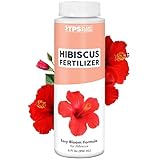
- Made for Hibiscus Plants – Specially formulated hibiscus fertilizer designed for tropical flowering plants.
- Supports Vibrant Blooms – Hibiscus plant food helps promote large, colorful flowers and consistent blooming.
- Supports Vibrant Blooms – Hibiscus plant food helps promote large, colorful flowers and consistent blooming.
- Ideal for Outdoor & Potted Plants – Hibiscus fertilizer outdoors and hibiscus fertilizer potted use for gardens and containers.
- Made in USA
Can tropical hibiscus remain actively growing indoors all winter?
Yes, if conditions are suitable. Keep it in a warm, bright location, ideally with about four to five hours of bright direct light. If natural light is inadequate, use supplemental lighting. Reduce watering and fertilizer compared with summer care.
How do I overwinter hibiscus when I do not have enough indoor light?
Store it in a cool, frost-free space, around 50°F or lower where practical. Water sparingly—only enough to keep the root ball from becoming completely dry—and do not fertilize routinely. Excessive warmth or light may interrupt dormancy.
What temperature is too cold for tropical hibiscus?
Bring it indoors before the first frost and prepare it when nighttime temperatures begin approaching 50°F. Do not wait for frost damage; tropical hibiscus may already be stressed by nights in the low 40s.
Why is my hibiscus losing leaves indoors?
Some leaf and bud loss is normal after the abrupt change in light, temperature, humidity, and watering. Also check for pests, soggy soil, poor drainage, drafts, and inadequate light if the loss is severe or continues.
The Bottom Line
To winterize tropical hibiscus successfully, bring it indoors before frost, inspect it for pests, and then match the method to your indoor conditions: bright and warm for active growth, or cool and frost-free for semi-dormant storage. Protect the roots from winter overwatering and reintroduce the plant to outdoor sun gradually in spring.
Quick Recap
Product prices and availability are accurate as of the date/time indicated and are subject to change. Any price and availability information displayed on Amazon at the time of purchase will apply.