A slow, continuous drip can lower the risk of a vulnerable water-supply pipe freezing, but it is not a guarantee. During sustained subfreezing weather, open the cold side of an indoor faucet just enough to produce a steady drip or very narrow stream—ideally from a faucet supplied by, or located along, the plumbing at risk. Keep the home heated, insulate exposed pipes, and address drafts or unheated spaces at the same time.
The American Red Cross recommends letting cold water drip from a faucet served by exposed pipes during very cold weather. Salt Lake City Public Utilities recommends choosing the faucet farthest from where water enters the home so water moves through more of the supply system. (American Red Cross; Salt Lake City Public Utilities)
As an Amazon Associate I earn from qualifying purchases.
Why a slow drip can help
Water that remains motionless in a cold, exposed section of pipe can freeze more readily than water that is continually moving through the plumbing. A small flow also brings water from warmer parts of the home toward a vulnerable section.
That benefit is limited. A dripping faucet will not reliably protect an isolated pipe in a freezing garage, crawl space, attic, or exterior wall if the faucet is on a different branch. It also will not compensate for a failed furnace, a strong draft, missing insulation, or prolonged extreme cold. Think of dripping as a temporary or supplemental defense—not a substitute for correcting the cause of the freeze risk.
#1 Best Overall

- Duck Brand insulating foam pipe stick covers are great for insulating both hot and cold water pipes
- These foam pipe covers are pre-slit for easy opening and installation on curved pipes and the self sealing edges make it easy to secure
- Versatile foam pipe insulation helps prevent winter freezing and summer sweating of indoor water, air conditioning and HVAC pipes. Safe for temperatures up to 212 F.
- These pipe covers have an R Value of 3.6 and can fit 1/2" to 3/4" pipes
- Each foam pipe stick is 12" long for easy installation. 6 pipe sticks come in a pack for a total of 6 feet of pipe insulation
When should you use the slow drip method?
There is no single temperature or drip rate that applies to every house. Risk depends on how long temperatures remain low, wind and drafts, pipe material and diameter, insulation, the location of the plumbing, construction of the home, and whether the building is heated.
Some local authorities recommend taking precautions when temperatures are forecast to fall below 32°F, especially when the cold will last for two or more days. Others reserve dripping for severe or sustained cold, pipes that have frozen before, or plumbing in areas that cannot be kept warm. Philadelphia Water Department, for example, advises dripping a faucet when pipes have frozen before or are in a space that cannot be kept warm. (Philadelphia Water Department)
Use your local water utility’s instructions when they are more specific to your area or housing type. If you are uncertain, a modest, monitored cold-water drip during a serious cold snap is generally more prudent than leaving a faucet running fully open.
Quick wins for a faster PC:
Repair Windows errors before they cause bigger problemsFix Now →Fix the driver behind crashes, sound loss and screen glitchesFind Drivers →Clear out junk files and repair common Windows errorsFree Scan →How to set up a protective drip
- Find the vulnerable plumbing. Inspect unheated basements, crawl spaces, attics, garages, utility rooms, cabinets against exterior walls, and places where pipes pass through outside walls. Pay particular attention to water-service entry points, outdoor hose bibs, and sprinkler supply lines.
- Choose a connected indoor faucet. If you can identify the pipe route, use a faucet supplied by that exposed section. A faucet on an exterior wall may be appropriate if its supply line is the vulnerable route. If the layout is unclear, many utilities recommend using an indoor faucet farthest from the point where the water service enters the house, allowing flow through more of the supply system. This is not a guarantee for every branch of plumbing.
- Open the cold side slightly. Adjust the handle until water produces a steady drip or a very narrow stream. Oklahoma City describes the target as approximately pencil-lead or spaghetti-strand size; Sumter describes a slow, steady drip no wider than a pencil lead. (Oklahoma City)
- Do not chase a universal flow rate. There is no reliable gallons-per-minute setting for every faucet. Aerators, water pressure, pipe size, and the plumbing layout all affect the result. The practical target is continuous movement without leaving the faucet substantially open.
- Keep it running through the risk period. Check the faucet before going to sleep and again after waking during a cold spell. Make sure the drip has not stopped and that the flow has not changed unexpectedly.
- Place a stable container underneath if needed. A bowl, pitcher, or bucket to catch the faucet drip can collect water for suitable non-potable uses, such as watering plants or washing produce. Empty it before it overflows, keep the floor dry, and prevent children or pets from knocking it over.
What a change in flow means
A slowing drip, a faucet that produces only a trickle, or no water at all can be an early warning that a pipe is freezing. Do not assume that less water means the method is working better. Check other faucets, inspect accessible pipe runs, and investigate cold areas, drafts, and heating problems.
Rank #2
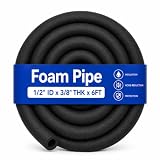
- Application: Pipe insulation foam tube for pipe freeze protection and sharp edge protection.Provides good water pipe insulation, sharp edge collision protection, and has good surface grip.(Please confirm the inner diameter before purchasing)
- Foam Pipe Insulation: Our pipe insulation foam are made of high quality nitrile rubber.Class B flame retardant, good flame retardancy, high elasticity, non-absorbent
- Non-folding packaging: Foam tube is naturally rolled up and put into the packaging bag.Avoid obvious creases caused by folding.Working temperature is -58°F to 230°F(- 50℃ to 110℃)
- No Pre-cut: The foam tube is completely closed structure, better thermal insulation effect.Pipe insulation foam can be cut to length as you need
- Package: You will receive 6 feet of insulation foam tubing. We stand behind of our products if you have any questions
If a pipe appears frozen, leave the affected faucet open while you prepare to thaw it so water and melting ice have somewhere to go. Before thawing, locate the main water shutoff and be ready to close it. A frozen pipe may already be cracked; when the ice melts and pressure returns, the break can release water.
Dripping is only one layer of freeze protection
Keep the home heated
Maintain a consistent indoor temperature during the cold spell. The Red Cross recommends keeping the thermostat at no lower than 55°F when leaving a home during cold weather, a minimum also cited by Travelers. Do not turn the heat down sharply overnight if vulnerable plumbing depends on indoor warmth.
Open sink cabinets safely
Open cabinet doors below sinks on exterior walls to let warmer room air reach the pipes. First move cleaners, chemicals, medications, and other hazardous materials away from children and pets.
Close the attached garage
Keep an attached garage door closed when water lines run through the garage. A cold garage can expose nearby plumbing to freezing temperatures even when the living space is warm.
Rank #3
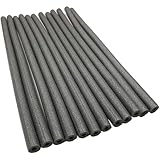
- Each cover is 3 feet long, made from durable foam and pre-slit for quick and easy installation on copper, iron, and PVC pipes. ID (nominal) 5/8inch; wall thickness 3/8 inch, fits copper pipe size 1/2 inch, fits iron pipe size 3/8 inch. *ALL SIZES ARE APPROXIMATE AND CAN CHANGE SLIGHTLY DUE TO THE MANUFACTURING PROCESS*
- Year-Round Protection: Guards plumbing against freezing in winter and condensation in summer; reduces pipe sweating while keeping water lines quiet; ideal insulation for outdoor pipes and indoor applications alike
- Energy Savings Made Simple: Minimizes heat loss from hot water heater pipe insulation; delivers faster hot water and lowers utility bills by reducing your water heater's workload with polyethylene foam pipe insulation
- Prevents Costly Damage: Stops ice formation in cold weather pipe wrap applications; protects against burst pipes and emergency repairs; durable foam insulation for pipes outside and inside your home or RV
- Durable Temperature Range – Safe for use from -90°F to 180°F (-68°C to 82°C) for both hot and cold water pipes. R-value = 2.2.
Insulate exposed pipes
Insulation addresses the underlying heat loss more directly than a faucet drip. Fit appropriate foam pipe insulation or other suitable insulation around accessible hot- and cold-water pipes in basements, crawl spaces, attics, garages, and exterior-wall cabinets. Seal or address drafts around pipe penetrations where appropriate, but do not block required vents or create an unsafe condition.
Insulation slows heat loss; it does not create heat. A pipe in an unheated area may still need better protection, a properly installed listed heating cable, or a plumbing redesign.
Prepare outdoor hose bibs
Before freezing weather, disconnect garden hoses and drain them. If the hose bib has an interior shutoff, close it and open the exterior faucet to drain the exposed section. An insulated outdoor faucet cover can provide supplemental protection, but it is not a replacement for disconnecting the hose and shutting off and draining the line where possible.
What’s actually slowing this PC down?
Pick the symptom - the matching free tool is one click away.
Winterize sprinkler systems separately
Do not rely on an indoor faucet drip to protect an irrigation system. Winterize sprinkler lines according to the system manufacturer’s or installer’s instructions. Do not add antifreeze to drinking-water plumbing or sprinkler lines unless a qualified authority specifically directs it; the Red Cross warns against adding antifreeze to pool or sprinkler supply lines without such direction.
Consider heat cable only for a suitable application
For a particularly vulnerable exposed section where normal heating and insulation are insufficient, a listed pipe heat cable may be appropriate. Use only a product listed for the specific pipe material, location, and installation, and follow every manufacturer instruction concerning spacing, electrical protection, thermostat use, and whether the cable may be covered with insulation. Never improvise with electrical heating products or use one where the instructions prohibit it.
Do not leave an unattended drip in a vacant building
A dripping faucet can overflow, freeze at the drain, or cause water damage if the container or drain cannot handle the flow. Seattle Public Utilities cautions against leaving water running in vacant buildings. If you will be away for an extended period, prioritize maintaining safe heat, arranging for a trusted person to inspect the property, or using a properly designed shutoff-and-drain plan.
A shutoff-and-drain plan must account for all plumbing equipment, including fire-sprinkler systems, boilers, water heaters, appliances, and any portions of the system that should remain pressurized. Have a plumber design or confirm the plan if you are not certain what can safely be drained.
Do these 3 things before closing this tab:
1Clear out junk files and repair common Windows errors2Scan for outdated or missing drivers - takes under a minute3Repair Windows errors before they cause bigger problemsRank #4
- Each cover is 3 feet long, made from durable foam and pre-slit for quick and easy installation on copper, iron, and PVC pipes. ID (nominal) 5/8inch; wall thickness 3/8 inch, fits copper pipe size 1/2 inch, fits iron pipe size 3/8 inch. *ALL SIZES ARE APPROXIMATE AND CAN CHANGE SLIGHTLY DUE TO THE MANUFACTURING PROCESS*
- All-Season Savings & Protection – From frigid winter nights to humid summer mornings, this insulation helps guard against freezing, pipe sweating, and keeps plumbing operations smooth and quiet.
- Helps Reduce Energy Waste and Bills – By minimizing heat loss, you can lower your water heater’s workload — giving you faster hot water delivery and saving you money.
- Prevents Costly Pipe Damage & Emergencies – Prevents ice formation and reduces the risk of burst pipes—protecting your home and your wallet from unexpected plumbing disasters.
- Durable Temperature Range – Safe for use from -90°F to 180°F (-68°C to 82°C) for both hot and cold water pipes. R-value = 2.2.
If a pipe is already frozen
- Recognize the signs. A faucet that gives only a trickle or no water, unusual pressure changes, frost on an accessible pipe, or freezing in a known cold area can indicate a frozen section.
- Locate the main shutoff. Know how to close the home’s main water supply quickly. Oklahoma City recommends locating and testing it before a freeze because a fast shutoff can limit damage if a pipe splits.
- Keep the faucet open. This provides an outlet for melting water and can reveal when flow returns.
- Apply gentle, indirect heat. For an accessible pipe, use a hair dryer, heating pad, or warm-air source according to its safety instructions. Work gradually along the pipe toward the faucet.
- Never use dangerous high heat. Do not use a torch, kerosene or propane heater, charcoal stove, heat gun, open flame, or another high-heat method. These can ignite building materials or overheat the pipe.
- Watch for a split as thawing occurs. Inspect accessible pipes, joints, ceilings, walls, and floors as flow and pressure return. A crack may not become obvious until the ice melts.
Call a licensed plumber if the frozen section cannot be located or safely accessed, a pipe has split, water is leaking, several areas have frozen, or you are unsure how to thaw the plumbing safely. If water is actively escaping and you cannot stop it, close the main shutoff immediately and contact a plumber.
A practical cold-weather checklist
- Identify pipes in unheated or drafty areas.
- Locate and test the main water shutoff.
- Keep the thermostat consistent; use 55°F as a minimum when leaving the home during cold weather unless local or system-specific guidance requires more.
- Insulate accessible exposed pipes.
- Open exterior-wall sink cabinets, after removing hazardous items.
- Keep attached garage doors closed.
- Disconnect and drain garden hoses.
- Shut off and drain outdoor faucet branches where an interior shutoff is available.
- Winterize sprinkler lines separately.
- During serious, sustained cold, use a pencil-lead-sized cold-water drip from a connected indoor faucet when appropriate.
- Monitor the drip; a reduced flow is a warning, not reassurance.
- Never use open flame or improvised high heat to thaw pipes.
Frequently Asked Questions
Should the drip come from the hot or cold side?
Use the cold side as the general default because the American Red Cross and several utilities specifically recommend cold water. Follow your local water utility’s instructions if they specify hot, cold, or both.
How much water should drip from the faucet?
Use a small, continuous flow: roughly a pencil-lead or spaghetti-strand-sized stream, or a steady drip. There is no universal gallons-per-minute setting because faucet aerators, pressure, and plumbing layouts differ.
Does every faucet in the house need to drip?
No. The most useful faucet is one supplied by, or located along, the vulnerable pipe route. Dripping a faucet on another branch may not protect an isolated pipe in a garage, crawl space, attic, or exterior wall.
Crashes, No Sound, or Screen Glitches?
Random freezes, missing sound and display glitches usually trace back to one bad driver. Find and replace yours safely.Free scan · under a minutePC Slower Than It Used to Be?
A free scan shows the junk files, broken settings and background clutter dragging Windows down - then fixes them in one click.Free scan · Windows 10 & 11Best Value

- Application: Pipe insulation foam tube for pipe freeze protection and sharp edge protection.Provides good water pipe insulation, sharp edge collision protection, and has good surface grip.(Please confirm the inner diameter before purchasing)
- Foam Pipe Insulation: Our pipe insulation foam are made of high quality nitrile rubber.Class B flame retardant, good flame retardancy, high elasticity, non-absorbent
- Non-folding packaging: Foam tube is naturally rolled up and put into the packaging bag.Avoid obvious creases caused by folding.Working temperature is -58°F to 230°F(- 50℃ to 110℃)
- No Pre-cut: The foam tube is completely closed structure, better thermal insulation effect.Pipe insulation foam can be cut to length as you need
- Package: You will receive 6 feet of insulation foam tubing. We stand behind of our products if you have any questions
Will dripping protect an outdoor spigot?
Not reliably. Disconnect and drain the hose, close an interior shutoff if available, and drain the exposed section. A faucet cover is supplemental protection, not a replacement for winterizing the hose bib.
Can I leave a faucet dripping while I am away?
Do not leave an unattended drip in a vacant building unless you have a monitored, suitable arrangement. Water can overflow or cause damage. Maintain safe heat, arrange trusted inspections, or use a properly designed shutoff-and-drain plan that accounts for the entire plumbing system.
The Bottom Line
A slow drip can reduce freezing risk only when it moves water through the vulnerable plumbing, and it works best as one part of a broader plan. Keep the home heated, insulate exposed pipes, protect and drain outdoor plumbing, monitor the faucet, and know the main shutoff. If flow decreases or a pipe may already be frozen, act promptly and use only gentle heat—or call a licensed plumber.
Quick Recap
Product prices and availability are accurate as of the date/time indicated and are subject to change. Any price and availability information displayed on Amazon at the time of purchase will apply.




