Rose black spot is manageable, but damaged leaves will not turn green again. The most effective approach is to remove heavily infected foliage and fallen leaves, keep new foliage dry, improve air circulation, and protect healthy growth with a fungicide labeled for black spot when cultural controls are not enough.
Black spot is caused by the fungus Diplocarpon rosae. It spreads most readily during wet, humid weather, so prevention must begin before the disease has stripped the plant of leaves.
As an Amazon Associate I earn from qualifying purchases.
How to identify black spot on roses
Look for round purple, brown, or black spots on the upper surfaces of rose leaves. The edges may look feathery or radiate outward. As the disease progresses, the surrounding leaf tissue often turns yellow, and affected leaves drop prematurely. Small dark lesions may also appear on young stems.
Black spot is more likely when several symptoms occur together: distinct dark leaf lesions, yellowing around the spots, and defoliation that begins on lower or older leaves and moves upward.
#1 Best Overall

- 3-IN-1 FLOWER CARE: All-In-One Rose & Flower Plant Care provides insect control, disease control, and plant mite control all in one; Rainproof protection starts in 4 hours and lasts up to 14 days
- INSECT KILLER: Pest control formula kills and prevents Aphids, adult Japanese Beetles, Whiteflies, and other listed pests; Use outdoors on rose bushes*, flower plants*, ground covers, vines, ornamentals, shrubs, and trees
- DISEASE CONTROL: Fungicide controls Black Spot, Powdery Mildew, Rust, Scab, and other listed diseases; Convenient and ready-to-use spray *Apply when pollinators are not present
- PLANT MITE CONTROL: Miticide kills and prevents spider mites and plant mites
- GET MORE FROM THE BLUE BOTTLE: Explore BioAdvanced's science-based solutions for roses and flowers; We make it easier than ever to prevent diseases, kill and protect against insects, and feed plants for up to weeks at a time
Black spot look-alikes
| Problem | What you may see | How it differs from black spot |
|---|---|---|
| Rose black spot | Dark, round or irregular lesions, often with feathery margins; yellowing and leaf drop | Spots are primarily on the upper leaf surface and commonly lead to premature defoliation |
| Rose rust | Orange or rust-colored pustules | Pustules are especially noticeable on leaf undersides |
| Powdery mildew | White, powdery fungal growth on leaves, shoots, or buds | The conspicuous symptom is a white coating rather than dark necrotic spots |
Accurate diagnosis matters because a product labeled for one disease is not automatically appropriate for another. If symptoms are unusual, submit a sample or photograph to a local university extension service or plant clinic before beginning a repeated spray program.
What causes rose black spot?
Diplocarpon rosae needs free water to reproduce and infect rose tissue. According to UC Integrated Pest Management guidance, leaves that remain wet for more than approximately seven hours provide favorable conditions for infection. Rain, overhead irrigation, crowded foliage, poor airflow, and humid nights can all extend the wet period.
Spores spread by splashing water and can persist on living or dead leaves and infected stems. That is why removing only the leaves currently attached to the plant often gives incomplete control: infected debris can continue to supply spores, and rain may bring spores from nearby roses.
What to do immediately
- Remove the worst-affected leaves. Pick off heavily spotted leaves when practical, especially those that are yellowing or beginning to fall. Avoid shaking infected foliage over the soil or other roses.
- Clean up fallen leaves. Collect leaves and other infected debris from beneath the plant and dispose of them away from the rose. Do not place them in a slow, cool compost pile. Ordinary composting may not destroy the pathogen; use only a rapid, hot composting method that you know reaches appropriate temperatures, or follow local waste-disposal guidance.
- Prune infected stems at the right time. During dormancy, or before new growth emerges, remove stem sections showing lesions where practical. Make clean cuts into healthy tissue and disinfect the pruners after cutting infected material.
- Stop wetting the foliage. Change from overhead sprinkling to drip irrigation, a soaker hose, or careful watering at soil level. If you must rinse the plant—for example, to dislodge aphids—do it in the morning so leaves have time to dry before night.
- Open the canopy. Remove crossing, crowded, weak, or inward-growing growth when pruning is appropriate. The goal is better airflow and faster drying, not severe pruning during active growth.
A pair of bypass pruning shears can be useful for removing infected stems and opening a crowded rose. Choose a sharp tool that makes clean cuts, and disinfect the blades after working on diseased tissue. Tool cleaning does not replace leaf sanitation, but it reduces the chance of moving pathogens between plants.
Keep rose foliage dry
Water the soil rather than the leaves. Drip irrigation and soaker hoses apply water at the root zone and reduce both leaf wetness and the splash that carries spores from soil or fallen leaves onto lower foliage.
A soaker hose for rose bushes or drip-irrigation kit can make that change easier, particularly in a bed that is watered frequently. Irrigation hardware will not cure established black spot, however; it is a way to reduce the conditions that help new infections occur.
When hand-watering, direct the stream at the base of the plant and water in the morning or mid-morning whenever possible. Avoid evening watering and frequent light sprinkling, both of which can leave foliage damp overnight or repeatedly extend the wet period.
Quick wins for a faster PC:
Scan for outdated or missing drivers - takes under a minuteDriver Scan →Clear out junk files and repair common Windows errorsFree Scan →Rank #2
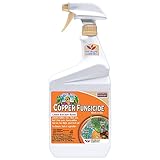
- Control fungus and disease in your garden with Captain Jack’s ready-to-use Liquid Copper Fungicide!
- Approved for organic gardening, this fungicide is suitable for the production of organic produce and can even be used up until the day of harvest!
- Copper Fungicide effective in the control and prevention of a wide range of plant diseases. Listed common garden diseases include blight, black spot, powdery mildew peach leaf curl and more.
- Apply copper fungicide to fruits, vegetables, ornamentals and other plants in your lawn and garden for complete and long-lasting disease control.
- This product arrives conveniently ready-to-use in a trigger spray bottle! To use, shake well and thoroughly apply to affected plants and foliage. Please see product label for full use instructions.
Improve air circulation and sunlight
Give roses enough room that leaves are not pressed continuously against neighboring plants, walls, or dense vegetation. Prune to open the center of the canopy and remove growth that creates a permanently shaded, stagnant pocket of foliage.
Roses generally perform best with approximately six to eight hours of full sun when site conditions permit. More sunlight can help foliage dry faster, although sun alone will not prevent black spot if irrigation, rain, and poor airflow keep leaves wet for long periods.
When fungicide treatment is justified
Fungicides are mainly preventive or protective. They protect healthy leaves and newly expanding foliage; they do not repair leaves that are already blackened, yellow, or shed. A spray can reduce the appearance and spread of the disease over time, but it cannot erase existing lesions or guarantee permanent eradication.
Consider a fungicide when:
- black spot returns every year despite removing debris and keeping foliage dry;
- wet or humid weather is forecast and the rose is highly susceptible;
- the plant is repeatedly losing enough foliage to reduce vigor or flowering; or
- sanitation, spacing, pruning, and soil-level watering cannot provide adequate control on their own.
Look for a rose fungicide spray whose current label specifically includes roses and black spot. Active ingredients documented in extension or product-label guidance include neem oil, potassium bicarbonate, sulfur, chlorothalonil, and other registered fungicides. Availability and legal registration differ by country and, in the United States, by state. The product label—not a general gardening article—is the controlling authority.
Crashes, No Sound, or Screen Glitches?
Random freezes, missing sound and display glitches usually trace back to one bad driver. Find and replace yours safely.Free scan · under a minuteWindows Errors? Fix Them Before They Spread
Repair common Windows errors and clear accumulated junk for a smoother, more stable PC - no reinstall needed.Free scan · no reinstallSome labeled products are intended to begin at spring bud break or first bud emergence and continue at specified intervals. Others have different timing, dilution, coverage, or reapplication requirements. Apply only according to the current label, including its instructions for protective equipment, weather, temperature, pollinators, storage, and disposal.
Neem oil, sulfur, and product safety
A neem oil for rose black spot product may be an option where its current label permits use against the disease. Neem is not automatically risk-free or universally better than other treatments. Complete coverage may be required, and stressed plants can be injured by oils.
Do not apply horticultural or neem oil to a water-stressed plant. UC IPM also warns against applying oil within two weeks of a sulfur spray. Follow the specific product label if it gives a longer interval or additional restrictions. Test a small area when the label permits testing, and avoid spraying in conditions that exceed the label’s temperature or weather limits.
Rank #3
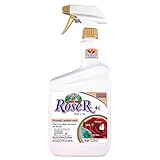
- Rose Rx Ready-to-Use Spray from Captain Jack's acts as 4 garden products in 1! Protect your home garden from insects, nematodes, mites and common fungal diseases.
- Clarified Hydrophobic Extract of Neem Oil protects your garden from common fungal diseases including rust, powdery mildew and more. Apply to house plants, roses, trees, shrubs and more for effective protection against garden diseases.
- Rose Rx Spray is an effective insecticide that controls and repels many insect pests including fruit flies, beetles, aphids, caterpillars and other listed bugs.
- Approved for Organic Gardening, Rose Rx Spray can be used up to the day of harvest. This product is specially formulated for use on roses, flowers, houseplants, trees shrubs, fruits, vegetables and more.
- This product arrives conveniently ready-to-use! To use, shake well and apply to affected plants as a foliar spray or a soil drench. For full use instructions, please see product label.
“Organic,” “natural,” or “lower-synthetic-input” descriptions do not remove the need for careful application. Oils, sulfur, and other pesticides can damage plants or affect non-target organisms when misused.
A practical treatment schedule
If the plant already has black spot
- Remove the most heavily infected leaves and collect fallen debris.
- Change watering so foliage stays as dry as possible.
- Prune crowded or infected growth when the timing is appropriate for your rose and climate.
- Allow the plant to dry, then select a product labeled for black spot on roses if disease pressure remains high.
- Apply the product to healthy and newly emerging foliage at the label rate and interval. Do not increase the concentration or spray more often unless the label permits it.
- Continue weekly inspections, especially after rain or during humid weather.
Removing every spotted leaf is not always practical, and aggressive stripping can stress a rose. Focus first on severely infected leaves, fallen debris, and conditions that keep the canopy wet.
If the rose is currently healthy
- Begin monitoring at least weekly during wet or humid weather.
- Remove overwintered leaves and prune visible lesions before spring growth where practical.
- Start a preventive spray only if needed and only at the growth stage specified by that product’s label—often spring bud break or first bud emergence.
- Protect newly expanding leaves because they are the tissue that a preventive treatment can help preserve.
- Reapply only at the label-directed interval and reassess whether cultural controls are reducing disease pressure.
Prevent black spot next season
1. Choose healthier planting material
Start with vigorous, healthy plants from a reputable nursery. When replacing a chronically defoliated rose or planning a new bed, consider disease-resistant roses suited to your local growing conditions.
Resistance lowers risk; it does not provide an absolute guarantee. The pathogen is genetically diverse, and new strains can overcome resistance in some cultivars. Even resistant roses benefit from good spacing, dry foliage, sanitation, and regular monitoring.
2. Design for drying
Space roses according to their mature size rather than their size at planting. Avoid locations where walls, fences, dense shrubs, or an irrigation pattern trap humidity around the leaves. Prune for an open canopy and remove dead or diseased material promptly.
Rank #4

- Neudorff Copper Fungicide Controls Listed Plant Diseases: Powdery Mildew, Rusts, Black Spot, Leaf & Fruit Spot, Downy Mildew, Fruit Rot, Late Blight, Peach Leaf Curl and Other Listed Diseases.
- Fungicide for Fruit Trees and Plants For Organic Gardening & Can Be Used up to Day of Harvest: For Roses, Vegetables, Fruits, Fruit Trees, Flowers, & Ornamentals and Use for Early and Late Blight on Tomatoes and Potatoes.
- Houseplant Fungicide for Indoor Plants, Dormant and Growing Season Liquid Copper Fungicide Controls Listed Plant Diseases Using Low Concentration of Copper and Protects Buds and Flowers such as Rose.
- For Organic Gardening; For Use in Homes, Home Gardens, and Home Greenhouse, This Ready-To-Use Copper Fungicide Spray for Plants Decomposes to Form Soluble Copper and Fatty Acid, Both of Which Can Be Used by Microbes and Plants.
- How to Use: Begin Treatment for Plant Care 2 Weeks before Diseases Normally Appears or When Disease First Appears, and Repeat 7 - 10 Days Intervals for as Long as Needed. Reapply after Rain
3. Make sanitation routine
At the end of the season and before spring growth, remove fallen leaves and obvious infected debris. Clean tools after cutting diseased tissue. Do not leave pruned lesions or fallen leaves beneath the plant as a continuing source of spores.
4. Monitor weather and symptoms
Inspect roses weekly, increasing attention after prolonged rain, heavy dew, or humid weather. Early spots are easier to manage than a plant that has already lost most of its foliage. Record which cultivars and locations develop disease so you can improve spacing or replace particularly susceptible plants.
Independent reader supportYour contribution helps us test, update, and keep practical guides available for everyone.Common mistakes to avoid
- Spraying only after severe defoliation. Protective products work best before or early in infection; they do not restore lost foliage.
- Watering at night. Evening irrigation can leave leaves wet through the period when infection is favored.
- Composting infected leaves casually. A slow, cool pile may not destroy the pathogen.
- Relying on one spray forever. Disease pressure varies with weather, cultivar, and site conditions. Repeated reliance on one active ingredient may also contribute to resistance-management concerns; follow the product label and local extension guidance.
- Assuming neem or organic products are harmless. They still require correct timing, coverage, dilution, and attention to plant stress.
- Using a brand without checking the label. Formulations, permitted crops, disease claims, application intervals, and registration can change. Confirm the current label and local legal status before purchase or use.
- Removing every leaf regardless of plant stress. Sanitation helps, but a severely stripped rose may need time to recover. Remove the worst material while prioritizing the plant’s remaining healthy foliage.
How serious is black spot?
Low levels of black spot are often tolerable, and an established rose may continue growing and flowering with some damage. Repeated severe infection can cause substantial defoliation, reduce vigor, weaken the plant, and limit flowering. The objective is not necessarily a perfectly spotless plant; it is to keep enough healthy foliage for the rose to grow while reducing the disease’s opportunities to spread.
The RHS recommends cultivation practices, hygiene, and cultivar selection as the first line of control and takes a cautious view of routine fungicide use because of possible effects on biodiversity and soil health. That supports an integrated approach: improve the site first, then use a properly labeled fungicide only when disease pressure and the value of protecting the plant justify it.
What’s actually slowing this PC down?
Pick the symptom - the matching free tool is one click away.
Frequently Asked Questions
Can I save rose leaves that already have black spots?
No. Fungicides can protect healthy and newly expanding foliage, but they do not remove existing lesions or turn damaged leaves green again. Remove the worst leaves, clean up fallen debris, and protect new growth.
Best Value

- 3-IN-1 PLANT PROTECTION: One concentrate controls listed insects, plant mites, and diseases on roses, flower plants, ornamentals, shrubs, and trees in a single application that keeps working for up to 14 days
- INSECT CONTROL: Kills aphids, adult Japanese beetles, whiteflies, lace bugs, leafminers, and dozens of other listed pests on contact, apply when pollinators are not present on blooming plants
- DISEASE CONTROL: Fungicide controls black spot, powdery mildew, rust, scab, leaf spot, and other listed diseases; Apply every 14 days at first sign of disease or as a preventive treatment each season
- PLANT MITE CONTROL: Controls spider mites and listed plant mites including broad mites, clover mites, and European red mites, helping protect ornamental plants from mite damage throughout the season
- GET MORE FROM THE BLUE BOTTLE: Explore BioAdvanced's science-based solutions for roses and flowers; We make it easier than ever to prevent diseases, kill and protect against insects, and feed plants for up to weeks at a time
Will black spot kill my rose?
Black spot is usually manageable, but severe recurring disease can cause major defoliation and reduce vigor. Roses often tolerate a low level of damage. Improve sanitation, airflow, watering, and cultivar selection before relying on repeated spraying.
Should I cut off all the leaves with black spot?
Remove heavily infected and yellowing leaves when practical, but do not automatically strip a stressed plant completely. Collect fallen leaves as well, because infected debris can continue supplying spores.
How often should I spray roses for black spot?
There is no universal interval. Follow the current label for the exact product. Some neem-oil labels specify a preventive schedule beginning at first spring bud emergence and repeating at 14-day intervals, while disease-control directions may be more frequent. Other products have different instructions.
Free tools Windows power users keep installed
One-click scans. No signup required.
Can I use neem oil and sulfur on roses?
Only if the current product labels permit those uses and you follow their restrictions. Do not apply oil to water-stressed plants, and UC IPM warns not to apply oil within two weeks of a sulfur spray. Temperature, coverage, and plant-stress precautions also matter.
The Bottom Line
The reliable rose-black-spot strategy is prevention plus early action: remove infected leaves and fallen debris, prune and disinfect tools, water at soil level in the morning, open the canopy, and choose resistant roses where possible. If disease continues, use only a fungicide labeled for black spot on roses and treat it as protection for new foliage—not a cure for leaves already damaged.
Quick Recap
Product prices and availability are accurate as of the date/time indicated and are subject to change. Any price and availability information displayed on Amazon at the time of purchase will apply.

