Free tools Windows power users keep installed
One-click scans. No signup required.
The best time to harvest vegetables is when the crop has reached eating quality, not maximum size. For most home gardens, that means picking in the cool morning after dew has dried, using clean hands or sharp snips, and moving produce into shade quickly. Beans should be picked before the seeds bulge, zucchini around 6 to 8 inches long, cucumbers while they are green and firm, broccoli while the head is tight, beets around 1.5 to 2 inches across, and winter squash only after the rind hardens enough to resist a fingernail.
That sounds simple until you are standing in the garden with one tomato half-colored, one cucumber the size of a club, and a row of lettuce starting to stretch upward. Harvest timing is part plant knowledge and part setup. A well-built garden makes it easier to see, reach, cut, rinse, cool, and store your produce before quality drops.
As an Amazon Associate I earn from qualifying purchases.
On our job sites, we treat outdoor spaces the same way we treat a kitchen or workshop: layout affects performance. A vegetable bed that is too wide, blocked by fencing, short on water access, or surrounded by muddy paths will make harvesting harder than it needs to be. The right cues, tools, and garden layout can save a lot of wasted produce.
What’s actually slowing this PC down?
Pick the symptom - the matching free tool is one click away.
Use This Simple Rule: Pick for Quality, Not Size
Most vegetables decline when they sit too long on the plant. Oversized cucumbers become bitter and seedy. Big zucchini turn watery or tough. Beans with swollen seeds lose tenderness. Eggplant can become dull and spongy. Okra gets woody fast. The goal is not to grow the biggest vegetable on the block; the goal is to harvest while texture and flavor are still at their best.
#1 Best Overall
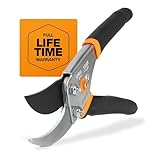
- CLEAN CUTS FOR LIVE GROWTH: Bypass blade design is ideal for pruning delicate flower stems and green growth, helping reduce crushing and plant damage while cutting stems and small branches up to 5/8” in diameter
- BLADES STAY SHARP: Precision-ground steel blades are engineered to stay sharp through heavy use, & all-steel construction provides lasting durability, delivering consistent cutting performance for regular garden maintenance & detailed pruning tasks
- SMART BLADE FEATURES: Blade coating helps reduce friction for smoother cuts, minimizes sap buildup & gumming, and enhances resistance to rust for longer-lasting performance in outdoor conditions; sap groove keeps the blades from sticking during use
- COMFORTABLE, CONTROLLED GRIP: Ergonomic, non‑slip handle enhances control and reduces hand fatigue during repetitive cuts; easy‑open safety lock secures the blade for safe transport and compact storage
- INCLUDES: (1) Fiskars Bypass Pruning Shears designed for everyday gardening and plant care and backed by a Lifetime Warranty. Product care tips: Wipe pruners clean after each use to prevent sap build-up and lightly oil blade for longer product life
A reliable decision rule is this: if the vegetable is full-size for the variety, firm, and at the stage you would want to eat it, harvest it before heat, pests, splitting, bolting, or seed development reduce its value. For repeat-bearing crops such as beans, cucumbers, summer squash, peppers, and okra, frequent picking also encourages the plant to keep flowering and setting new fruit.
Morning harvests are usually best. Pick after dew has dried so foliage is not wet, but before the sun heats the crop. Leafy greens, herbs, peas, and tender fruiting crops wilt quickly in heat. If you must harvest later in the day, use a shaded basket or cooler and get produce out of direct sun within minutes.
Vegetable Harvest Readiness Table
The table below gives practical harvest cues for common home garden crops. Variety matters, so seed packets and plant tags still matter, but these signs will keep you close for most backyard gardens.
| Crop | Visual Sign | Touch Test | Harvest Method | Storage Note |
|---|---|---|---|---|
| Snap beans | Pods are long enough for the variety but seeds are not bulging | Pods snap cleanly and feel crisp | Pinch or snip carefully to avoid pulling vines | Refrigerate soon; pick daily or every 2 to 3 days |
| Beets | Shoulders show above soil; roots are about 1.5 to 2 inches wide | Firm, smooth root | Loosen soil and pull; trim greens to about 1 inch | Store roots cold and humid; greens separately |
| Broccoli | Head is tight and dark green before yellow flowers open | Firm head with compact buds | Cut main stem 5 to 6 inches below head with a sharp knife | Cool immediately; side shoots may follow |
| Cucumbers | Green, glossy, and sized for type; not yellowing | Firm with no soft ends | Clip stem with snips or pruners | Use promptly; quality drops as seeds enlarge |
| Zucchini and summer squash | Usually 6 to 8 inches long for zucchini; skin still glossy | Tender skin, firm body | Cut stem cleanly; do not twist vines | Refrigerate and use within several days |
| Winter squash | Full color, drying stem, mature shape | Rind resists a fingernail | Cut with 1 to 2 inches of stem attached | Cure as appropriate; store cool and dry |
| Sweet corn | Silks are brown and dry; ears feel filled out | Kernels release milky juice when punctured | Twist ear downward and pull | Refrigerate immediately; sugars decline fast |
| Tomatoes | Fully colored, or slightly underripe if cracking or pests are a risk | Firm to slightly yielding | Twist gently or clip cluster | Store at room temperature for best flavor |
| Peppers | Green at full size or colored depending on desired ripeness | Firm walls | Clip stems with pruners | Refrigerate; colored peppers are sweeter |
| Lettuce and leafy greens | Leaves are usable size before plants bolt | Crisp, not tough or bitter | Cut outer leaves or harvest whole head | Cool quickly; dry well before storage |
Crop-by-Crop Harvest Tips
Beans, Peas, and Other Pod Crops
Beans reward attention. Check them every day or every few days during peak production. A snap bean is usually best when the pod is full length but still slim, before the seeds inside make obvious bumps. Once the seeds bulge, the pod gets tougher and the plant may slow down production because it has already done its reproductive job.
Use two hands when picking beans from bushy or vining plants: one to hold the stem, one to remove the pod. Pulling hard can tear the plant or break a loaded branch. If the stems are tough, use small snips. A $10 to $30 pair of light-duty garden snips is enough for most home harvest work.
Cucumbers, Zucchini, and Summer Squash
These are the crops homeowners most often leave too long. Zucchini at 6 to 8 inches is usually tender and easy to cook. A 14-inch zucchini may still be edible, but it is often better for shredding into bread than slicing for dinner. Cucumbers should be green, firm, and glossy. Yellowing is a late sign, not a goal.
Clip cucumbers and squash instead of twisting them. Their vines bruise and split easily, and torn stems create openings for disease. A clean bypass pruner is better than a pocket knife with a dull blade. Good bypass pruners commonly run $70 to $90, while battery-powered pruning shears at big-box stores are around $90. Battery shears are more tool than most small gardens need, but they can help homeowners with hand-strength issues or larger kitchen gardens.
Quick wins for a faster PC:
Fix the driver behind crashes, sound loss and screen glitchesFind Drivers →Clear out junk files and repair common Windows errorsFree Scan →Scan for outdated or missing drivers - takes under a minuteDriver Scan →Tomatoes and Peppers
Tomatoes can ripen after picking once they have started to color. If you are dealing with heavy rain, splitting, birds, or insects, picking at the breaker stage and finishing indoors is a practical move. Keep tomatoes at room temperature for flavor. Refrigeration can flatten texture and taste, especially for tomatoes that are not fully ripe.
Peppers are flexible. Green peppers are harvested at full size before color change. Red, yellow, orange, and purple peppers are simply left longer to mature, which often increases sweetness. Because pepper branches are brittle, clip the stem instead of yanking the fruit.
Rank #2

- DUAL CUTTING POWER: VERSATILE PRUNING COMBO --- With both Pruning Shears and Pruning Snip, this combo delivers unmatched versatility. Whether you're delicately trimming flowers and shrubs, tackling thicker tree branches, or tending to your vegetable and fruit garden, our combo pack excels in all areas. They're also perfect for landscaping projects and maintaining the health and appearance of indoor plants. With this pack, you have a versatile tool that simplifies your gardening tasks.
- ULTRA SHARP --- Much less effort to cut branches with our combo pack. Our pruning shears are crafted from premium Stainless Steel, and the pruning snip features a stainless steel blade with a titanium coating. Our garden scissors and garden clippers boast exceptional durability and sharpness. A perfect pruning shears for gardening and a must-have garden tool, hedge clippers pruners for gardening.
- RUST PROOF STAINLESS STEEL GARDENING SHEARS --- Our branch cutter tree pruner combo is built to last.
- SENIORS AND ARTHRITIS FRIENDLY --- Our pruners for gardening have comfortable handles that are easy to grip. With a non-slip texture for enhanced control, you can confidently prune in wet conditions. You can work longer without any hand fatigue.
- SAFETY LOCK PREVENTS ACCIDENTS --- Both of our pruning shears and pruning snips come with a built-in safety lock that securely holds the blades closed when not in use, preventing any accidental openings that could lead to injuries. This feature is designed for easy, one-handed activation, offering convenience and peace of mind whether you're storing the combo or carrying them in your pocket or toolkit. Trust in the safety and simplicity of our combo pack for all your gardening needs.
Broccoli, Cauliflower, and Flowering Crops
Broccoli should be cut when the head is compact and the buds are tight. If yellow flowers start opening, it is late. Cut the main head with several inches of stem attached, and leave the plant in place if the variety produces side shoots. Cauliflower is best when the head is firm and full but still smooth. Once curds loosen or discolor, quality drops.
Use a sharp knife and cut cleanly. On a job site, a ragged cut in lumber invites splintering and poor fit; in the garden, ragged plant wounds invite decay and disease.
Root Crops
Root crops are ready by size, not by how long the tops look. Beets are often best at 1.5 to 2 inches in diameter. Radishes can go from crisp to pithy quickly, especially in warm weather. Carrots can be pulled young or left to size up, but if they sit too long in hot or compacted soil, they can become woody or split.
For roots, loosen the soil with a garden fork before pulling if the ground is firm. Do not yank hard enough to snap the greens off and leave the crop underground. Trim tops before storage so leaves do not pull moisture from the root.
Leafy Greens and Herbs
Leafy greens should be harvested before heat stress and bolting change the flavor. Lettuce, spinach, arugula, mustard greens, and many herbs are best picked in the morning. Harvest outer leaves first if you want the plant to keep producing, or cut the full head when it reaches usable size.
Bolting means the plant is shifting into flower and seed production. The center stem stretches upward, leaves often become tougher, and flavor can turn bitter. Once that process starts in warm weather, waiting rarely improves the crop.
Build a Harvest Kit Before You Need It
A good harvest kit is inexpensive compared with the cost of losing a week of produce to bruising, heat, or torn plants. Keep it clean and close to the garden so harvesting does not become a production.
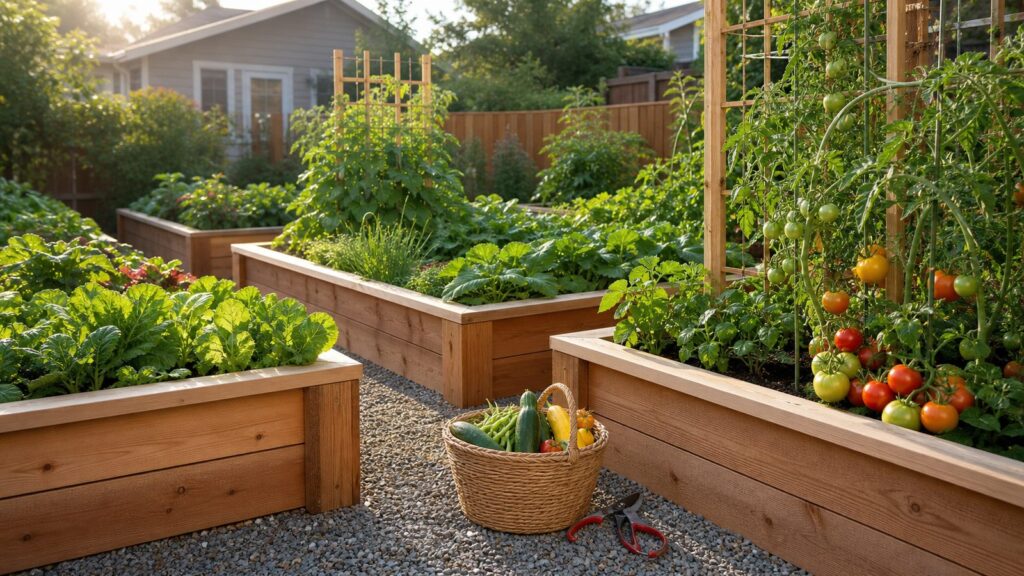
For most homeowners, the kit should include sharp snips or bypass pruners, washable gloves, a clean basket or garden hod, a small towel, plant labels or tape, and a shaded holding spot. Harvest containers usually cost about $15 to $80 depending on size, material, and whether they are washable. A wire garden hod is useful because soil can fall through and the container can be rinsed. A smooth plastic food-safe tub is easier to sanitize than a decorative basket.
Clean tools matter. Soil, plant sap, and diseased tissue can move problems from one plant to the next. Wipe blades regularly and avoid cutting diseased foliage, then moving straight to healthy plants without cleaning. Keep harvest tools separate from tools used for pruning diseased shrubs or cutting treated lumber.
Rank #3
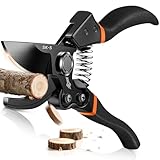
- LONG-LASTING SHARPNESS: Japanese SK5 bypass blade with titanium coating is tested through 5,000 cuts to maintain a sharp edge and deliver clean, consistent cuts on live stems and branches
- BUILT FOR 5X DURABILITY: Heavy-duty 3-layer titanium-coated SK5 blade resists wear and corrosion, while anodized aluminum handles and high-hardness screws reinforce the pruner. Repeated cutting tests show up to 5X the durability of standard pruners
- POWERFUL 4X LEVER CUTTING: The optimized lever-action design multiplies cutting force up to 4X, making thicker branches easier to prune with less hand effort. Cuts branches up to 3/4" with smooth, controlled power for everyday garden pruning
- ARTHRITIS & SENIORS FRIENDLY: Ergonomic non-slip rubber handles cushion pressure and provide a secure, comfortable grip, helping reduce hand and wrist fatigue. A comfortable hand pruner for seniors, arthritis and longer pruning sessions
- ONE-HAND SAFETY LOCK: The easy-access safety lock opens and closes with one hand for faster trimming, then securely holds the blades closed for safer carrying and storage
Post-Harvest Handling: Keep Quality From Dropping
Produce quality starts declining as soon as the vegetable leaves the plant. Heat, bruising, and moisture mistakes are the big problems. Set a basket in shade while you work. For greens, herbs, peas, beans, broccoli, and corn, move quickly to cooling. For tomatoes, keep them out of direct sun but do not rush them into the refrigerator.
Wash produce under running water before preparing or eating it, including produce from your own garden. Do not use soap, detergent, or commercial produce wash. If you wash before refrigeration, dry the crop thoroughly first. Excess water in a storage bag can shorten storage life and encourage decay.
Some crops should be handled differently. Potatoes and certain storage crops are better dry-cleaned and stored unwashed. Berries should not be washed until ready to eat. Leafy greens can be rinsed, spun or patted dry, then stored cold with a towel to manage moisture. Tomatoes are best stored at room temperature until fully ripe, especially if flavor is the priority.
Garden Layout Makes Harvesting Easier
A vegetable garden that looks good in April can become hard to maintain by July if the layout is wrong. The biggest mistake we see in outdoor projects is making beds too wide. A raised bed should usually be 3 to 4 feet wide if you can reach from both sides. If the bed is against a fence or wall, keep it closer to 2 feet wide so you are not stepping into the soil to reach the back row.
Paths matter too. A 24-inch path is a tight maintenance path. A 30- to 36-inch path is better for carrying baskets, kneeling, and moving a wheelbarrow. If accessibility is a priority, elevated beds at 24 to 30 inches high can reduce bending, and paths should be firm, stable, and wide enough for the equipment or mobility needs of the homeowner.
Place trellises where they do not shade shorter crops or block the harvest path. Put water access within hose reach, or better, run drip irrigation with a shutoff zone for the garden. Consistent moisture improves harvest quality and reduces cracking, bitterness, and stress-related defects. Site the garden for full sun, well-drained soil, and spacing away from large trees and shrubs that compete for water and nutrients.
Raised Bed Costs and Practical Choices
Raised beds can make harvesting cleaner and easier, but the price range is wide. In 2026, common raised garden bed kits run around $117 on average in large retail categories, with a broad range from about $17 to $2,290 depending on size, material, height, and modular design. DIY raised beds are often $100 to $300 in materials for a basic build, while pre-made kits commonly range from about $50 to $360. Higher-end kitchen garden areas can run about $25 to $50 per square foot when lumber, soil, compost, irrigation, edging, delivery, drainage corrections, and labor are included.
| Garden Upgrade | Typical 2026 Cost | Best For | Watch For |
|---|---|---|---|
| Basic harvest snips | $10 to $30 | Beans, herbs, greens, light stems | Cheap blades dull faster |
| Quality bypass pruners | $70 to $90 | Peppers, eggplant, squash, broccoli | Buy replaceable blades if possible |
| Garden hod or harvest basket | $15 to $80 | Carrying and rinsing produce | Choose washable, food-safe materials |
| DIY raised bed | $100 to $300 materials | Simple rectangular beds | Soil volume can cost more than lumber |
| Pre-made raised bed kit | $50 to $360 common range | Fast installation | Check height, bracing, and durability |
| Installed kitchen garden area | $25 to $50 per square foot | Permanent, accessible, irrigated gardens | Drainage, paths, fencing, and HOA review |
Material choice drives cost and service life. Cedar costs more than untreated softwood but handles outdoor exposure better. Galvanized metal beds are clean and durable but can heat up in intense sun. Composite and plastic systems reduce rot concerns but vary in stiffness and appearance. Taller beds need more soil, and soil is not a minor line item. A 4-foot by 8-foot bed filled 12 inches deep needs about 32 cubic feet of growing mix, before settling.
When to DIY vs. When to Hire a Pro
DIY makes sense for a small, level garden with one or two beds, nearby water, simple paths, and no major fencing or drainage changes. If you can assemble a kit, move soil safely, and keep bed widths reachable, a weekend build is realistic. Keep the bed square, level, and braced. A bowed side wall makes harvesting and maintenance harder every season after installation.
Do these 3 things before closing this tab:
1Fix the driver behind crashes, sound loss and screen glitches2Clear out junk files and repair common Windows errors3Scan for outdated or missing drivers - takes under a minuteRank #4

- SECURE & EASY TO LOCK: Our garden shears have a safety locking mechanism to keep the sharp blades securely closed when not in use, and can effectively reduce accidental injuries. It's a perfect design.
- WIDELY USED: Our pruning shears set include 3 different blades for a variety of general pruning work. Perfect for trimming flowers, plants, bonsai, hydroponics, herbs, light branches and so on. It's also a perfect gift for freind.
- ERGONOMICALLY DESIGNED RUBBER GRIP: Our pruning shears are made of high-purity PP+TPR plastic, has strong toughness and strength. The handle part is ergonomic in design and non-slip.
- ATTENTION: The blades of gardening scissors are very sharp, should be placed where children can not reach.
- TRUSTWORTHY MERCHANT: We stand behind the quality of everything we sell, if you are not satisfied with the product, please feel free to contact us.
Hiring a pro makes sense when the garden becomes part of a larger outdoor structure or drainage plan. Bring in help if you need grading, retaining-wall-like bed heights, permanent irrigation, electrical work for lighting or pumps, fencing, accessibility paths, masonry edges, or integration with patios and outdoor kitchens. Sloped yards are another reason to be careful. Water moving through or around a raised bed can undermine paths, wash out soil, and create standing water near foundations if the site is poorly planned.
For accessible gardens, professional layout can be worth it. Bed height, reach distance, path width, surface firmness, gate clearance, hose placement, and turning space all affect whether the garden is actually usable. A bed that is technically elevated but impossible to reach from a stable surface is not an accessible garden.
Independent reader supportYour contribution helps us test, update, and keep practical guides available for everyone.Permit, HOA, and Fence Notes for Vegetable Gardens
Harvesting vegetables does not require a permit. The structures around the garden might. Local rules often focus on fences, permanent structures, utilities, retaining walls, drainage changes, and height or placement rather than the vegetables themselves. Some communities also regulate front-yard gardens, bed materials, screening, and appearance.
HOA review can apply even to modest raised beds. One current example lists a $25 architectural-review fee for raised vegetable or garden beds. Your community may charge nothing, more than that, or may require drawings without a fee. Before buying materials, photograph the area, measure the proposed bed, note the height, width, length, material, color, and distance from property lines, and submit the cleanest version of the plan. That reduces review friction and helps avoid rework.
The Tool Desk
Outbyte Driver Updater FREEScan for outdated or missing drivers - takes under a minuteDriver Scan →Outbyte PC Repair FREEClear out junk files and repair common Windows errorsFree Scan →In some places, homeowners have legal protections for vegetable gardens, while still being subject to reasonable rules about structures and maintenance. The practical move is to separate the right to grow food from the construction around it. A few tomato plants may be protected where a 6-foot fence, trellis wall, or permanent enclosure still needs approval.
What to Do If You Pick Too Early or Too Late
If you pick too early, all is not lost. Tomatoes that have started to color can ripen indoors at room temperature. Small carrots, beets, and greens are often perfectly edible. Young cucumbers and zucchini are usually tender. Immature winter squash, however, will not store like mature squash if the rind has not hardened.
If you pick too late, adjust the use. Oversized zucchini can be shredded. Mature beans may be shelled if the variety allows. Bolted herbs can still flavor stocks or sauces, though the leaves may be stronger or tougher. Yellow cucumbers, woody okra, and spongy eggplant are often better compost candidates than dinner candidates.
The best correction is frequency. During peak season, walk the garden every morning with snips and a basket. A 5-minute harvest pass prevents most oversized produce and gives you time to spot pests, broken stems, irrigation problems, and plants starting to bolt.
PC Slower Than It Used to Be?
A free scan shows the junk files, broken settings and background clutter dragging Windows down - then fixes them in one click.Free scan · Windows 10 & 11Crashes, No Sound, or Screen Glitches?
Random freezes, missing sound and display glitches usually trace back to one bad driver. Find and replace yours safely.Free scan · under a minuteRegional Timing and Weather Matter
Harvest calendars vary by USDA zone, elevation, and season. Cool-season crops such as lettuce, spinach, radishes, peas, broccoli, and cilantro can bolt or turn bitter when heat arrives. Root crops can become woody in hot or dry soil. Warm-season crops such as tomatoes, peppers, cucumbers, squash, beans, corn, and eggplant need enough heat to mature, but they still suffer when drought stress or inconsistent watering hits during fruit development.
Best Value

- What Makes VT-C800 Unique? Ever-Sharp Teflon-Coated SK5 Blades | Jam-Proof Sealed Spring | Ambidextrous Thumb Lock | Backed by Lifetime Support
- 【UPGRADED SK5 BLADE FOR 3X LASTING SHARPNESS】Built with an ultra-sharp SK5 steel blade and Teflon non-stick coating, the C800 is designed for cleaner cuts, smoother slicing, and less sticking during repeated garden scissors. The hard SK5 blade helps maintain a sharp cutting edge, while the low-friction coating helps reduce sap and resin buildup on roses, stems, shrubs, vines, and small branches
- 【SEALED JAM-PROOF SPRING, NO MID-CUT JAMS】Say goodbye to exposed springs that catch leaves, dirt, and garden debris. Unlike ordinary plant shears and garden shears, the C800 uses a sealed Jam-Proof Spring system that helps block moisture and debris, resist rust and wear, and keep the blade snapping back smoothly. Less cleaning, more reliable blade return — for backyard gardens, flower beds, shrubs, and damp outdoor conditions
- 【EASY THUMB-ACTIVATED SAFETY LOCK】These garden clippers feature a simple one-handed thumb glide lock that works smoothly for both left- and right-handed gardeners, even when wearing thick gardening gloves. It delivers quick, secure locking during storage or transport, helping prevent accidental openings and making the gardening shears safer and easier to carry between pruning tasks
- 【ERGONOMIC DESIGN FOR WEAK HANDS】Designed for comfort during longer backyard pruning sessions, the C800 features curved non-slip grips that help improve control and reduce hand fatigue. Smooth blade return and a comfortable handle shape make pruning easier for seniors, regular growers, and women gardeners
Late-season priorities change with frost. Before the first expected frost, harvest tender crops such as tomatoes, peppers, basil, beans, cucumbers, and summer squash. Mature winter squash can handle harvest timing differently, but it still needs to be cut before hard freezes damage storage quality. In warmer regions, the issue may be summer heat instead of frost. There, shade timing, irrigation, and quick morning harvests matter more.
Final Harvest Checklist
Before you pick, check the crop’s size, firmness, color, and seed development. Harvest after dew dries but before the day heats up. Use clean, sharp tools for tough stems. Carry produce in a clean, shallow container so it does not bruise under its own weight. Move it into shade quickly. Wash under running water before eating or preparing, skip soap, and dry produce thoroughly if washing before refrigeration.
For the garden itself, keep beds reachable, paths firm, water convenient, and trellises accessible. A 3- to 4-foot-wide raised bed, 30-inch path, clean harvest kit, and a morning routine will do more for harvest quality than most expensive gadgets. Good gardening is partly timing and partly construction: build the space so the right harvest is easy to make.
Recommended Free Tools
Frequently Asked Questions
What is the best time of day to harvest vegetables?
Morning is usually best, after dew has dried but before the sun heats the plants. This reduces wilting and helps crops like leafy greens, herbs, peas, beans, and broccoli hold quality longer.
How do I know if zucchini, cucumbers, or beans are too big to pick?
Zucchini is usually best around 6 to 8 inches long, cucumbers should still be green, firm, and glossy, and snap beans should be picked before the seeds bulge. Oversized crops often become tough, bitter, seedy, or watery.
Should I pull vegetables by hand or cut them with pruners?
Use clean snips, a knife, or bypass pruners for tough-stem crops such as cucumbers, squash, peppers, eggplant, and broccoli. Pulling or twisting can tear vines and branches.
Can tomatoes ripen after being picked?
Yes. Tomatoes that have started to color can continue ripening indoors at room temperature. This is useful when rain, pests, or cracking are likely.
Should I wash garden vegetables before storing them?
Wash produce under running water before eating or preparing it, without soap or produce wash. If you wash before refrigeration, dry it thoroughly. Some storage crops, such as potatoes, are better stored unwashed.
Do raised vegetable beds or garden fences need a permit?
The vegetables do not need a permit, but fences, permanent structures, utilities, tall retaining-style beds, or drainage changes may. HOAs may also require architectural review for bed size, placement, materials, and appearance.
Quick Recap
Product prices and availability are accurate as of the date/time indicated and are subject to change. Any price and availability information displayed on Amazon at the time of purchase will apply.

