The Tool Desk
Outbyte Driver Updater FREEScan for outdated or missing drivers - takes under a minuteDriver Scan →Outbyte PC Repair FREEClear out junk files and repair common Windows errorsFree Scan →Some links on this page are affiliate links: if you buy through them we may earn a commission, at no extra cost to you.
If a rental condition could hurt someone now, leave the area and call emergency services or the responsible utility from a safe location. For non-urgent hazards, document what you found, notify the landlord or agent in writing, and escalate to the local housing or code-enforcement authority when the problem is not corrected. The exact deadlines, inspection powers and tenant remedies depend on your country, state or local authority.
Start with the danger level
The correct reporting route depends first on whether anyone faces an immediate threat. Documentation and a maintenance request are appropriate for a leaking tap or a loose cabinet; they are not a safe first step during a suspected gas leak, carbon-monoxide exposure, fire, collapse risk or another acute emergency.
As an Amazon Associate I earn from qualifying purchases.
Immediate threats
- Suspected gas leak: Leave the building or the affected area without operating switches, flames or appliances. From a safe location, call the gas utility or emergency services according to local practice.
- Carbon monoxide symptoms or alarm: Get everyone into fresh air and contact emergency services. Do not re-enter until the building has been declared safe by the appropriate responders.
- Fire or smoke: Evacuate, call the emergency number and use only an escape route that is clear and safe.
- Possible structural collapse: Move away from the building or affected room and contact emergency services or the local authority. Do not investigate cracks, sagging ceilings or damaged stairs by putting yourself under the hazard.
- Live electrical danger, flooding near electrics or another life-threatening condition: Keep clear, warn others if you can do so safely, and call emergency help or the responsible utility.
Do not wait for a landlord to reply before taking these steps. Once you are safe, you can notify the landlord or managing agent and preserve a record of what happened.
Serious but not immediately life-threatening conditions
A failed handrail, a broken window lock, persistent damp, an infestation, unreliable heating or deteriorating paint may still create a significant health or safety risk without requiring an emergency call. Treat a worsening condition, a hazard affecting a child or vulnerable resident, or a defect that prevents safe use of a room as urgent in your written notice. Ask the local housing authority, building department, health department or tenant-support service how your area classifies and prioritises it.
#1 Best Overall

- Electrochemical sensor technology detects CO gas
- Easy installation, no wiring needed, detects during a power failure by operating on 2-AA batteries (included); Install on a wall of your home or place on a tabletop
- Green LED indicates power to the carbon monoxide detector, while an 85-decibel alarm & a red LED indicates the presence of carbon monoxide
- Event Memory records the last time carbon monoxide was detected or when the unit was last tested
What to look for during a safe inspection
HUD’s housing standard identifies carbon monoxide, electrical hazards, extreme temperatures, flammable materials and other fire hazards, garbage and debris, handrail hazards, infestation, lead-based paint, mold and structural soundness as health and safety concerns. The standard applies to HUD housing and does not replace state or local building, housing or health codes. Use it as a screening framework, then check the rules that apply to your property. Read the standard at 24 CFR § 5.703.
The following cues help you decide what to record. Do not touch, dismantle or test a suspected hazard when doing so could expose you to injury or contamination.
| Area | Warning signs | Safe observation or question |
|---|---|---|
| Structure, roof and exterior | Large or widening cracks, sagging ceilings or floors, water entering through the roof, loose masonry, damaged partitions, holes or openings, or a building component that appears unstable | Look from a safe position; note the room, wall or exterior elevation and whether the condition is changing. Keep clear of any area that could fall. |
| Stairs, landings and handrails | Missing or loose handrails, broken treads, uneven steps, inadequate lighting, slippery surfaces or a landing that moves | Do not climb a visibly unsafe stairway to “test” it. Photograph from a stable location and identify the safest alternative route. |
| Windows, doors and locks | Windows that cannot close, shattered glass, failed locks, doors that do not latch, blocked exits or an escape window that cannot be opened as intended | Record which opening is affected and whether it is an emergency exit. Avoid handling broken glass. |
| Electrical system | Burning smells, scorch marks, sparking, exposed wiring, hot outlets, repeated breaker trips, damaged cords or outlets near water | Keep away from the fitting. Do not remove covers or reset a breaker repeatedly. Note the appliance or outlet involved and any visible damage. |
| Fire and carbon-monoxide protection | Missing, damaged or repeatedly sounding smoke or carbon-monoxide alarms; blocked exits; flammable storage near heat sources; or an appliance vent that appears obstructed | Check alarms only in the manner allowed by the manufacturer and local rules. Ask where gas and water can be shut off, and record any uncertainty. |
| Gas, heating and hot water | Gas odour, soot, unusual flames, an appliance that shuts down, no reliable heat in cold conditions, scalding water or an inaccessible shut-off | For a suspected leak or carbon monoxide, leave and call from safety. For non-emergency heating or hot-water failures, record indoor conditions and the affected equipment without attempting a repair. |
| Water, drainage and damp | Active leaks, sewage odour or backup, standing water, persistent condensation, damp patches, peeling surfaces or visible mold | Note the source, date, affected materials and whether the condition follows rain, plumbing use or a heating failure. Keep clear of contaminated water. |
| Pests and waste | Rodent or insect activity, droppings, nests, uncollected rubbish, sharp debris or a blocked refuse area | Photograph evidence from a safe distance and record where food, waste, holes or building defects may be enabling the problem. Do not handle droppings without appropriate precautions. |
| Paint and lead | Peeling, chipping, chalking, cracking or damaged painted surfaces, especially in older housing or around windows and doors | Do not scrape, sand or disturb the paint. Isolate the area if practical and ask for evaluation by a qualified professional. |
| Temperature and ventilation | Rooms that cannot be heated or ventilated adequately, extreme indoor temperatures, persistent condensation or a failed extractor | Record the room, date, weather or heating setting if relevant, and how the condition affects use of the home. Local standards determine what level is legally required. |
An inspection should never become a do-it-yourself hazard assessment. A carbon-monoxide alarm can alert you to one named danger, but buying an alarm does not repair a gas leak, make an unsafe appliance compliant or replace an official inspection. Device requirements vary with location and housing type.
Inspect in a repeatable order
Use this sequence when you can move through the home safely. It creates a useful record without requiring specialist equipment.
Rank #2

- Keep your family safe with this easy to use plug in carbon monoxide alarm; It works with any standard outlet and also has a battery backup for continuous monitoring of Carbon Monoxide levels, even if there's a power failure
- Features an advanced electrochemical carbon monoxide sensor that accurately detects carbon monoxide levels, no matter where the detector is placed in the room
- Simple to use, with a single test/silence button; a loud 85 decibel alarm sounds when Carbon Monoxide levels reach dangerous levels. Low battery signal mute, quiets low battery signal for upto 8 hours
- To ensure complete protection make sure to place one on each level of your home and in each bedroom
- 7 year limited warranty; Equipped with end of life signal chirp, so you know when it’s time to replace the unit for safety
- Walk the escape routes. Check that doors, corridors, stairs and any designated emergency windows are usable and not blocked by rubbish, furniture or a failed lock.
- Look overhead and underfoot. Scan ceilings, floors, roofs visible from outside and walls for sagging, water entry, unstable surfaces or cracks. Do not enter a visibly compromised area.
- Check obvious fire and electrical cues. Look for smoke and carbon-monoxide alarms, exposed wiring, scorch marks, overloaded connections and combustible storage near heat. Do not open electrical equipment.
- Observe water and air conditions. Check for leaks, drainage problems, damp, mold, condensation, ventilation failures and rooms that cannot be kept at a reasonable temperature.
- Look for pests and waste. Note droppings, nests, holes, rubbish accumulation and the building defects that may allow entry.
- Identify painted surfaces that may need lead evaluation. Record deterioration without disturbing the paint, particularly in older properties.
- Ask practical shut-off questions. Find out, from the landlord or agent if necessary, where gas and water can be shut off. Never operate an unfamiliar valve during an emergency unless the utility or emergency responder directs you.
- Record the effect on daily use. State whether a bedroom, bathroom, kitchen, exit or appliance is unusable, and whether anyone has experienced symptoms or an injury. Seek medical or emergency help for symptoms rather than waiting for a repair.
Build an evidence record without putting yourself at risk
Write down the essential facts
- The date and approximate time you noticed the condition.
- The precise location, such as a particular stair, outlet, ceiling, window or appliance.
- What you observed, using physical descriptions rather than conclusions you cannot verify.
- Whether it is new, recurring, worsening or connected to rain, heating, plumbing or another event.
- How it affects safe access or use of the home, and whether anyone was exposed, injured or became ill.
- The date and method of every notice, inspection, work order, visit and response.
Take photographs and preserve messages
Photograph only from a safe position. Include one wider image that shows the location and one closer image that shows the defect, while avoiding unnecessary images of people or personal documents. Keep the original files so the date and sequence remain available, and store copies somewhere you can access if you lose access to the rental.
Save emails, text messages, portal submissions, work orders, inspection reports and replies as dated files. If you speak by phone, write a short follow-up message stating what was discussed and the next expected action. Keep rent records and the lease with the safety correspondence. For a suspected federal lead-disclosure violation, the Environmental Protection Agency says a lease or contract and photographs can help its investigation; it also accepts anonymous reports. See EPA’s lead abatement, inspection and risk-assessment guidance.
Notify the landlord or managing agent in writing
Use the notice method named in your lease, such as an email address, tenant portal or physical address. If the condition is urgent but not an emergency, send the written notice immediately after making the home safe. Be concise and specific: identify the condition, location, date, effect on safe use and the repair or inspection you are requesting. Ask for confirmation and keep a copy of what you sent.
HUD healthy-home training materials instruct families to provide a rental assessment report to the landlord and recognise that code violations may need to be referred to code enforcement. The HUD Healthy Home Evaluator Student Binder describes that reporting relationship.
Rank #3

- Easy Installation - simply plug-in to a standard, 120V outlet in your home
- 2-AA battery backup provides protection during a power outage
- 85-decibel alarm announces when carbon monoxide is detected
- Peak Level Memory records the last time carbon monoxide was detected or when the unit was last tested
- Test-Hush Button makes testing the detector or silencing false alarms easy
A clear notice format
Subject: Safety repair request for [property address] — [specific condition]

On [date], I observed [plain description] at [room or location]. It affects [safe access, room use, heating, water, electrical safety or another effect]. The condition is [new, recurring or worsening].

Please arrange an inspection and the necessary repair. Please confirm receipt and tell me the next step. I have attached photographs taken from a safe position.

Thank you,
[tenant name]
Replace the words in the example with your own details; keep the message factual. Do not claim a code violation unless an authorised inspection or applicable rule supports that conclusion. You can state that a condition appears unsafe and ask the authority to assess it.
Choose the right reporting route
| Situation | First contact | Record to keep |
|---|---|---|
| Immediate threat such as fire, suspected gas or carbon monoxide, or collapse risk | Emergency services or the responsible utility from a safe location | Call time, incident number if provided, responders’ instructions and later notice to the landlord |
| Routine defect or serious condition that is not an immediate threat | Landlord or managing agent through the lease’s written channel | Dated description, photographs, request, work order and response |
| Condition appears to violate a housing, building, health or fire code and remains unresolved | Local housing, building, health or code-enforcement office; ask how to request an inspection | Local complaint reference, submitted evidence, inspection date and written findings |
| Suspected violation of federal lead-paint disclosure duties | EPA instructions for reporting lead violations, after checking whether the property and transaction are covered | Lease or contract, disclosure paperwork, photographs and correspondence; EPA says anonymous reporting is possible |
| Need to know whether a legal remedy is available | Local tenant union, housing agency, legal-aid organisation or qualified lawyer | Lease, notices, payment record, photographs, reports and all responses |
There is no single nationwide repair deadline or remedy that applies to every rental. The applicable process can change with the country, state or province, city, housing type, subsidy, lease language and nature of the defect. Ask the local office what evidence it accepts, whether an inspection must be requested through a particular form, and whether the complaint process has protections against retaliation.
Quick wins for a faster PC:
Clear out junk files and repair common Windows errorsFree Scan →Fix the driver behind crashes, sound loss and screen glitchesFind Drivers →Repair Windows errors before they cause bigger problemsFix Now →Escalate when the problem is not corrected
Find the local authority
Search your city, county, state or national government site for “rental housing inspection,” “code enforcement,” “building control,” “environmental health,” or “private renting.” A fire department, public-health office, building department or housing agency may handle different hazards. Confirm that the office covers your property type and ask whether it accepts online, telephone, written or anonymous complaints.
Send the authority a focused packet: the address, a description of the hazard, dates of notices, photographs, the landlord’s response and any work-order or inspection number. Keep the originals. If the office asks you to make the property available, clarify the inspection arrangements and any notice requirements that apply where you live.
Rank #4
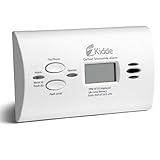
- Electrochemical sensor technology detects CO gas
- Easy installation, no wiring needed, detects during a power failure by operating on 2-AA batteries (included)
- Conveniently designed & portable: simple to install on a wall of your home or place on a tabletop
- Green LED indicates power to the smoke detector, while an 85-decibel alarm & a red LED indicates the presence of carbon monoxide
- Peak Level Memory records the last time carbon monoxide was detected or when the unit was last tested
Use local tenant support before taking legal action
Get location-specific advice before withholding rent, paying for a repair and deducting the cost, terminating a lease, refusing entry, moving out or seeking relocation costs. Those actions can have strict procedures and can expose a renter to eviction or financial liability if taken incorrectly. A tenant organisation, housing agency, legal-aid service or lawyer can explain the lawful option for your facts, including any deadlines and anti-retaliation protections.
Independent reader supportYour contribution helps us test, update, and keep practical guides available for everyone.Lead paint: a separate reporting and prevention issue
In the United States, the EPA says lead-based paint that is intact and in good condition is usually not a hazard, while paint that is peeling, chipping, chalking, cracking or otherwise damaged needs prompt attention. Do not scrape, sand or otherwise disturb suspected lead paint. Ask for evaluation by a certified lead professional; EPA’s guidance on inspection and risk assessment is available at epa.gov/lead/lead-abatement-inspection-and-risk-assessment.
Crashes, No Sound, or Screen Glitches?
Random freezes, missing sound and display glitches usually trace back to one bad driver. Find and replace yours safely.Free scan · under a minuteWindows Errors? Fix Them Before They Spread
Repair common Windows errors and clear accumulated junk for a smoother, more stable PC - no reinstall needed.Free scan · no reinstallThe federal Lead-Based Paint Disclosure Rule generally covers most private housing, public housing, federally owned housing and housing receiving federal assistance built before 1978, subject to listed exemptions. Before a covered renter signs a lease, the responsible parties must disclose known information, provide available records and reports, provide the Protect Your Family From Lead In Your Home pamphlet and include a lead warning statement. Review the scope and exemptions in EPA’s real-estate disclosure guidance.
If you did not receive a required disclosure, first preserve the lease, any disclosure forms, advertisements and messages. EPA’s explanation of what information may be available before renting is at its lead-disclosure FAQ. EPA lists the National Lead Information Center at 1-800-424-5323 (1-800-424-LEAD) and provides online reporting instructions. A report may include the lease or contract and photographs, and anonymous reporting is possible. A lead complaint does not replace an emergency response to a fire, gas leak or other immediate danger.
Best Value
- Keep your family safe with this easy to use, battery operated carbon monoxide alarm; Battery powered alarms provide continuous monitoring of CO levels, even if there's a power failure
- Features an advanced electrochemical carbon monoxide sensor that accurately detects carbon monoxide levels, no matter where the detector is placed in the room.The alarm sequence should last 5-6 seconds. If it does not alarm, make sure fresh batteries are correctly installed, and test it again. If the unit still does not alarm, replace it immediately
- A loud 85 decibel alarm sounds when CO levels reach dangerous , Battery Replaceable - Yes
- To ensure complete protection make sure to place one on each level of your home and in each bedroom
- 5-year limited warranty; Equipped with end of life signal chirp, so you know when it’s time to replace the unit for safety
England: how the route differs
The government’s How to rent a safe home guide is specific to England and was updated on 10 December 2020. It tells renters to report repairs and health and safety issues to the landlord and/or property agent, and directs people with serious concerns to their local council. It suggests checking the roof, windows, cracks or holes, partitions, stairs and landings; asking where gas or water can be shut off; and checking smoke and carbon-monoxide alarms where required.
The same guide discusses gas leaks, faulty appliances, unsafe water and drainage, damp and mold. Its legal guidance should not be applied automatically in Scotland, Wales, Northern Ireland, the United States or another jurisdiction. In England, use the council’s current housing or environmental-health contact and ask what evidence and inspection process apply to your tenancy.
Common mistakes that can make a situation worse
- Waiting for permission during an emergency. Safety and emergency contact come before a landlord’s reply.
- Entering or testing a dangerous area for a better photograph. A distant, safe photograph and a precise description are better than an injury.
- Making an unqualified repair. Electrical, gas, structural and lead hazards may require licensed or certified professionals. Do not disturb suspected lead paint.
- Relying on a verbal promise. Put the condition and requested action in writing and record the response.
- Assuming one government standard is the complete local code. HUD’s standard is a federal housing framework; local rules may add requirements or use different terms.
- Taking rent or lease action without checking the procedure. Withholding rent, repair-and-deduct, lease termination and refusal of entry are not universal remedies.
- Ignoring a recurring defect after a superficial fix. Record when it returns, what was repaired and whether the underlying cause remains, then notify the landlord and authority again with the updated timeline.
Keep a usable case file
Create one folder, digital or paper, with the lease, contact details, photographs, a dated incident log, notices, replies, work orders, inspection reports and receipts for any authorised temporary measure. Use consistent filenames such as “2026-10-17-kitchen-ceiling-leak.” Back up the folder somewhere independent of the rental. This makes it easier for a housing inspector, tenant adviser, medical professional or lawyer to understand the sequence without relying on memory.
When a condition affects health, seek appropriate medical care and keep relevant records. A medical record does not prove the building caused an illness by itself, but it documents symptoms and timing that may matter to a qualified professional or authority. Share only the personal information necessary for the complaint.
What a safe, effective report contains
- The property address and the room or exterior location.
- A plain-language description of the condition and the date first observed.
- Whether anyone is currently at risk and what area or function is unusable.
- Photographs or other records taken safely.
- The dates and channels used to notify the landlord or agent.
- The response received, promised work and whether the condition returned.
- The specific outcome requested: inspection, repair, testing, removal of a hazard or guidance on the next complaint step.
This approach gives the landlord a fair opportunity to understand the defect, gives an authority a workable inspection trail and helps a local tenant adviser assess any remedy. It also keeps emergency action separate from the slower process used for ordinary repairs.
Your next move
Leave and call for emergency help when the danger is immediate. Otherwise, observe from a safe position, record the date, place and effect, photograph only when safe, notify the landlord or agent in writing, and escalate to the correct local authority if the condition is not addressed. For lead paint or missing federal disclosures in covered U.S. housing, use EPA’s guidance and reporting channels. Before withholding rent, ending a lease or paying for repairs yourself, obtain advice for the exact jurisdiction and tenancy.
Quick Recap
Product prices and availability are accurate as of the date/time indicated and are subject to change. Any price and availability information displayed on Amazon at the time of purchase will apply.

