The Tool Desk
Outbyte Driver Updater FREEFix the driver behind crashes, sound loss and screen glitchesFind Drivers →Outbyte PC Repair FREEClear out junk files and repair common Windows errorsFree Scan →Some links on this page are affiliate links: if you buy through them we may earn a commission, at no extra cost to you.
The right way to salt or sand a driveway is simple: clear the snow first, treat only the icy or high-risk areas, give the material time to work, then scrape again. Salt is not a snow-removal tool. Sand does not melt ice. Used correctly, both can make a driveway safer. Used heavily, they can damage concrete, track into the house, corrode metal, hurt landscaping, and wash into storm drains.
On our job sites, we treat winter driveway care the same way we treat drainage or concrete finishing: the details matter. A shaded concrete apron near a garage needs a different approach than a sunny asphalt driveway. A steep drive needs traction immediately. A brand-new concrete slab needs protection more than aggressive melting. The best result usually comes from using less product, more precisely.
As an Amazon Associate I earn from qualifying purchases.
For most homeowners, the winning method is this: shovel or plow down to the pavement, apply a thin even layer of deicer where ice remains or refreeze is likely, wait 15 to 30 minutes when temperatures allow, then scrape the loosened ice. Use sand, grit, or traction material where you need grip right away or where salt is a poor choice.
Salt vs. Sand: What Each Material Actually Does
Salt and sand solve different problems. Rock salt, also called sodium chloride, lowers the freezing point of water and creates brine. That brine breaks the bond between ice and pavement so the ice can be scraped off. Sand, traction grit, tube sand, and chicken grit do not lower the freezing point. They sit on top of ice and give tires and shoes more bite.
#1 Best Overall
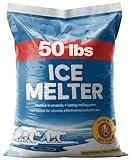
- Professional Grade Performance - This powerful ice melting formula starts working instantly on contact with ice and snow. The melt ensures complete coverage and lasting results, making winter maintenance effortless and effective. In money-saving 50lb bag
- SAFETY-MAX FORMULA Prevents Refreezing: Once your sidewalk, steps, driveway, or parking lot are clear, they will not refreeze; This adds safety for cars and pedestrians in extreme cold weather
- Versatile Usage - Perfect for all outdoor surfaces including driveways, sidewalks, steps, balconies, patios, and walkways. The effective formula works in temperatures below zero down to -15, providing reliable performance throughout winter
If the driveway is covered in 4 inches of snow, neither salt nor sand is the first step. Shovel, snow-blow, or plow first. If you spread salt before removing heavy snow, most of that salt gets pushed into the lawn or street with the snow pile. If you spread sand too early, it gets buried, displaced, or carried off during cleanup.
Use salt when the main concern is a bonded ice layer, freezing drizzle, packed snow that needs to release from the surface, or refreeze after clearing. Use sand or grit when the main concern is traction on a steep slope, a shaded area, very cold pavement, new concrete, or a surface where chemical deicer risk is higher than the benefit.
Quick wins for a faster PC:
Fix the driver behind crashes, sound loss and screen glitchesFind Drivers →Clear out junk files and repair common Windows errorsFree Scan →| Material | Best Use | What It Does | Limitations | Typical 2026 Cost |
|---|---|---|---|---|
| Rock salt / sodium chloride | Mild cold, ordinary ice, refreeze control | Melts ice by forming brine | Often weak below about 5°F to 15°F, depending on product and conditions | About $7 to $15 per 50-lb bag |
| Calcium chloride or magnesium chloride blends | Colder conditions or faster melting | Melts at lower temperatures than plain rock salt | Higher cost; can still affect concrete, pets, plants, and metal | Commonly $15 to $35+ per 40-50 lb bag |
| CMA blends and specialty products | Reduced chloride impact, sensitive areas | Helps with melting while reducing some corrosion concerns | More expensive and still needs careful application | Often in the specialty ice melt range, $15 to $35+ per bag |
| Sand, grit, or angular traction material | Immediate grip on ice, steep driveways, new concrete | Adds traction but does not melt ice | Must be swept up; can clog drains and track indoors | Usually cheaper per use than specialty deicer, varies by local supply |
The Best Driveway Ice-Control Method
The most reliable method is a two-step process: mechanical removal first, chemical or traction treatment second. This uses less material and reduces damage.
Step 1: Clear Snow Down to the Pavement
Start with a shovel, snow blower, or plow. Push snow off the driving lanes, walking path, steps, and apron. If you can expose pavement, you have already done most of the work. A thin layer of deicer can work on ice. It cannot economically melt several inches of snow across a full driveway.
Pay special attention to the bottom apron where the driveway meets the street. That area often gets packed by plows, vehicle tires, and refreeze. Also clear the strip in front of the garage door. Meltwater that runs under the door can freeze overnight and create a slick edge right where people step out of the car.
Step 2: Apply a Thin, Even Layer
After clearing, apply salt only where needed. A common homeowner benchmark is about one 12-ounce mug of salt for 200 square feet of pavement. That is roughly a 10-by-20-foot area, a short one-car driveway section, or about 10 sidewalk squares. For a standard two-car driveway, you do not need to make the whole surface white. Treat tire lanes, the walking route, the slope, the shaded apron, and any refreeze-prone low spots.
A 50-lb bag of rock salt commonly covers about 1,250 to 2,500 square feet depending on ice thickness, surface texture, spreading rate, and whether the snow was already cleared. If one 50-lb bag disappears in one or two small storms on a typical suburban driveway, the application rate is probably too heavy.
Step 3: Wait, Then Scrape Again
Give the salt time to form brine. In workable temperatures, you may see ice loosen in 15 to 30 minutes. Then scrape the surface again with a shovel or ice scraper. This is where many homeowners waste material: they spread salt, see ice still present after 5 minutes, and add more. Often the right move is to wait and then remove the loosened ice.
Step 4: Sweep Up Leftover Material
If salt crystals are still visible after the ice has melted, that usually means too much was applied. Sweep up clean leftover crystals and reuse them if practical. Do the same with sand and grit after a thaw. Material left on the driveway will track indoors, wash into lawns or storm drains, and continue affecting concrete and metal long after the storm is over.
How Much Salt to Use on a Driveway
Use less than you think. The goal is not full white coverage. The goal is contact points spaced closely enough to start brine formation and break the ice bond.
Do these 3 things before closing this tab:
1Scan for outdated or missing drivers - takes under a minute2Clear out junk files and repair common Windows errors3Fix the driver behind crashes, sound loss and screen glitchesRank #2

- Environmental Consideration - This advanced formula is notably less corrosive to concrete than traditional ice melt. The environmentally conscious choice for responsible winter safety management. Apply 2-4 ounces per sq yrd
- Versatile Usage - Perfect for all outdoor surfaces including driveways, sidewalks, steps, balconies, patios, and walkways. The effective formula works in temperatures below zero down to -15, providing reliable performance throughout winter
- Use It Ahead Of Time - This is easy to apply with a shaker or straight from the bag; It is an affordable way to prevent ice formation and should be spread prior to snowfall to make shoveling easier; Follow instructions on the bag for best results
- SAFETY-MAX FORMULA Prevents Refreezing: Once your sidewalk, steps, driveway, or parking lot are clear, they will not refreeze; This adds safety for cars and pedestrians in extreme cold weather
For a small driveway or walkway, start with the 12-ounce mug rule: one mug for about 200 square feet. A 20-by-20-foot two-car parking pad is 400 square feet, so two mugs is a reasonable first pass after shoveling. A 12-by-50-foot single-lane driveway is 600 square feet, so three mugs may be enough for a full light treatment, and less if you only treat tire paths and walking areas.
For long driveways, do not automatically salt the entire length. A 10-by-100-foot driveway is 1,000 square feet. At the benchmark rate, that is about five 12-ounce mugs for full coverage. But many long driveways only need treatment at the slope, curve, garage approach, shaded stretch, and road apron. Treating zones instead of every square foot can cut material use by half or more.
For a standard residential driveway, a 50-lb bag should last multiple events if the surface is shoveled first and applications are targeted. If the driveway has thick ice, deep shade, poor drainage, or heavy foot traffic, usage will climb. In those cases, the better fix may be grading, crack repair, sealing, or drainage improvement before winter rather than simply buying more salt.
Temperature Matters More Than the Label
Do not choose ice melt by the front of the bag alone. Choose it by pavement temperature. Air temperature is only part of the story. A black asphalt driveway in afternoon sun can be warmer than the air. A north-facing concrete driveway in shade can stay colder and icier than expected.
Free tools Windows power users keep installed
One-click scans. No signup required.
Plain rock salt is the low-cost workhorse, but it has limits. It is commonly effective only down to about 5°F to 15°F depending on product grade, blend, pavement temperature, and how much moisture is present. Below its working range, adding more rock salt will not solve the problem efficiently. You will spend more, leave more residue, and still have a slick driveway.
In colder conditions, use traction grit or consider a lower-temperature ice melt such as a calcium chloride or magnesium chloride blend. These products cost more, often $15 to $35+ per 40-50 lb bag, but they may work better when sodium chloride stalls. Use them carefully. Higher price does not mean harmless, and labels such as pet-friendly or concrete-safe do not mean damage-free.
When Sand Is the Better Choice
Sand is the better choice when you need immediate traction, when melting is not practical, or when surface protection matters more than clearing every bit of ice. This is common on steep driveways, shaded drives, gravel drives, older concrete with scaling, and new concrete less than one year old.
Use coarse angular traction sand, grit, tube sand, or chicken grit. Fine play sand is not ideal. It can blow away, sink into slush, track indoors, and provide less bite under tires and boots. The sharper and coarser the particle, the better it tends to stay on top and create grip.
On a steep driveway, apply traction material to the tire paths and walking path first. Do not wait for a chemical melt if a vehicle needs to move now. For a 10-foot-wide driveway, two 18- to 24-inch tire lanes often do more practical good than broadcasting material across the full width. Add extra grit at the garage threshold, curve, and street apron where braking and turning happen.
You can mix a small amount of salt into sand to keep it workable and help it embed slightly into ice. That does not turn sand into a deicer, and it should not become an excuse to oversalt. Think of the salt in that mix as a helper, not the main treatment.
Rank #3

- Comprehensive Winter Solution: This 50-pound bag provides extensive coverage for your entire property, delivering reliable ice melting power that works effectively down to -15°F temperatures throughout the harshest winter conditions.
- Versatile Application Areas: Safe for use on sidewalks, driveways, walkways, steps, and parking areas without damaging concrete surfaces or harming surrounding vegetation when used as directed.
- Enhanced Performance Formula: The calcium blend composition melts ice faster than traditional rock salt, providing quicker results and improved traction on treated surfaces.
- Large Capacity: The generous 50-pound size covers large areas with fewer applications, reducing the frequency of reordering while maintaining consistent ice control throughout winter months.
- Go with Joe: Trusted by homeowners and commercial users alike, this ice melt from Snow Joe delivers consistent results that help with outdoor maintenance and maintain easy and stable access to your property.
Concrete, Asphalt, Pavers, and Gravel Need Different Treatment
The driveway surface should change your winter plan. The same bag of ice melt can behave differently on concrete, asphalt, pavers, and gravel.
Concrete Driveways
Concrete is the surface where homeowners need the most caution. Deicers can contribute to scaling, pitting, and freeze-thaw damage, especially on new concrete, weak concrete, poorly finished concrete, or slabs with standing water. New concrete is particularly vulnerable during its first winter. If the concrete is less than one year old, prioritize shoveling, scraping, sand, grit, and drainage. Avoid harsh chloride salts where possible.
Even products marketed as safe for concrete can create problems if overused. The issue is not only the chemical. Deicer creates meltwater. That water can enter surface pores and cracks, then freeze again. Repeated freeze-thaw cycling can damage the surface. The cleaner, drier, and better-drained the slab is, the better it will handle winter.
Asphalt Driveways
Asphalt generally tolerates ordinary rock salt better than concrete, but that does not mean salt is harmless. Freeze-thaw cycles, cracks, poor drainage, and heavy chemical use can still accelerate deterioration. If meltwater enters cracks and refreezes, it can widen them. Seal cracks before winter and keep water moving off the driveway instead of sitting in low spots.
Because asphalt is dark, it often warms faster in sun. That can reduce the amount of deicer needed. A thin application on a sunny asphalt drive may work better than a heavier application on shaded concrete at the same air temperature.
Paver Driveways
Pavers vary by manufacturer and installation. Salt can affect the surface, joints, edge restraints, and nearby landscaping. Use the least aggressive product that works, and focus on traction where possible. Avoid piling salt in joints, and sweep residue after thaw. If pavers are already settling or holding water, fix the drainage and base issues before winter makes them worse.
Crashes, No Sound, or Screen Glitches?
Random freezes, missing sound and display glitches usually trace back to one bad driver. Find and replace yours safely.Free scan · under a minuteWindows Errors? Fix Them Before They Spread
Repair common Windows errors and clear accumulated junk for a smoother, more stable PC - no reinstall needed.Free scan · no reinstallGravel Driveways
Salt is rarely the first choice for gravel. It can create slush, migrate into the stone, and wash into surrounding soil. Sand or angular grit is usually more useful for traction. Plow with the blade slightly raised when possible so you do not remove the top layer of gravel with the snow.
What It Costs in 2026
For most homeowners, material cost is modest if the driveway is treated correctly. Waste is what gets expensive. In 2026, national retail rock salt is commonly about $7 to $15 per 50-lb bag. Supplier examples show bulk or pallet pricing around $10.25 to $12.99 per 50-lb bag depending on quantity and buyer class. Specialty blends cost more, commonly about $15 to $35+ per 40-50 lb bag.
A small urban driveway and walkway may use one 25- to 50-lb bag over multiple events. A long rural driveway, steep drive, shaded property, or home with frequent freeze-thaw cycles can use many bags per winter. The biggest price drivers are region, storm frequency, timing of purchase, bag size, product chemistry, delivery, brand, and whether there is a local shortage after major storms.
Storage also matters. Do not leave open bags outside. Moisture causes clumping and can start brine runoff before the product ever reaches the driveway. Keep salt in a sealed bucket or covered bin near the door with a small scoop. That one habit prevents over-broadcasting from a torn 50-lb bag.
Recommended Free Tools
Rank #4
- MELTS TO -30 DEGREES: With a melting to below -30 degrees F, even the harshest of winters are no match for North Pro Heat.
- CALCIUM CHLOIRDE INFUSED: Naturally infused with calcium chloride, North Pro Heat is a proprietary blended de-icer that the professionals turn to when all other products stop working. Our secret weapon, calcium chloride, allows NPH an increased temperature range making it an ultra-fast acting premium calcium chloride blend that is among the fastest acting on the market.
- MINIMAL RESIDUE & REDUCED TRACKING: No messy white reside with North Pro Heat, NPH is naturally pink in color with no colorant or dyes added, the pink salt hue allows for increased visual coverage for more even distribution.
- OPTIMAL CRYSTAL SIZE: NPH is optimal in crystal size and shape reducing bounce and scatter allowing product to stay where you put it and not in your vegetation. NPH promotes even surface coverage while using up to 35% less product compared to standard rock salt.
- MINNESOTA MADE TESTED AND APPROVED: Made, tested, and approved in the heart of Minnesota, freezing temps are no match for North Pro Heat. Tackling snow and ice with ease during Minnesota winters and not relying on the sun for activation, spread NPH day or night for immediate results. NPH is snow & ice’s worst enemy and is no match for the unpredictable temperatures in all state.
Where to Put Salt and Where to Avoid It
Treat the highest-risk zones first: the walking path from the house to the car, the tire lanes, the driveway slope, the garage entry, the shaded apron, steps, and the area where vehicles brake before entering the street. Most driveways do not need full-width, full-length coverage for every storm.
Avoid pushing salty snow into garden beds, tree wells, wells, drainage swales, and storm drains. Salt runoff can raise chloride levels in lakes, streams, soils, and groundwater. It can also damage turf and plantings along the driveway edge. The low shelf price of rock salt does not include the cost of corrosion, concrete wear, landscaping loss, or polluted runoff.
Drainage is part of ice control. If meltwater runs across the driveway and refreezes each night, salt will only chase the symptom. Before winter, clean gutters, extend downspouts away from pavement, seal cracks, correct low spots where feasible, and make sure garage aprons shed water away from the door. A driveway that drains well needs less deicer.
Independent reader supportYour contribution helps us test, update, and keep practical guides available for everyone.Common Driveway Salting Mistakes
The most common mistake is salting before shoveling. Salt should break the ice bond and manage refreeze, not melt deep snow. If snow is heavy enough to shovel or plow, clear it first.
The second mistake is applying thick white coverage. More salt does not keep working in a straight line. Once there is enough contact and brine concentration for the conditions, extra crystals often sit unused until they wash away.
The third mistake is using rock salt below its effective temperature range. If the pavement is too cold, adding more sodium chloride is usually wasteful. Switch to sand or grit for traction, or use a product designed for lower temperatures.
Other common mistakes include using deicer on new concrete without understanding the risk, ignoring runoff paths, using fine play sand as the main traction material, leaving residue until spring, assuming pet-safe means damage-free, treating the entire driveway automatically, and storing open bags where moisture can ruin them.
Safety Notes for People, Pets, and Vehicles
Wear gloves when handling deicer, especially calcium chloride blends that can irritate skin. Keep material away from children and pets, and wipe pet paws after walks. Pet-labeled products can still irritate paws, affect vegetation, corrode metal, or damage vulnerable concrete if overused.
What’s actually slowing this PC down?
Pick the symptom - the matching free tool is one click away.
Keep salt away from garage door tracks, steel posts, metal thresholds, and vehicle underbodies where practical. Rinse vehicles during winter thaws, especially if they sit in a garage where salty slush melts off and pools under the frame.
Store bags upright in a dry location. A sealed 5-gallon bucket with a scoop is better than dragging a torn bag across the driveway in the dark. Use outdoor lighting when treating ice at night, and do not walk backward while spreading material on a slope.
Best Value
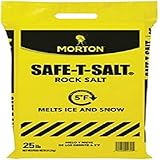
- Melt ice down to 5°
- Clears ice and snow from driveways, walkways and steps
- Provides traction for getting out of snow drifts, can be stored in vehicle trunks to provide extra weight and improve driving stability
- Scientifically proven to melt ice and snow in normal winter temperatures ( 5°F and above)
Residential driveway salting usually does not require a permit, but local rules may restrict pushing snow into public streets, blocking sidewalks, or allowing runoff and sediment into storm drains. If your driveway connects to a public sidewalk, keep the sidewalk clear and follow local snow-removal timing requirements.
When to DIY and When to Hire a Pro
Most homeowners can handle ordinary driveway salting and sanding themselves. DIY makes sense when the driveway is short, the slope is mild, the surface is in decent condition, and you can clear snow promptly. A shovel, scraper, small spreader or scoop, traction grit, and one bag of appropriate deicer cover many homes.
Hire a snow or pavement professional when the driveway is steep, long, shaded, heavily used, or draining poorly. Also bring in help if you see recurring ice in the same location after every thaw, if water runs toward the garage, if concrete is scaling, or if asphalt cracks are widening. Those are not just winter maintenance issues. They are often grading, drainage, surface repair, or pavement-life issues.
For commercial-style standards, shared driveways, rental properties, or homes with elderly occupants, professional service can be worth it because timing matters. A light pretreatment before freezing rain, a plow visit during accumulation, and a follow-up scrape after brine forms can prevent a much bigger ice problem.
A Practical Storm-by-Storm Plan
Before a freezing-rain event or a known refreeze, pretreat lightly in the critical zones. Do not blanket-treat before a heavy snowfall that will be shoveled or plowed away. For a normal snowstorm, clear snow first, then treat remaining ice. For overnight refreeze, apply a small amount in tire paths, walking paths, shaded areas, and low spots before temperatures drop.
For steep driveways, keep grit near the door and use it early. For new concrete, lean on scraping and traction instead of chloride deicers. For shaded asphalt, treat lightly and give the sun and brine time to work. For long gravel drives, prioritize plowing technique and traction material rather than chemical melting.
PC Slower Than It Used to Be?
A free scan shows the junk files, broken settings and background clutter dragging Windows down - then fixes them in one click.Free scan · Windows 10 & 11Crashes, No Sound, or Screen Glitches?
Random freezes, missing sound and display glitches usually trace back to one bad driver. Find and replace yours safely.Free scan · under a minuteThe best driveway winter routine is not complicated. Remove what you can mechanically. Melt only what you need to release. Add traction where melting is slow or risky. Clean up after the thaw. That approach is safer underfoot, easier on the driveway, and far less wasteful than emptying a bag every time the pavement turns white.
Frequently Asked Questions
Should I salt my driveway before or after shoveling?
Salt after shoveling or plowing in most storms. Clear snow down to the pavement first, then apply a thin layer where ice remains or refreeze is likely. Light pretreatment can help before freezing rain, but salting before heavy snow usually wastes material.
How much salt should I use on a driveway?
A good starting point is about one 12-ounce mug of salt for 200 square feet of pavement. Treat tire lanes, walking paths, slopes, shaded areas, and the garage apron instead of automatically covering the entire driveway.
Is salt or sand better for an icy driveway?
Salt is better when you need to melt ice or prevent refreeze and temperatures are within the product’s working range. Sand or grit is better when you need immediate traction, the driveway is steep, the pavement is very cold, or the surface is new or vulnerable concrete.
What temperature is too cold for rock salt to work?
Plain rock salt is commonly effective only down to about 5°F to 15°F depending on pavement temperature, product grade, sunlight, and moisture. Below that range, use traction grit or a lower-temperature ice melt blend.
Can ice melt damage a concrete driveway?
Yes. Deicers can contribute to scaling, pitting, and freeze-thaw damage, especially on new concrete, weak concrete, or concrete with standing water. For concrete less than one year old, use shoveling, scraping, sand, grit, and good drainage as the first line of defense.
What is the safest way to treat a steep driveway?
Clear snow first, then apply coarse traction grit or angular sand to tire paths and walking areas. Use deicer only where it can work effectively, and focus extra material near curves, the garage entry, and the street apron where braking and turning happen.
Quick Recap
Product prices and availability are accurate as of the date/time indicated and are subject to change. Any price and availability information displayed on Amazon at the time of purchase will apply.
The Tool Desk
Outbyte Driver Updater FREEFix the driver behind crashes, sound loss and screen glitchesFind Drivers →Outbyte PC Repair FREERepair Windows errors before they cause bigger problemsFix Now →
