Old bath towels are useful garden equipment when you treat them as temporary, washable aids rather than permanent landscape materials. A towel can shield a plant from an unexpected frost, move water to a container, catch potting mess, smother weeds briefly, cushion your knees, or become soft plant ties. The best use depends on how long the material will stay in place and whether it touches foliage, stems, roots, or soil.
Why experienced gardeners keep worn towels
A towel is absorbent, flexible, washable and already in your house. Those qualities solve small garden problems without buying a new mat, rag, tie or emergency cover. Its limits matter just as much: fabric performance varies, a towel blocks light and air, and it is not a tested substitute for irrigation equipment, frost cloth or a permanent weed barrier.
As an Amazon Associate I earn from qualifying purchases.
Use the cleanest towels for jobs that contact plants or potting mix. Reserve stained or heavily worn towels for tools, boots and muddy surfaces. Before cutting one up, check its fiber content and condition. A cotton or cotton-rich towel is generally the practical choice for wicking and temporary soil coverage; a towel that is shedding badly, smells musty or has been exposed to household chemicals belongs in a cleanup role, not around edible crops.
| Garden job | How the towel helps | How long to leave it | Main caution |
|---|---|---|---|
| Unexpected frost | Holds a layer of air over a vulnerable plant and slows heat loss | Overnight or until temperatures rise above freezing | Support it above foliage; remove it in daylight |
| Container watering | Acts as a capillary wick between a water reservoir and potting mix | Only after a trial; inspect frequently | Flow varies and can leave roots dry or saturated |
| Potting and cleanup | Catches soil and water and wipes hands, tools and shoes | During the task; wash afterward | Use a dedicated towel so grit does not spread |
| Weed suppression | Blocks light while an area is being cleared | Short term, then remove | Thick fabric can restrict air and water movement |
| Plant ties | Provides a soft, broad tie for stems and climbers | Check as stems enlarge | Loosen before the tie constricts growth |
| Kneeling pad | Folds into washable cushioning for planting and weeding | For the work session | Wet fabric can become slippery or heavy |
Use an old towel as an emergency frost cover
When a light frost is forecast and a plant is still outside, a towel can provide temporary protection by trapping some warmth rising from the soil. It is an emergency measure for a night or two, not a season-long winter system.
#1 Best Overall

- Professional Grade Weed Barrier: LAVEVE weed barrier fabric is made of woven polypropylene material. Its high-density and permeable characteristics effectively stop weed growth and protect soil health so your plants can grow well.
- Highly Permeable and Breathable: Weed control mat that resist UV rays and withstand sun exposure feature a cross-weave and permeable, breathable design. It is durable while allowing more air and water to penetrate the soil, effectively reducing erosion and driving out weeds.
- Easy to Cut and Install: Weed blocker fabric has clear green guide lines that help align planting. You can cut it freely with household scissors or craft knife according to the size and shape you need, fix the fabric with U-shaped securing pegs, and you can use it normally.
- Multi-path Application: LAVEVE weed barrier fabric (4FT x 50FT x 2 Pack, total 4FT x 100FT) is enhanced for greater load capacity and is suitable for various applications, including gardens, lawns, vegetable plots, flower beds, gravel paths, brick pavements, sidewalks, driveways, construction projects, and different types of gardens.
- Improve Your Quality of Life: Using weed barrier cover not only solves the trouble of weed growth for you, but also greatly improves the neatness and beauty of your garden.
How to cover the plant safely
- Water the soil if it is dry and arrange the plant before temperatures fall. Moist soil can store more heat than very dry soil, but do not leave foliage wet and exposed to freezing conditions.
- Place stakes, an upturned crate or another clean support around the plant. The support should carry the towel so its weight does not rest on delicate leaves or stems.
- Drape the towel over the supports and let its edges reach the ground. Secure the edges with stones or clips that will not damage stems. Seal gaps near the soil, where cold air can enter.
- Remove the towel during the day and whenever temperatures rise above freezing. University of New Hampshire Extension advises taking frost blankets and other covers off plants during daylight; the same practice prevents a dark, non-breathable towel from overheating or staying damp.
A bath towel does not transmit light and is not breathable like purpose-made frost fabric. Do not use it as a permanent cover, leave it pressed against wet foliage, or assume it will protect a plant during a prolonged hard freeze. If frost protection is a recurring need, a purpose-made frost blanket is easier to deploy, lighter to support and designed for repeated use. The towel remains valuable as a backup kept in the shed or garage.
Make a towel wick for a container plant
An absorbent strip can move water from a container toward drying potting mix through capillary action. This can help with a short absence or a pot that dries quickly, but it is an informal household hack rather than a validated irrigation system. Towel thickness, fiber blend, width, water level and potting mix all change the flow.
Set up and test the wick
- Cut a narrow, continuous strip from a clean towel. Avoid frayed strands that can break off in the pot.
- Soak the strip thoroughly, then squeeze it lightly so it is wet but not dripping.
- Put one end in a water container and bury the other end several centimeters in the potting mix, close to the root zone but not wrapped tightly around the stem.
- Keep the reservoir below the pot if possible and make sure the towel stays in contact with water. A loose or dry end stops the capillary path.
- Test the arrangement while you are home. Check the mix and reservoir after several hours and again the next day. Adjust the strip width, depth or water level only after observing whether the plant is drying, staying evenly moist or becoming waterlogged.
Never rely on an untested wick before a trip. A slow towel may leave a thirsty plant dry, while a fast one can keep roots saturated and reduce the air spaces they need. Ordinary hand-watering is more predictable for a one-off absence; a purpose-built self-watering insert is the better choice when dependable, repeatable moisture is essential.
Free tools Windows power users keep installed
One-click scans. No signup required.
Rank #2
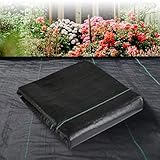
- Premium Weed Barrier Fabric:Weed barrier landscape fabric is a type of geotextile fabric that is commonly used in landscaping and construction.With excellent weed control properties, providing a clean and tidy landscape.Very strong and durable,Pro landscape weed barrier will provide you with premium weed protection for a very long time.
- Durability: 3.2oz Weed barrier landscape fabric heavy duty is designed to be extremely durable, with a high tensile strength and tear resistance.It is made from polypropylene, which is a durable material that can withstand harsh weather conditions. This allows it to withstand heavy foot traffic, vehicle traffic, and other types of wear and tear.
- Allows Water and Nutrients to Flow Through: While weed barrier landscape fabric blocks the growth of weeds, it allows water and nutrients to flow through to the soil beneath. This helps to keep plants healthy and hydrated, while preventing the growth of unwanted weeds.
- Super-Easy To Install and Set-Up:You don’t have to be an expert or call in expensive professionals in order to set up the weed blocking fabric,Weed barrier landscape fabric is easy to install and can be cut to fit any size or shape.It is typically laid down over the soil, with landscaping fabric or mulch placed on top to create a finished look.
- Versatile: Weed barrier landscape fabric heavy duty is a versatile product that can be used in a variety of applications. It can be used in gardens, landscaped areas, agricultural applications, and more, making it a valuable tool for any gardener or landscaper.Driveway fabric is designed to stabilize driveways by providing a strong, durable base layer that helps to distribute weight and prevent erosion. It can be used on both gravel and paved driveways.
Lay it down while potting and cleaning
This is the lowest-risk, highest-value use. Spread an old towel under pots when repotting, dividing perennials or starting seedlings. It catches loose mix and drips, keeps a workbench or patio cleaner, and can be shaken outdoors when the job is finished. Wash it if it will be used near plants again.
Keep a dedicated garden towel
Store one towel in the shed for wiping muddy hands, shoes, pruners, trowels and pot rims. Wipe soil from tools before putting them away so grit does not remain on moving parts. Use a separate towel for cleaning tools if the general-purpose one is regularly covered in mud, oil or other residues. Let the towel dry fully between uses; a damp bundle left in a closed shed can develop an odor and mildew.
Smother weeds temporarily, then remove the fabric
A natural-fiber towel can block light over a small patch while you clear an overgrown bed or wait for a convenient digging day. Wet the area first if the soil is extremely dry, lay the towel flat, overlap seams, and secure it with pins or stones so wind cannot expose the weeds.
Rank #3

- Keep Your Landscape Clean and Tidy: Our premium weed barrier landscape fabric is designed to provide excellent weed control properties, ensuring a clean and tidy landscape for a long time.
- Built to Last: Made from durable polypropylene, our 3.2oz weed barrier landscape fabric heavy duty is extremely strong and tear-resistant, making it perfect for heavy foot and vehicle traffic.
- Water and Nutrients Flow Freely: Our weed barrier blocks weeds while allowing water and nutrients to flow through to the soil beneath, keeping your plants healthy and hydrated.
- Easy to Install: Our landscape fabric is super-easy to install and can be cut to fit any size or shape. Lay it down over the soil and cover with landscaping fabric or mulch for a finished look.
- Versatile and Valuable: Our weed barrier fabric heavy duty can be used in gardens, landscaped areas, agricultural applications, and more. It's also perfect for stabilizing driveways and preventing erosion.
Use the layer as a short-term step
- Cut or pull tall weeds that would hold the towel above the ground. Remove seed heads from the area rather than covering a thick mass.
- Lay the towel directly on the surface, keeping it away from trunks and desirable stems.
- Check beneath the edges regularly. Remove the towel when you are ready to dig, plant or apply a suitable mulch.
- Lift out the fabric rather than burying it permanently. Shake off soil and decide whether it can be washed and reused as a mat or rag.
A towel is not a proven permanent weed barrier. Iowa State Extension cautions that overly thick sheet layers can impede air and water movement. Guidance from Colorado State-affiliated Ask Extension similarly warns that landscape fabrics can restrict the movement of air, water and nutrients. Those cautions are especially relevant in a living root zone: do not stack multiple towels, leave one in place indefinitely, or seal the soil under an impermeable layer and expect healthy roots.
Do these 3 things before closing this tab:
1Repair Windows errors before they cause bigger problems2Scan for outdated or missing drivers - takes under a minute3Clear out junk files and repair common Windows errorsFor longer suppression, compare the actual goal. Organic mulch can be renewed on the surface and eventually breaks down; a permanent fabric is a specialized installation with its own maintenance issues; a towel is best reserved for a temporary, small-scale clearing job.
Cut soft ties for supported plants
Turn a worn towel into strips for tomatoes, climbers, young trees or other plants that need gentle support. Cut strips wide enough to spread pressure over the stem rather than using a thin cord that can bite into growing tissue. Tie a loose loop to a stake or trellis, leaving room for the stem to expand and sway.
Rank #4

- 【High-quality Landscape Fabric】: Our weed barrier fabric heavy duty is woven from high-quality polypropylene material, featuring strong tensile strength and durability for long-term ground coverage.
- 【Easy to Use & 30 Staples Included】: Our weed control mat features clear green guide lines to help align your plants. You can easily cut it to any size or shape you need. Each includes 4FT x 100FT (2packs 4FT x 50FT) garden fabric weed barrier cloth (Packaged Folded). We also offer 30 U-shaped stakes to securely fasten the weed fabric, ensuring it remains firmly in place.
- 【Highly Permeable and Breathable】: FEED GARDEN weed blocker fabric has good permeability, effectively allowing water and air to pass through the soil, making it suitable for a variety of outdoor landscaping and gardening applications.
- 【Widely Application】: FEED GARDEN landscaping fabric is suitable for gardens, lawns, vegetable plots, flower beds, gravel and paved paths, driveways, and construction sites. Its ease of use make it an useful tool for gardening and farming.
- 【Customer Satisfaction】 FEED GARDEN provides high-quality products and efficient after-sales service. If you're not satisfied with the lawn fabric, please contact us, we will provide you with a solution as soon as possible.
Inspect ties as the plant grows and after heavy rain. Replace any strip that has tightened, slipped into a sharp fold or begun to fray. The towel should support the plant, not clamp it rigidly to the support. For long-term installations exposed to weather, purpose-made garden ties or soft twine are easier to size and replace; towel strips are convenient when you need a quick, gentle tie from materials already at hand.
Independent reader supportYour contribution helps us test, update, and keep practical guides available for everyone.Fold it into a washable kneeling pad
Fold a towel several times and place it beside the bed before planting, weeding or harvesting low crops. The padding reduces pressure on knees and keeps clothing cleaner than bare soil. Carry a second towel if the first becomes soaked, since wet fabric gets heavy and can slide on smooth paving.
The Tool Desk
Outbyte Driver Updater FREEScan for outdated or missing drivers - takes under a minuteDriver Scan →Outbyte PC Repair FREERepair Windows errors before they cause bigger problemsFix Now →After the session, shake off grit outdoors, allow the pad to dry completely and launder it separately from household linens if it has contacted manure, pesticides or other garden chemicals. Do not return a chemically contaminated towel to normal household use.
Best Value

- [ Space-Saving Design Weed Barrier Fabric ] - With a weight of 3.2oz, the PP woven weed barrier fabric comes in various size options. Please take note: the 4ft and 6ft wide landscape fabric are be folded and rolled up for storage, making the actual width only half of the appearance. Once opened, it returns to its actual size.
- [ Water and Air Permeable Landscape Fabric ] - iropro woven weed barrier fabric allow air and water to reach the soil, keep the soil moisture and healthy. After laying down our landscape fabric, plants can still get nutrients but without the interference of weeds, so they can grow better. You can save more time and energy to concentrate on gardening and landscaping.
- [ Sturdy and Durable Landscape Fabric ] - Heavy duty garden weed barrier fabric is made from high quality polypropylene material, which means it is very strong and can resistant to tear, high temperature and last for years.
- [ Easy-Install Weed Barrier ] - You don’t need to be an expert to install iropro landscaping fabric. You can easily cut the landscape fabric to desired size and shape with a pair of scissors. Green guideline printed is very helpful for alignment when you need planting in rows.
- [ Multipurpose Landscape Fabric ] - It can be used to control weed growth in gardening or landscaping, laying down under raised flower bed, vegetable garden, gravel path, walkway, decking, stones, patio, artificial grass lawn and so on. Weed barrier fabric is also heavy enough to be used as geotextile fabric for construction projects, such as driveway fabric, road stabilization, retaining wall, erosion control.
What about putting a towel in the bottom of a pot?
One gardening suggestion is to place a towel in the bottom of a large container to retain moisture. Treat that as an idea to test cautiously, not an established horticultural result. There is no controlled evidence here showing how a towel changes drainage, root health or watering frequency across pot sizes and mixes.
A fabric layer can alter how water moves through the pot. It may stay saturated, slow drainage or create a different moisture zone above the container’s drainage holes. If you experiment, use a nonvaluable plant, keep the drainage holes unobstructed, and monitor the mix after watering. Remove the towel if water stands in the container, roots smell sour, or the plant declines. Do not use this method as a reason to skip a well-draining potting mix or drainage hole.
Choose the right towel job by risk and duration
| If you need to… | Old towel suitability | Prefer a purpose-made item when… |
|---|---|---|
| Protect one plant from an unexpected overnight frost | Good emergency option when supported and removed in daylight | Frosts recur, temperatures remain low, or many plants need coverage |
| Keep a container moist for a short trial | Possible wick after a supervised test | You will be away and cannot check moisture, or the plant is sensitive to overwatering |
| Catch soil and water | Excellent and reusable | You need a waterproof, disinfectable surface for frequent professional work |
| Hold back weeds while preparing a bed | Acceptable for a brief, small area | You need season-long suppression or cannot inspect and remove the layer |
| Support stems | Useful for quick, soft ties | The support must last through a long season without regular inspection |
Simple preparation and storage checklist
- Wash and dry towels before cutting or placing them near plants.
- Label a garden-only towel so it is not confused with household linens.
- Cut strips with clean scissors and discard pieces that unravel excessively.
- Keep towels off plant crowns and stems unless the specific job is a loose support tie.
- Inspect temporary covers, wicks and weed layers every day they remain outside.
- Remove fabric after the frost, watering trial or clearing task ends.
- Shake soil outdoors, then wash and dry reusable towels before storage.
The practical verdict
Save old towels because they are versatile emergency supplies, not because every towel trick is a horticultural breakthrough. Their strongest uses are catching potting mess, wiping tools, cushioning knees, making soft temporary ties and providing a one-night frost cover when properly supported. A towel wick can work, but only after you test its flow. Towel weed smothering and towel layers in pots deserve more caution: keep them temporary, watch drainage and soil air exchange, and remove the fabric rather than burying it.
Crashes, No Sound, or Screen Glitches?
Random freezes, missing sound and display glitches usually trace back to one bad driver. Find and replace yours safely.Free scan · under a minutePC Slower Than It Used to Be?
A free scan shows the junk files, broken settings and background clutter dragging Windows down - then fixes them in one click.Free scan · Windows 10 & 11Quick Recap
Product prices and availability are accurate as of the date/time indicated and are subject to change. Any price and availability information displayed on Amazon at the time of purchase will apply.

