Call 911 immediately. If someone on a construction site is unresponsive, barely breathing, or has stopped breathing, treat it as a life-threatening medical emergency. Do not delay the call to see whether naloxone works. First make sure the area is safe to enter, then summon trained help, use appropriate personal protective equipment (PPE), give naloxone when an opioid overdose is suspected, provide CPR or rescue breathing if you are trained, and stay with the person until emergency medical services (EMS) take over.
This U.S.-oriented guide follows workplace guidance from OSHA, CDC/NIOSH, SAMHSA and CPWR. Product labels, local law, your written site emergency plan and dispatcher instructions control the response at your location.
As an Amazon Associate I earn from qualifying purchases.
What to do first: the emergency sequence
Use this order during an active incident. If a step conflicts with a 911 dispatcher or your site’s emergency plan, follow the dispatcher or plan.
What’s actually slowing this PC down?
Pick the symptom - the matching free tool is one click away.
- Stop and assess danger. Look for moving equipment and vehicles, fall hazards, unstable structures or excavations, energized electrical equipment, fire or chemical hazards, active operations and other conditions that could injure rescuers. Do not enter an unsafe area. CDC/NIOSH guidance also says not to enter when visible drug powders or residues could expose responders. Keep other workers back and wait for qualified responders if the scene cannot be made safe.
- Call 911 without delay. Give the site name, street address, the best gate or access point, the person’s exact location, the person’s condition and known hazards. Tell the dispatcher whether the person is breathing, whether naloxone was given and when, and whether CPR is in progress. Send a coworker to meet the ambulance at the gate when possible, and notify the designated site responder.
- Bring trained help and PPE. Follow the site’s emergency procedure. A trained responder should use gloves and other PPE appropriate to the hazards, remain alert for sharps and possible blood exposure, and avoid touching unknown powders, residue or drug paraphernalia. Do not improvise a cleanup while treating the patient.
- Check responsiveness and breathing. Try to wake the person by speaking loudly and tapping the shoulder if it is safe. An unresponsive person, or someone with slow, weak, irregular or absent breathing, may be overdosing. You do not need to identify the substance before calling this a medical emergency.
- Give naloxone for a suspected opioid overdose. Use the stocked nasal or injectable product exactly as its label and your training describe. If the person remains unresponsive, NIOSH responder procedures describe considering another dose after two to three minutes. Do not wait for naloxone before starting other indicated first aid.
- Support breathing and circulation if trained. If breathing has stopped or is very weak, provide rescue breathing or CPR within your training and follow the dispatcher’s instructions. Use an AED if one is available and you are trained to operate it, following its prompts and the site protocol.
- Monitor continuously and hand over to EMS. Stay with the person, watch breathing and responsiveness, and continue appropriate first aid until professionals arrive. Tell EMS what you observed, what was administered and when, and any known substances, medical information or hazards.
OSHA’s September 24, 2026 workplace announcement emphasizes that responders should call 911 immediately because reversal medication has temporary effects and professional medical care is still required. Apparent improvement is not an all-clear.
#1 Best Overall
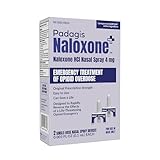
- QUICK & EFFECTIVE: Padagis Naloxone HCl Nasal Spray delivers a dose of naloxone, designed to provide quick and effective reversal of opioid overdose symptoms.
- SIMPLE TO USE: With a simple nasal spray mechanism, Padagis Naloxone HCI Nasal Spray is user-friendly, allowing for ease of use in emergency situations. Safe to use even when Opioids aren’t present.
- COMPACT & CONVENIENT: Each packet contains a nasal spray device and can be easily carried in pockets, purses, or emergency kits, ensuring life-saving intervention is always within reach.
- TRUSTED BY PROFESSIONALS: By equipping individuals with the means to respond to opioid overdoses, Padagis Naloxone HCI Nasal Spray empowers communities to help save lives, offering support in critical moments. Naloxone is trusted by first responders.
Make the construction scene safe before you approach
A medical emergency does not suspend construction hazards. A rescuer who walks into traffic, an energized area or an unstable work zone can become a second patient. Assign someone to control equipment and keep bystanders out while the responder evaluates the scene.
Common site hazards to check
- Moving cranes, forklifts, trucks, loaders and other mobile equipment.
- Open edges, ladders, scaffolds, roofs, excavations and partially supported structures.
- Electrical lines, temporary power, generators and equipment that may still be energized.
- Welding, cutting, flammable materials, confined spaces, gases, dusts and active demolition.
- Traffic at the entrance or on a roadway shared with the public.
- Needles, broken glass, blood or unknown powders and residues.
Do not move the person into a more dangerous area merely to make the response easier. If the person is in immediate physical danger and you can relocate them without putting yourself at risk, follow dispatcher and site-protocol directions. Otherwise isolate the area and wait for trained responders.
Unknown powders and suspected fentanyl contamination
Do not touch, sweep, vacuum or otherwise disturb visible powder or residue. Keep workers away and tell 911 exactly what you see. CDC/NIOSH safe-operating guidance treats visible drug material as a potential exposure hazard and says responders should not enter an unsafe scene. Use the PPE, respiratory protection and decontamination procedures specified by your employer and qualified responders; ordinary improvisation is not a substitute.
Recognize a possible overdose without diagnosing it
You cannot reliably determine the substance or dose at a job site. Treat severe impairment as an emergency whether or not opioid use is confirmed.
Signs that require an immediate 911 response
- Unresponsiveness or inability to wake the person.
- Slow, weak, irregular or stopped breathing; choking, gurgling or snoring-like sounds can signal inadequate breathing.
- Blue, gray or pale lips or skin, or a limp body.
- Pinpoint pupils can occur with opioids, but their absence does not rule an opioid overdose in or identify another cause.
- Seizure, collapse, severe confusion or sudden deterioration.
These signs can also result from head injury, heat illness, electrical injury, stroke, diabetes, poisoning or another medical condition. That uncertainty is a reason to call 911 and provide basic life support, not a reason to wait.
Rank #2

- Original Prescription Strength: Two 4 mg single-dose devices. Available over the counter without a prescription. Works quickly, reversing an opioid overdose in minutes.
- A Staple For Medical Supplies & Equipment: NARCAN Nasal Spray is an addition to any emergency first aid kit. It's designed for opioid emergencies and can help save a life in case of an opioid overdose.
- Used by First Responders: Naloxone nasal spray is carried by first responders and commonly employed in emergency situations. NARCAN Nasal Spray is designed to rapidly reverse the effects of a life-threatening opioid overdose. Use as directed.
- Easy to Use: Easy to use nasal spray opioid overdose treatment. No nasal swabs or injections are needed. Safe to use even if opioids are not present.
- First Aid Kit Item: this naloxone overdose medicine can help complete your first aid kit. Designed to rapidly reverse the effects of opioid overdose No training required.
Calling 911 from a job site
Construction addresses can be difficult for ambulance crews to find. Give the dispatcher information that turns the site into a reachable location:
- Company or project name and the full street address.
- Gate number, entrance, nearest cross street and whether a gate is locked.
- Building, floor, grid line, elevation, excavation, trailer or other precise location inside the project.
- Best route for an ambulance and a person assigned to flag it in.
- Current hazards, including traffic, cranes, energized equipment, confined spaces, chemicals or visible powders.
- The person’s responsiveness and breathing, suspected substances, naloxone doses and CPR or rescue breathing already provided.
Keep the phone on speaker if possible so the dispatcher can coach the responder. Do not end the call simply because the person wakes up after naloxone; tell the dispatcher about the change and continue to follow instructions.
Recommended Free Tools
Naloxone: when and how to use it
Naloxone reverses opioid effects. It is appropriate when an opioid overdose is suspected, especially when the person is unresponsive or breathing abnormally. Use the exact product stocked at the site and follow its label and responder training. OSHA’s 2026 workplace guidance also identifies nalmefene as an FDA-approved reversal medication that employers may keep available.
What naloxone can and cannot do
- It can temporarily displace opioids from receptors and restore breathing in an opioid overdose.
- It does not reverse overdoses caused solely by alcohol, benzodiazepines, cocaine, cannabinoids or amphetamines.
- It may not be sufficient when several substances are involved, when the person has another medical emergency or when breathing has been absent for too long.
- Its effects can wear off before the opioid has cleared, so a person who improves can become unresponsive again.
Give the first dose as soon as the product and situation allow, but never postpone 911, CPR or rescue breathing while searching for or administering it. If there is no response, NIOSH procedures describe considering another dose after two to three minutes. Continue to follow the dispatcher and the product instructions; do not guess at dosing or combine products outside your training.
Nasal and injectable formulations
Workplace programs may stock nasal spray or an injectable formulation. The physical technique, storage requirements and training differ. Employers should select a formulation that designated responders can use correctly, train on that exact product and maintain supplies according to its labeling. Never assume that training on one device transfers perfectly to another.
Rank #3

- Used by first responders
- Original prescription strength
- Safe and easy to use
- Designed to rapidly reverse the effects of an opioid emergency
Breathing support, CPR and positioning
Breathing is the immediate priority. If the person is not breathing normally, a trained responder should provide rescue breathing or CPR as directed by 911. SAMHSA advises CPR when breathing has stopped or is very weak, performed by someone trained to do it. Use a barrier device if your training and site supplies call for one.
Free tools Windows power users keep installed
One-click scans. No signup required.
If the person is breathing normally but remains unconscious, protect the airway and place them in the recovery position only when you can do so safely and without worsening a possible spinal or other injury. Keep monitoring breathing. If trauma from a fall, crush incident or electrical event is possible, tell 911 and avoid unnecessary movement unless needed to provide lifesaving care or escape danger.
An AED may be used when indicated by its prompts and your training. Expose the chest as required, keep everyone clear during analysis and shock, and continue CPR when the device instructs you to do so. Naloxone does not replace these measures.
What to do while waiting for EMS
- Keep one trained person with the patient and another person at the access point whenever staffing permits.
- Recheck responsiveness and breathing frequently and report changes to the dispatcher.
- Keep the person warm and protected from traffic, weather and machinery without creating a new hazard.
- Preserve information that may help clinicians, such as medication packages or known substances, but do not handle unknown powders or paraphernalia unnecessarily.
- Record the time of collapse or discovery, 911 call, naloxone doses, changes in breathing and CPR or rescue-breathing intervals for the EMS handoff.
Do not leave to search for a supervisor, drive the person to a hospital or allow coworkers to crowd around. EMS can provide airway support, oxygen, monitoring and treatment for complications that naloxone cannot address.
Why apparent recovery is not the end of the incident
A person may wake up or breathe better after one or two naloxone doses and still be in danger. Opioid effects can outlast naloxone, and mixed substances, aspiration, head injury, cardiac problems or other causes of collapse may remain. NIOSH’s response steps state that emergency medical assistance is still necessary even when the person appears to have improved significantly. Keep monitoring and do not let the person walk away, return to work or refuse EMS solely because symptoms improved.
Do these 3 things before closing this tab:
1Scan for outdated or missing drivers - takes under a minute2Repair Windows errors before they cause bigger problems3Fix the driver behind crashes, sound loss and screen glitchesRank #4

- Full prescription strength: Nasonex 24HR provides effective allergy relief with mometasone furoate (glucocorticoid) 50 mcg per spray; available over the counter, without a prescription
- 24-hour relief: This nasal spray temporarily relieves allergy symptoms including nasal congestion, runny nose, sneezing, and itchy nose caused by hay fever or other upper respiratory allergies
- Non-drowsy, scent-free mist: Multi-symptom allergy and congestion relief nasal spray without the drowsiness, so your day stays on track
- How Nasonex works: A trusted choice designed for targeted multi-symptom control; You may start to feel relief within 12 hours and full effect after several days of regular, once-a-day use
- Dosing: Adults 12+: 2 sprays per nostril once daily; Children 2-11: 1 spray per nostril once daily (adult supervision required); Do not use under age 2; See package insert for full directions
Build an overdose response plan before an incident
OSHA’s September 24, 2026 announcement and CDC/NIOSH workplace guidance place preparation alongside the emergency response itself. A written plan makes it possible to act quickly without improvising in a noisy, changing work zone.
Assign clear roles
- 911 caller: makes the call, provides site access information and stays available to the dispatcher.
- Scene controller: stops nearby operations, controls traffic and keeps workers away from hazards.
- Medical responder: assesses the patient, uses PPE, administers naloxone and provides trained first aid.
- Access guide: meets EMS and leads them to the patient.
- Supervisor or incident coordinator: activates the site plan, preserves information and manages follow-up.
One person may hold more than one role on a small site, but every role should have a named backup for shift changes, breaks and remote work areas.
Stock and place supplies
Keep reversal medication and first-aid equipment in visible, accessible locations that workers can reach without entering an uncontrolled hazard. OSHA recommends accessible placement and worker training. Mark kit locations on site maps and include them in orientation for new hires, subcontractors and visitors where appropriate.
Maintain an inventory and inspection schedule. Replace expired naloxone, damaged packaging and used supplies. Keep PPE, barrier devices and other response equipment appropriate to the site’s hazards. Storage must follow the product label; extreme heat, cold, moisture or direct sunlight can damage some products.
The Tool Desk
Outbyte PC Repair FREEClear out junk files and repair common Windows errorsFree Scan →Outbyte Driver Updater FREEFix the driver behind crashes, sound loss and screen glitchesFind Drivers →Train for the exact equipment and conditions
CDC/NIOSH workplace material recommends training workers to recognize overdose, assess scene hazards, use PPE, administer naloxone, identify when another dose may be needed and provide other first aid when trained. Teach the formulation actually stocked, including its packaging, activation steps, storage and disposal requirements. Include hands-on practice with a trainer-approved device and periodic refreshers rather than relying on a one-time briefing.
Best Value

- Ridiculously Fast Relief: Unblock your nose in seconds with Afrin No Drip Severe Congestion Nose Spray Decongestant, a fast-acting sinus spray providing sinus pressure and congestion relief with cooling menthol in a convenient twin pack nasal spray bottle
- Effective for Severe Nasal Congestion: This maximum strength nasal spray decongestant is perfect for relieving severe nasal congestion and sinus pressure caused by colds and allergies, offering quick and effective decongestants for adults and children 6 years and older
- No Drip Technology: Afrin's No Drip sinus medicine ensures the medicated mist stays where it's sprayed, providing effective nasal decongestion without the mess or discomfort of it dripping from your nose or down your throat
- Cooling Menthol Formula: Experience the soothing and cooling sensation of menthol while the powerful nasal decongestant works to constrict blood vessels in the nasal passages and reduce swelling to help you breathe easier
- 12-Hour Non-Drowsy Decongestion: Experience long-lasting relief for up to 12 hours without drowsiness, perfect for both day and night use to alleviate nasal congestion and provide sinus pressure relief
Integrate the plan with EMS access
Walk the ambulance route, identify gates that may be locked, post the site address and access instructions, and establish who carries keys or access credentials. Coordinate with the local emergency number and account for changing phases of construction. Recheck the route after temporary roads, fencing, cranes or building closures change the site.
Choosing a workplace overdose kit or response arrangement
There is no single kit that fits every project. Compare the response system, not just the medication package.
| Decision point | Questions for the employer |
|---|---|
| Formulation | Is the site stocking nasal spray, an injectable product or another FDA-approved reversal medication? Can designated responders use it correctly? |
| Training match | Does training cover the exact product, additional-dose timing, safe positioning and supportive care? |
| Access and visibility | Can a responder reach the kit quickly from every active work area without entering an uncontrolled hazard? |
| Maintenance | Who checks expiration dates, packaging, storage conditions and replacement after use? |
| PPE and exposure readiness | Are gloves, barrier devices and procedures for sharps, blood and unknown powders available? |
| Emergency-plan fit | Are the 911 call process, site address, gate access, responder roles and EMS handoff documented? |
CPWR’s construction-sector information sheet describes opioid overdose as a construction concern and notes that many overdoses occur in or near job sites. That is qualitative context, not a site-specific risk estimate. Employers should use their own incident history, workforce needs and local requirements when deciding how many kits and trained responders are necessary.
Crashes, No Sound, or Screen Glitches?
Random freezes, missing sound and display glitches usually trace back to one bad driver. Find and replace yours safely.Free scan · under a minuteWindows Errors? Fix Them Before They Spread
Repair common Windows errors and clear accumulated junk for a smoother, more stable PC - no reinstall needed.Free scan · no reinstallCommon mistakes and the safer alternative
- Waiting to see whether the person wakes up: call 911 as soon as overdose is suspected.
- Rushing into an unsafe work zone: stop and control hazards first; do not create another casualty.
- Assuming naloxone fixes every poisoning: give it for suspected opioid effects, but continue breathing support and professional evaluation.
- Stopping after a response: continue monitoring and wait for EMS because symptoms can return.
- Handling unknown powder or needles bare-handed: use trained PPE and avoid disturbing material.
- Using a product no one has practiced with: train on the exact formulation stocked and follow its label.
- Sending someone to find the supervisor instead of calling: activate 911 first, then notify the site’s designated coordinator.
- Driving the person to a hospital: keep the patient with trained responders and let EMS provide care and transport.
After EMS takes over
Give the EMS team a concise handoff: what you found, the person’s breathing and responsiveness, suspected substances, naloxone or nalmefene product and dose times, CPR or rescue breathing, injuries, exposures and hazards. Secure the area and preserve relevant information according to the site’s emergency and incident procedures.
After the emergency, replace used or expired supplies, check the access route, document what worked and what failed, and provide support to affected workers through the employer’s established resources. Review the plan with responders and update training before the next shift or project phase.
U.S. guidance and jurisdiction limits
This guide reflects OSHA workplace opioid-emergency guidance announced September 24, 2026; CDC/NIOSH workplace naloxone program material dated October 5, 2018; NIOSH response steps revised April 4, 2019; CDC/NIOSH safe-operating procedures updated September 26, 2024; SAMHSA opioid-overdose prevention and reversal information accessed October 13, 2026; and CPWR construction-sector information cataloged in 2024. Requirements and access rules may differ outside the United States and may change. Align your program with current product labeling, applicable law, your written emergency plan and local EMS procedures.
Quick Recap
Product prices and availability are accurate as of the date/time indicated and are subject to change. Any price and availability information displayed on Amazon at the time of purchase will apply.

