The easiest safe approach is a short sequence: ventilate the bathroom, protect your eyes, skin, and lungs, use one compatible mold cleaner according to its label, scrub or wipe away the visible growth, rinse or wipe as directed, and dry the shower completely. The important follow-up is moisture control, because no spray permanently prevents mold when the surface stays damp or a leak remains.
For a small patch of mold or mildew on a hard, accessible shower surface: ventilate the bathroom, wear gloves, sealed goggles, and at least a NIOSH-approved N95 respirator, apply one suitable cleaner according to its label, scrub or wipe away the growth, rinse or wipe as directed, and dry the surface completely. Then fix the moisture problem that allowed it to return.
Cleaning removes visible growth; it does not permanently prevent mold. The lasting solution is moisture control—better ventilation, less standing water, and repairs for leaks or persistent condensation.
As an Amazon Associate I earn from qualifying purchases.
Recommended Free Tools
First, decide whether it is a small DIY cleanup
EPA uses approximately 10 square feet—roughly a 3-by-3-foot area—as a practical screening point for household mold cleanup. A small spot on tile, glass, fiberglass, or another hard, non-porous shower surface may be reasonable to clean yourself. That number is not a guarantee that every situation is safe or simple.
Stop and seek experienced help if:
- the affected area is larger than about 10 square feet;
- the shower or bathroom has suffered substantial water damage;
- mold may be behind walls, beneath flooring, or inside other hidden spaces;
- porous materials such as drywall, insulation, ceiling tile, grout backing, caulk, or fabric remain contaminated and cannot be thoroughly cleaned and dried;
- the moisture source has not been found or repaired; or
- someone in the home has significant allergies, asthma, COPD, lung disease, or a weakened immune system.
People at elevated health risk should not be casually encouraged to perform mold cleanup, even when the visible patch is small. EPA recommends consulting experienced professionals for larger or more complicated problems. See the EPA guidance on mold cleanup in your home and CDC’s mold health and cleanup information.
#1 Best Overall

- Eliminates & Helps Prevent Mold: Targets existing mold at the source and leaves behind an invisible barrier that helps prevent future growth.
- EPA-Registered Solution: Registered with the U.S. Environmental Protection Agency for mold control when used as directed.
- Bleach-Free, Odorless, VOC-Free: Contains no bleach, ammonia, or volatile organic compounds, helping maintain healthy indoor air quality.
- Safe on Most Surfaces: Works on drywall, wood, tile, grout, concrete, fabric, and other common building materials.
- Versatile Use: Ideal for bathrooms, kitchens, basements, attics, laundry rooms, vehicles, and outdoor surfaces such as decks and patios.
The low-effort shower mold removal process
-
Ventilate before you start
Open a bathroom window if one is available and run the exhaust fan if it is working safely. Keep ventilation going while you clean and afterward. Remove towels, bath mats, toiletries, and other items from the immediate work area so they do not become contaminated or block access.
-
Protect your lungs, eyes, and skin
Wear gloves, sealed protective goggles, and at least a NIOSH-approved N95 respirator for mold cleanup. A medical or loose-fitting dust mask is not the same protection. Wear clothing that covers your skin, keep children and pets out of the bathroom, and wash your hands after removing your protective equipment.
Recommended: Crashes or Glitches? A Free Driver Scan Usually Finds the Culprit →Recommended: PC Feels Slow? A Free Scan Shows What's Dragging Windows Down →Recommended: Update Every Outdated Driver on Your PC in One Scan - Free →Special offer. See more information about Outbyte and uninstall instructions. Please review EULA and Privacy policy.Do not use PPE as a reason to tackle a large, hidden, or heavily water-damaged problem yourself. Protection reduces exposure during a limited cleanup; it does not make an unsafe situation suitable for DIY work.
-
Choose one cleaning method
Use one of the following approaches, and never combine cleaning products.
Rank #2
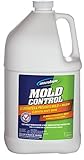 Concrobium Mold Control, 1 Gallon, Mold and Mildew Cleaner for Hard Surfaces, Helps Eliminate and Prevent Mold and Musty Odors, No Bleach Formula for Indoor and Outdoor Use
- Eliminates and prevents mould
- Non-toxic ingredients
- Ideal for homes, buildings, boats, cars and RVs
- No bleach or harmful fumes
- Ready-to-use mold-control product: If you prefer a convenient option, look for an EPA-registered mold-control spray such as Concrobium Mold Control. The manufacturer’s official materials address shower use, and the EPA label for the product family includes mold-and-mildew-control claims for hard, non-porous surfaces. Check the current label for your exact product and confirm that your shower material is compatible.
- Household cleaner: CDC guidance says household mold can be cleaned with water and detergent; bleach may also be used according to the bottle label and applicable guidance. Do not assume that bleach is the best choice for every surface or stain. Follow the product’s required dilution, contact time, ventilation, rinsing, and disposal instructions. CDC household mold guidance gives a ceiling of no more than 1 cup of bleach per gallon of water, but that should not replace the product label or be treated as a universal formula for every bleach product and shower material.
Never mix bleach with ammonia, vinegar, acids, toilet-bowl cleaner, or any other cleaner. Dangerous vapors can result. If products are accidentally mixed and fumes develop, leave immediately, get fresh air, and contact emergency or poison-control services as appropriate.
-
Apply the cleaner and allow the required contact time
Apply the selected product only to the affected area and follow its label. If the instructions specify a dwell or contact time, keep the surface wet for that period. Do not spray blindly into gaps, vents, electrical fixtures, or areas where the product is not approved.
Do these 3 things before closing this tab:
1Fix the driver behind crashes, sound loss and screen glitches2Repair Windows errors before they cause bigger problems3Scan for outdated or missing drivers - takes under a minuteSpecial offer. See more information about Outbyte and uninstall instructions. Please review EULA and Privacy policy. -
Scrub or wipe away the visible growth
Use a non-abrasive brush or cloth appropriate for the shower material. Work carefully rather than creating unnecessary splashes or aerosols. Remove the visible mold, dirt, and loosened residue from the hard surface.
Rank #3
Sale Concrobium Mold Control Aerosol, 14.1 oz – Eliminates & Prevents Mold – EPA Registered, Bleach-Free, Odorless, VOC-Free – For Indoor & Outdoor Surfaces, Mid-Sized Jobs, and Hard-to-Reach Areas
- Eliminates & Helps Prevent Mold: Destroys existing mold at the source and forms an invisible barrier that helps prevent future growth.
- EPA-Registered Formula: Registered with the U.S. Environmental Protection Agency for mold control when used as directed.
- Bleach-Free, Odorless, VOC-Free: Contains no bleach, ammonia, or volatile organic compounds for safe indoor use and healthier air quality.
- Precision Aerosol Fogging: Creates a fine mist that helps reach tight spaces, corners, and hidden areas where mold can develop.
- Safe on Most Surfaces: Works on drywall, wood, tile, grout, concrete, fabric, and more; always test in an inconspicuous area first.
Cleaning is not the same as sterilizing the bathroom, identifying a mold species, or guaranteeing that mold will never return. You cannot reliably identify a species by color alone, so do not treat “black mold” as a diagnosis or assume that every dark mark is the same hazard.
-
Rinse or wipe, then dry completely
Follow the label on whether the surface should be rinsed or simply wiped. Remove loosened residue and dispose of dirty disposable materials appropriately. Dry the tile, wall, door, fixtures, and nearby seams thoroughly. Do not paint, caulk, or cover active mold: covering it does not stop growth and can conceal a continuing moisture problem.
How to keep shower mold from coming back
EPA’s central principle is simple: moisture control is mold control. After each shower:
Rank #4

- Use to eliminate mold, mildew, musty odors and prevent regrowth
- EPA-registered formula crushes mold spores as it dries and leaves an invisible barrier
- Odorless solution cleans between 800-1,600 sq. ft. per gallon
- Unique mold cleaner contains no bleach or harsh chemicals, safe for use on a wide range of surfaces
- Apply by cold fogger, spray, cloth or brush over affected area and allow to dry - no scrubbing or rinsing required
- run the bathroom exhaust fan while showering and for a while afterward, or open a window when practical;
- wipe standing water from walls, doors, ledges, and fixtures;
- use a shower squeegee to remove residual water from large flat surfaces;
- hang towels and bath mats so they can dry fully, and wash or replace porous items that remain mold-contaminated;
- repair leaking supply lines, shower valves, drains, grout joints, caulk, or plumbing; and
- investigate persistent condensation, damp drywall, soft flooring, peeling paint, or a musty smell that returns after cleaning.
A squeegee makes the daily drying routine easier, but it is not a mold treatment and cannot replace ventilation, leak repair, or drying contaminated materials. If the fan does not move air effectively, a properly selected bathroom exhaust fan may be a longer-term improvement. Choosing one requires checking the room size, airflow rating, existing ductwork, electrical setup, and local code; replacement or new installation may require a qualified contractor.
What not to do
- Do not mix bleach with ammonia or other cleaning products.
- Do not assume a single spray permanently prevents mold.
- Do not rely on bleach as the universal or automatically best treatment.
- Do not paint, caulk, or cover over active mold.
- Do not scrub a large, hidden, or water-damaged infestation casually.
- Do not assume a product works on every shower material; check its current label first.
- Do not use color alone to claim that growth is a particular mold species or that it is necessarily toxic.
When cleaning is not the real fix
If the same area returns quickly, the visible spot may be only the symptom. Look for a slow plumbing leak, water entering behind tile or caulk, inadequate exhaust, condensation on cold surfaces, or porous material that never dries. Repeatedly spraying the surface without correcting the source can leave the underlying damage unresolved.
For growth beyond roughly 10 square feet, substantial water intrusion, suspected hidden mold, contaminated porous building materials, or occupants with elevated health risks, arrange a professional mold inspection, remediation, or water-damage assessment. Verify local licensing, qualifications, scope of work, and insurance before hiring anyone.
Best Value
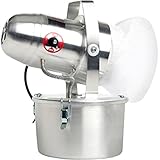
- Designed for Large Area Application Helps apply Concrobium Mold Control solution evenly across large, enclosed spaces.
- Fine Mist Distribution for Surface Coverage Atomizes liquid into a fine mist to help reach exposed surfaces, including areas that may be difficult to access.
- Fine Mist Distribution for Surface Coverage Atomizes liquid into a fine mist to help reach exposed surfaces, including areas that may be difficult to access.
- Adjustable Flow Rate for Controlled Application Fogger head allows adjustment of liquid flow to match different room sizes and application needs.
- Ideal for Enclosed and Hard to Reach Spaces Suitable for basements, attics, crawl spaces, garages, storage areas, and similar environment
Quick checklist
- Small, visible patch on an accessible hard surface?
- Window or working exhaust fan running?
- Gloves, sealed goggles, and a NIOSH-approved N95 respirator ready?
- One compatible cleaner selected and its label read?
- No bleach or other products being mixed?
- Visible growth removed, residue rinsed or wiped, and the surface dried?
- Leak, condensation, or ventilation problem identified and corrected?
Frequently Asked Questions
When should I call a professional for shower mold?
A small, surface-level patch on a hard, accessible shower surface can often be cleaned at home. EPA’s practical screening threshold is about 10 square feet, but larger areas, hidden growth, substantial water damage, unresolved leaks, porous contamination, or occupants with asthma, lung disease, allergies, or weakened immunity warrant professional advice.
Can I mix bleach with vinegar or another mold cleaner?
No. Never mix bleach with ammonia, vinegar, acids, toilet-bowl cleaner, or other cleaning products. Hazardous vapors can result. Use one product at a time and follow its current label.
Why does mold keep returning after I clean the shower?
Cleaning removes visible growth but does not guarantee permanent prevention. Improve ventilation, remove standing water, dry surfaces, and repair leaks or persistent condensation.
The Bottom Line
For a small patch on a hard shower surface, ventilate, wear proper protection, use one compatible cleaner according to its label, remove the visible growth, rinse or wipe as directed, and dry thoroughly. Prevent recurrence by controlling moisture; larger, hidden, water-damaged, or high-risk situations belong with an experienced professional.
Quick Recap
Product prices and availability are accurate as of the date/time indicated and are subject to change. Any price and availability information displayed on Amazon at the time of purchase will apply.
What’s actually slowing this PC down?
Pick the symptom - the matching free tool is one click away.

