The most reliable way to remove pet hair is to keep it dry at first. Contain the shedding source, collect loose hair, mechanically loosen fur stuck to fabric or carpet, vacuum or gather the debris, and only then launder or wipe the surface according to its care instructions. Starting with water can make fur clump and may contribute to washing-machine blockages.
This method works across hardwood, laminate, tile, carpets, upholstery, bedding, clothing, stairs, curtains, cars, crates, and pet beds. It also prevents a common mistake: confusing visible hair removal with allergen control. Fur can carry or accompany dander, but a hair-free surface is not necessarily an allergen-free surface.
As an Amazon Associate I earn from qualifying purchases.
The five-step pet-hair removal method
- Contain the source. Move pet bedding, blankets, and removable covers to a washable area. If practical, strip heavily haired items outdoors or over a surface that can be cleaned.
- Collect dry, loose hair. Use a vacuum, microfiber dust mop, electrostatic brush, rubber tool, lint roller, or reusable hair remover. Do not begin by wetting a thick layer of fur.
- Loosen embedded hair mechanically. Rubber squeegees, rubber brushes, reusable rollers, and suitable motorized vacuum heads can pull hair out of carpet, upholstery, and fabric.
- Vacuum or gather the loosened debris. Use the correct floor, upholstery, stair, or crevice attachment. Empty the collection chamber and check the brush roll when finished.
- Launder or wipe the item. Follow the flooring, upholstery, garment, rug, and appliance instructions. Moisture belongs at the end of the process, after most of the hair has been removed.
This order is more effective than repeatedly sweeping fur around or sending a heavily haired blanket straight into the washing machine.
Quick wins for a faster PC:
Repair Windows errors before they cause bigger problemsFix Now →Fix the driver behind crashes, sound loss and screen glitchesFind Drivers →Clear out junk files and repair common Windows errorsFree Scan →A practical tool kit
| Tool | Best use | Important limitation |
|---|---|---|
| pet hair vacuum | Floors, carpets, stairs, upholstery, mattresses, pet beds, and car interiors | Choose attachments for the surfaces you actually clean; a robot vacuum does not replace deep cleaning. |
| Rubber squeegee, rubber brush, or electrostatic remover | Gathering embedded hair from rugs, furniture, bedding, and vehicle carpet | Test first on delicate, looped, or fragile fabrics. |
| Reusable pet hair remover roller | Sofas, cushions, clothing, bedding, carpets, and car seats | Use gentle pressure on velvet, chenille, microfiber, and worn fabrics. |
| Lint roller or fabric brush | Final cleanup on clothes and lightly haired fabric | It is a finishing tool, not the best choice for thick embedded fur. |
| Coat-appropriate grooming brush | Removing loose hair before it reaches the home | Coat type, skin condition, matting, and the pet’s tolerance determine the safe tool. |
| Washable blankets and removable covers | Protecting sofas, beds, crates, and favorite resting places | They reduce the cleaning burden but do not stop shedding. |
Vacuum specifications are not the same as independent performance testing. For example, manufacturers describe features such as anti-static hard-floor filaments, tangle-management systems, motorized carpet brushes, and HEPA-sealed filtration on particular models. Treat those as manufacturer specifications and compare the attachment set, maintenance requirements, noise, weight, and return policy rather than assuming that a pet label makes one vacuum best for every home.
#1 Best Overall

- Know when it's full: the translucent window shows you when its time to empty
- Easy empty: A latch keeps the dust bin door secured in place and is simple to open with a press of the button
- Reusable and sturdy: no more ripping and throwing away sticky tape
- Comfortable grip: rubber, over-molded grip for better handheld comfort
- Amazing pick up: remove dog hair and cat hair easily
How to remove pet hair from hard floors
The method is broadly similar for hardwood, laminate, vinyl, tile, and sealed stone, but the flooring manufacturer’s care instructions control how much moisture and agitation the finish can tolerate.
- Use a hard-floor vacuum setting, microfiber dust mop, or electrostatic or rubber pet-hair brush. Collect the hair instead of scattering it into corners.
- Work around floor-wall junctions. Run a crevice tool along baseboards, under cabinets, beneath furniture, and around pet bowls and beds. Hair often gathers in these protected edges, especially under built-ins and low furniture.
- Lift rather than grind. On newly finished, delicate, or easily scratched surfaces, use the least abrasive attachment that collects the hair effectively.
- Damp-mop only after the dry pass. The mop should remove remaining dust and film, not serve as the first tool for a thick layer of fur. Avoid leaving standing moisture on wood or laminate.
A robot vacuum can help maintain hard floors between deeper cleanings, particularly in open areas where a pet sheds every day. iRobot positions its pet-focused robots for routine collection of dry hair, litter, and debris and for cleaning under furniture. A robot is not a substitute for stairs, upholstery, pet bedding, edges, or manual cleanup of a liquid pet accident. Clean liquid messes manually first and follow the robot’s instructions.
How to remove pet hair from carpets and rugs
- Vacuum slowly in overlapping passes. Use the carpet setting or motorized brush head approved for the carpet’s pile. Fast passes often leave hair behind.
- Change direction. Vacuum once with the pile and once across it when the carpet allows. A different angle can expose hair that was hidden in the fibers.
- Gather stubborn fur before vacuuming again. Pull a rubber squeegee, reusable roller, or rubber grooming-style brush across the carpet in short sections. The hair should form visible rows or clumps that can then be collected.
- Finish around edges. Use a crevice attachment at baseboards, beneath furniture, and along stair or rug borders.
Some pet-focused vacuum heads use stiff bristles to reach carpet fibers and automatic systems intended to clear wrapped hair. Those features can be useful, but follow the vacuum and carpet-maker instructions. A brush that is appropriate for a durable, dense carpet may be too aggressive for a delicate rug.
What’s actually slowing this PC down?
Pick the symptom - the matching free tool is one click away.
Delicate, antique, and handmade rugs
Use the rug maker’s care instructions and test any rubber tool, brush, or vacuum setting in an inconspicuous area. Avoid scraping loose loops, fringe, damaged backing, antique fibers, or areas with existing pulls. If the rug sheds fibers, has a fragile foundation, or is valuable, use a conservative suction setting or consult a rug-care professional rather than trying to force out every hair.
How to remove pet hair from sofas, chairs, and upholstery
Check the upholstery code or manufacturer’s cleaning guidance before using water, sprays, or a powered brush. Upholstery can look durable while its backing, dye, or pile is not suited to saturation or aggressive rubbing.
- Remove cushions when possible. Vacuum both sides, the seams, piping, cushion platform, gaps, and the area beneath the furniture.
- Use an upholstery attachment. A bare high-suction nozzle can pull at some fabrics or create an unnecessary risk of marking the surface.
- Loosen embedded hair with a rubber tool or roller. A pet hair remover roller can gather fur from furniture without relying on disposable adhesive sheets. Use it in small sections and empty its collection chamber as needed.
- Vacuum the loosened rows. Repeat only where hair remains rather than repeatedly abrading the entire cushion.
- Finish lightly. A lint roller or soft fabric brush can collect surface residue.
Velvet, chenille, microfiber, and other delicate textiles need a cautious approach. Test in a hidden area and use the least abrasive method that works. Some cleaning advice suggests lightly misting fabric before brushing, but moisture is not universally safe. Do not mist unless the upholstery instructions permit it, and never use a water or fabric-softener recipe as a default treatment.
Rank #2
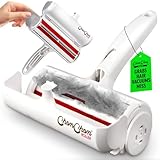
- NO MORE HAIR EVERYWHERE: The ultimate pet hair roller for effective dog and cat hair removal. Far superior to traditional lint rollers for pet hair or sticky rollers, the ChomChom ensures deep cleaning.
- CONVENIENT: Take the ‘fur’ out of ‘furniture’ once and for all! Ideal for cleaning couches, pillows, rugs, and more. Whether it's furniture, your car, or a carpet, this pet lint roller is an essential tool for all pet owners.
- VERSATILE: Not just a dog lint roller, it's adept at cat hair removal too. The lint roller for pet hair extra sticky capability ensures every strand is picked up, leaving your spaces hair-free.
- EASY TO USE: Just roll back and forth along any surface to trap fur and lint into the built-in receptacle. When you’re all done, just press down on the release button to open the pet fur remover and empty it out completely. Purr-fectly simple!
- SUSTAINABLE - This reusable lint roller requires no adhesives or sticky tape, and can be used again and again.
How to remove hair from bedding, mattresses, and blankets
Sheets, blankets, and duvet covers
- Remove the item from the bed and take it outdoors or over a washable floor if practical. Shake it only where the released fur will not simply settle elsewhere indoors.
- Use a vacuum, lint roller, rubber glove, tape, or reusable hair remover to remove the bulk of the dry hair.
- Separate heavily haired items from delicate clothing and ordinary household laundry.
- Wash and dry according to the care label. The item should be completely dry before it is returned to the bed.
A washable pet blanket placed over a pet’s preferred spot can protect a sofa, bed, crate, or chair. It is easier to remove and wash a cover than a bulky cushion or duvet, but it still needs the dry-hair step before laundering.
Mattresses and bed frames
Strip the removable layers, then vacuum the mattress surface, seams, edges, headboard, and bed frame with a mattress-safe or upholstery attachment. Pay attention to the gap between the mattress and frame, where hair can collect out of sight. Avoid saturating a mattress unless its care instructions specifically allow the treatment; moisture trapped inside can create a separate drying problem.
For allergy-sensitive bedrooms, EPA guidance recommends keeping pets away from sleeping areas and upholstered furniture where possible. That prevention step works alongside—not instead of—vacuuming and laundering.
How to remove pet hair from clothing and other fabrics
- Remove hair before washing. Use a lint roller, reusable brush, rubber glove, or small piece of adhesive tape for localized areas.
- Separate very hairy items. A fur-covered pet blanket should not be mixed with a delicate wardrobe load if it can be avoided.
- Follow the garment and dryer labels. An air-only or air-fluff cycle uses room-temperature air and may remove loose lint without heat, but it is suitable only when the appliance and garment instructions allow it.
- Clean the lint trap and filters. Hair left in the dryer or washer can affect later loads and may collect around seals and appliance pathways.
Some compatible laundry systems and filters are marketed specifically for pet hair, but results vary with the quantity of fur, fabric type, load size, and appliance design. A pet laundry bag may help contain hair from suitable smaller items during washing, but it does not replace dry removal first. Check that the bag is appropriate for the item and compatible with the washer.
Do not treat dryer sheets as a universal solution. They may reduce static, but chemicals or fragrance can create a safety problem if a pet chews or ingests a sheet. Safer first choices include brushing, lint tools, tape used in small areas, and rubber removers.
Do these 3 things before closing this tab:
1Clear out junk files and repair common Windows errors2Scan for outdated or missing drivers - takes under a minute3Repair Windows errors before they cause bigger problemsHow to clean pet beds, crates, and play areas
- Vacuum the bed surface, sides, seams, underside, and the surrounding floor before introducing water.
- Remove the cover or washable blanket and follow its care label.
- Wipe hard crates with a suitable damp cloth after collecting dry hair and debris. Clean the bedding separately.
- After washing pet bedding, inspect the washing-machine filter and wipe the rubber door seal. Fur can collect in both places.
- If bedding is heavily flea-infested or cannot be cleaned adequately, replacement may be more appropriate than repeated washing.
Use a removable cover or washable blanket in the crate and in favorite play or resting areas. This turns a difficult, infrequent deep-cleaning job into a smaller load that can be handled regularly.
Rank #3

- Your sticky roller pack includes a unique set of lint rollers and additional refills featuring our traditional spiral cut easy-peel sheets for a total of 450 sheets. We've continuously revised, updated, and now formulated our newest and most effective roller yet.
- Our Canine Executive Officer Jax the Husky graciously shed plenty of hair to evaluate and make sure our extra sticky adhesive effectively picks up pet hair. Besides pet hair removal, our sticky roller is excellent for picking up dust, dirt, and lint with ease leaving your area sleek and clean.
- Our handle was designed for effortless 360° rotation back and forth for a frustration free rolling experience. There's no need to be concerned with or ease of use or about rolling in a specific direction.your pets, furniture, clothing, and carpet.
- Convenient arrows simplify sheet removal, keeping your lint roller hygienic and ideal for maintaining spotless surfaces in pet-friendly homes and high-cleanliness environments.
- With PetLovers extra sticky adhesive, your lint roller doubles as a grooming tool that noticeably removes more hair, dust, and lint from your pets, furniture, clothing, and carpet.
How to remove pet hair from stairs and narrow spaces
Use a handheld vacuum, detachable canister, crevice tool, or stair attachment. Clean each tread, riser, outer edge, and the junction where the stair meets the wall. Vacuum the railing and its brackets if the pet rubs against them.
For hair stuck in carpet edges, first use a reusable rubber hair remover in short strokes, then vacuum the loosened hair. A compatible tangle-free turbine or hair-screw attachment may be useful for stairs, upholstery, car seats, and pet beds, but use only the attachment and setting approved for the surface. Keep the vacuum stable on the stair and avoid stretching a cord across a walking path.
How to remove pet hair from curtains, drapes, and blinds
Vacuum curtains from top to bottom using a soft brush or upholstery attachment at a gentle setting. Work in vertical sections so loosened hair falls toward an area you can vacuum. Remove as much dry hair as possible before laundering washable curtains.
Recommended Free Tools
For hard blinds, use a microfiber or slightly damp cloth. Damp dusting helps capture settled dust rather than sending it back into the air. Support delicate slats while wiping, and follow the blind manufacturer’s instructions for moisture and cleaning products.
How to remove pet hair from cars and carriers
- Remove crates, blankets, toys, seat covers, and floor mats.
- Vacuum seat seams, seat-belt gaps, floorboards, cargo areas, under-seat channels, and the spaces between cushions.
- Use a rubber tool or reusable roller on fabric seats, carpet, and carrier bedding. Work toward one collection area instead of spreading the hair across the cabin.
- Wipe hard plastic, vinyl, and other suitable surfaces with an automotive-interior product approved for that material.
- Wash the removable bedding and covers only after removing the loose hair.
Leather and vinyl are generally easier to wipe than fabric, although a washable seat cover can still reduce the amount of fur that reaches seams and floorboard channels. Let interior surfaces dry according to the product instructions before returning the pet or reinstalling bedding.
Hair removal is not the same as allergen control
Visible fur is only part of the problem for people sensitive to pets. Pet dander and hair can be components of indoor dust, and much animal dander settles on floors, furniture, bedding, and other surfaces. Removing hair makes cleaning easier, but it does not remove every allergen.
Rank #4

- Sticky & easy peel off: excellent roller for picking up dust, dirt, lint and removing pet hair. The sticky and easily removable sheets will save you tons of time and energy. Forget about going over the same spot again and again. Instantly pick up dirt and shards even from your most delicate things. Spend no more than a second to effortlessly replace sheets.
- Lightweight, compact & ergonomic design: featuring travel size and lightweight body, these lint rollers for clothes will easily fit in your handbag or your car's glove compartment so you always look presentable on the go. Keep your clothes lint free, especially in the office, at business meetings or while traveling. New upgraded ergonomically designed handles make cleaning easy thanks to the effortless 360° back and forth rotation.
- Multi use: this pack of lint rollers will serve as a perfect assistant in your home, car and office. It can tackle everything from curtains to car seats, and anything in between. Effective for clothes, furniture, sofas, carpets, bed sheets, etc. Does your pet's hair cling to furniture and clothes even though you brush it every day? Our dog & cat hair lint roller will finally help you deal with the fur situation!
- 450 sheets: Polardo lint rollers come with 2 reusable ergonomic grip handles that comfortably fit in your hand, five refills of 90 sticky easy peel off spiraled sheets. With two rollers, you can use one at home and the other at your office or during trips. Total 450 sheets in one package with great value.
- In case you have questions, do not hesitate to reach our team. We are here to help you make the right choice. Just drop us a line, and we’ll answer you as soon as possible.
For better control:
- Vacuum carpets and furniture weekly or more often in high-shed or allergy-sensitive homes.
- Damp-dust hard surfaces so settled dust is captured instead of redistributed.
- Use a vacuum with a properly maintained HEPA filter or HEPA-sealed system where appropriate. EPA defines HEPA under its relevant guidance as theoretically removing at least 99.97% of particles measuring 0.3 microns, but that specification is not a promise that all pet allergens will disappear.
- If your vacuum model accepts one, a compatible replacement HEPA vacuum filter can be part of routine maintenance. Verify the exact model and replace or clean it on the schedule in the appliance manual.
- Change HVAC or air-cleaner filters according to the manufacturer’s instructions.
- Keep pets out of sleeping areas when possible, particularly if someone in the home is allergy-sensitive.
An air cleaner can supplement surface cleaning by addressing some airborne particles. It cannot remove dander that has already settled into upholstery, carpet, bedding, or dust. Do not use an air purifier as a replacement for vacuuming, damp dusting, laundering, or source control.
Reduce the amount of hair before it reaches the home
The highest-leverage intervention is grooming the pet before loose hair lands on the floor. Brush in an easy-to-clean location such as outdoors, a tiled room, or another area where the released hair can be collected.
Choose a pet de-shedding tool that matches the animal’s coat and use it only as directed. General grooming guidance recommends brushing against the direction of growth to loosen dead hair, followed by brushing with the direction of growth to remove it. The exact technique and tool depend on the coat.
Thicker fur and undercoat may call for a grooming rake. A dual grooming brush may address loose topcoat hair and tangles, while a de-shedding tool is intended to remove loose undercoat. These are different tasks, not interchangeable instructions for every dog or cat.
Inspect the skin first. Do not use a de-shedding tool over sores, irritated skin, severe mats, or areas where the pet reacts painfully. Avoid excessive pressure and stop if redness or irritation appears. A veterinarian or professional groomer should assess a pet with skin problems, severe matting, or an uncertain coat type before de-shedding.
A realistic cleaning schedule
| Frequency | Tasks |
|---|---|
| Daily or near-daily | Spot-clean favorite resting places, lint-roll clothing before leaving the house, and run a robot vacuum in suitable dry-floor areas. Groom only as appropriate for the pet’s coat and tolerance. |
| Several times per week | Vacuum high-shed floors and upholstery, clean stairs and pet-bed areas, empty vacuum chambers, and inspect brush rolls for wrapped hair. |
| Weekly | Wash removable pet blankets and covers as permitted, vacuum mattresses and under furniture, damp-dust hard surfaces, and maintain appliance filters according to their manuals. |
| During seasonal shedding | Increase grooming and vacuuming, clean behind furniture and around vents, and inspect rug edges, upholstery seams, pet beds, and car interiors. |
Dyson recommends vacuuming floors, pet beds, and upholstery one to four times per week in pet homes, with more frequent cleaning for multiple pets. That is a manufacturer recommendation, not a universal rule. EPA’s broader guidance is to vacuum carpets and furniture weekly or more often. Let the amount of shedding, number of pets, flooring, and household sensitivities determine the final schedule.
Best Value
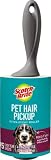
- 50% STICKIER*: This pet lint roller uses an extra sticky surface to pick up lint, hair, and debris without damaging clothes or fabrics
- PICK THE FLUFF UP: Put away the scary vacuum cleaner and make fur disappear with a lint remover designed for pet hair.
- VERSATILE USE: The perfect hair and lint remover for clothes, car seats, dog beds, couches, lamp shades, curtains, furniture, and more.
- ALSO GREAT FOR LARGE DEBRIS: Do more around the home by using this pet hair remover to clean up leaves, dirt, grass, sand, crumbs, and salt.
- EASY TO USE: This refillable dog hair removal lint roller is designed to fit comfortably in your hand and sheets tear cleanly down to the last one.
Common mistakes and what to do instead
- Putting fur-covered bedding straight into the washer: remove excess dry hair first so it does not clump and contribute to blockage.
- Wetting the whole surface before collecting hair: dry-collect the fur, then use moisture only when the material’s instructions permit it.
- Using a dryer sheet around pets: choose a lint brush, tape for small areas, rubber squeegee, or reusable roller instead.
- Scraping upholstery aggressively: test first and use the least abrasive tool that works. Hard scraping can pull loops, roughen fibers, or damage backing.
- Using one de-shedding blade on every coat: match the tool to the coat and stop at the first sign of irritation.
- Assuming an air purifier solves pet allergens: settled dander still requires surface cleaning.
- Using a dry vacuum on liquid pet accidents: clean the liquid manually and follow the appliance instructions.
- Ignoring vacuum maintenance: empty the bin or bag, clear the brush roll, clean filters as directed, and check hose and seal areas for wrapped hair.
Choose tools by your home’s actual problem
- Mostly hard floors: prioritize a hard-floor vacuum head, microfiber or electrostatic mop, and a crevice tool. A robot vacuum can maintain open areas between manual edge and furniture cleaning.
- Carpet and rugs: choose a vacuum with a suitable motorized carpet head plus a rubber hair-gathering tool. Add a conservative plan for delicate or handmade rugs.
- Hair on sofas and clothing: a reusable roller, lint tool, upholstery attachment, and washable cover usually matter more than a larger floor vacuum alone.
- Multiple pets or heavy shedding: prioritize a large, easy-to-empty vacuum chamber, accessible brush-roll maintenance, washable covers, and a coat-appropriate grooming tool.
- Allergy-sensitive household: prioritize regular surface cleaning, properly maintained filtration, damp dusting, and keeping pets out of sleeping areas. HEPA is a filtration specification, not a guarantee of complete allergen removal.
- Frequent travel with a pet: use a handheld or crevice-capable vacuum, rubber hair remover, washable carrier bedding, and covers that can be removed before the vehicle is cleaned.
The best all-purpose setup is not one magical appliance. It is a pet-focused vacuum with upholstery and crevice attachments, a reusable rubber or electrostatic hair remover, a clothing lint tool, a coat-appropriate grooming brush, washable covers, and the replacement filters required by the vacuum or laundry appliances.
Frequently Asked Questions
Should I wash a pet bed covered in hair?
Yes, but remove as much dry hair as possible first with a vacuum, lint roller, rubber tool, tape, or gloves. Then follow the care label, dry the bed completely, and inspect the washer filter and rubber seal afterward.
Does a HEPA vacuum remove pet allergens?
A properly maintained HEPA or HEPA-sealed vacuum can reduce fine particles escaping during vacuuming. It does not remove settled dander from every surface, and HEPA filtration is not a guarantee that all pet allergens will disappear.
Outdated Drivers Are Slowing You Down
One free scan finds every outdated or missing driver and matches the right update for your exact hardware.Free scan · exact hardware matchWindows Errors? Fix Them Before They Spread
Repair common Windows errors and clear accumulated junk for a smoother, more stable PC - no reinstall needed.Free scan · no reinstallCan dryer sheets remove dog or cat hair from clothes?
They may reduce static, but they are not a universally safe solution around pets because a chewed or ingested sheet can be hazardous. Remove hair before washing with a lint tool, rubber remover, brush, or tape instead.
How often should I vacuum in a home with pets?
Vacuum high-shed areas several times per week and carpets and furniture at least weekly, increasing the frequency for multiple pets, heavy seasonal shedding, or allergy-sensitive occupants.
The Bottom Line
Bottom line: Keep pet hair dry until most of it is collected. Groom the pet at the source, use a surface-appropriate rubber tool or vacuum to loosen and remove embedded fur, protect favorite areas with washable covers, and clean laundry and appliance filters after each heavily haired load. For allergens, add frequent vacuuming and damp dusting—visible hair removal alone is not enough.
Quick Recap
Product prices and availability are accurate as of the date/time indicated and are subject to change. Any price and availability information displayed on Amazon at the time of purchase will apply.

