Free tools Windows power users keep installed
One-click scans. No signup required.
Let the Dutch oven cool completely, then soak it in warm water with dish soap. If the burnt layer remains, use a gentle water-and-baking-soda simmer, allow the liquid to cool, and loosen the softened food with a soft sponge or non-metal scraper. Rinse and dry the pot thoroughly. This sequence follows care guidance from Lodge, Le Creuset, and Staub, while protecting the enamel from thermal shock and abrasion.
Why burnt food needs a gentle method
An enameled Dutch oven combines a cast-iron body with a glass-like enamel surface. The coating is durable, but a sudden temperature change or aggressive scraping can damage it. The safest approach is therefore to soften the residue with water, soap, and—when necessary—baking soda before wiping it away.
As an Amazon Associate I earn from qualifying purchases.
Burnt-on food and ordinary staining are not identical. A raised, crusty layer is residue that needs softening and removal. A flat brown or gray mark may be staining. Lodge says ordinary staining can be expected and does not affect performance, so do not keep escalating the abrasion simply to make every discoloration disappear.
Recommended Free Tools
What you need
- Warm water
- Dish soap
- Baking soda
- A soft sponge or soft brush
- A non-metal pan scraper or nylon tool
- Clean towels for drying
Use the cookware maker’s instructions when you know the brand. The quantities and heating times below come from separate manufacturer directions, not from a single universal recipe.
#1 Best Overall

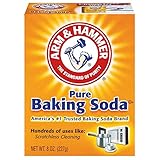
- A HOUSEHOLD CLASSIC: This 2.7 lb resealable bag of ARM & HAMMER Baking Soda unlocks 100+ uses across your home—from kitchens and laundry rooms to crafting tables and beyond
- PURE & NATURAL: America’s Most Trusted Baking Soda Brand is safe to use around kids and pets; no additives or chemicals, no cornstarch, and no fragrance
- FOOD-GRADE FOR BETTER RESULTS: USP-grade 1 crystals create fluffier cakes, muffins, cookies, and breads; use it in gluten free, kosher, vegan, paleo-friendly, and organic baking recipes
- DIY HOME HACKS: A multi-purpose essential to help freshen carpets, brighten laundry, freshen drains, scrub sinks, clean jewelry, craft kids’ sensory play & science experiments with one ingredient
- SUSTAINABLY MADE IN THE USA: Proudly made and packaged in Green River, Wyoming, using 100% certified renewable energy for a more sustainable, quality baking soda you can trust
Step-by-step: remove the burnt layer
1. Let the pot cool completely
Take the Dutch oven off the heat and wait until it is cool before adding water. Do not move a hot pot directly into cold water. Le Creuset warns that sudden temperature changes can damage cookware, and Staub likewise instructs users to let the product cool before cleaning. See Le Creuset’s care and use guidance and Staub’s care instructions.
Cooling is more than a comfort issue. Enameled cookware can be very hot even after it leaves the burner, and adding cool water to a hot vessel creates a sudden temperature change. Set it on a heat-safe surface, leave the lid off, and wait until the metal no longer radiates strong heat before beginning.
2. Start with a warm, soapy soak
Fill the interior with warm water until the stuck area is covered, add dish soap, and leave it to soften. Le Creuset suggests 15–20 minutes for stuck-on food. Staub allows warm water and dish soap to work overnight when necessary. A longer soak is preferable to harder scrubbing because it gives the residue time to release from the enamel.
Use warm rather than scalding water and make sure the water reaches the edges of the deposit. If the residue is concentrated on the bottom, you do not need to fill the entire pot to the rim; cover the affected area adequately. Keep the lid nearby but do not seal the pot while it is soaking, so you can inspect the surface easily.
After soaking, test a small area with a soft sponge. If the food lifts, continue around the pot without pressing hard. If the crust remains firmly attached, move to the baking-soda step rather than using a metal tool.
3. Use a gentle baking-soda simmer for stubborn residue
When soaking has not removed the burnt layer, use the maker-specific method that matches your pot. Keep the pot attended while it heats, and use only a gentle simmer. The goal is to warm the water and soften the food, not to scorch a second layer onto the enamel.
| Manufacturer | Water and baking soda direction | Timing or follow-up |
|---|---|---|
| Le Creuset | Warm water with 1–2 tablespoons of baking soda | Simmer for about 8–10 minutes |
| Lodge | 2 cups of water with 4 tablespoons of baking soda | Boil for a few minutes, then loosen the softened food with a pan scraper |
| Staub | Warm water and dish soap | Soak overnight if needed; its instructions emphasize avoiding abrasive or corrosive products |
The amounts differ because these are separate care instructions. Do not combine them into a larger formula or assume that one timing applies to every Dutch oven. For Le Creuset cookware, the directions are in its enameled cast-iron care article. Lodge gives its baking-soda boil and scraper method in its cleaning and care instructions.
The Tool Desk
Outbyte PC Repair FREERepair Windows errors before they cause bigger problemsFix Now →Outbyte Driver Updater FREEFix the driver behind crashes, sound loss and screen glitchesFind Drivers →If you cannot identify the maker, use the conservative approach: cover the deposit, add baking soda to the water, heat gently while watching the pot, and stop if the liquid begins to boil aggressively. Do not leave the pot unattended on the burner, and do not treat the table as a reason to repeat a boil several times in one session. A second warm soak after cooling is usually preferable to more heat or pressure.
Rank #2
4. Turn off the heat and let the liquid cool
Once the maker’s simmering or boiling time is complete, turn off the heat and allow the water to cool before draining. Cooling the liquid keeps you from handling a hot, heavy pot and avoids exposing the enamel to an abrupt temperature change.
Drain slowly and carefully, using a heat-safe grip if the pot is still warm. Do not carry a full, hot Dutch oven across the kitchen to a sink. If the liquid has cooled but the food has not fully released, leave it in place for another soak rather than increasing the temperature.
5. Loosen the softened food without metal
Drain the cooled liquid. Wipe the interior with a soft sponge or soft brush. For isolated patches that still cling to the surface, use a non-metal pan scraper or nylon tool with light pressure. Lodge specifically recommends a pan scraper after its baking-soda boil. Le Creuset directs users to wash with dish soap and a soft sponge, while Staub cautions against metal scouring pads.
Work from the edge of a softened patch toward its center. If the tool stops gliding, stop scraping and soak again rather than applying more force. The goal is to remove softened food, not to abrade the enamel.
Hold a scraper nearly flat instead of digging its corner into the coating. Short strokes give you better control than long, forceful pushes. A soft brush is useful around the curve where the bottom meets the sidewall, while a sponge can wipe away the film left after larger pieces come free. Rinse the tool occasionally so loosened grit does not get dragged over clean enamel.
6. Rinse and dry every part of the pot
Rinse away soap and loosened residue with clean water. Dry the cooking surface, exterior, lid, handles, and especially the rim. Lodge and Le Creuset warn that moisture around the rim can contribute to rust deposits. Leave the lid off until all trapped moisture has evaporated, then store the Dutch oven completely dry.
Run a dry towel around the rim and the channel where the lid sits. Water can remain hidden under a lid or around a handle even when the interior looks dry. If the pot was soaked overnight, give it extra drying time before replacing the lid. Do not store it with a damp towel, wet sponge, or any cleaning solution inside.
Quick wins for a faster PC:
Scan for outdated or missing drivers - takes under a minuteDriver Scan →Clear out junk files and repair common Windows errorsFree Scan →Fix the driver behind crashes, sound loss and screen glitchesFind Drivers →Choosing the right method for the residue
| What you see | Best first action | When to step up |
|---|---|---|
| A thin film or a few soft pieces | Warm water, dish soap, and a soft sponge | Only if the film remains after the soak |
| A hard, raised layer that survives soaking | Use the appropriate maker’s baking-soda simmer or boil | After cooling, use a non-metal scraper on softened spots |
| Flat brown or gray discoloration with no raised food | Wash gently and assess whether it is simply staining | Consider only a cookware-maker-approved stain cleaner, not harsher household chemicals |
This distinction prevents unnecessary scrubbing. Lodge describes ordinary staining as expected and says it does not affect performance; its baking-soda method is directed at stubborn baked-on food instead.
Rank #3

- A HOUSEHOLD CLASSIC: This bulk 7 lb resealable bag of ARM & HAMMER Baking Soda unlocks 100+ uses across your home—from kitchens and laundry rooms to crafting tables and beyond
- PURE & NATURAL: America’s Most Trusted Baking Soda Brand is safe to use around kids and pets; no additives or chemicals, no cornstarch, and no fragrance
- FOOD-GRADE FOR BETTER RESULTS: USP-grade 1 crystals create fluffier cakes, muffins, cookies, and breads; use it in gluten free, kosher, vegan, paleo-friendly, and organic baking recipes
- NATURAL HOME HELPER: Freshen carpets, brighten laundry, scrub sinks, wash fruits and vegetables, refresh grills and cookware, and cut pet odors without harsh chemicals
- DIY HACKS: A multi-purpose essential for small spaces and apartments; create exfoliating scrubs, freshen drains, or clean jewelry with one versatile ingredient
A useful test is to run clean fingertips or a soft, white cloth over the dry surface. If the surface is smooth and nothing transfers, you may be looking at a mark in the enamel rather than food that can be lifted. Stop escalating the cleaning at that point and check the manufacturer’s care instructions for stain treatment.
Tools that protect the enamel
Soft sponge or brush
A soft sponge is the standard finishing tool after soaking or simmering. A soft brush can reach corners and the transition between the base and sidewalls without relying on a sharp edge. Use a clean tool; a sponge containing trapped sand or hardened food particles can act abrasively even when its surface feels soft.
Non-metal scraper
A nylon or other non-metal pan scraper is useful when a softened sheet of food needs to be lifted. Keep the scraper flat and use short, controlled strokes. Replace it if it develops a sharp burr that could drag across the coating.
Do these 3 things before closing this tab:
1Fix the driver behind crashes, sound loss and screen glitches2Clear out junk files and repair common Windows errors3Scan for outdated or missing drivers - takes under a minuteBaking soda
Baking soda is the consumable used in both the Le Creuset and Lodge directions for stubborn residue. It is not required for every cleaning: begin with a soapy soak and reserve the simmer for food that remains attached. Measure according to the applicable maker’s instructions rather than assuming that more powder will work faster.
Optional cookware-specific cleaner
A cleaner made for enameled cookware may be considered for persistent stains or marks after ordinary washing, but it is not a requirement for removing burnt food. Check that the product is approved for your finish and follow its label. Do not substitute an oven cleaner or a corrosive household product simply because the stain is dark.
What not to use
- Do not use metal scouring pads or metal brushes. Staub specifically warns against them, and Lodge and Le Creuset direct users toward softer tools.
- Do not use harsh abrasives, oven cleaner, or corrosive cleaners on the enamel. Staub’s instructions caution against abrasive and corrosive products.
- Do not pour cold water into a hot Dutch oven or put a hot pot into a cold sink. Sudden temperature changes can damage cookware.
- Do not mix cleaning products. Use one method, rinse it away, and only then decide whether another maker-approved step is needed.
- Do not keep scraping a flat stain as if it were a food crust. If no material is raised from the surface, additional abrasion may not improve the appearance.
- Do not leave a heated pot unattended while water and baking soda are simmering. Keep the liquid at the maker’s stated level and turn off the heat when the specified time has elapsed.
Lodge includes a bleach-water soak for persistent stains on its care page. That is a stain treatment, not the first-line method for burnt-on food. If you consider it for a particular Lodge pot, follow Lodge’s current directions exactly, ventilate the area, and never combine bleach with dish soap, baking soda, or any other cleaner.
Troubleshooting common results
The food is still hard after soaking
Make sure the warm, soapy water covered the entire deposit. Extend the soak, following Staub’s overnight option when appropriate, then test again with a soft sponge. If the layer is still raised and firmly bonded, use the baking-soda quantity and timing specified for your cookware maker. Do not jump straight to a metal utensil.
The baking-soda simmer loosened only part of the crust
Let the liquid cool, drain it, and remove only the sections that have softened. Return the remaining area to a warm soapy soak before trying the scraper again. A second softening cycle is safer for the enamel than increasing pressure or switching to a metal pad.
Rank #4

- POP ONE IN, STOP ODOR: Pack of 12 x 14 oz ARM & HAMMER Fridge-n-Freezer Baking Soda Odor Absorbers helps food taste as it should by absorbing and deodorizing lingering odors without harsh chemicals
- SPILL-PROOF DESIGN: Built-in Flo-Thru technology lets air circulate through dual-panel vents for maximum odor control while preventing spills, a must-have for home or commercial kitchens
- SMALL SPACE SUPERSTAR: Works to neutralize odors, not just mask them, in enclosed spaces like the pantry, cabinets, closets, under bathroom sinks, pet areas, and beyond
- LONG-LASTING UP TO 30-DAYS: To use, remove perforated panels on the front and back; place upright to absorb unwanted odors, and replace every 30 days for best results
- UNSCENTED ODOR ABSORBER: No fragrance or essential oils added; made with ARM & HAMMER Pure & Natural Baking Soda, sustainably made in Green River, Wyoming
The pot is clean but still discolored
Check the surface with your fingertips after rinsing. If it is smooth and no food transfers to a cloth, you may be seeing staining rather than burnt-on food. Lodge says ordinary staining can be expected and does not affect performance. For a persistent mark, consult the maker’s current care guidance before trying a specialized enamel cleaner; such a product is a secondary option for stains, not a requirement for removing burnt food.
There is moisture around the rim after washing
Wipe the rim and lid channel carefully with a dry towel and leave the pot open until completely dry. Moisture left around the rim can contribute to rust deposits, which is why Lodge and Le Creuset emphasize thorough drying.
You do not know the pot’s brand
Use the conservative sequence: cool fully, soak in warm soapy water, and clean with a soft sponge or non-metal tool. For a stubborn layer, follow the general baking-soda approach only with a gentle, attended simmer, and avoid combining the different maker-specific quantities. If you can identify the manufacturer later, use its current care page for the exact amount and time.
The residue is on the lid or exterior
Use the same cooling and warm-soapy approach on enamel surfaces of the lid and outside of the pot. Keep water from pooling around vents, knobs, or unsealed hardware, and dry those areas carefully. Do not use a metal edge on the exterior just because the mark is more visible there.
Independent reader supportYour contribution helps us test, update, and keep practical guides available for everyone.Preventing another burnt layer
Le Creuset notes that high heat can contribute to stuck-on food. For routine cooking, favor low to medium heat rather than leaving an empty or nearly empty Dutch oven over a high burner. Adjust heat gradually, especially after the pot has become hot, and clean the pot once it has cooled instead of allowing residue to harden for days.
Prevention does not require aggressive maintenance. A warm soapy soak soon after cooking usually addresses ordinary residue before it becomes a baked-on layer. Drying the rim and the rest of the pot after each wash also helps avoid moisture-related rust deposits.
When cooking sauces, stews, or sugary foods, monitor the base as the liquid reduces. Stir according to the recipe and lower the burner when needed; a thin layer that is addressed promptly is easier to soak away than a thick, carbonized crust. Avoid preheating an empty enameled pot over high heat, since excess heat can promote sticking and makes thermal shock more likely during cleanup.
Windows Errors? Fix Them Before They Spread
Repair common Windows errors and clear accumulated junk for a smoother, more stable PC - no reinstall needed.Free scan · no reinstallCrashes, No Sound, or Screen Glitches?
Random freezes, missing sound and display glitches usually trace back to one bad driver. Find and replace yours safely.Free scan · under a minuteManufacturer guidance at a glance
Lodge
Lodge’s enameled cast-iron care page recommends boiling 2 cups of water with 4 tablespoons of baking soda for a few minutes when food is baked on, then loosening it with a pan scraper. The same guidance says staining can be normal and does not affect performance, and it emphasizes drying the rim and avoiding damaging tools. Its care page also describes a bleach-water soak for persistent stains; that is separate from the baked-on-food procedure. Read the current instructions at Lodge’s cleaning and care page.
Best Value

- One 4-pound resealable bag of Baking Soda
- Great for baking, cleaning & freshening
- Amazon Grocery has all the favorites you love for less. You’ll find everything you need for great-tasting meals in one shopping trip
- Feed your every day with Amazon Grocery
Le Creuset
Le Creuset suggests a 15–20 minute warm, soapy soak for stuck-on food. For tougher residue, it specifies warm water with 1–2 tablespoons of baking soda simmered for about 8–10 minutes, followed by cooling, draining, and washing with dish soap and a soft sponge. Its Dutch-oven guidance also connects high heat with stuck-on food and recommends low to medium cooking heat. See Le Creuset’s enameled cast-iron care article and its Dutch oven cleaning guidance.
Staub
Staub advises warm water and dish soap, allowing an overnight soak if needed. Its instructions caution against abrasive or corrosive products and metal scouring pads, and they call for cooling the cookware before cleaning. Consult the Staub care manual for the product-specific directions.
A practical decision checklist
- Confirm that the pot is cool before adding water.
- Cover the residue with warm water and dish soap.
- Soak for 15–20 minutes, or longer when the residue needs more time to soften.
- Test with a soft sponge.
- If a raised layer remains, use the correct manufacturer-specific baking-soda simmer or boil.
- Cool the liquid before draining.
- Lift softened patches with a soft sponge or non-metal scraper.
- Rinse until no soap or loosened food remains.
- Dry the rim, lid, handles, and interior completely.
- Stop treating a smooth discoloration as food residue; consult the maker before using any stain-specific cleaner.
The safest result comes from patience: soften first, use the least abrasive tool that works, and keep the enamel away from thermal shock, metal scouring tools, and corrosive cleaners.
Frequently Asked Questions
How long should I soak burnt food in an enameled Dutch oven?
Le Creuset suggests a 15–20 minute warm, soapy soak for stuck-on food. Staub allows an overnight soak when residue remains attached. Start with the shorter soak, inspect with a soft sponge, and extend the soaking time rather than scrubbing harder.
What is the baking-soda recipe for burnt-on food?
Use the directions for your brand. Le Creuset specifies warm water with 1–2 tablespoons of baking soda, simmered for about 8–10 minutes. Lodge specifies 2 cups of water with 4 tablespoons of baking soda, boiled for a few minutes, followed by a pan scraper. These are separate maker instructions, not one universal formula.
Can I use a metal scrubber on enamel?
No. Staub cautions against metal scouring pads, and the manufacturers direct users toward a soft sponge, soft brush, nylon tool, or non-metal pan scraper. If a scraper catches, stop and soak again instead of adding pressure.
Is a brown mark the same as burnt food?
Not necessarily. A raised or crusty deposit is food residue; a smooth brown or gray mark may be ordinary staining. Lodge says staining can be expected and does not affect performance, so do not abrade a smooth mark just to change its color.
What’s actually slowing this PC down?
Pick the symptom - the matching free tool is one click away.
Can I clean the Dutch oven while it is still hot?
Wait until it has cooled. Putting a hot pot into cold water or adding cold water to it creates a sudden temperature change that Le Creuset and Staub warn can damage cookware.
Can bleach remove marks from an enameled Dutch oven?
Lodge lists a bleach-water soak for persistent stains, but that is a stain-specific option, not the first step for burnt food. Follow the current instructions for the particular pot and never mix bleach with dish soap, baking soda, or other cleaners.
What should I do if I do not know the brand?
Use the conservative sequence: cool completely, soak in warm soapy water, and use a soft sponge or non-metal tool. For a stubborn raised layer, use a gentle, attended baking-soda simmer, then cool the liquid before draining. Do not combine the different brand recipes.
The Bottom Line
Cool the enameled Dutch oven completely, soak the residue in warm soapy water, and use the baking-soda simmer specified by your maker only when the crust remains. Let the liquid cool, lift softened food with a soft sponge or non-metal scraper, then rinse and dry the rim and pot thoroughly. Avoid thermal shock, metal tools, harsh abrasives, corrosive cleaners, and treating harmless staining as if it were burnt food.
Quick wins for a faster PC:
Fix the driver behind crashes, sound loss and screen glitchesFind Drivers →Clear out junk files and repair common Windows errorsFree Scan →Quick Recap
Product prices and availability are accurate as of the date/time indicated and are subject to change. Any price and availability information displayed on Amazon at the time of purchase will apply.

