Quick wins for a faster PC:
Repair Windows errors before they cause bigger problemsFix Now →Scan for outdated or missing drivers - takes under a minuteDriver Scan →The key to growing fragrant jasmine is choosing the right plant before you put it in the ground. “Jasmine” may mean fragrant summer-flowering Jasminum officinale, evergreen star jasmine (Trachelospermum jasminoides), yellow-flowered winter jasmine (Jasminum nudiflorum), or tender Chinese jasmine (Jasminum polyanthum). These plants differ substantially in hardiness, growth habit, flowering season, fragrance, and pruning requirements.
Choose a species suited to your climate, give it bright light, well-drained soil, reliable support, and species-appropriate pruning, and jasmine can become one of the most rewarding plants for a patio, entrance, wall, pergola, or seating area.
As an Amazon Associate I earn from qualifying purchases.
Choose the right jasmine first
Before buying a plant, check the botanical name on the label. A generic listing for “jasmine” may describe a hardy shrub, a vigorous deciduous climber, an evergreen vine, or a houseplant that cannot tolerate frost.
| Type | Flowers and season | Growth habit | Best use |
|---|---|---|---|
| Common or poet’s jasmine Jasminum officinale |
Fragrant white to pinkish flowers in summer | Vigorous deciduous climber; can reach about 40 feet in favorable conditions | Outdoor walls, fences, pergolas, and sturdy trellises in mild climates |
| Star jasmine Trachelospermum jasminoides |
Highly fragrant white flowers in summer | Relatively slow-growing evergreen climber; can eventually exceed about 14 feet | Warm, sheltered walls, patios, entrances, and seating areas |
| Winter jasmine Jasminum nudiflorum |
Yellow flowers in winter or early spring; generally unscented | Hardy, scrambling shrub that can be trained or used as ground cover | Winter color, banks, low walls, hedging, and informal screens |
| Chinese jasmine Jasminum polyanthum |
Very fragrant flowers, commonly produced in late winter or spring indoors | Tender twining vine | Houseplants, conservatories, greenhouses, and protected containers |
If fragrance is your main goal, common jasmine and star jasmine are usually the strongest choices for outdoor summer display. Winter jasmine is valuable for its season and hardiness, but its yellow flowers generally provide little or no scent. Chinese jasmine can be exceptionally fragrant, but it needs much more winter protection.
#1 Best Overall
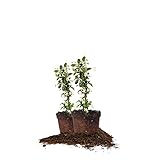
- 🌱 live Confederate Jasmine is a beautifully-fragrant, Jasmine vine that comes with easy to use plant food
- 💚 This plant features cascading lime-green foliage with pale, pinwheel flowers that release a heavy spring aroma
- 🌞 Jasmine plants love the sun and would enjoy a spot in the landscape that receives full sun and partial shade throughout the day
- 🌳 mature Height: 10-12ft | mature width: 4Ft, Confederate Jasmine is easy to manipulate with garden steaks, garden wire, or plant clips
- 💪 This hardy vine is easy to shape along fence-lines, Trellises, mailboxes, benches, walls, decks, gazebos, and hand-rails
One important naming trap: “Cape jasmine” usually means gardenia (Gardenia jasminoides), not a true jasmine. Gardenia has different care requirements and should not be treated as interchangeable with Jasminum.
When buying a live jasmine plant, confirm the botanical name, mature size, expected flowering season, shipping region, and cold tolerance rather than relying on the common name alone.
Match jasmine to your climate
The 2023 USDA Plant Hardiness Zone Map is a useful starting point for gardeners in the United States. It is based on average annual extreme minimum temperatures from 1991–2020, not on the coldest temperature that could ever occur. A zone therefore indicates probability, not a guarantee.
Do these 3 things before closing this tab:
1Repair Windows errors before they cause bigger problems2Fix the driver behind crashes, sound loss and screen glitches3Clear out junk files and repair common Windows errorsFrost pockets, elevation, wind exposure, reflected heat, proximity to buildings, soil moisture, and unusual cold events can all make a planting site warmer or colder than the mapped zone suggests. A jasmine that survives in one garden may fail only a few miles away if it is exposed to wind or sits in a low, cold pocket.
- Common jasmine: best treated as an outdoor perennial in relatively mild climates. It is cold-sensitive beyond approximately USDA Zone 7 and is often better grown in a container in colder regions so it can be protected or moved indoors.
- Star jasmine: prefers a warm, sheltered position. It may need winter protection in frost-prone areas, particularly when young or grown in an exposed container.
- Winter jasmine: is the most useful choice when winter color and cold tolerance matter more than fragrance.
- Chinese jasmine: should be grown indoors or in a heated or protected structure when temperatures fall. Move it indoors before nights regularly drop below approximately 55–59°F (13–15°C).
If you are uncertain, grow a tender jasmine in a container for at least its first winter. That gives you a practical way to test the plant’s performance without committing it to a permanent exposed location.
Pick a sunny, sheltered planting site
Most fragrant jasmine flowers best in full sun or light partial shade. More light generally means stronger flowering and fragrance, although a little afternoon shade can be helpful in very hot climates. Deep shade commonly produces weak, leafy growth and few flowers.
The best site combines:
- Bright light: aim for full sun or light shade rather than a deeply shaded position.
- Free drainage: jasmine prefers fertile soil that does not remain saturated after rain or watering.
- Shelter: protect summer-flowering and evergreen types from harsh wind and severe frost. A wall can provide useful shelter, but do not place the plant where roof runoff keeps the soil waterlogged.
- Room for roots and shoots: common jasmine can become very vigorous, while star jasmine needs space to spread across its support.
- A strong support: install a trellis, wires, or another suitable support before the climber becomes large.
- Close proximity to people: place fragrant types beside a path, doorway, patio, porch, or seating area so the scent can be enjoyed. A highly fragrant plant at the far end of a large yard may go unnoticed.
For common jasmine or star jasmine, choose a sturdy jasmine trellis or wall-mounted support with enough capacity for mature growth. Avoid relying on a fragile decorative frame that may pull away from the wall as the plant thickens.
When to plant jasmine
Plant summer jasmine in spring or autumn when local conditions are mild and the soil is workable. Winter jasmine is commonly planted in autumn or winter, provided the ground is not frozen or waterlogged. Container-grown plants can be planted into a border or shifted into a larger container at a suitable time.
In cold regions, spring planting gives tender or half-hardy jasmine a longer season to establish roots before winter. Avoid planting immediately before a forecast freeze, during a heatwave, or when the soil is saturated.
How to plant jasmine in the ground
- Water the plant first. If the nursery root ball is dry, soak it thoroughly before planting.
- Prepare the hole. Dig at least as wide as the root ball and no deeper than the existing planting depth. Jasmine should not be planted with the stem base buried.
- Check drainage. If the hole quickly fills with standing water or the soil is heavy clay, improve the site, plant on a slight raised mound, or use a container with a free-draining medium instead.
- Position the plant. Set it so the top of the root ball is level with the surrounding soil. Do not bury the crown or woody stem base.
- Backfill carefully. Use the excavated soil, firming it gently to remove major air pockets without compacting the ground.
- Water deeply. Saturate the root zone immediately after planting so the soil settles around the roots.
- Attach young stems. Tie stems loosely to the support until they begin to twine or can be trained across it. soft ties are less likely to cut into growing shoots.
- Mulch the root zone. Apply organic mulch to conserve moisture and moderate soil temperature, but leave approximately 3 inches (7.5 cm) clear around the stems. Mulch touching the base can encourage stem rot.
Watering jasmine without causing root problems
Water newly planted jasmine regularly for at least the first year while its roots establish. The exact schedule depends on soil, rainfall, temperature, wind, and plant size. Check the soil rather than following an unchanging calendar.
Rank #2

- ‘August Beauty’ is one of many popular perennial bushes and flowering shrubs near a privacy fence, raised garden bed, hedge wall, outdoor privacy wall, and flower box or flower bed. Each order includes 1 hand selected plant in a 1-gallon nursery pot.
- These evergreen shrubs boast dark-green foliage and produce stunning gardenia flowers. You can look forward to cuttings from your jasmine plants as indoor flowers in a decorative vase next to planters for indoor plants and flower pots.
- Grow these perennial plants within landscape edging, alongside outdoor garden decor, in flower bed edging, in garden edging, near other flowers and plants, and more. These blossoming, real plants are also excellent gardening gifts for plant lovers.
- Order our fully rooted, live plants for delivery prime today to have landscaping plants, evergreen shrubs, spring flowers, privacy plants, succulents, live cactus, hanging plants, popular indoor plants, and more shipped to you.
- Plants and animals make everything better, from simply raising our spirits to enriching our everyday lives. That’s why a portion of every Plants for Pets purchase is directed to our mission to help place shelter animals in happy homes.
- In-ground plants: once established, usually need additional irrigation mainly during prolonged summer dryness.
- Container plants: need more consistent attention during active growth because their root volume and water reserves are limited.
- Houseplants and greenhouse plants: need regular watering while actively growing, but substantially less in winter.
Water thoroughly, then allow excess water to drain. Do not leave a container standing in a saucer of water. Yellow leaves, persistently wet compost, a sour-smelling root zone, and declining growth can indicate overwatering or poor drainage rather than a need for more fertilizer.
What’s actually slowing this PC down?
Pick the symptom - the matching free tool is one click away.
Star jasmine is particularly vulnerable to root problems in heavy, damp soil. If the ground stays wet, moving the plant to a better-drained site or a container is safer than repeatedly adding water or fertilizer.
Feeding jasmine for flowers
In-ground jasmine generally does not need routine fertilizer if the soil is reasonably fertile and receives an annual layer of organic mulch. Excessive feeding, particularly with high-nitrogen fertilizer, can promote leaves and shoots at the expense of flowers.
Container-grown plants have a smaller supply of nutrients and may benefit from a high-potassium liquid feed during active growth. Follow the product label and do not feed a stressed, drought-dry, waterlogged, or dormant plant. Correct drainage and watering first.
Train jasmine while it is young
Install support before planting or before the plant becomes large. Training is easier when stems are flexible, and early guidance prevents the plant from forming one congested bundle at the base.
Guide young stems outward as well as upward. Spreading flowering shoots across a trellis or wires exposes more foliage to light and distributes flowers over a larger area. Tie stems loosely, leaving room for growth, and check ties periodically so they do not constrict the branches.
Common jasmine can become a vigorous climber and may need a substantial structure. Star jasmine grows more slowly but still needs wires, a trellis, or another surface to climb effectively. Winter jasmine is more naturally scrambling and may be allowed to spill over a bank or wall, trained against a structure, or used as ground cover.
Prune according to the jasmine type
Pruning at the wrong time is one of the most common reasons a jasmine produces plenty of foliage but few flowers. Identify the species and understand whether it flowers on old or new growth before cutting.
Summer-flowering true jasmine
Prune common or poet’s jasmine immediately after flowering, generally in late summer or early autumn. Cut flowered stems back to a strong side shoot, and remove weak, damaged, congested, or wayward growth. This timing allows replacement growth to mature before the next flowering season.
Free tools Windows power users keep installed
One-click scans. No signup required.
Rank #3
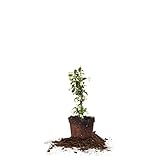
- 🌱 live Confederate Jasmine is a beautifully-fragrant, Jasmine vine incredibly easy to grow and maintain
- 💚 This plant features cascading lime-green foliage with pale, pinwheel flowers that release a heavy spring aroma
- 🌞 Jasmine plants love the sun and would enjoy a spot in the landscape that receives full sun and partial shade throughout the day
- 🌳 mature Height: 10-12ft | mature width: 4Ft, Confederate Jasmine is easy to manipulate with garden steaks, garden wire, or plant clips
- 💪 This hardy vine is easy to shape along fence-lines, Trellises, mailboxes, benches, walls, decks, gazebos, and hand-rails
Severely overgrown plants can be renovated by cutting them back to approximately 2 feet (60 cm) from the base, but this is a recovery measure, not an annual pruning routine. Normal flowering may take two or three years to return after such a drastic cutback.
Star jasmine
Star jasmine usually needs only light pruning. In spring, thin congested, weak, or damaged shoots and guide new stems with soft ties. If a plant has become badly overgrown, shoots can be cut back substantially and excess new growth thinned as it develops.
Winter jasmine
Prune winter jasmine in spring, immediately after flowering. It flowers on the previous year’s growth, so cutting it hard later in the year can remove the stems that would have carried the next display.
Before any substantial pruning, inspect the plant for active bird nests. In the United Kingdom, the principal nesting period is commonly treated as early March through the end of July, although birds may nest outside those dates. In the United States and elsewhere, follow local wildlife protections and assess the actual conditions rather than copying a calendar from another country.
Outdated Drivers Are Slowing You Down
One free scan finds every outdated or missing driver and matches the right update for your exact hardware.Free scan · exact hardware matchWindows Errors? Fix Them Before They Spread
Repair common Windows errors and clear accumulated junk for a smoother, more stable PC - no reinstall needed.Free scan · no reinstallUse clean pruning shears for thin stems and shoots, making sharp cuts rather than crushing the wood. Disinfect tools between plants if you are removing diseased material.
Growing jasmine in containers
Containers are especially useful for Chinese jasmine, colder climates, patios, balconies, and gardeners who need to move a plant into shelter for winter.
Choose a pot with drainage holes and a free-draining growing medium. Container size and drainage matter more than decorative style. The pot should be stable enough for the plant and its support, but avoid moving a very large container unless you have planned for its weight.
- Install a small trellis or support at planting time.
- Water consistently during active growth, but allow excess water to drain fully.
- Do not let the container stand in water.
- Feed container plants only during active growth and according to the fertilizer label.
- Move tender types indoors or into a protected structure before cold nights arrive. For Chinese jasmine, protection is advisable before temperatures fall below approximately 55–59°F (13–15°C).
- Give overwintered plants bright light and reduce watering during winter dormancy or slow growth.
There is no universal repotting timetable. Repot or refresh the upper growing medium when the plant is clearly root-bound, dries unusually quickly, becomes unstable, or has exhausted the growing medium. The appropriate interval varies with container size, plant vigor, climate, and growing conditions.
The Tool Desk
Outbyte PC Repair FREERepair Windows errors before they cause bigger problemsFix Now →Outbyte Driver Updater FREEFix the driver behind crashes, sound loss and screen glitchesFind Drivers →Propagate jasmine from cuttings or layering
Jasmine can be propagated by layering or cuttings. Layering is often the most accessible method for home gardeners because the new plant remains attached to the parent while roots form.
Simple layering
- Select a flexible, healthy stem that can be bent to the soil or to a nearby container.
- Lightly wound a small section of the stem, or remove a very thin strip of outer bark, without severing the stem.
- Pin the wounded section into moist, free-draining growing medium.
- Keep the medium evenly moist, not saturated.
- Wait until the layered section has formed a useful root system before separating it from the parent.
- Pot or transplant the rooted section carefully and protect it while it establishes.
Rooting time varies with species, temperature, humidity, stem maturity, and growing conditions, so do not expect every layer to root on a fixed schedule.
Rank #4
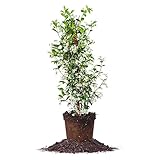
- 🌱 live Confederate Jasmine is a beautifully-fragrant, Jasmine vine that comes with easy to use plant food
- 💚 This plant features cascading lime-green foliage with pale, pinwheel flowers that release a heavy spring aroma
- 🌞 Jasmine plants love the sun and would enjoy a spot in the landscape that receives full sun and partial shade throughout the day
- 🌳 mature Height: 10-12ft | mature width: 4Ft, Confederate Jasmine is easy to manipulate with garden steaks, garden wire, or plant clips
- 💪 This hardy vine is easy to shape along fence-lines, Trellises, mailboxes, benches, walls, decks, gazebos, and hand-rails
Cuttings
Outdoor jasmines are commonly propagated from hardwood cuttings taken in winter. Tender and greenhouse-grown jasmines generally respond better to internodal softwood or semi-ripe cuttings taken in spring or summer. Star jasmine is often propagated by layering in spring or by semi-ripe cuttings in summer and autumn.
Collected seed is uncommon or unreliable for star jasmine in many garden conditions because fruit and seed production may be rare. Cuttings or layering usually provide a more practical route to a new plant.
Diagnose poor flowering, yellow leaves, and weak growth
Few or no flowers
Check the following possibilities rather than assuming there is one universal cause:
- Too little light, especially deep shade.
- Excessive nitrogen fertilizer producing leaves instead of flowers.
- A young or immature plant that has not reached flowering size.
- Pruning at the wrong time and removing flower-bearing wood.
- Cold damage or a difficult winter.
- The wrong species for the expected season—for example, winter jasmine is chosen for fragrance even though its flowers are generally unscented.
Begin by checking light, drainage, and pruning timing. These are often easier to correct than fertilizer problems and are central to jasmine’s flowering performance.
Yellow leaves
Yellowing can result from overwatering, poor drainage, root damage, nutrient problems, cold stress, or normal aging of individual leaves. First check how wet the root zone is and whether water can escape. Do not add fertilizer until you have ruled out saturated soil, particularly for container-grown star jasmine.
Straggly or congested growth
Train young stems early and distribute them across the support. Prune summer-flowering true jasmine after flowering, while giving star jasmine only the light maintenance pruning it normally needs. A plant that has been allowed to grow as a tangled mass may need staged renovation rather than one indiscriminate cut.
Recommended Free Tools
Pests
Aphids, scale insects, mealybugs, spider mites, and whitefly can occur. Spider mites and whitefly are especially common possibilities in protected growing environments. Inspect the undersides of leaves, new shoots, leaf joints, and stems. Use the least-disruptive control appropriate for the pest, and follow the product label, including instructions about plant safety and pollinators.
Cold injury
Tender and half-hardy jasmine may suffer blackened foliage, dieback, split stems, or complete collapse after freezing weather. A hardiness-zone map does not eliminate the risk of an exceptional freeze. Protect plants with a sheltered wall, root-zone mulch, frost protection, or container mobility, and move tender plants indoors before cold nights arrive.
Best Value

- USDA Zones 9 to 11
- Blooming Season: Spring to fall
- Soil and Water: Prefers well-draining soil. Water regularly
- Light: Full sun to partial shade
- Ideal temperatures are between 65 degrees Fahrenheit and 90 degrees Fahrenheit
A practical jasmine-growing checklist
- Confirm the botanical name before purchase.
- Choose summer fragrance, winter color, evergreen foliage, or indoor growth according to your actual priority.
- Check local hardiness and identify frost pockets or exposed locations.
- Select full sun or light shade with free-draining soil.
- Install a sturdy support before a climbing plant becomes large.
- Plant with the top of the root ball level with the soil surface.
- Water regularly during the first year, then mainly during prolonged dry periods once established.
- Keep mulch away from the stems.
- Feed container plants during active growth only when needed.
- Prune summer jasmine after flowering, star jasmine lightly in spring, and winter jasmine immediately after flowering.
- Inspect for bird nests before pruning.
- Move tender Chinese jasmine indoors before nights fall below approximately 55–59°F (13–15°C).
Frequently Asked Questions
Which jasmine has the strongest fragrance?
Common or poet’s jasmine (Jasminum officinale) and star jasmine (Trachelospermum jasminoides) are reliable choices for fragrant outdoor summer flowers. Chinese jasmine (Jasminum polyanthum) is also highly fragrant but is tender and usually needs indoor or protected growing. Winter jasmine is generally grown for yellow winter flowers rather than scent.
Can jasmine grow in pots?
Yes. Containers are particularly useful for tender jasmine and for gardeners in cold climates who need to move plants indoors or into shelter. Use a pot with drainage holes, free-draining growing medium, and a support for climbing types. Container plants need more consistent watering during active growth than established in-ground plants.
Why is my jasmine not flowering?
Possible causes include insufficient light, excessive nitrogen, an immature plant, cold damage, or pruning at the wrong time. Also check that you have a fragrant species: winter jasmine has yellow flowers that are generally unscented. Confirm the species’ flowering season before changing the care routine.
When should jasmine be pruned?
Prune summer-flowering true jasmine immediately after flowering, generally in late summer or early autumn. Prune star jasmine lightly in spring. Prune winter jasmine immediately after its spring flowering because it blooms on the previous year’s growth.
Is star jasmine a true jasmine?
No. Star jasmine is Trachelospermum jasminoides, a different genus. It is commonly called jasmine because its white summer flowers are strongly jasmine-scented and it is grown in a similar way as a climbing ornamental.
Is Cape jasmine the same as jasmine?
No. Cape jasmine usually refers to gardenia, Gardenia jasminoides. Gardenia is not a true jasmine and has different cultural requirements.
The Bottom Line
Jasmine succeeds when the plant is matched to the climate and given the right combination of light, drainage, support, water, and pruning. For summer fragrance, choose common jasmine or star jasmine; for winter color, choose winter jasmine; for indoor fragrance, choose a tender type such as Chinese jasmine. The botanical name matters more than the word “jasmine” on the front of the label.
Quick Recap
Product prices and availability are accurate as of the date/time indicated and are subject to change. Any price and availability information displayed on Amazon at the time of purchase will apply.

