Recommended Free Tools
Plant foxglove in partial or dappled shade, in fertile soil that stays evenly moist but drains freely. Press the seed onto the soil surface or cover it only very lightly, because foxglove seed needs light or shallow placement. Traditional common foxglove (Digitalis purpurea) usually forms a leafy rosette in its first year and flowers in its second; some modern hybrids are selected to flower during their first year.
Before choosing a site, note the most important safety fact: every part of foxglove is poisonous if swallowed. Do not grow it where children or pets can readily reach it, and never use it in food, tea, tinctures, or homemade medicine.
As an Amazon Associate I earn from qualifying purchases.
Identify your foxglove before planting
“Foxglove” usually means a plant in the genus Digitalis, but different species and cultivars do not all have the same hardiness, height, or flowering schedule. Check the seed packet or plant label before deciding when to sow or whether a plant will survive winter.
Common foxglove, Digitalis purpurea, is generally a biennial or short-lived perennial. Traditional forms commonly produce a basal rosette of leaves during the first growing season, flower on tall stems in the following spring or early summer, then decline after setting seed. Common foxglove is often listed as hardy in USDA Zones 4–8, but the hardiness of a particular cultivar or species may differ.
#1 Best Overall

- 🌱 Seed Prep for Better Germination: Cold stratify foxglove seeds by placing them in a moist paper towel or sand and refrigerating for 7-14 days. Sow seeds on the soil surface and press lightly without covering, as foxglove seeds require light to germinate.
- 🌸 Tall Biennial Blooms – Foxglove plants grow 2.5-5 ft tall with bell-shaped flowers in pink and white shades.
- 🐝 Pollinator Friendly – Attracts hummingbirds, bees, and butterflies to cottage gardens and woodland borders.
- 🌿 Easy to Grow – Cold stratify for best results. Thrives in partial shade with moist, well-drained soil.
- ♻ Self-Seeding Plants – Once established, foxglove reseeds naturally and requires minimal maintenance.
Plants commonly reach about 2–5 feet, with some varieties growing taller. The tubular flowers attract bees, hummingbirds, and other pollinators, but foxglove is not an edible or medicinal herb.
Choose the right site
Light
Partial shade or dappled shade is the safest general choice, especially in hot climates. Foxglove can tolerate full sun where the soil remains reliably moist and summer temperatures are not excessively hot. Morning sun with afternoon shade is often a useful arrangement.
Soil and drainage
Prepare fertile soil enriched with organic matter that holds moisture without becoming waterlogged. Foxglove dislikes soil that dries rapidly, but saturated ground—particularly during winter—can encourage crown and root problems. If water stands after rain, improve drainage or choose another location rather than simply watering less.
Do these 3 things before closing this tab:
1Scan for outdated or missing drivers - takes under a minute2Clear out junk files and repair common Windows errors3Fix the driver behind crashes, sound loss and screen glitchesShelter and spacing
Choose a sheltered position near a wall, fence, shrub border, or other windbreak. Tall flower spikes can be damaged by strong winds, although the site should still have enough air movement to reduce prolonged leaf wetness.
Space plants about 18–24 inches apart, or follow the mature spacing on the label for an unusually large or compact cultivar. Adequate spacing is especially important in rich soil, where crowded plants can become tall and difficult to support.
Rank #2

- EXCELSIOR FOXGLOVE - MONUMENTAL GOTHIC SPIRES WITH GRAPHIC SPOTTED THROATS - MAXIMUM VERTICAL OF MEGA-DECORATIVE DECORATIONS. FLORAL BELL TOWERS OF VICTORIAN GARDENS. Flawless chemical-free, non-GMO heirloom seeds from an American brand. Certified for parameters of genetic stability, freshness, germination, viability. Comfort zone for zones 3-9.
- ARCHITECTURAL DARING. Vertical towers up to 6 feet tall + volumetric contrasting graphics of nature in HD quality + horizontal orientation of tightly packed bells + blooming of colossal strength lasting for months + spotted trap-throat + magnetic attractiveness to bumblebees + shade tolerance - qualities of a premium variety. A status symbol of a prize-winner belonging to the garden elite.
- DUSTED FRESCOES CAME ALIVE AND GREW. Victorian icon of garden design. Gothic columns painted from the inside with natural dot graphics. Displayed open throats produce a mass impression effect. Concentrate of decorativeness in vertical format. Apex point - a continuous trail of dozens of bells.
- HORIZONTAL ORIENTATION AGAINST GRAVITY. Up to 80 inflorescences on a single spire are arranged in a spiral around the stem. The bells are oriented perpendicular to the stem - a 90-degree turn shows them in all their glory. Blooming proceeds sequentially from bottom to top by a slow escalator - continuous decorativeness.
- SPOTTED ESSENCE. Effect of theatrical presentation - a hypnotic spectacle inside each bell with a diameter of 3 inches - a widely open throat with a spotted trap-throat. The throat is strewn with contrasting freckled spots forming a dotted path to the nectary. Tactile pubescent texture for guiding the bumblebee inside.
When to plant foxglove
Your timing depends on the cultivar and climate. Use local frost dates and the instructions on the seed packet as the final authority.
| Time | What to do | What to expect |
|---|---|---|
| Late winter | Start seed indoors 8–10 weeks before the average last frost. | Seedlings need bright light as soon as they emerge. |
| Spring | Direct-sow after the danger of frost, or transplant hardened-off seedlings and nursery plants. | Traditional types usually form rosettes rather than flower immediately. |
| Summer | In many climates, sow biennial foxglove for flowers the following year. | Keep young plants watered during hot, dry weather. |
| Late summer or fall | Sow in mild climates where seedlings can overwinter safely. | Plants may establish overwintering rosettes before spring growth. |
| Following spring or early summer | Stake tall varieties and decide whether to deadhead or allow reseeding. | Traditional biennials commonly flower during this period. |
Some first-year-flowering hybrids, including certain Camelot and Dalmatian selections, are sold as first-year flowering plants. Depending on the cultivar and climate, they may be treated as hardy annuals or tender perennials. Choose one specifically described as first-year flowering if you do not want to wait for a traditional biennial cycle.
How to grow foxglove from seed
Direct sowing outdoors
- Prepare the bed. Remove weeds and rake the soil into a fine, level seedbed. Mix in organic matter if the soil is poor, compacted, or quick to dry, but do not create a waterlogged planting pocket.
- Sow at the right time. In spring, sow about one to two weeks after the average last frost date, once severe frost has passed. In suitable mild climates, sow in late summer or fall.
- Place the seed shallowly. Press seed onto the soil surface or cover it with only a very thin layer of growing medium. Do not bury it deeply.
- Water gently. Use a fine spray or a gentle watering can so the seed is not displaced.
- Keep the surface evenly moist. Do not allow the seedbed to dry out during germination, but do not leave it saturated.
- Wait for emergence. Under suitable conditions, seedlings commonly appear in approximately 14–21 days. Actual timing varies with cultivar, seed freshness, temperature, moisture, and light.
- Thin or transplant. Once seedlings are large enough to handle, thin or move them to approximately 18–24 inches apart.
Traditional foxglove may produce only a low rosette during the first season. That is normal and does not necessarily indicate failed germination.
Starting seed indoors
- Fill clean trays or small pots with a sterile seed-starting medium.
- Sow the seed on the surface or barely cover it.
- Provide a germination temperature of roughly 60–65°F.
- Give seedlings bright light immediately after emergence.
- Keep the medium evenly moist, never saturated.
- Harden plants off gradually before moving them outdoors after severe frost has passed.
Foxglove seedlings can resemble other seedlings when they are small. Label every tray clearly, particularly when growing several cultivars. Keep seed, trays, spent leaves, and seedlings away from children and pets, and wash your hands after handling them.
Useful basic supplies include foxglove seeds, a sterile seed-starting medium, clean seed trays, labels, and a gentle watering tool. Choose seed identified by the seller as the species or cultivar you want; a first-year hybrid and traditional D. purpurea will not necessarily perform alike.
Planting nursery-grown foxglove
Plant young foxgloves in spring or fall when temperatures are moderate. Water the plant in its container before planting, then slide it out carefully and loosen circling roots if needed. Set it at the same depth at which it was growing; planting too deeply can contribute to crown problems.
Rank #3
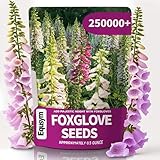
- Massive Garden Coverage: With over 250,000 foxglove seeds, this bulk pack is perfect for creating a stunning floral display across borders, planting beds, or large gardening areas, offering a rich mix of color and height
- Tall Vertical Blooms: Grow spectacular plants reaching up to 5 feet, ideal for creating dramatic flower spires in perennial beds, fences, and cottage-style gardens that captivate in late spring and early summer
- Attracts Essential Pollinators: Highly appealing to bees, butterflies, and hummingbirds, these foxglove flowers enhance the liveliness of any live garden while supporting seasonal garden interest
- Easy to Grow for All Levels: Germinates in 14–21 days at 60–70°F. Simply sow in rich soil with light cover and water until established—perfect for any home gardening enthusiast or beginner grower
- Climate-Resilient & Region Friendly: Thrives in USDA Zones 4–9. Designed for planting in well-drained soil with good sunlight. Ideal for backyard gardening, raised beds, or landscaping projects
- Prepare a hole slightly wider than the root ball.
- Set the plant with its crown at the original soil level.
- Backfill with amended native soil rather than filling the hole with a sharply different, poorly draining mix.
- Water thoroughly to settle the soil around the roots.
- Maintain consistent moisture while the plant establishes.
Small plug plants may need to remain in pots temporarily if winter is severe or the cultivar is tender. A mature flowering plant provides the fastest color, but it may already be near the end of its display and may decline after flowering. It should not be expected to behave like a newly sown first-year seedling.
Watering, mulch, and feeding
Water deeply when the upper soil begins to dry. Aim for steady moisture rather than frequent, shallow sprinkling. Young seedlings and plants forming flower stalks are particularly vulnerable to drying out.
A layer of mulch can moderate soil moisture and temperature. Keep mulch around, not directly against, the crown. Avoid creating a persistently wet, airless layer around the plant.
Foxglove generally needs fertile or organically rich soil rather than a special heavy-feeding program. If growth is weak, check light, drainage, moisture, root competition, and crowding before adding fertilizer. Excess fertilizer can encourage soft, top-heavy growth and does not correct a site that is too dry or waterlogged.
Windows Errors? Fix Them Before They Spread
Repair common Windows errors and clear accumulated junk for a smoother, more stable PC - no reinstall needed.Free scan · no reinstallCrashes, No Sound, or Screen Glitches?
Random freezes, missing sound and display glitches usually trace back to one bad driver. Find and replace yours safely.Free scan · under a minuteSupporting and deadheading foxglove
Install a discreet stake or support early if the site is exposed or the cultivar produces tall spikes. Supporting a stem before it leans is easier than trying to straighten it after wind or rain has bent it.
Remove individual spent flowers or cut off finished spikes if you want a tidier border or fewer seedlings. If you want foxglove to naturalize, leave selected spikes until their seed capsules mature and release seed. A useful compromise is to remove most spent spikes while leaving one or two strong stems to reseed.
Rank #4

- LARGE 1/2 OUNCE PACKET: Embark on a wildflower journey with our generous 0.5 ounce packet, bursting with over 125,000 pure live seeds! Transform 2,000 square feet into a vibrant haven for nature.
- FOXGLOVE MIXED COLORS: Add height and elegance to your garden with Foxglove Mixed Colors! These towering spires of bell-shaped flowers come in a variety of soft pastels, from pinks and purples to creams and yellows. Perfect for cottage-style gardens, they attract pollinators like bees and hummingbirds. These biennials bloom in their second year, rewarding your patience with dramatic, colorful displays that light up your garden spaces.
- THE FRESHEST SEEDS: Elevate your gardening game with our freshest seeds, ensuring high germination rates. Make gardening a joy, where success sprouts effortlessly and blooms into a kaleidoscope of colors.
- PREMIUM GIFTABLE PACKAGING: Unwrap gardening delight with our premium seed packaging. Tailored for optimal storage, complete with planting instructions and a reusable zipper – a thoughtful gift for any nature-loving enthusiast.
- GUARANTEED TO GROW: Plant with confidence! We stand by our seeds. If they don't germinate, we'll refund you within 30 days, no questions asked. Sweet Yards guarantees a worry-free and flourishing garden.
Seed capsules can release seed progressively as lower flowers mature. If you are trying to preserve a named cultivar or prevent foxglove from spreading, remove the spikes before capsules open and discard the material carefully. Do not place unwanted seed heads where they can mature in compost used for edible crops.
Understanding the first- and second-year cycle
A traditional biennial foxglove garden needs more than one generation of plants if you want flowers every year. While this year’s plants flower, the next generation should be forming small rosettes nearby or in a nursery bed.
- Year one: germination and development of a basal leaf rosette.
- Year two: emergence of a tall flower spike, flowering, seed production, and decline of many traditional plants.
- Every year: sow or plant a replacement generation, or allow selected plants to self-sow.
If a plant flowers in its first year, check its label before assuming all foxgloves will do the same. First-year hybrids have been selected for a different schedule.
Independent reader supportYour contribution helps us test, update, and keep practical guides available for everyone.Growing foxglove in containers
Foxglove can grow in a large container if the pot has drainage holes and the medium holds moisture without becoming soggy. Place it where tall stems are protected from wind, and choose a shorter cultivar for better stability.
Containers dry and freeze faster than garden soil, so check moisture more often during hot weather and protect the pot when local winter conditions are severe. Do not place a container where children or pets can easily reach the plant, fallen leaves, or seed capsules.
Best Value

- Tall Cottage Garden Bloom: Foxglove excelsior mix seeds grow elegant foxglove flower spikes reaching up to 47 inches tall, producing pastel tubular blooms from spring through summer, perfect for dramatic vertical interest in cottage style garden flowers.
- Perfect for Shaded Gardens: Foxglove seeds for planting thrive in full sun to partial shade and moist soil. These classic foxgloves perform beautifully in woodland beds, borders, and container gardens where many flower seeds struggle.
- Pollinator Friendly Flowers: Foxglove heirloom seeds attract bees, butterflies, and hummingbirds, making these foxglove plants an excellent addition to pollinator gardens and wildlife landscapes while producing striking cut flowers stems.
- Easy Biennial to Grow: Foxgloves seeds germinate in 14–21 days when surface sown with light. Plant these seeds for planting flowers 1/16–1/8 inch deep and space 6–12 inches apart for healthy upright plants with clumping growth habit.
- Versatile Garden Flower: These foxglove flowers seeds for planting outdoors produce long lasting cut flowers ideal for flower bouquet and cottage garden arrangements. Suitable for borders, containers, and shaded outdoor garden landscapes.
Common problems and practical responses
| Problem | Likely contributors | First response |
|---|---|---|
| Aphids | Soft new growth and stressed or crowded plants. | Rinse with a strong but non-damaging water spray and encourage natural enemies. Treat only if damage is significant. |
| Slugs | Cool, damp conditions and heavy mulch. | Reduce hiding places, inspect at night, and avoid keeping mulch directly against crowns. |
| Powdery mildew, downy mildew, or leaf spot | Persistent leaf wetness, poor air circulation, or crowding. | Increase spacing and air movement, avoid prolonged overhead watering, and remove badly affected leaves. |
| Chewed leaves | Slugs, beetles, or other pests. | Identify the cause first. Minor damage may not justify treatment. |
| Soft or collapsing crown | Waterlogged soil or poor drainage. | Correct drainage and avoid stagnant water. Severely affected plants may not recover. |
| Weak, leaning growth | Insufficient light, excessive moisture or fertility, crowding, or wind. | Improve the site where possible and add support before the spike bends. |
Identify a pest or disease before using a pesticide, and follow the product label for the crop and planting site. Cultural corrections—spacing, drainage, watering practice, and sanitation—are the best first steps in most home gardens.
Foxglove safety: protect people and pets
All parts of foxglove are poisonous if swallowed, including leaves, flowers, seeds, roots, and other plant material. Foxglove contains cardiac glycosides related to digitalis. Ingestion can cause vomiting, diarrhea, weakness, a slow or irregular heartbeat, cardiac failure, and death.
- Wear gardening gloves when handling plants, seed, or spent stems, then wash your hands.
- Never use foxglove in salads, teas, tinctures, or homemade medicines.
- Do not plant it in children’s play areas or in yards where dogs, cats, horses, or other pets can readily reach it.
- Remove dropped leaves and seed capsules from paths and play areas.
- Keep harvested stems and plant waste away from food-preparation areas and compost intended for edible crops.
Gloves reduce handling exposure and contamination; they do not make foxglove safe to eat. If a person may have swallowed foxglove in the United States, do not induce vomiting. Contact Poison Control at 1-800-222-1222 or seek emergency medical help as directed. If a pet may have eaten any part of the plant, contact a veterinarian or animal poison-control service promptly.
A compact planting and care checklist
- Correctly identified Digitalis seed or a labeled nursery plant
- Partial or dappled shade, particularly in hot climates
- Fertile, organic-matter-rich soil with reliable drainage
- 18–24 inches of spacing, adjusted for the cultivar
- Clean seed trays and sterile medium for indoor sowing
- Plant labels, especially for young seedlings
- A gentle watering method to avoid washing away surface-sown seed
- Mulch kept away from the crown
- Early support for tall spikes in windy locations
- Gloves and a planting location inaccessible to children and pets
Choose the method that matches your goal
| Your goal | Best approach | Trade-off |
|---|---|---|
| Fastest flowers | Buy a mature flowering plant. | It may already be near the end of its bloom cycle. |
| Lowest cost or broadest choice | Grow from seed. | Traditional forms commonly require a second season to flower. |
| Flowers in the first year | Choose a cultivar explicitly described as first-year flowering. | Winter survival and final height vary by selection and climate. |
| A naturalized cottage-garden effect | Leave some seed capsules to mature. | Seedlings may appear outside the intended bed and may not come true to type. |
| A controlled formal border | Use a named cultivar and deadhead promptly. | Requires removing unwanted seedlings and spent spikes. |
| A child- or pet-accessible yard | Choose a non-toxic alternative instead of foxglove. | Foxglove should not be grown where access cannot be controlled. |
Frequently Asked Questions
Does foxglove bloom in its first year?
Traditional common foxglove usually forms a leafy rosette in its first year and flowers in the second. Some modern hybrids and named selections are bred to flower during their first year, so check the seed packet or plant label.
Should foxglove seed be covered?
Only barely. Press seed onto the soil surface or cover it very lightly because foxglove seed needs light or shallow placement. Keep the surface evenly moist until seedlings emerge.
What’s actually slowing this PC down?
Pick the symptom - the matching free tool is one click away.
Can foxglove grow in full sun?
It can in climates where the soil remains reliably moist and summers are not excessively hot. Partial or dappled shade is generally more dependable, particularly in hot regions.
Is foxglove safe around dogs, cats, or children?
No. All parts are poisonous if swallowed, and ASPCA lists foxglove as toxic to dogs, cats, and horses. Do not grow it where children or pets can readily reach it.
The Bottom Line
For dependable foxglove, give it partial shade, fertile well-drained soil, steady moisture, and room for its tall spikes. Sow seed shallowly and plan around the cultivar’s life cycle: traditional Digitalis purpurea usually flowers in its second year, while selected hybrids may flower sooner. Treat every part of the plant as poisonous and choose a different flower for areas accessible to children or pets.
Quick Recap
Product prices and availability are accurate as of the date/time indicated and are subject to change. Any price and availability information displayed on Amazon at the time of purchase will apply.
The Tool Desk
Outbyte PC Repair FREERepair Windows errors before they cause bigger problemsFix Now →Outbyte Driver Updater FREEScan for outdated or missing drivers - takes under a minuteDriver Scan →



