Quick wins for a faster PC:
Repair Windows errors before they cause bigger problemsFix Now →Scan for outdated or missing drivers - takes under a minuteDriver Scan →Some links on this page are affiliate links: if you buy through them we may earn a commission, at no extra cost to you.
Alstroemeria grows best when three things are right: free-draining soil, a warm and sheltered position, and gentle handling of its brittle roots. Plant it in spring or autumn, water consistently while it establishes, support tall stems, and remove each finished flower stem at its base to encourage more blooms. In cold or very wet climates, growing it in a container is often safer than repeatedly lifting the plant for winter.
What is alstroemeria?
Alstroemeria, also called Peruvian lily, lily-of-the-Incas, parrot lily, or princess lily, is a fleshy-rooted herbaceous perennial native to South America. Despite its common name, it is not a true lily.
As an Amazon Associate I earn from qualifying purchases.
Recommended Free Tools
It forms clumps of upright leafy stems topped with funnel-shaped flowers. Blooms may be marked with contrasting spots, streaks, or blotches, and flowering commonly continues from early summer into autumn, depending on the cultivar and climate. Many plants die back or become dormant in winter before regrowing in spring.
Size varies considerably. Compact cultivars can work well in containers, while taller types may reach about 1 m or more and are particularly useful as cut flowers. Check the plant label for mature height and spread before choosing a location.
Popular on Amazon

- OUTDOOR POTTING SOIL: Miracle-Gro Organic Outdoor Potting Mix contains a quick-release natural plant fertilizer and also feeds plants for up to 2 months
- PEAT MOSS: This organic potting soil mix is made with responsibly sourced peat (one hundred percent of peat sourced from certified producers)
- OUTDOOR CONTAINER USE: Use this organic potting mix with all types of outdoor container plants, including flowers, vegetables, herbs, annuals, and perennials
- HOW TO USE: To plant in pots, fill the container partially full with this potting soil for outdoor plants, place the plant in the pot after loosening the root ball, cover with more mix and water thoroughly
- COVERAGE: One 16 qt. bag of Miracle-Gro Organic Outdoor Potting Mix fills one 12-inch pot with garden soil for containers (amounts may vary based on the size of the root ball)
Choose the right planting site
Light and shelter
Choose the warmest, most sheltered place available. Full sun generally produces the best flowering. In hot climates, light or partial afternoon shade can protect plants from intense heat and reduce stress.
Tall varieties should not be planted in an exposed, windy position. Their flower-laden stems can bend or break, especially during heavy rain. A position beside a wall, fence, hedge, or other windbreak is preferable, provided it does not create a permanently dry or shaded pocket.
Drainage is the critical requirement
Alstroemeria likes fertile soil that remains moderately moist while it is actively growing, but its roots and tubers must not sit in saturated soil. Persistent winter wet is particularly likely to cause root or tuber rot.
Before planting, test the site after rain. If water remains in the planting hole or the soil stays sticky and saturated for extended periods, improve the site rather than simply watering less. Options include:
- Incorporating organic matter into compacted soil.
- Improving the structure of heavy ground with suitable drainage material.
- Planting on a raised bed or slight mound.
- Using a container if the border cannot be made reliably free draining.
Amendments cannot fully compensate for a site that remains waterlogged. A raised bed or container is the more dependable solution in persistently wet ground.
When to plant alstroemeria
Spring and autumn are the standard planting seasons. Soil is usually relatively warm and moist at these times, helping new roots establish before the most demanding weather arrives.
Do these 3 things before closing this tab:
1Scan for outdated or missing drivers - takes under a minute2Repair Windows errors before they cause bigger problems3Fix the driver behind crashes, sound loss and screen glitchesA flowering plant bought in summer can be planted immediately, but it will need regular watering for the rest of that season while it settles in. Avoid allowing a newly planted specimen to dry out repeatedly.
Container-grown plants are generally a safer purchase than dry dormant tubers. Dry tubers can fail to grow and are easily damaged in transit or during planting. If you do buy dormant material, handle it very carefully and follow the supplier’s instructions for planting depth and timing.
Also popular on Amazon

- ALL-NATURAL MIX: Burpee Organic Premium Potting Mix is formulated with plant food & coconut coir to promote seed & root growth and healthy flower, vegetable & herb plants. OMRI Listed for organic use.
- PERFECT FOR CONTAINERS: Use this growing mix for planting in containers or raised beds. The potting soil feeds plants instantly, then provides a slow-release plant food that feeds for up to 3 months.
- RETAINS MOISTURE: Sustainable coconut coir helps hold the right amount of water for potted plants, indoors or outdoors. Coconut coir is an organic and sustainable resource that helps maintain moisture between waterings.
- TIP FOR FLOWER POTS: Use flowers and foliage of varying heights to add dimension to your container. Place tall plants in the middle or back, mounding plants all around and spilling plants at the edge.
- Since 1876: Generations of customers have trusted Burpee to deliver the highest quality products and service. Gardeners rely on Burpee for accurate plant information and how-to tips that make gardening easier and more successful. Let’s grow together!
How to plant alstroemeria in a border
- Select a site. Choose full sun or light partial shade in a warm, sheltered position.
- Check drainage. Do not plant where the soil remains wet through winter. Improve the ground, use a raised bed, or choose a container if necessary.
- Prepare the planting area. Loosen the soil and incorporate suitable organic matter if it is poor or compacted.
- Handle the roots gently. Alstroemeria roots are brittle and can break during lifting, division, and planting.
- Spread the roots. Make a small mound of soil in the planting hole and spread the finger-like roots over it. Do not force them into a cramped or sharply bent hole.
- Backfill and firm lightly. Cover the roots with soil at the depth specified for the particular cultivar or plant form. Published depths vary, so the supplier’s instructions are more reliable than one universal measurement.
- Water thoroughly. This settles soil around the roots and removes large air pockets.
- Keep the soil evenly moist while establishing. It should not be constantly wet or allowed to become bone dry.
Spacing also varies with the eventual size of the plant. Some extension guidance uses approximately 12–18 in (30–45 cm) between clumps, while other recommendations depend on the cultivar and whether the plants are being grown primarily for display or cut flowers. Use the label’s mature spread as the deciding factor.
Growing alstroemeria in containers
Container culture is useful for compact cultivars, gardeners with heavy soil, and plants grown in climates where winter hardiness is uncertain. It also avoids the damage that can result from lifting fragile established roots every autumn.
Outdated Drivers Are Slowing You Down
One free scan finds every outdated or missing driver and matches the right update for your exact hardware.Free scan · exact hardware matchPC Slower Than It Used to Be?
A free scan shows the junk files, broken settings and background clutter dragging Windows down - then fixes them in one click.Free scan · Windows 10 & 11Choose a large, stable container with drainage holes. Tall varieties can be grown in pots, but they may need a stake or other support and can become top-heavy in a lightweight container. A large planter with drainage holes is useful when you need room for the root system and enough weight to reduce wind movement; the pot’s drainage matters more than its brand or appearance.
Use a fertile, free-draining growing medium. A peat-free, loam-based compost amended with grit is one suitable approach. If you are mixing your own medium, choose a free-draining potting mix rather than ordinary garden soil, which can compact in a pot. Keep in mind that added grit or compost will not solve a container with blocked drainage holes or a saucer that holds standing water.
Containers dry faster than border soil, particularly during flowering. Check moisture regularly during active growth and water when the medium is beginning to dry, while allowing excess water to drain away. Reduce watering in winter, when cool, wet compost is more dangerous than slightly drier conditions.
Container plants have limited access to nutrients. Feed during summer according to the fertilizer label; a high-potassium feed is commonly recommended to support flowering. Do not compensate for yellow leaves or poor growth with fertilizer until you have checked the roots, drainage, and watering pattern.
Free tools Windows power users keep installed
One-click scans. No signup required.
Repot established container plants approximately every other year. Move them into a pot only slightly larger than the previous one, and handle the root system carefully.
Watering and feeding
Water newly planted alstroemeria consistently until it is established. Mature plants in well-drained ground are relatively drought tolerant, but they still benefit from water during prolonged dry periods in active growth and flowering.
The balance to aim for is:
- During active growth: soil that is evenly and moderately moist.
- During hot or dry weather: deeper watering when needed rather than frequent, shallow sprinkling.
- In winter: protection from saturated soil, especially in containers.
Plants in fertile borders usually need little additional feeding. Container plants are more dependent on supplementary nutrients and should receive a balanced or flowering-plant fertilizer used exactly as directed on the label.
Support tall stems before they flop
Most tall alstroemerias benefit from support. Stakes, twiggy pea sticks, or another unobtrusive support can prevent stems from breaking in wind and heavy rain. Install support early, before the clump becomes difficult to work around.
Also popular on Amazon
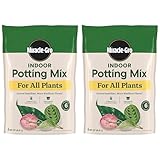
- Miracle-Gro Indoor Potting Mix for All Plants feeds houseplants for up to 6 months and grows healthier, more resilient plants (vs unfed when used as directed)
- This potting mix contains sphagnum peat moss, coconut coir, and perlite to help with water retention and release so indoor plants can flourish, and does not contain compost or bark, which are known to shelter fungus gnats
- Blended potting soil for a wide variety of indoor container plants, including herbs, climbing, foliage, and flowering plants
- Simply add this ready-to-use indoor soil to containers following label directions - no mixing or blending needed
- Bundle comes with 2 bags of Miracle-Gro Indoor Potting Mix for All Plants; each 6 qt. bags fills four 6-inch containers (exact amounts may vary depending on the size of the root ball)
Compact cultivars often stand without help, although a dwarf plant in a container may still need support in an exposed position. If stems are repeatedly floppy, move future plants to a more sheltered site and check that they are receiving enough light.
For tall plants or windy gardens, plant support stakes are a practical option. They are not a substitute for choosing a sheltered position, but they can protect flower stems once the plant is in bloom.
Deadheading and cutting flowers
When an entire flower cluster has faded, remove the complete stem at or near its base. RHS and extension guidance recommend pulling or gently twisting the spent stem upward rather than cutting off only the individual flowers. Removing the whole stem helps make room for new flowering stems.
During the first summer after planting, cut flower stalks rather than pulling them until the plant is firmly rooted. Once the plant is well established, gentle upward pulling or twisting is generally used to remove spent stems.
Alstroemeria is a useful cut flower, and stems can remain attractive in a vase for around two weeks under suitable conditions. Harvest carefully, especially from young plants, because pulling immature stems can disturb an incompletely established root system.
Winter care
Hardiness depends on the cultivar and local climate. Several garden cultivars are rated H4 by the Royal Horticultural Society, while North American extension guidance treats alstroemeria as an outdoor perennial in more temperate areas and recommends containers or indoor storage in colder regions. These hardiness systems are not interchangeable USDA-zone guarantees, so use the plant label and local experience rather than assuming every alstroemeria will survive the same winter.
Plants in the ground
For young border plants, apply a thick, dry mulch during the first one or two winters. Approximately 20 cm of composted bark is recommended in RHS guidance for the first couple of years. Keep mulch over the root zone but away from emerging shoots, and avoid materials that stay saturated.
Established plants in a suitable climate may need little winter intervention beyond good drainage. In cold, wet areas, however, protection is less effective if the roots are sitting in water.
The Tool Desk
Outbyte PC Repair FREEClear out junk files and repair common Windows errorsFree Scan →Outbyte Driver Updater FREEFix the driver behind crashes, sound loss and screen glitchesFind Drivers →Plants in containers
Container roots are more exposed to cold temperatures and winter rain than roots in the ground. Where possible, move pots to a frost-free, sheltered porch, greenhouse, or similar location. Keep the compost on the dry side without allowing the plant to become severely dehydrated.
Also popular on Amazon
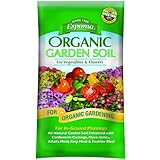
- FOR USE: Use when planting or transplanting to improve native soil.
- CONTAINS: This organic Vegetable & Flower Garden soil mix is a rich blend of natural and organic ingredients enriched with earthworm castings
- MYCO-TONE: A proprietary blend of endo & ecto mycorrhizae
- WHEN / HOW TO USE: Any time planting in the garden; simply mix thoroughly with native garden soils
- ORGANIC GARDENING: Contains a rich blend of only the finest natural ingredients. No synthetic plant foods or chemicals are used
In marginal climates, container culture is often safer than digging up an established clump each year. Alstroemeria roots are fragile, and repeated lifting can cause breakage or drying.
Propagation: division is usually best
Dividing an established clump
Division is the quickest and most dependable way to produce a new plant that retains the characteristics of the parent. Divide a mature clump carefully in autumn or early spring, depending on the cultivar and local growing season.
- Prepare the new planting site or containers before lifting the parent plant.
- Lift only when necessary and work gently around the clump.
- Separate a healthy division with viable roots and growing points.
- Replant it promptly so the brittle roots do not dry out.
- Water thoroughly, then maintain even moisture while it re-establishes.
Wear gardening gloves for plant handling when dividing or handling large quantities. Gloves protect hands from soil and reduce direct skin contact with plant sap, which can cause dermatitis or allergic reactions in susceptible people.
Growing from seed
Seed propagation is possible but less predictable. Germination may be erratic, seedlings can differ from the parent plant, and seed-grown plants may take several years to reach flowering size.
RHS guidance describes a controlled process in which seed is given warm indoor conditions, followed by a cooler period, before being returned to warmth. This is substantially more involved than division. If you try seed, use fresh material, expect uneven germination, and label seedlings because their eventual flower colors and forms may not match the parent.
Independent reader supportYour contribution helps us test, update, and keep practical guides available for everyone.Pests, diseases, and safe handling
Common problems
- Slugs and snails: may damage young growth and foliage.
- Aphids, spider mites, and whiteflies: can appear, particularly when growing conditions are stressful or watering is inconsistent.
- Root rot: is most strongly associated with poor drainage and overwatering.
Inspect plants regularly, improve air movement and growing conditions, and deal with pests using a control appropriate for the plant and your local regulations.
Yellow leaves
Yellowing does not automatically mean the plant needs fertilizer. Check whether the soil is too dry or too wet, inspect drainage, and consider whether the plant is entering its normal seasonal dieback. A plant beginning winter dormancy can naturally lose leaves.
Handling precautions
Alstroemeria can cause contact dermatitis or allergic skin reactions in some people. North Carolina Extension classifies it as having low-severity poison characteristics. Wear gloves when planting, dividing, or handling large quantities, and keep plant material away from children and pets that may chew ornamental plants. The available guidance supports sensible caution but does not establish a single poisoning procedure for every household; contact an appropriate medical or poison-information service if ingestion or a serious reaction occurs.
Also popular on Amazon

- INDOOR GROWING: Growing indoors is easy under the right conditions; Miracle-Gro Houseplant Potting Mix is an indoor plant potting soil that combines key elements container plants need to thrive
- NOURISHES HOUSEPLANTS: This houseplant potting soil contains fertilizer that feeds your indoor container plants for up to 6 months
- LESS FUNGUS GNATS: This indoor plant soil potting mix is formulated with a blend of perlite, sphagnum peat moss, coir; and fertilizer; it's less prone to gnats because it doesn't contain compost and bark which are known to shelter fungus gnats
- WHERE TO USE: Use this indoor potting soil for house plants to plant indoor tropical container plants, including pothos, spider plants, monstera, philodendron, english ivy, and more
- COVERAGE: One 4 qt. bag of Miracle-Gro Houseplant Potting Mix fills one 8-inch container; amounts may vary based on the size of the root ball
Troubleshooting alstroemeria
| Symptom | Likely checks | What to do |
|---|---|---|
| Leaves are yellowing | Overwatering, underwatering, poor drainage, or normal seasonal dormancy | Check soil moisture and drainage before feeding. Look for signs of winter dieback. |
| Few or no flowers | Too much shade, an immature plant, incomplete deadheading, or waterlogged soil | Increase light where practical, remove complete spent stems, and correct drainage. |
| Stems are floppy | Wind exposure, heavy flowers, or a tall cultivar without support | Add stakes or twiggy supports and use a more sheltered position for future planting. |
| Roots are rotting | Saturated border soil or wet winter compost | Improve drainage, reduce winter watering, move containers under cover, or replant in a raised or freer-draining position. |
| Seed has germinated poorly | Old seed, uneven germination, or unsuitable temperature sequence | Use fresh seed and expect variable results. Choose division for reliable multiplication. |
| The plant failed after lifting | Broken or dried roots, or damage during division | Avoid unnecessary digging, replant divisions promptly, and use containers in climates where winter lifting would otherwise be necessary. |
A simple care routine
- At planting: choose shelter, confirm drainage, spread the roots gently, and water well.
- During establishment: keep the soil evenly moist and protect young plants from competition and severe weather.
- During flowering: support tall stems, water during dry spells, feed container plants, and remove complete spent stems.
- In autumn: stop unnecessary watering, assess winter exposure, and mulch young border plants.
- In winter: keep container compost from becoming saturated and protect plants where the cultivar is not reliably hardy.
- When propagating: divide only mature clumps, keep roots from drying, and wear gloves.
Frequently Asked Questions
Is alstroemeria a true lily?
No. Alstroemeria is commonly called Peruvian lily, but it is a separate South American perennial and not a member of the true-lily group.
Can alstroemeria grow in pots?
Yes. Compact cultivars are especially suitable, although tall cultivars can also grow in large, stable pots if they receive support. Use a free-draining medium and a container with unobstructed drainage holes.
Should I cut or pull off spent alstroemeria flowers?
Remove the entire faded flower stem at or near its base. Once established, gently pulling or twisting the stem upward is commonly recommended because removing only the flower heads does not encourage flowering as effectively.
What’s actually slowing this PC down?
Pick the symptom - the matching free tool is one click away.
Why is my alstroemeria not flowering?
Check light levels, the plant’s age, drainage, and deadheading technique. Too much shade, waterlogged soil, or removing only individual flowers can reduce the display. Tall plants may also need better support and shelter rather than more fertilizer.
Can alstroemeria survive winter outdoors?
Some cultivars can, but hardiness varies with the plant and climate. Protect young plants with dry mulch, keep container plants sheltered from frost and winter rain, and follow the cultivar label rather than relying on a single universal hardiness rating.
The Bottom Line
The reliable formula is simple: plant alstroemeria in fertile but freely draining soil, give it sun and shelter, keep new plants evenly moist, and disturb the roots as little as possible. Choose container culture when drainage or winter hardiness is uncertain, support tall stems before they flop, and remove complete spent stems to keep flowers coming.
Quick Recap
Product prices and availability are accurate as of the date/time indicated and are subject to change. Any price and availability information displayed on Amazon at the time of purchase will apply.
The Tool Desk
Outbyte Driver Updater FREEScan for outdated or missing drivers - takes under a minuteDriver Scan →Outbyte PC Repair FREEClear out junk files and repair common Windows errorsFree Scan →
