Do these 3 things before closing this tab:
1Scan for outdated or missing drivers - takes under a minute2Clear out junk files and repair common Windows errors3Fix the driver behind crashes, sound loss and screen glitchesWhen the heat stops working, focus first on keeping people warm and retaining the heat already inside: gather everyone in one room, close off unused rooms, put on dry layers, and use blankets or sleeping bags. These steps do not heat the house. Never use an oven or cooktop for heat, or bring a generator, grill, camp stove, or other outdoor fuel-burning appliance indoors. If the home becomes too cold, go somewhere warm; suspected hypothermia needs urgent medical attention.
What to do first when the heat fails
- Gather people in one room. Close doors to unused rooms to consolidate and retain heat, as FEMA’s winter-storm guidance recommends. Keep the household together so you can check on one another.
- Warm people with dry layers and bedding. Put on dry clothing, add warm coats, and use blankets or sleeping bags. These help people retain body heat; they do not raise the home’s temperature. CDC winter-storm guidance lists blankets, sleeping bags, and warm coats as backup ways to stay warm during an outage.
- Keep an eye on conditions and people. If it is too cold to remain safely at home, arrange to stay with friends or go to a community shelter rather than waiting for conditions to worsen.
What not to use for indoor heat
Do not heat rooms with an oven or cooktop. Never operate a generator, charcoal grill, camping stove, or other outdoor fuel-burning equipment inside a home, basement, or garage. These devices can produce carbon monoxide (CO), an odorless gas that can cause sudden illness or death. FEMA and CDC outage guidance warn against these practices.
As an Amazon Associate I earn from qualifying purchases.
CDC says generators and gasoline-powered engines must be kept outdoors and at least 20 feet from windows, doors, and vents. Use a battery-powered or battery-backup CO detector in the home. A detector is an important warning device, not permission to operate combustion equipment indoors.
Quick wins for a faster PC:
Scan for outdated or missing drivers - takes under a minuteDriver Scan →Repair Windows errors before they cause bigger problemsFix Now →Using a portable heater more safely
A portable heater produces heat, unlike a sleeping bag or blanket, which helps a person retain warmth. If you use a heater, follow its manufacturer’s instructions and these precautions:
#1 Best Overall
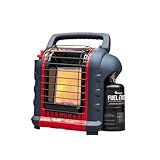
- Emits 4,000 or 9,000 BTU/hr radiant heat
- Designed and approved for indoor and outdoor use
- Heats up to approximately 225 square feet
- Features emergency low oxygen safety system
- 2 temperature settings: low and high
- Keep it at least 3 feet from drapes, furniture, bedding, and other materials that can burn.
- Place it on a stable, level surface.
- Plug an electric heater directly into a wall outlet, not a power strip.
- Use only a heater approved and suitable for the location and dwelling. Rules vary; CDC advises checking with the local fire department about whether kerosene heaters are legal where you live.
See CDC’s winter-storm safety guidance and the U.S. Consumer Product Safety Commission’s 2026 outage warning for heater precautions.
When to leave and when to seek medical help
There is no single safe amount of time to remain in a cold home: conditions, the building, and people’s health differ. If the home becomes too cold, go to a warm place with friends or a community shelter, following local emergency guidance. People who depend on electricity for medical devices or have health conditions should follow their clinician’s and local authorities’ advice.
Rank #2

- 4,000 or 9,000 BTU radiant heat for customizable comfort
- Designed and approved for indoor and outdoor use. Indoor use not approved in Canada or Massachusetts.
- Heats spaces up to 225 sq. ft. with efficient radiant warmth
- Up to 5.4 hours of runtime on a 1 lb. propane tank
- Up to 108 hours of runtime when connected to a 20 lb. propane cylinder with an optional Buddy hose and fuel filter
Hypothermia is a medical emergency. Warning signs can include shivering, exhaustion, confusion, fumbling hands, memory loss, slurred speech, and drowsiness. A body temperature below 95°F requires immediate medical attention, according to FEMA cold-weather guidance and CDC. Do not wait for a temperature reading if someone shows concerning symptoms.
Free tools Windows power users keep installed
One-click scans. No signup required.
Prepare your home before the next outage
Cold-weather preparation can reduce drafts and make it easier to care for people if the heating system fails. FEMA recommends insulation, caulking, and weather stripping as home-preparation measures in its winter-storm guidance.
Rank #3

- 3,800 BTU per hour
- For use with propane gas
- Heats up to 95 sq ft
- One button ignition on function
- 8in round stand; uses little floor space
- Keep blankets, warm coats, and sleeping bags where you can reach them quickly.
- Identify a nearby warm place you could go if the house becomes too cold.
- Keep a battery-powered or battery-backup CO detector in the home, and understand the outdoor-only rules for generators.
- Check local requirements and the manufacturer’s instructions before relying on any portable heater.
This advice reflects U.S. federal guidance; local rules, building type, weather, and the cause of an outage can affect what is appropriate.
Quick Recap
Best Value

- Flare-Free Ignition: OFF, IGNITION, LOW, MED, HIGH. The dedicated IGNITION setting purges air before lighting to prevent dangerous flare-ups. Propane Heater Choose from three heat settings (6000, 12000, or 18000 BTU) to match your comfort needs and outdoor conditions. Delivering up to 18,000 BTU, it easily heats spaces up to 450 sq ft—keeping you warm even during snowstorms and power outages
- No Electricity Needed: Powerful heat without the power cord! Connect a standard 20 lb propane tank with the QCC hose and built-in regulator and this compact heater runs for up to 69 hours on the low setting (6000 BTU). Ideal for power outages, hurricanes, garages, RVs, patios, camping, and other well-ventilated spaces
- Advanced Safety: ODS & Tip-Over Protection – Your safety comes first. With built-in tip-over protection, the heater automatically shuts off if knocked over. The ODS (Oxygen Depletion Sensor) also cuts off the unit if oxygen levels drop too low. Enjoy peace of mind while heating your garage, porch, shed, campsite, or picnic area
- Foldable & Portable with Built: WELLUCK Portable Propane Heater Equipped with four 360° swivel casters, two of which feature locking brakes for smooth movement, Folds down to only 15CM thin for easy storage against a wall, under a table, or in a closet. Disconnect the gas hose before folding. Dual side handles make lifting and carrying easy
- Multipurpose Use: The front protective mesh guard helps prevent direct contact with the heating panel. Powder-coated finish resists corrosion for outdoor use including camping, picnics, porches, sheds, construction sites, barns, patios, backyards, and more. For outdoor and well-ventilated indoor use only
Rank #4

- Heats up to 450 square feet
- Low, Medium, and High heat settings: 4,000 / 9,000 / 18,000 BTU
- Heats up to 216 hrs. on two 20lb Propane tanks with optional hose (low setting)
- Big Buddy dual heating system combines radiant heat comfort with convection heat air flow
- Built-in high powered fan
Product prices and availability are accurate as of the date/time indicated and are subject to change. Any price and availability information displayed on Amazon at the time of purchase will apply.

