What’s actually slowing this PC down?
Pick the symptom - the matching free tool is one click away.
Seal the building before fall beetle activity begins. Multicolored Asian lady beetles enter through surprisingly small openings while seeking protected places to overwinter. Inspect and repair cracks around windows, doors, roof lines, siding, vents, fascia, soffits, utilities, and the garage before beetles begin clustering on your home’s sunny walls.
To keep ladybugs—and especially multicolored Asian lady beetles—out of your house this fall, seal the building before the beetles begin their fall search for overwintering shelter. Concentrate on small cracks around windows, doors, roof and siding transitions, vents, fascia, soffits, utility penetrations, and the garage. Openings as small as approximately 1/8 inch can be enough for them to enter.
As an Amazon Associate I earn from qualifying purchases.
Exterior exclusion is more reliable than trying to kill beetles after they have moved into wall voids. Inspect and repair the outside of the house in late summer or early fall, before local fall clustering begins. The exact timing varies by climate and weather; in Minnesota, for example, activity commonly occurs from late September through late October when temperatures remain above 65°F, but that schedule should not be treated as a nationwide deadline.
Quick wins for a faster PC:
Scan for outdated or missing drivers - takes under a minuteDriver Scan →Clear out junk files and repair common Windows errorsFree Scan →Fix the driver behind crashes, sound loss and screen glitchesFind Drivers →Are they ladybugs or Asian lady beetles?
The insects gathering on a house in autumn are often multicolored Asian lady beetles (Harmonia axyridis) rather than one of the native ladybug species. Adults are usually about 1/3 inch long and may be yellow, orange, or red. A useful identification clue is the black, M-shaped marking behind the head.
#1 Best Overall

- 100% Waterproof and Weatherproof: This 100% silicone formula offers protection from water damage, providing a reliable seal in areas exposed to harsh weather
- Excellent Flexibility and Strong Adhesion: Provides a flexible, durable seal for both exterior and interior projects
- Same-Day Rain-Ready: Ready for rain exposure in as little as 12 hours
- Compatible with Most Materials: Adheres to most metals and woods; glass, drywall, plaster, granite, cultured marble, ceramic and porcelain tile; natural stone, cement board, composites, and more
- Color : Clear
Color alone is not enough to identify every ladybug or lady beetle. However, large groups collecting on sunny exterior walls in fall—particularly near wooded areas—are consistent with the behavior of multicolored Asian lady beetles. South- and west-facing walls may receive more activity because they warm in the afternoon.
These beetles are a seasonal nuisance, not a structural infestation. They do not reproduce indoors, eat household food, damage wood or fabrics, or carry disease according to University of Minnesota Extension guidance. They can pinch or bite, release a yellowish foul-smelling defensive fluid, and stain light-colored surfaces when crushed. Dead beetles may trigger allergic reactions in some people, and accumulated carcasses can attract secondary pests such as carpet beetles.
Fall exclusion checklist: seal the outside first
Walk around the entire building during daylight. Give priority to the sunny elevations and any wall where beetles have clustered in previous years. Look for gaps, failed caulk, loose trim, damaged screens, and openings around pipes and wires.
Free tools Windows power users keep installed
One-click scans. No signup required.
1. Seal window and door frames
- Inspect the joint between window frames and siding, masonry, or trim.
- Check the corners of window frames and the meeting points between fixed and moving sections.
- Inspect exterior door frames, trim, thresholds, and the area where the frame meets the wall.
- Remove failed or loose caulk where necessary, clean the joint, and apply a compatible exterior-grade sealant.
For narrow, stationary cracks, an exterior silicone caulk or another suitable exterior-grade product—such as elastomeric latex or silicone/acrylic caulk—can close the route. Choose the sealant based on the substrate, expected movement, moisture exposure, and the manufacturer’s instructions. Do not seal over wet, dirty, or unstable material.
2. Close gaps beneath exterior doors
Check whether daylight is visible beneath exterior doors. Install a door sweep or threshold where appropriate, and replace compressed or damaged weatherstripping around the jamb and header. A properly fitted exterior door sweep helps close the lower gap without preventing the door from latching.
Pay particular attention to the garage. Inspect the full length of the garage-door bottom seal, including both corners. Replace a brittle, split, flattened, or missing seal. The garage is often connected directly to living areas, so sealing it can reduce both beetle entry and general air leakage.
3. Repair window, door, and vent screens
Patch or replace damaged insect screens in:
- operable windows;
- screen doors;
- soffit and roof vents;
- bathroom-fan outlets; and
- kitchen-fan or range-hood outlets.
A window and door screen repair kit may work for small tears, but match the repair material to the screen type and damage. Replace screens that are loose, badly corroded, or too damaged to hold a patch. Do not block a required vent or modify a vent in a way that conflicts with its safety or airflow requirements.
4. Inspect roof lines, fascia, soffits, and siding transitions
From the ground, use binoculars if needed to examine the roof edge and upper walls. Look for:
- gaps beneath fascia or soffit panels;
- separations where siding meets trim;
- loose corner boards and rake boards;
- openings at roof-to-wall intersections;
- missing or damaged vent screens; and
- cracks around dormers, chimneys, skylights, and other roof penetrations.
Small cracks can generally be addressed with a suitable exterior caulk. Larger voids may require polyurethane expanding spray foam, copper mesh, steel wool, or another appropriate sealant. The right material depends on the size of the opening, moisture exposure, the surrounding building component, fire-safety requirements, and whether the opening needs to remain ventilated. Do not fill a designed roof or soffit vent with foam or caulk.
5. Seal utility and plumbing penetrations
Inspect the places where electrical wires, communication cables, pipes, outdoor faucets, refrigerant lines, and other utilities pass through the wall. Beetles can use the gap between a penetration and the surrounding siding, masonry, or sheathing.
Rank #2

- 100% Waterproof: This 100% silicone formula offers ultimate protection against water damage, providing a reliable seal in areas prone to consistent water exposure
- Strong and Flexible: Stays permanently flexible with a high-performing, durable seal
- 30-Minute Water-Ready: Ready for water exposure in as little as 30 minutes
- Shrink- and Crack-Proof: Withstands extreme expansion and contraction associated with temperature fluctuations
- Compatible with Most Materials: Adheres to most metals, plastics, and woods; glass, drywall, plaster, granite, cultured marble, ceramic and porcelain tile, and more
Seal only the gap around the penetration—not the utility itself—and use a material suitable for the location. Keep required clearances around electrical equipment, exhaust vents, heat-producing components, and fuel-burning appliances. If the penetration is difficult to reach or appears to involve a fire-rated assembly, have the repair evaluated by an appropriately qualified professional.
6. Check vents without restricting them
Inspect dryer vents, bathroom fans, kitchen exhaust outlets, crawl-space vents, attic vents, and other exterior openings for missing or damaged screens and loose covers. Repair the insect barrier while preserving the vent’s intended airflow and backdraft protection.
Never cover a dryer exhaust with an improvised screen that can collect lint, and do not seal a vent that is required for equipment operation or building ventilation. If a cover is broken, replace it with a compatible component rather than simply caulking around the opening.
7. Remove local outdoor attractants where applicable
In gardens and orchards, Asian lady beetles may move toward fall-ripening or damaged fruit after aphid populations decline. Remove fallen and damaged fruit where practical. This may reduce activity close to the house, but it is secondary to sealing the building: eliminating food outdoors will not close an entry gap.
Where to look first on a construction or remodeling project
New construction and renovation work can create temporary entry routes even when the finished envelope is well designed. Before fall, check:
Recommended Free Tools
Rank #3

- 100% Silicone Caulk Protection: This silicone caulk white provides ultimate waterproof protection, ensuring a reliable seal against water damage. Ideal for areas with consistent exposure, keeping your surfaces safeguarded and pristine under any weather condition.
- Strong and Flexible: Delivers a silicone sealant waterproof white that remains permanently flexible, adapting to surface movements for a lasting, durable hold. Perfect for dynamic environments like bathrooms and kitchens where adaptability and resilience are paramount.
- Quick 30 Minute Water Ready Performance: Experience the convenience of a silicone caulk that becomes water resistant in just 30 minutes, making it perfect for time sensitive projects. No more waiting hours, dependable, quick sealing efficiency with white silicone caulk.
- Shrink and Crack Proof: Experience superior durability with white silicone caulk that withstands temperature fluctuations. Its flexibility guarantees your surfaces stay intact without shrinking or cracking, ensuring consistent protection and a flawless finish over time.
- Low Odor and Safe Indoors: Enjoy stress free application with this silicone sealant featuring a low odor, neutral cure formula. Great for indoor use without overwhelming fumes, enhancing comfort and safety while ensuring effective waterproof clear protection for your spaces.
- unfinished penetrations for electrical, plumbing, and HVAC work;
- gaps around newly installed windows and doors;
- areas where siding, trim, or flashing has not yet been completed;
- open soffits and fascia during installation;
- temporary vent openings and unsealed mechanical penetrations; and
- garage-to-house transitions and other connections between conditioned and unconditioned spaces.
Do not use expanding foam as a substitute for required flashing, backer material, fire stopping, or an air-sealing detail specified for the assembly. Coordinate pest exclusion with the building-envelope and fire-safety requirements of the project.
If Asian lady beetles are already inside
Do not crush them. Crushing or rough handling can release the yellow defensive secretion, creating odor and possible staining. The practical removal method recommended by extension guidance is vacuuming.
- Use a household or handheld vacuum to collect the beetles.
- For a bagless vacuum or a vacuum that is difficult to clean, place a knee-high nylon stocking inside the hose opening.
- Secure the stocking around the hose with a rubber band so the beetles collect in the stocking instead of entering the vacuum bag or canister.
- Turn off the vacuum and remove the stocking promptly.
- Close or dispose of the stocking outdoors, away from doors and windows.
- Clean any residue according to the surface manufacturer’s instructions.
A handheld vacuum for bugs can be convenient for isolated insects near windows, but the important feature is controlled removal without crushing. Do not use your hands, a broom that scatters the beetles, or a method that drives them deeper into cracks.
Why indoor spraying usually disappoints
Indoor pesticide spraying is not a strong solution for beetles already hidden inside wall voids. Fall-entering beetles may remain concealed and then emerge on warm winter or spring days. Spraying visible insects does not repair the opening through which the next group will enter, and indoor treatment can expose occupants to unnecessary pesticide residues.
Use an integrated approach: identify the insect, monitor where it appears, physically remove the beetles, and correct the exterior entry points. Chemical treatment should be considered only when prevention and removal are insufficient.
When an exterior insecticide may be appropriate
For severe, recurring problems, a properly selected exterior residual insecticide barrier may provide additional suppression if it is applied before fall entry begins. Extension guidance identifies active ingredients used in products for this purpose, including bifenthrin, cyfluthrin, cypermethrin, deltamethrin, and permethrin. Treatment areas may include doors, windows, roof lines, and building sides where beetles congregate.
Rank #4
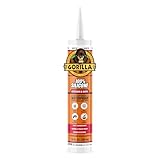
- Kitchen & Bath Ready – Premium white silicone caulk formulated for kitchens and bathrooms, delivering a durable, long-lasting seal in wet, humid environments
- 100% Waterproof Seal – Perfect for showers, tubs, sinks, tile, and backsplashes, keeping water out where it matters most
- 30-Minute Water-Ready – Can be exposed to water in as little as 30 minutes; full cure in 24 hours for reliable results
- Flexible and Durable – High-flex silicone caulk prevents shrinking, cracking, or breaking down; perfect for indoor and outdoor projects
- Long-Lasting Mold-Resistant – Formulated to resist mold and mildew after curing; easy to clean with soap and water
This is not a recommendation for a particular brand or a universal instruction to spray. Pesticide labels are legally enforceable. The current label determines whether the product may be used against the intended pest and on the intended site, as well as the application method, rate, timing, protective equipment, reentry precautions, and environmental restrictions. Use only a product whose current label covers the specific application, and follow that label exactly. Never apply an outdoor product indoors unless its label expressly permits that use.
Because exterior treatment can affect people, pets, pollinators, waterways, and non-target insects, a licensed structural pest-management professional may be the better choice when treatment is needed. Exclusion remains the primary control measure.
Windows Errors? Fix Them Before They Spread
Repair common Windows errors and clear accumulated junk for a smoother, more stable PC - no reinstall needed.Free scan · no reinstallOutdated Drivers Are Slowing You Down
One free scan finds every outdated or missing driver and matches the right update for your exact hardware.Free scan · exact hardware matchWhen to call a professional
Contact a licensed structural pest-management service when:
- large numbers return every year despite reasonable sealing;
- beetles are entering through high, unsafe, or inaccessible locations;
- the building has extensive gaps at roof lines, siding, soffits, or masonry;
- you are unsure whether an opening is a vent, drainage path, or fire-rated penetration;
- an exterior pesticide barrier is being considered; or
- occupants have significant reactions to beetles or accumulated insect debris.
Ask the contractor to identify likely entry points and explain how exclusion will be handled, rather than relying only on a spray. Verify licensing and whether the proposed treatment is permitted for the building, pest, location, and season in your jurisdiction.
A practical seasonal plan
| Timing | What to do |
|---|---|
| Late summer | Inspect sunny elevations, windows, doors, roof lines, siding transitions, vents, utilities, and the garage. Make a repair list. |
| Before local fall clustering | Replace damaged screens, repair door and garage seals, and caulk or otherwise close suitable gaps. Complete work before beetles begin gathering on the building. |
| During fall activity | Monitor the elevations where beetles cluster. Vacuum indoor insects without crushing them and note any remaining entry points. |
| Winter and spring | Expect some concealed beetles to emerge during warm spells. Remove them by vacuuming, then plan exterior repairs before the next fall season. |
Bottom line for homeowners
Asian lady beetles are difficult to control after they have entered wall voids, but they are comparatively manageable as an exclusion problem. Inspect the exterior before your area’s fall flight, seal cracks and utility penetrations, repair screens, improve door and garage seals, and preserve required ventilation. Vacuum any beetles that get inside rather than crushing or broadly spraying them. If the problem is severe or the entry points are unsafe to reach, use a licensed structural pest-management professional.
Best Value

- 100% Waterproof and Weatherproof: 100% silicone formula offers protection against water damage, providing a reliable seal in areas prone to harsh weather
- 10-Year Product Protection: Cured sealant is resistant to stain causing mold and mildew growth
- Permanently Flexible with Strong Adhesion: Sealant offers 40% more flexibility than Class 25 sealants and 5X stronger adhesion than our Silicone 1 sealant
- Durable: Rain-ready in as little as 30 minutes, and resistant to shrinking and cracking due to temperature fluctuations
- Compatible with Most Materials: Adheres to most metals and woods; aluminum, composites, brick, stone, stucco, masonry, cement board, glass, drywall, ceramic and porcelain tile, and more
Frequently Asked Questions
How do I keep Asian lady beetles from coming into my house?
The most effective approach is to seal the building before fall activity begins. Inspect window and door frames, siding transitions, fascia, soffits, roof lines, vents, utility penetrations, and the garage. Repair screens and install door sweeps or replacement garage-door bottom seals.
Do these 3 things before closing this tab:
1Scan for outdated or missing drivers - takes under a minute2Clear out junk files and repair common Windows errors3Fix the driver behind crashes, sound loss and screen glitchesDo Asian lady beetles infest or damage a house?
No. Asian lady beetles do not reproduce indoors or damage wood, fabrics, or household food. They can be a substantial seasonal nuisance, however, and crushed beetles may release an odorous yellow fluid that stains surfaces.
What is the best way to remove lady beetles already inside?
Vacuum them without crushing them. A knee-high nylon stocking secured inside the vacuum hose can collect the insects before they enter the vacuum bag or canister. Remove and close the stocking promptly after vacuuming.
Should I spray insecticide inside for Asian lady beetles?
Indoor spraying generally does not solve beetles concealed in wall voids, and some may emerge during warm winter or spring days. Correct the exterior entry points first. For severe recurring problems, a properly labeled exterior treatment or licensed pest-management service may provide additional suppression.
How can I recognize a multicolored Asian lady beetle?
The multicolored Asian lady beetle is commonly about 1/3 inch long, ranges from yellow to orange or red, and often has a black M-shaped marking behind the head. Color alone is not enough to identify every ladybug or lady beetle.
The Bottom Line
The most effective fall strategy is exclusion before entry: seal approximately 1/8-inch gaps and larger openings, repair screens and door seals, and focus on sunny walls, roof lines, vents, and utility penetrations. Vacuum beetles that are already indoors without crushing them; reserve exterior pesticide treatment for carefully labeled, appropriate uses or qualified professional application.
Quick Recap
Product prices and availability are accurate as of the date/time indicated and are subject to change. Any price and availability information displayed on Amazon at the time of purchase will apply.

