Recommended Free Tools
Preventing a basement fire from spreading requires several layers working together: remove ignition and fuel hazards, alert everyone quickly, keep the stairs usable, and close doors as you leave when that is safe. A smoke alarm only warns occupants; it does not suppress a fire. Because building and sprinkler rules vary by location, ask your local fire marshal or building department what construction, separation and retrofit requirements apply to your home.
The short, actionable checklist
- Install a smoke alarm on every level, including the basement, interconnect the alarms, test them monthly and replace each alarm 10 years after its manufacture date.
- Keep anything that can burn at least 3 feet from furnaces, water heaters, oil burners, wood stoves and other heat-producing equipment.
- Keep gas-appliance burner access doors closed and keep the electrical breaker panel accessible.
- Clean the dryer lint filter after every load and clean the dryer vent ductwork yearly.
- Plug the washer and dryer directly into wall outlets rather than extension cords or power strips.
- Store oily rags in airtight containers away from heat, and do not use the basement as a trash-storage area.
- Keep basement stairs and the route to every exit free of clutter.
- If the basement contains oil-, gas- or wood-burning equipment, install a carbon-monoxide alarm there; a CO alarm detects carbon monoxide, not fire.
- Make and practice a household escape plan with at least two ways out where the layout permits.
- Ask the local fire marshal or building department, and a qualified professional, about fire separation, doors and sprinkler requirements before remodeling.
What “preventing spread” actually means
No consumer device can guarantee that a basement fire will stay in one room. The practical goal is layered protection:
As an Amazon Associate I earn from qualifying purchases.
- Prevention: reduce the chance that heat, electricity, fuel or a housekeeping mistake starts a fire.
- Early warning: detect smoke throughout the home so people upstairs do not depend on hearing a basement alarm through a closed floor assembly.
- Compartmentation: a closed door can delay movement of smoke, heat and fire long enough to improve escape opportunities, but the evidence does not establish a universal “basement fire door” rating.
- Escape: get everyone out immediately, using a route that is clear before an emergency begins.
The U.S. Fire Administration (USFA) says residents could have less than two minutes to escape after a home smoke alarm sounds. That is a general home-fire warning, not a basement-specific evacuation time, so investigate only from outside and never re-enter for belongings.
Remove the basement’s most common ignition and fuel hazards
Heat-producing appliances
Furnaces, water heaters, oil burners, wood stoves and similar equipment need a clean area around them. USFA’s household guidance states: “Keep anything that can burn at least 3 feet from the furnace, oil burner, wood stoves, water heaters and other heat-generating equipment.” Read the complete USFA basement and garage fire-safety guidance for the same advice and related checks.
#1 Best Overall

- Reliable Fire Protection: Stop basic home fires involving trash, wood, paper, liquids, gases, and electrical equipment
- All-Metal Construction: Made with robust materials for long-lasting durability
- Easy pull safety pin
- Compact & Lightweight: Aluminum construction and small size allow for easy storage and use
- Easy-to-Read Pressure Indicator: If arrow is in the green it’s charged
Do not stack cardboard boxes, clothing, paper, paint, solvents or stored furniture in that clearance zone. Keep the burner-access doors on gas furnaces and gas water heaters closed, and do not place storage where it blocks the appliance’s service access. The breaker panel also needs unobstructed access so power can be shut off safely by an adult or emergency responder.
Dryers and washing machines
Lint is a combustible fuel, and a restricted vent can make a dryer run hotter. Clean the lint filter after every use and arrange for the dryer vent ductwork to be cleaned yearly. Keep the full vent path, including the termination outside, in good condition; if lint accumulates quickly or drying takes longer than usual, schedule maintenance rather than continuing to operate the appliance unattended.
Plug washers and dryers directly into wall outlets. Avoid extension cords and power strips for these high-load appliances. Leave enough space to reach the appliance shutoff and the outlet without climbing over stored items.
What’s actually slowing this PC down?
Pick the symptom - the matching free tool is one click away.
Rags, rubbish and stored materials
Oil-soaked rags can become a fire hazard. Put them in airtight containers and keep those containers away from heat-producing equipment. Do not store household trash in the basement; combustible waste turns a small ignition into a larger fuel load and can obstruct the path to the stairs.
Rank #2
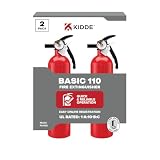
- Reliable Fire Protection: Stop basic home fires involving trash, wood, paper, liquids, gases, and electrical equipment
- All-Metal Construction: Made with robust materials for long-lasting durability
- Easy pull safety pin
- Compact & Lightweight: Aluminum construction and small size allow for easy storage and use
- Easy-to-Read Pressure Indicator: If arrow is in the green it’s charged
Use stable shelving, keep aisles open and avoid storing anything beneath or in front of mechanical equipment. If a contractor or tenant leaves packaging, sawdust or solvent containers behind, remove it promptly rather than allowing a temporary work area to become permanent storage.
Install a warning system that reaches every floor
USFA’s smoke-alarm guidance calls for an alarm on every level of the home, including the basement, with alarms interconnected so that one detection alerts the whole house. Follow the placement and installation instructions supplied with the specific alarm. Test the system monthly and replace each alarm 10 years from its manufacture date.
Hardwired alarms should be installed by a qualified electrician. Whether an alarm uses batteries or building wiring, interconnection matters because a basement alarm may be difficult to hear from bedrooms on upper floors. Keep alarms free of paint, dust and obstructions, and treat a failed monthly test as a repair issue rather than waiting for the next test date.
| Device or arrangement | What it detects or accomplishes | Placement and maintenance supported by USFA guidance |
|---|---|---|
| Smoke alarm on each level | Warns occupants when smoke is detected; it does not extinguish fire. | Install on every level, including the basement; test monthly and replace 10 years after manufacture. |
| Interconnected smoke alarms | Causes alarms throughout the home to sound when one detects smoke. | Use interconnection so occupants on other floors receive the warning. |
| Battery-powered smoke alarm | Provides smoke warning from a battery-powered unit. | Follow the product’s placement and power instructions; include it in the monthly test routine. |
| Hardwired smoke alarm | Provides smoke warning from a building-wired installation. | Have installation performed by a qualified electrician, then test monthly and replace at 10 years. |
| Carbon-monoxide alarm | Warns of carbon monoxide, not fire or smoke. | Place one in a basement that contains oil-, gas- or wood-burning equipment and follow the product instructions. |
A CO alarm addresses a different hazard from a smoke alarm. Do not substitute one for the other, and do not interpret a silent CO alarm as evidence that a fire is absent.
Rank #3

- Simple, Fast Activation:Take control with an easy-to-use design—just press, aim, and spray. Each set is equipped with three fire extinguishers and sturdy mounting brackets for quick access in kitchens, cars, and other essential spots.
- Broad Fire-Fighting Abilities:Handle kitchen grease, wood, gasoline, and lithium-ion battery fires.The extinguisher’s advanced formula forms a protective coating to prevent reignition, ensuring peace of mind.
- Safe, Residue-Free Design:Made from non-toxic, eco-friendly ingredients, the water-based solution leaves no residue, ensuring cleanup is quick and safe around children, pets, and sensitive areas.
- Lightweight and Compact:Compact and portable, this fire extinguisher fits conveniently in car glove boxes, kitchen cabinets, or emergency kits, offering quick access in critical situations.
- Six Years of Confidence:Backed by a six-year warranty, this fire extinguisher ensures long-term protection. Customer support is always available to answer questions or provide guidance, ensuring you stay prepared.
Keep the escape route usable and practice it
The basement stairs are often the first route occupants think of and the first route storage blocks. Keep every tread and landing clear, dry and well lit. Do not leave laundry baskets, bicycles, tools, boxes or seasonal decorations on the stairs. Make sure doors can be opened without moving furniture or unlocking a complicated device.
Use USFA’s home fire-escape planning guidance to draw a plan, identify exits and practice it. Include children, older adults and anyone who may need assistance; assign an adult to help rather than assuming the person will be able to self-evacuate. Choose an outdoor meeting place far enough from the building that arriving firefighters can work without people returning inside.
A closed door may slow the spread of smoke, heat and fire, according to USFA. Close basement and room doors as you leave only when you can do so without delaying escape or exposing yourself to smoke and heat. Closing a door is a delay tactic, not permission to investigate or search for a fire.
Do these 3 things before closing this tab:
1Fix the driver behind crashes, sound loss and screen glitches2Clear out junk files and repair common Windows errors3Scan for outdated or missing drivers - takes under a minuteWhat to do when an alarm sounds
- Alert everyone immediately by shouting “Fire” and activating the household plan.
- Leave by the nearest safe exit. If smoke, heat or flames block one route, use the alternative identified during practice.
- Close doors behind you if this is safe and does not slow your escape.
- Stay out. Do not go into the basement to confirm the alarm, rescue possessions or retrieve a pet.
- Call emergency services from outside and give the exact address, stating that the fire may involve the basement.
- Tell arriving firefighters if anyone or any fuel-burning appliance may still be inside; never re-enter until authorities say it is safe.
Because the available escape window can be very short, a plan that depends on finding keys, moving storage or waking each person individually is not robust. Practice the actual route, including the alternative exit, so the response is automatic.
Rank #4

- Simple, Fast Activation:Take control with an easy-to-use design—just press, aim, and spray. Each extinguisher Emergency Survival Kits includes two sturdy mounting brackets for quick access in kitchens, cars, and other essential spots.
- Versatile 8-in-1 Fire Protection:Effectively tackles a variety of fires: wood, cooking oils, gasoline, and lithium-ion battery fires in devices like phones and laptops. A protective barrier helps prevent reignition for added security.
- Eco-Friendly and Non-Toxic Formula:The non-toxic, water-based formula is safe for users and the environment. It leaves no residue, making cleanup fast and mess-free—perfect for homes, vehicles, or offices.
- Compact and Portable:Lightweight and easy to store, this extinguisher fits into small spaces like kitchen drawers, glove compartments, or boat lockers, ensuring you’re prepared for emergencies anytime.
- Reliable 6-Year Warranty :Enjoy peace of mind with a six-year warranty. Whether it’s support, replacement, or guidance, the customer service team is ready to assist, keeping you safe and covered.
Basement doors, fire separation and sprinklers: get local answers
USFA’s basement guidance does not establish a single national basement-door rating. The statement that a closed door may slow smoke, heat and fire supports closing doors during escape, not a claim that every basement door is fire-rated.
The same USFA page includes a recommendation for a 20-minute self-closing, self-latching door and specified gypsum-board construction where a garage connects to a house. That advice is garage-specific. Do not copy it as a basement specification without confirming the requirements for your jurisdiction and building type.
Before finishing walls, replacing a basement door, enclosing a furnace room or adding living space, ask the local fire marshal or building department:
Free tools Windows power users keep installed
One-click scans. No signup required.
- What fire-separation assembly is required between the basement and occupied floors?
- Does the door need a particular label, closer, latch or smoke seal?
- Are sprinklers required for new construction, additions or a change from storage to living space?
- Which permits, inspections and professional installations apply to electrical, fuel-burning and alarm work?
A qualified designer, contractor or fire-protection professional can then match the proposed work to the authority’s requirements. Requirements can differ by jurisdiction, occupancy, construction type and renovation scope, so a generic online specification is not a safe substitute for a local determination.
Best Value

- First Alert's HOME1 FE1A10GR Fire Extinguisher is UL rated 1-A: 10-B:C; it features durable all-metal construction with a commercial-grade metal valve and trigger to meet demanding needs
- Multipurpose fire extinguisher fights wood, paper, trash, plastics, gasoline, oil, and electrical-equipment fires
- First Alert’s Rechargeable Fire Extinguisher can be recharged by a certified professional after use, allowing for reuse.
- Metal pull pin with a safety seal to help prevent accidental discharge and tampering; corrosion-resistant, easy-to-read, color-coded metal gauge; waterproof label with easy instructions
- U.S. Coast Guard–approved for marine use. Lightweight and easy to use
For landlords and multi-occupant homes
Give every resident the escape plan, show the basement route and explain the meeting place before an emergency. Schedule access for alarm testing and dryer-vent maintenance, and keep a dated record of completed checks. Treat a blocked stair, disabled alarm or damaged door as a safety repair, not a housekeeping preference. If residents store belongings in a shared basement, mark the required clearance around equipment and keep the exit path under one person’s control rather than relying on informal agreements.
Do not promise residents that a particular door, alarm or wall assembly meets code until the local authority or a qualified professional has confirmed it. Written instructions are useful, but they do not replace a working, tested alarm and an unobstructed exit.
How large is the basement-fire problem?
In a USFA analysis of National Fire Incident Reporting System data for 2010–2012, basement fires accounted for about 3 percent of reported fires in one- and two-family residential buildings. The report counted cases in which the fire origin was reported one or two stories below grade. It is a historical, scoped percentage of reported incidents—not a current national rate, a count of all basement fires or a prediction for an individual house. The report is available as USFA’s “One- and Two-Family Residential Building Basement Fires (2010–2012)” PDF.
The practical controls remain useful regardless of the local incidence: limit fuel and ignition sources, make the warning audible everywhere, keep the route open and leave immediately when an alarm sounds.
Quick Recap
Product prices and availability are accurate as of the date/time indicated and are subject to change. Any price and availability information displayed on Amazon at the time of purchase will apply.

