Recommended Free Tools
The safest way to inspect an older home is to combine an independent, written home inspection with targeted lead-paint and radon checks, then use the results before your contract deadlines expire. A general inspection should cover the structure, roof, drainage, plumbing, heating, cooling, electrical systems, windows, doors, siding, and visible pest damage. It cannot guarantee that a house is free of concealed defects or environmental hazards. For a pre-1978 house, obtain the required lead-paint disclosure and consider a certified lead inspection or risk assessment. Test for radon rather than relying on a neighborhood result or an old seller report. Put your inspection rights, testing permissions, deadlines, and remedies in the purchase agreement and confirm the details with a local buyer’s agent or real-estate attorney.
Why an older home needs a layered inspection
Age is a risk signal, not a diagnosis. A century-old house may have a well-maintained structure and recently updated systems, while a younger house can have serious water intrusion or unsafe wiring. The objective is to identify the home’s present condition, safety concerns, deferred maintenance, and questions that require a specialist before you commit to the purchase.
As an Amazon Associate I earn from qualifying purchases.
U.S. Department of Housing and Urban Development guidance describes a broad inspection of plumbing, heating, cooling, electrical systems, structural soundness, roof, siding, windows, doors, and site grading. Grading matters because water should drain away from the building rather than toward a basement. HUD also discusses pest inspection and damage. Environmental concerns such as radon, asbestos, underground oil tanks, and lead water pipes may require separate evaluation and local compliance checks.
What’s actually slowing this PC down?
Pick the symptom - the matching free tool is one click away.
No general inspection is a guarantee. Inspectors normally report visible and reasonably accessible conditions; concealed areas, buried tanks, enclosed wall cavities, and regulated hazards may fall outside the standard service. Use the report to decide whether to proceed, ask for repairs, negotiate price or terms, or withdraw under the contingency provisions you negotiated.
#1 Best Overall
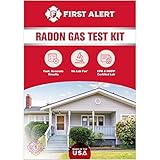
- The simple and safe way to test for radon
- Listed under the EPA radon gas measurement proficiency program
- Includes test materials and lab fees, excluding NJ state fees
- Results are emailed within 72 hours of lab receipt
- Recommended for use only within the United States
Plan the inspection before you make an offer
Read the contract and set the clock
An inspection is useful only if you can act on its findings. Before signing, make sure the agreement states whether you may conduct a general inspection, lead testing, radon testing, sewer or other specialist evaluations, and what happens if results are unacceptable. Record the inspection deadline, the date by which you must request repairs or a credit, and the cancellation procedure. Have your buyer’s agent or attorney confirm that the wording complies with the law where the property is located; federal guidance does not replace state and local rules.
Collect the home’s history
Ask the seller for available permits, invoices, warranties, prior inspection reports, insurance claims, information about water intrusion, and records for roof, heating, cooling, electrical, plumbing, foundation, pest treatment, and environmental work. Request the lead-paint disclosure and any records that accompany it. Treat a missing record as an unanswered question, not proof that work was never done.
Choose independent professionals
Select an inspector who is independent of the seller and whose qualifications, scope, sample report, insurance, fee, and turnaround are clear in writing. For lead, use an EPA-certified lead-based paint inspector or risk assessor when you need to know where lead paint is present or which hazards require attention. For radon, compare a qualified tester or mitigation professional with a consumer kit according to your deadline and the level of assurance you need. Ask every provider what is excluded and what follow-up work they recommend.
What a comprehensive home inspection should cover
| Area | What the inspector should assess | Questions for the buyer |
|---|---|---|
| Structure and foundation | Visible structural soundness, foundation condition, framing indicators, floors, walls, and signs of movement or moisture. | Is the condition consistent with routine maintenance, or is a structural engineer or other specialist needed? |
| Roof and drainage | Roof covering and visible flashings, gutters and downspouts, roof drainage, site grading, and evidence that water is directed away from the building. | What is the remaining serviceability, and are leaks or drainage defects active, repaired, or only suspected? |
| Exterior envelope | Siding, trim, windows, exterior doors, visible sealants, and areas where water could enter. | Are defects cosmetic, maintenance items, or pathways for significant water damage? |
| Plumbing | Visible supply and drain piping, fixtures, water heater, shutoffs, leaks, pressure observations, and accessible waste connections. | Which components need immediate repair, and which should be evaluated by a licensed plumber? |
| Heating and cooling | Heating and cooling equipment, distribution, controls, visible venting, and apparent operating condition. | Is the equipment safe to operate, and is a specialist service or combustion evaluation indicated? |
| Electrical | Visible service equipment, panels, wiring, outlets, grounding and bonding indicators, and accessible fixtures. | Are there safety concerns that require a licensed electrician rather than a general repair? |
| Interior | Floors, walls, ceilings, windows, doors, stairs, visible moisture, and ventilation observations. | Do stains or deterioration indicate an active leak, historic event, or concealed damage? |
| Pests | Visible evidence of wood-destroying insects or other pest damage when included in the service. | Is a dedicated pest inspection, treatment estimate, or repair scope required? |
Ask for a written report that identifies observed conditions, limitations, photographs where useful, and recommended follow-up. A verbal walk-through is not an adequate substitute for documentation you can use during negotiations.
Inspect the site, exterior, and water path first
Start with drainage
Walk the lot after or during wet weather when practical. Look at the slope around the foundation, downspout discharge, low areas, retaining features, basement entries, window wells, and signs of ponding or soil erosion. The key question is whether water is carried away from the house. Ask the inspector to distinguish a correctable grading or gutter issue from evidence of repeated foundation or basement damage.
Rank #2

- Portable Radon Detector: AEGTEST HOUND-1011S is a compact, portable radon detector for continuous monitoring. It measures radon levels from 0.09 to 1000 pCi/L, supports switching between pCi/L and Bq/m³ units, ensuring reliable protection against harmful radon gas
- Quick & Accurate Results:Equipped with a high-precision semiconductor sensor, the radon tester delivers fast, accurate readings. First results appear within 12 hours, with hourly updates for real-time accuracy. Data is reliable and testing can be restarted anytime
- Short-Term & Long-Term Monitoring: Multiple timeframes of radon concentration can be viewed — from the past 12 hours to 504 days — providing long-term, stable monitoring suitable for all environments. It helps safeguard against the health risks of prolonged radon exposure
- Long Battery Life: Supports long-term home use with a Type-C cable for continuous monitoring. The built-in battery lasts up to 45 days in sleep mode, ideal for travel—ensuring constant safety and peace of mind
- Easy to Use: The LCD screen displays data for the past 12H/24H/48H/72H/96H. Ready to use at startup with no learning curve. Comes with a stand and supports various environment monitoring. Includes 1× HOUND-1011S, 1× Charging Cable, 1× Lanyard, 1× Manual
Examine the roof and envelope
Review the roof covering, valleys, penetrations, flashing, gutters, and visible attic areas within the inspector’s safety and access limits. Inside, compare ceiling stains with current moisture readings and exterior conditions. Inspect siding, trim, window sills, and door thresholds for rot, failed joints, or water entry. A roof that is near the end of its serviceable life is different from one actively leaking into framing; the report should make that distinction and identify when a roofer is needed.
Look for pest evidence
Old homes can have historic or active pest damage. Look for damaged wood, galleries, frass, mud tubes, droppings, and repairs that conceal framing. These observations do not establish an infestation. Arrange a dedicated pest inspection if the general inspector sees evidence, the contract requires one, or local practice treats it as a separate service.
The Tool Desk
Outbyte Driver Updater FREEScan for outdated or missing drivers - takes under a minuteDriver Scan →Outbyte PC Repair FREERepair Windows errors before they cause bigger problemsFix Now →Evaluate structure and major systems methodically
Structure and foundation
Ask the inspector to document cracks, out-of-level floors, sticking doors, displaced masonry, dampness, and any areas that could not be accessed. A crack’s location, width, pattern, moisture, and change over time matter more than the fact that a crack exists. If the report raises a structural question, obtain a specialist opinion before agreeing to repairs or assuming the issue is merely cosmetic.
Plumbing
Have fixtures run and drains observed where the inspection scope permits. Check accessible supply, drain, and vent piping, shutoff valves, water-heater condition, and visible leakage. Ask whether the inspector could identify the pipe materials and whether a licensed plumber should evaluate corrosion, low pressure, sewer connections, or concealed piping. Do not infer the condition of buried or inaccessible lines from a normal faucet test.
Heating and cooling
Record the age or apparent condition of equipment when available, whether systems operated during the inspection, visible venting and flue conditions, distribution problems, and maintenance documentation. An older unit may operate acceptably yet need replacement planning; unsafe operation or suspected combustion problems warrant qualified service rather than a buyer’s own adjustment.
Rank #3

- FIRST OF ITS KIND: The first battery-operated, digital radon detector. Monitor your home without the need for an outlet.
- LONG TERM MONITORING: Monitor for cancer-causing radon gas. Long term monitoring is necessary as radon levels fluctuate daily.
- BE IN CONTROL: Take action if your radon levels are high. Know if your improvements have worked by checking the short term, on-screen readings.
- RADON REPORT: Generate a radon self-inspection report easily, whenever you need it.
- FAST RESULTS: On-screen results show both long and short term readings, for a quick overview of your radon levels.
Electrical
Review the service, panels, accessible wiring, grounding and bonding indicators, outlets, switches, and fixtures. Ask which findings are immediate safety concerns and which are upgrades. Historic wiring can be difficult to characterize without opening walls, so treat inaccessible portions as an explicit limitation and have a licensed electrician investigate when the report indicates risk.
Free tools Windows power users keep installed
One-click scans. No signup required.
Interior moisture and ventilation
Inspect basements, crawlspaces, bathrooms, kitchens, attic areas, and rooms with musty odors for staining, condensation, damp materials, and inadequate ventilation. Determine whether moisture is active and where it enters. A dehumidifier or fresh paint may hide symptoms without correcting drainage, plumbing, roof, or ventilation defects.
Use the report to separate maintenance from defects
Ask the inspector to classify findings by urgency and consequence. Routine maintenance may include cleaning gutters, renewing sealant, or servicing equipment. A defect that affects safety, structural integrity, habitability, or ongoing water intrusion deserves a repair plan and, often, a specialist. A limitation means the inspector could not determine a condition; it is not a clean bill of health.
- Immediate safety: conditions that could injure occupants or make a system unsafe to operate.
- Active damage: current leaks, uncontrolled moisture, structural movement, or infestation indicators.
- Material deferred maintenance: work that may shorten service life or cause escalating damage if ignored.
- Specialist question: a finding requiring engineering, licensed trade, environmental, pest, lead, or radon expertise.
- Monitor: a condition that can be documented and watched with a defined trigger for action.
Do not ask the inspector to predict an exact remaining life or repair price when the evidence cannot support it. Obtain written estimates from qualified contractors for significant work and confirm that proposed repairs address the cause, not only the visible symptom.
Lead paint: treat pre-1978 construction as a risk signal
What the construction date tells you
The U.S. Environmental Protection Agency reports that 87% of homes built before 1940 have some lead-based paint and that 24% of homes built between 1960 and 1978 have some lead-based paint. Those are population figures, not a diagnosis of the house you are buying. As EPA puts it, “The older your home, the more likely it contains lead-based paint.” A general home inspection does not establish lead status.
Do these 3 things before closing this tab:
1Fix the driver behind crashes, sound loss and screen glitches2Clear out junk files and repair common Windows errors3Scan for outdated or missing drivers - takes under a minuteRank #4

- Prompt and In-depth Radon Analysis: Our PRO-LAB Radon Test Kit expertly identifies the invisible and odorless radon gas that may be lurking in your home. With our efficient testing process, expect to receive detailed lab results within a standard work week upon the lab's receipt of your detectors, ensuring a swift response to your radon safety concerns.
- Epa Approved Accuracy: Utilizes patented design for precise radon testing in as little as 48 hours. Ensure your home's safety with this reliable radon test kit. Trust in EPA-approved methods for accurate results.
- All-Inclusive Kit: Comes with two (2) short-term radon gas detectors for simultaneous home screening. Ideal for those seeking a comprehensive radon testing kit without the need for multiple purchases.
- Lab Fee Details: A $20 lab analysis fee is required per detector. Receive standard results within a week. Our radon test kit for home ensures transparency in pricing. (Additional $10.00 fee per detector required for NJ Residents)
- Easy & Safe: Designed for hassle-free use with EPA approved lab methods. Trust in a system that prioritizes your home's safety. Our radon tester kit is user-friendly and ensures peace of mind.
Choose assumption or targeted testing
EPA recommends either assuming a pre-1978 home contains lead-based paint and using appropriate precautions, or hiring a certified lead-based paint inspector or risk assessor. An inspection is a surface-by-surface investigation. A risk assessment focuses on lead hazards and what actions can control them. Ask the professional which rooms, painted surfaces, dust, soil, or other media are included, what the laboratory or field method is, and how results will be reported.
Review disclosures before signing
The federal lead-based paint disclosure rule applies to most pre-1978 housing, with specified exceptions. Before the buyer signs, the seller must provide relevant information about known lead paint and hazards, available records and reports, and the required disclosure materials. Read the records rather than relying on a checkbox. If testing is important to your decision, negotiate the right to test and the cancellation, repair, or other remedy in the purchase contract. State and local requirements can add obligations.
Use current EPA materials
The EPA real-estate disclosure pamphlet page identifies a revised 2026 version reflecting dust-lead standards effective January 12, 2026, and an updated definition of abatement effective January 13, 2025. Use the current EPA material and forms applicable at the time and location of your transaction instead of an old copied pamphlet.
Protect occupants during work
Do not sand, scrape, drill, or disturb suspect paint merely to investigate it. If renovation or repair will disturb painted surfaces, ask a certified professional or qualified contractor how to control dust and comply with applicable rules. Keep children and pregnant people away from work areas until the professional confirms that the area is safe.
Radon: test the specific house
Why a prior result may not answer your question
EPA recommends radon testing when buying or selling. If the seller supplies a previous result, establish who performed the test, where it was taken, when it was performed, and whether structural, heating, cooling, ventilation, or other building changes have occurred since then. Radon concentrations can differ between neighboring houses, so a regional reputation or a nearby home’s result does not establish this property’s level.
Best Value

- Portable Radon Detector: AEGTEST HOUND-1011S is a compact, portable radon detector for continuous monitoring. It measures radon levels from 0.09 to 1000 pCi/L, supports switching between pCi/L and Bq/m³ units, ensuring reliable protection against harmful radon gas
- Quick & Accurate Results:Equipped with a high-precision semiconductor sensor, the radon tester delivers fast, accurate readings. First results appear within 12 hours, with hourly updates for real-time accuracy. Data is reliable and testing can be restarted anytime
- Short-Term & Long-Term Monitoring: Multiple timeframes of radon concentration can be viewed — from the past 12 hours to 504 days — providing long-term, stable monitoring suitable for all environments. It helps safeguard against the health risks of prolonged radon exposure
- Long Battery Life: Supports long-term home use with a Type-C cable for continuous monitoring. The built-in battery lasts up to 45 days in sleep mode, ideal for travel—ensuring constant safety and peace of mind
- Easy to Use: The LCD screen displays data for the past 12H/24H/48H/72H/96H. Ready to use at startup with no learning curve. Comes with a stand and supports various environment monitoring. Includes 1× HOUND-1011S, 1× Charging Cable, 1× Lanyard, 1× Manual
Place the test where people may live
A lower-level room intended for occupancy should be considered in test placement. Follow the kit or professional tester’s instructions exactly, including exposure time, closed-building conditions, shipping, and documentation. Consumer kits are available through hardware stores; professional testing is another option. Compare the tester’s qualifications, independence, method, turnaround, and written reporting before choosing.
Interpret the number correctly
EPA recommends fixing a home when the radon level is 4 pCi/L or more. Levels below 4 pCi/L still carry risk and may sometimes be reduced. Ask for a qualified mitigation evaluation when a result reaches the action level or when your circumstances make lower exposure especially important. Put the test deadline and your remedy in the contract so you are not forced to accept an unresolved result.
Compare the inspection and testing options
| Option | Best use | Verify before hiring | Typical limitation |
|---|---|---|---|
| Independent general home inspector | Broad review of structure, roof, drainage, major systems, interior, exterior, and visible pest evidence. | Qualifications, independence, scope, written report, access limits, insurance, fee, and delivery date. | Does not establish lead status, radon concentration, concealed conditions, or every regulated hazard. |
| Certified lead-based paint inspector | Surface-by-surface determination of where lead-based paint is present. | Current certification, surfaces and rooms included, testing method, report format, and turnaround. | Presence testing alone may not rank hazards or specify a complete control plan. |
| Certified lead risk assessor | Evaluation focused on lead hazards and recommended controls. | Certification, sampling scope, hazard criteria, and written recommendations. | May cost more or take longer than a limited presence inspection; scope must be confirmed. |
| Consumer radon kit | Testing when you can follow instructions and meet the contract deadline. | Placement, exposure period, laboratory processing, shipping time, and result documentation. | Errors in placement, handling, or timing can make the result unreliable. |
| Professional radon testing | Independent testing with documented equipment, placement, and reporting. | Tester qualifications, device type, placement, quality controls, turnaround, and mitigation referrals. | Availability and cost vary by location; a result still represents the tested conditions and period. |
For every option, compare qualification and independence, the surfaces or systems covered, whether the test location matches intended use, whether the result predates material building changes, follow-up recommendations, turnaround, cost, and your contract deadline for acting.
After the inspection: make a defensible decision
Organize findings by decision impact
- Read the entire written report, including limitations and photographs, before focusing on the headline summary.
- Separate immediate safety issues, active water or structural damage, lead or radon results, and specialist referrals from ordinary maintenance.
- Obtain qualified opinions and estimates for significant or uncertain conditions.
- Check whether the seller’s proposed repair actually corrects the cause and whether permits or documentation will be provided.
- Compare the total work, disruption, timing, and uncertainty with your budget and intended occupancy.
Negotiate without losing your rights
Depending on the contract, you may request repairs, a price adjustment, a credit, an extension for testing, or cancellation. Put every agreement in a signed amendment with deadlines and responsibility for permits, contractors, and verification. Do not waive an inspection contingency merely because the seller promises to fix an item; require a written scope and a way to confirm completion.
Reinspect material repairs
If repairs are completed before closing, obtain invoices, permits, warranties, and any specialist reports. Reinspect accessible work when practical, especially after water, structural, electrical, heating, cooling, lead, or radon issues. A repaired symptom without evidence that the source was corrected should remain an open question.
Local rules and hazards that need extra care
Federal guidance is a starting point, not a state-by-state checklist. Disclosure forms, licensing, lead requirements, radon protocols, underground-tank records, sewer requirements, historic-district rules, and permits vary by location. Ask professionals familiar with the property’s jurisdiction what applies. HUD identifies asbestos, underground oil tanks, and lead water pipes among environmental concerns, but a general inspection does not provide a universal protocol for each one. If the home’s history or location raises one of these issues, obtain the relevant specialist evaluation before your contract deadline.
Older construction can also contain inaccessible or altered work that a visual inspection cannot characterize. Preserve the report’s limitations, photographs, test locations, and dates with your closing records. They help you plan maintenance and demonstrate what was known and tested when you bought the property.
Outdated Drivers Are Slowing You Down
One free scan finds every outdated or missing driver and matches the right update for your exact hardware.Free scan · exact hardware matchWindows Errors? Fix Them Before They Spread
Repair common Windows errors and clear accumulated junk for a smoother, more stable PC - no reinstall needed.Free scan · no reinstallQuick Recap
Buyer’s final inspection checklist
- Confirm the inspection, testing, response, and cancellation deadlines in the purchase agreement.
- Hire an independent inspector and request a written report.
- Attend the inspection when practical and ask about access limitations.
- Verify structure, foundation, roof, siding, windows, doors, drainage, plumbing, heating, cooling, electrical, interior moisture, and pest evidence.
- Obtain seller disclosures, permits, repair records, warranties, and prior environmental reports.
- For a pre-1978 home, review the federal lead disclosure and decide whether to assume lead precautions or hire a certified lead inspector or risk assessor.
- For radon, obtain a new test or verify the prior tester, location, date, and building changes; consider a lower-level occupied room.
- Interpret 4 pCi/L or more as EPA’s level for fixing the home, while recognizing that lower levels still carry risk.
- Obtain specialist opinions for structural, electrical, plumbing, pest, lead, radon, or other regulated concerns.
- Document negotiated repairs, credits, testing rights, and remedies in signed contract amendments.
- Reinspect significant work and retain reports, permits, invoices, and test results.
Product prices and availability are accurate as of the date/time indicated and are subject to change. Any price and availability information displayed on Amazon at the time of purchase will apply.

