Heat only the room you are using, run the heater only while you need it, and reduce avoidable drafts; safe placement and operation matter as much as the thermostat setting.
What “efficient” means with a portable electric heater
For a portable electric resistance heater, efficiency is mainly a matter of where and when you use it—not a claim that one common heater style will produce substantially more heat from the same electricity than another. A heater can be useful when you need temporary warmth in one occupied room instead of heating a larger area. It can also add to your electricity use, especially if it runs for long periods or supplements a heating system that is already warming the same space.
As an Amazon Associate I earn from qualifying purchases.
The practical goal is to keep the occupied room comfortable with as little unnecessary runtime and heat loss as possible. There is no universal thermostat setting or runtime that fits every room: comfort, insulation, drafts, outdoor conditions and the heater’s controls all affect what works.
That makes “efficient” a practical rather than model-style promise. Start with the room and schedule: Is anyone using the room, and for how long? If not, there is no reason to keep adding portable heat there. When someone is in the room, use the heater’s thermostat or a lower setting to maintain comfort rather than simply running it at a high setting without regard to the temperature. Then look for avoidable drafts that can let warmth escape. These steps reduce unnecessary operation and heat loss; they do not guarantee a particular bill reduction.
#1 Best Overall

- Valued Carpenter Pencil Set: You will get 2 pcs solid carpenter pencils with 26 piece 2.8 mm refills, 1 replaceable sharpener, 1 plastic storage box.The complete carpenter pencils combination allows you to finish your work faster and more easily
- Deep Hole Marker Pencil: The deep-hole construction pencils adopts 45mm elongated tip design, which is more convenient to mark in the small hole or in other tight areas that other carpenter markers cannot reach
- Carpenter Pencils with Sharpener: The sharpener is screwed into the top of the work pencil, which won't get lost either. Built-in pencil sharpener that keep the lead with pointed and smooth to Improves line of sight in fine work
- Stronger Solid Lead: This work pencil is matched with a 2.8 mm thick lead , which is much thicker and stronger during the drawing process of construction work, it will not break or damage easily
- Marks on Various Surfaces: 3 colors solid construction pencil can marks on various surfaces,such as metal, plastic, wood, paper etc. Ideals for woodworkers, contractors, craftsmen, builders, merchants and masons
It is also worth separating a portable heater’s job from the job of a home heating system. A portable heater provides localized, temporary heat. It may be useful when the need is limited to one room, but it is not automatically the lowest-cost way to heat a home or even a particular room. Whether it saves money depends on what heat it replaces, how long it runs, your electricity rate and the conditions in the home.
Set up the room and heater
Heat the space you are using
Place the heater in the room where people will spend time, rather than using it to warm an empty room or a larger area than necessary. Keep its air intake and outlet unobstructed, and arrange furniture so the warm air can circulate without directing it toward combustible items. Follow the placement and operating instructions supplied with the heater; a thermostat or lower heat setting can help maintain comfort without continuing to heat beyond what you need.
If the room is occupied only for part of the day, switch the heater off when you leave or no longer need the added heat. A thermostat can reduce unnecessary operation by stopping or reducing heat once the selected setting is reached, but it does not make unsafe placement or unattended use safe.
The Tool Desk
Outbyte PC Repair FREERepair Windows errors before they cause bigger problemsFix Now →Outbyte Driver Updater FREEScan for outdated or missing drivers - takes under a minuteDriver Scan →A simple routine helps keep the heater focused on the actual need. Before switching it on, decide which room is being warmed and whether someone will be there. Put the heater where it can operate as its instructions require, with clear space around it and without blocking its intake or outlet. Choose a setting that maintains comfortable conditions rather than assuming the highest setting is the right one. When the room is no longer in use, turn the heater off. This is not a universal schedule: a room that is used briefly has a different heating need from one occupied for several hours.
Do not use the heater to warm a room that is empty just because it is available. A thermostat can help prevent the heater from continuing to add heat after the set temperature is reached, but it does not tell you whether the room needs heat in the first place. The relevant question is whether added warmth is useful to someone in that room now. If it is not, switching the heater off avoids needless runtime.
Keep comfort and safety in view together. Placement should allow the heater to work as intended without putting it close to bedding, curtains, furniture or other combustible items. The CPSC advises a minimum three-foot clearance from combustible materials. Follow any additional spacing and placement directions in the heater’s own instructions; a convenient spot is not suitable if it blocks air movement or leaves too little clearance.
Reduce drafts where practical
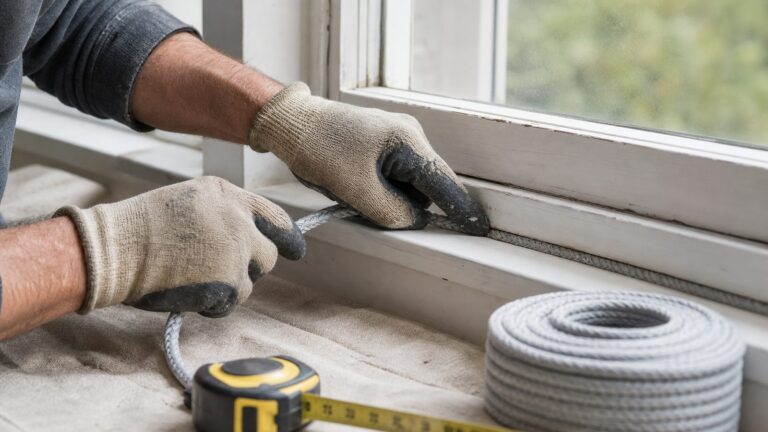
Check for noticeable air leaks around doors and windows, and close them where appropriate. Weather stripping or other suitable air-sealing materials may help address a draft, but the right repair depends on the location and condition of the opening. The U.S. Department of Energy says reducing air leakage is a cost-effective way to cut heating and cooling costs and improve comfort. That general guidance does not establish a specific dollar saving for one room, window or door.
Do these 3 things before closing this tab:
1Clear out junk files and repair common Windows errors2Fix the driver behind crashes, sound loss and screen glitches3Repair Windows errors before they cause bigger problemsDo not block required ventilation or cover a heater to try to keep warmth in. Air sealing should address unwanted leaks without interfering with the heater’s required clearances or the safe operation of other equipment in the home.
A practical draft check does not need to become a promise of savings. Notice where cold air seems to enter around a door or window and consider whether a suitable repair or air-sealing material is appropriate for that opening. The Department of Energy’s guidance describes the general benefit of reducing air leakage, but it does not say how many dollars a particular treatment will save in one room. Results depend on the home and the leak being addressed.
Rank #2

- Ergonomically Designed: Work in tight areas with a compact design that gets into tough spots
- Compact and Lightweight: Both tools are designed to fit into difficult to reach spaces. The 1/4" impact driver has a length of 5.55 in. and weighs just 2.8 lbs, while the 1/2" drill/driver measures only 7.5 in. and weighs 3.6 lbs
- Both the DEWALT impact driver and electric drill driver feature integrated LED work lights with a convenient 20-second delay, ensuring enhanced visibility in dimly lit or challenging work areas
- One-Handed Loading - Keep one hand free with a 1/4 in. hex chuck that accepts 1 in. bit tips
- Power drill cordless with 1/2" single sleeve ratcheting chuck provides tight bit gripping strength, making bit changes faster and more secure
Draft reduction and heater use work together: the heater supplies warmth while the room is occupied; reducing an avoidable leak can help limit heat escaping. Neither step should compromise safe operation. In particular, do not drape material over the heater, block its intake or outlet, or move it closer to combustible objects to direct heat. Preserve required clearances and follow the appliance instructions.
Operate it safely
The U.S. Consumer Product Safety Commission’s household guidance, released January 23, 2026, advises keeping portable heaters at least three feet from drapes, furniture, bedding and other combustible materials. It also says to plug an electric space heater directly into a wall outlet—never an extension cord or power strip—and to turn it off when sleeping. Check the heater for recalls and follow its instructions.
Windows Errors? Fix Them Before They Spread
Repair common Windows errors and clear accumulated junk for a smoother, more stable PC - no reinstall needed.Free scan · no reinstallOutdated Drivers Are Slowing You Down
One free scan finds every outdated or missing driver and matches the right update for your exact hardware.Free scan · exact hardware matchCPSC estimated that portable heaters, including electric space heaters, were involved in an average of 1,600 fires, 70 deaths and 150 injuries per year during 2020–2022. These are average annual estimates for that period, published by the agency in 2026, not a count for 2026 or a prediction of the risk from a particular heater.
These precautions are core parts of using a portable heater, not optional refinements for rare situations. Maintain three feet of clearance from combustible items around the appliance, including bedding and furniture. Plug it straight into a wall outlet instead of adding an extension cord or power strip. Turn it off when sleeping, even if the room is still occupied. Check whether the product has been recalled, and follow the manufacturer’s instructions for use and placement.
The CPSC figures provide context for why these habits matter, but they should be interpreted accurately. The agency’s published estimate covers portable heaters, including electric space heaters, during 2020–2022. It is an average across those years, published in 2026—not a current-year tally, a prediction for a specific household or a count limited to one heater type.
Turning a heater off when sleeping also clarifies an important distinction between comfort controls and safe operation. A thermostat may help regulate heat while the heater is being used, but the CPSC’s advice is to turn the appliance off for sleep. Do not treat thermostat control, tip-over shutoff or another product feature as permission to ignore the agency’s precautions.
Use sensible safety features when choosing a heater
When comparing models, check for a thermostat, tip-over shutoff and a safety listing, as well as controls and a cord that suit the intended location. A U.S. Department of Energy facility policy for the Waste Isolation Pilot Plant requires heaters used under that workplace program to be safety-listed, have tip-over shutoff, visible power-on indication and thermostat control, and use a grounded or polarized cord. That is a site-specific workplace policy, not a universal consumer product rule; it illustrates features a buyer can look for, not a certification of any particular model.
Never rely on a feature as a substitute for the CPSC’s clearance, outlet and sleep precautions. If the cord, plug or heater appears damaged, do not continue using it; follow the manufacturer’s guidance for repair or replacement.
For a focused buying check, consider whether the model has controls that suit the way you will use it, whether its safety features are clearly identified, and whether it can be placed in the intended room while preserving the necessary clearance. A visible power-on indicator can make operating status easier to see, but the Waste Isolation Pilot Plant policy that specifies one applies to that facility’s program. It is not a general consumer requirement. The same scope caveat applies to the policy’s grounded or polarized cord specification.
Rank #3

- 【Great Compatibility】This Katerk 1/4 inch hex shank bit holder is specifically designed for 1/4 inch hex shank drill bits. It's compatible with most 1/4 fast hex handles, hex sockets, various electric screwdrivers, and handheld screwdrivers. The bit holder makes it a valuable addition for any handyman.
- 【Secure and Safe】Built with a secure backup nut design, each drill bit holder securely locks onto your bits, ensuring they stay firmly in place. Additionally, our bit holder incorporates a high-quality steel ball rolling design that holds up to several kilograms of weight, ensuring your various drill bits don't fall off.
- 【Easy One-Handed Operation】The bit holder for impact driver allows you to change bits single-handedly, simplifying your workflow. Its multi-color design further allows for quick identification of the drill bit you need.
- 【Compact and Convenient】Thanks to its compact size, this 1/4 inch bit holder is easy to carry around. The bit holder allows for easy attachment to various tools, making this a convenient addition to your construction accessories. The Katerk bit holder is cast from high-quality alloy material, promising a long product lifespan. Despite its rugged strength, the bit holder remains lightweight, making it portable.
- 【Cool Christmas Gift For Men Stocking Stuffers】 This screwdriver bit holder, driver bit holder, impact bit holder, can be given as a gift to your loved one, especially for anyone involved in construction or electrical work. It's a must-have for stocking stuffers for men and women, tools gifts for dad, tech gadgets for men, gifts for dad, gifts for him, gifts for husband, gifts for boyfriend, cool gadgets for men, and cool gifts for dad.
A safety listing and tip-over shutoff are useful points to investigate, but neither changes how the appliance must be used. Before buying, check for current recalls; after buying, use the manufacturer’s directions and keep the heater directly connected to a wall outlet. Do not buy based on an assumption that a particular feature makes it acceptable to use an extension cord, place the unit near bedding or leave it on while sleeping.
Quick wins for a faster PC:
Repair Windows errors before they cause bigger problemsFix Now →Scan for outdated or missing drivers - takes under a minuteDriver Scan →Clear out junk files and repair common Windows errorsFree Scan →Estimate electricity use and cost
A numerical estimate requires the heater’s wattage, how long it actually runs, and your electricity rate. Room conditions and the heating already in use also affect the result. A thermostat may cycle the heater rather than keep it drawing power continuously, so multiplying its full rated wattage by every hour the room is occupied can overstate consumption if the heater cycles off.
For a simple estimate, use the following calculation with the heater’s rated wattage and an estimate of its actual operating hours:
Energy used in kilowatt-hours = wattage × operating hours ÷ 1,000
Estimated electricity cost = kilowatt-hours × your electricity price per kilowatt-hour
For example, insert the wattage from the heater’s label, the hours it is actively heating, and the rate on your electricity bill. The result is an estimate, not a guaranteed bill change: it does not account for cycling, other household usage, rate changes or whether the heater replaces or adds to heat from another system.
To make the estimate useful, gather the numbers rather than relying on a generic “space heater cost” figure. The appliance label provides the rated wattage; your bill provides the electricity price per kilowatt-hour; and your usage estimate should reflect hours when the heater is actually operating. If a thermostat cycles the unit off and on, time spent in the room is not necessarily the same as time spent actively heating. The simple calculation is most useful when its assumptions are clear.
For example, if you know the rated wattage and your electricity rate but do not know the heater’s actual operating time, you do not yet have enough information for a reliable estimate. Likewise, knowing the runtime without the wattage and rate is not enough. Do not interpret an estimate as the amount your bill will rise or fall: the heater might replace heat from another system, supplement it, or run alongside heat that would have been used anyway.
The available guidance does not provide a universal wattage, room-size formula, or one-size-fits-all operating cost. Room conditions, outdoor weather, heating already in use, thermostat cycling and local rates all matter. If you want to compare two usage patterns, apply the same formula to each pattern using its own estimated active runtime and your actual rate. That gives a transparent estimate, not a guaranteed result.
Rank #4

- Long Nib and Deep Hole Marker: Our mechanical carpenter pencil with 45mm nib is designed for easy marking of deep holes or narrow areas. These construction pencils are the great choice for woodworking tools, construction tools, carpenter tools, contractor tools, wood carpentry tools and architect tools
- Extra Refills in 2 Colors for Versatile Marking: The construction mechanical pencil comes with 12 extra 2.8mm refills, including 6 red and 6 black refills. The black refill is suitable for light surfaces, while the red wax is perfect for dark surfaces. Our carpenter mechanical pencil makes sure that you'll have an ample supply for extended use
- Built-in Sharpener: Our construction pencil comes with a built-in sharpener to ensure the mechanical pencil tip is always sharp and ready for use. Never buy an extra pencil sharpener again. A great tool for any woodworker pencil, contractor pencils. The refill can easily be extended or retracted with a simple click of the pencils mechanical, allowing you to work more efficiently and accurately
- Portable Clip Design: Our deep hole construction pencil features a portable clip design, easy to carry and attach to your pocket or tool box, so that you can keep the carpenter pencils mechanical close at hand, making it a convenient tool to have on the go. Great gifts choice for carpenters
- Stronger Pencil Lead: The black refills are made of lead, sturdy and smooth. The red refills are made of wax, clear and light. These marking pencils are much thicker and stronger than normal pencils during the marking process of construction work, suitable for various surfaces, such as glasses, metal, boards, floors, walls, furniture, etc. The written marks can be easily wiped with a wet paper towel when needed
Portable heater or heat pump?
A portable resistance heater and a heat pump solve different problems. The portable heater is for temporary, local heat; a heat pump is a home heating system that may be relevant when considering a longer-term upgrade. The Department of Energy says today’s heat pumps can reduce electricity use for heating by approximately 65% compared with electric resistance heating. This is a broad comparison between technologies, not a model-specific result or a promised saving for one room or household.
| Consideration | Portable electric resistance heater | Heat pump |
|---|---|---|
| Typical role | Temporary heat in the room being used | Home heating system; a potential longer-term option |
| Electricity use for heating | Reference point for DOE’s broad comparison | DOE says today’s heat pumps can use approximately 65% less electricity for heating than electric resistance heating |
| Installation scope | Portable appliance; follow its placement and outlet instructions | Home-system upgrade; this guidance does not establish installation requirements or costs |
| Best decision context | You need localized or temporary warmth | You are evaluating ongoing home heating rather than a short-term room-heating need |
The 65% figure is not a room-by-room operating-cost calculation. DOE’s general comparison does not establish the purchase price, installation cost, climate-specific performance or savings for a particular home. Those factors need to be assessed for the actual system and property.
Use the comparison to frame the decision, not to treat the two options as interchangeable. If you need warmth in one occupied room for a limited period, a portable heater addresses that immediate need without being a whole-home upgrade. If you are evaluating ongoing home heating, a heat pump is a distinct system worth considering. Its electricity-use advantage in DOE’s broad comparison does not, by itself, tell you what it would cost to buy or install one, how it would perform in your climate, or what your household would save.
The approximately 65% figure compares electricity use for heating with electric resistance equipment broadly. It is not a claim that every homeowner will reduce a bill by 65%, nor does it calculate the effect of adding a portable heater to a particular room. A household-specific comparison would depend on the actual equipment and home. The DOE guidance cited here does not provide a purchase price, installation quote or climate-specific performance estimate.
Free tools Windows power users keep installed
One-click scans. No signup required.
Compare portable heater models without assuming one style is more efficient
The available evidence does not establish that ceramic, infrared, oil-filled or fan heaters produce substantially more heat from the same electricity. Compare models by features and fit rather than treating a heater style as a guaranteed efficiency upgrade.
- Controls: Check whether it has a thermostat and settings you can use to maintain comfort.
- Protection: Look for tip-over shutoff and a safety listing; check whether the product has a current recall.
- Physical fit: Make sure the heater can sit in the intended room with its required clearances and without blocking its intake or outlet.
- Electrical use: Follow the manufacturer’s outlet and cord instructions, including the CPSC direction to plug directly into a wall outlet rather than an extension cord or power strip.
A useful search description is “portable electric space heater with thermostat and tip-over shutoff.” It describes features to investigate, not a recommendation or an endorsement of a specific model.
When two models are under consideration, compare the controls, protection features, safety listing, cord and physical fit for your room. Check that the appliance can be placed with the CPSC’s three-foot clearance from combustible items and that its intake and outlet will remain unobstructed. Confirm the product has not been recalled. These checks are more useful than assuming that a ceramic, infrared, oil-filled or fan design is inherently more efficient; the available comparison does not establish that ranking.
Also consider whether the heater’s controls fit the intended use. A thermostat can help avoid unnecessary heating once the selected setting is reached, but safe use still depends on placement, direct connection to a wall outlet and switching the heater off when sleeping. A model description such as “portable electric space heater with thermostat and tip-over shutoff” can help focus a search on relevant features. It is not a tested recommendation, an endorsement or a guarantee of performance.
What’s actually slowing this PC down?
Pick the symptom - the matching free tool is one click away.
Use the Department of Energy’s thermostat guidance in context
The Department of Energy’s general guidance says turning a thermostat back 7°–10°F for eight hours daily can save as much as 10% a year on heating and cooling. That is a general estimate for thermostat setbacks, not a performance guarantee for a portable heater or a promise of savings in a particular home. A portable heater’s thermostat, the home’s main thermostat and the room’s comfort needs may not act as one coordinated control system.
Best Value

- Milwaukee Ink all Fine Point Marker, Black, 4 Per Pack
- 4 per pack Features Clog Resistant Marker Tip Writes through Dusty, Wet and Oily Surfaces Durable Marker Tip for Writing on Concrete, OSB and Rough Surfaces
- Clog resistant tip writes on dusty, wet and oily surfaces and is optimized for rough surfaces such as OSB, cinderblock and concrete
- Hard hat clip- attaches for easy access
- Quick dry time with reduced smearing and marking
For a portable heater, the more direct decision is whether the room needs added heat now. Use its thermostat or lower setting to avoid overheating the occupied space, and switch it off when heat is no longer needed, while following the safety precautions above.
Keep the scope of the DOE estimate in mind. It describes a general thermostat setback—7°–10°F for eight hours each day—and says the measure can save as much as 10% a year on heating and cooling. It does not promise that a portable heater will use 10% less electricity, that every household will save that amount, or that a portable heater’s thermostat and a home’s main thermostat will coordinate automatically. Treat it as general context, not a portable-heater performance calculation.
A quick decision checklist
- Confirm the need: Is the room occupied, and is added heat needed there now? Avoid heating an unoccupied space.
- Prepare the room: Address noticeable drafts where appropriate, without blocking ventilation or compromising appliance clearances.
- Place the heater safely: Keep it at least three feet from combustible materials, with its intake and outlet unobstructed.
- Connect it correctly: Plug it directly into a wall outlet, never an extension cord or power strip.
- Use controls thoughtfully: Set the thermostat or heat level for comfort, then turn the heater off when the room no longer needs it and when sleeping.
- Check the product: Follow its instructions and check for recalls; consider thermostat control, tip-over shutoff and a safety listing when comparing models.
- Estimate rather than guess: Use wattage, active runtime and your electricity rate if you want a cost estimate, and treat the result as approximate.
Frequently Asked Questions
How can I heat one room without heating the whole house?
Use a portable electric resistance heater in the room people are using, rather than heating an empty space. Keep its intake and outlet clear, use the thermostat or a lower setting to maintain comfort, reduce noticeable drafts where practical, and turn it off when the room no longer needs added heat. Follow the CPSC’s safety guidance on clearance, wall outlets and turning it off when sleeping.
Recommended Free Tools
How much electricity does a space heater use?
It depends on the heater’s rated wattage and how long it actively runs. Estimate kilowatt-hours as wattage multiplied by operating hours and divided by 1,000; estimate cost by multiplying that energy use by your electricity price per kilowatt-hour. A thermostat may cycle the heater off, so time spent in the room may not equal active heating time. Without wattage, runtime and your rate, there is no universal figure.
Is a ceramic, infrared, oil-filled or fan heater more efficient?
The available evidence does not establish that one of these common portable resistance-heater styles produces substantially more heat from the same electricity than another. Compare controls, safety features, safety listing, recalls, physical fit and the manufacturer’s instructions rather than treating heater style as a guaranteed efficiency upgrade.
Can I leave a space heater on while I sleep?
No. The U.S. Consumer Product Safety Commission’s household guidance released January 23, 2026, says to turn portable heaters off when sleeping. Keep the heater at least three feet from combustible materials and plug it directly into a wall outlet, never an extension cord or power strip.
Can I plug a space heater into an extension cord or power strip?
No. CPSC says to plug an electric space heater directly into a wall outlet, never an extension cord or power strip. Follow the heater’s instructions as well.
Recommended Free Tools
Will a space heater lower my heating bill?
There is no guaranteed answer. A portable heater may provide localized warmth, but the effect on your bill depends on its wattage and active runtime, your electricity rate, room conditions, weather and whether it replaces or adds to heat from another system. Use those details to make an estimate rather than assuming a particular saving.
Does a heat pump use less electricity than an electric space heater?
The Department of Energy says today’s heat pumps can reduce electricity use for heating by approximately 65% compared with electric resistance heating. This is a broad technology comparison, not a promised saving for a particular home or a room-by-room calculation. A heat pump is a home heating system, while a portable heater provides localized, temporary heat; the comparison does not establish purchase or installation costs.
What safety features should I look for in a portable heater?
When comparing models, consider a thermostat, tip-over shutoff and a safety listing, and check for current recalls. A thermostat or safety feature does not replace the CPSC’s three-foot clearance, direct-to-wall-outlet and turn-off-when-sleeping precautions. A Department of Energy facility policy at the Waste Isolation Pilot Plant also specifies a visible power-on indicator and grounded or polarized cord for its workplace program, but that is not a universal consumer product rule.
The Bottom Line
For efficient room heating, use the portable heater only in the occupied room and only while added warmth is needed, reduce avoidable drafts, and do not trade safety for convenience. Keep at least three feet from combustibles, plug directly into a wall outlet, and turn the heater off when sleeping. Estimate electricity use only when you know the heater’s wattage, active runtime and your utility rate; there is no universal cost or model-style efficiency winner.
Quick Recap
Product prices and availability are accurate as of the date/time indicated and are subject to change. Any price and availability information displayed on Amazon at the time of purchase will apply.