Do these 3 things before closing this tab:
1Repair Windows errors before they cause bigger problems2Fix the driver behind crashes, sound loss and screen glitches3Clear out junk files and repair common Windows errorsTo grow and care for a spider plant (airplane plant), place Chlorophytum comosum in bright indirect light, water when the upper soil has dried, and use a freely draining pot and ordinary indoor potting mix. Repot when roots become crowded, feed lightly during active summer growth, and root the plantlets that form on its arching stems.
Spider plant, also called ribbon plant or spider ivy, is a forgiving indoor plant for beginners, offices, shelves, and hanging baskets. The plant’s long stems and dangling babies make propagation straightforward, provided the mother plant receives enough light and the roots are not kept constantly wet.
As an Amazon Associate I earn from qualifying purchases.
Key takeaways
- Spider plants (*Chlorophytum comosum*) grow best in bright, indirect light but tolerate medium and lower light.
- Water a spider plant when the upper 2 centimetres of soil have dried, then let excess water drain completely.
- Regular indoor potting mix is suitable; a pot with a drainage hole matters more than a specialist spider-plant soil.
- Repot every few years or when roots crowd the container, increasing the pot diameter by only about 2–3 inches.
- Spider plant babies, also called spiderettes or plantlets, can be rooted in moist potting mix while attached to the mother plant or after cutting them free.
- The ASPCA lists spider plant as non-toxic to dogs and cats, although pets should not be encouraged to chew houseplants.
How do you grow and care for a spider plant (airplane plant)?
To grow and care for a spider plant (airplane plant), place *Chlorophytum comosum* in bright indirect light, water when the upper soil has dried, and use a freely draining pot and ordinary indoor potting mix. Repot when roots become crowded, feed lightly during active summer growth, and root the plantlets that form on its arching stems.
Spider plant, also called ribbon plant or spider ivy, is an evergreen, clump-forming perennial with narrow arching leaves. Mature plants can send out long stems bearing small white flowers and young plantlets. The Royal Horticultural Society describes spider plants as among the easiest houseplants to grow, which is why they work well in offices, on shelves, and in hanging baskets.
#1 Best Overall
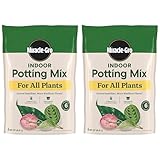
- Miracle-Gro Indoor Potting Mix for All Plants feeds houseplants for up to 6 months and grows healthier, more resilient plants (vs unfed when used as directed)
- This potting mix contains sphagnum peat moss, coconut coir, and perlite to help with water retention and release so indoor plants can flourish, and does not contain compost or bark, which are known to shelter fungus gnats
- Blended potting soil for a wide variety of indoor container plants, including herbs, climbing, foliage, and flowering plants
- Simply add this ready-to-use indoor soil to containers following label directions - no mixing or blending needed
- Bundle comes with 2 bags of Miracle-Gro Indoor Potting Mix for All Plants; each 6 qt. bags fills four 6-inch containers (exact amounts may vary depending on the size of the root ball)
Where should you place a spider plant?
A spider plant should be placed in bright, indirect or dappled light, although medium light is a reliable baseline for indoor growth. A position near a bright window with filtered light is usually more useful than a dark corner or a window receiving intense direct summer sun.
| Location | What to expect | Practical choice |
|---|---|---|
| Bright indirect light | Best chance of strong foliage and plentiful plantlets | Near a bright window, protected from harsh midday sun |
| Medium light | Usually suitable for steady indoor growth | A bright room away from direct rays |
| Low light | The plant may survive, but growth can be slower and plantlet production less reliable | Use only when appearance and propagation are not priorities |
| Strong direct sun through glass | Leaves may scorch, fade, or develop bleached patches | Filter the light with a sheer curtain or move the plant farther from the glass |
University of Illinois Extension’s houseplant lighting guidance supports matching light intensity to the plant rather than treating every window as equivalent. A spider plant can tolerate a dimmer location, but tolerance is not the same as best performance: brighter indirect light generally produces fuller foliage and improves the chance of vigorous growth.
How often should you water a spider plant?
Water a spider plant when the upper layer of soil has dried instead of following a fixed weekly schedule. The RHS advises watering when the top two centimetres of soil have dried, while University of Illinois Extension says to allow the soil to dry between waterings.
- Push a finger into the upper soil or inspect the surface and upper layer for dryness.
- When the upper layer is dry, water slowly and thoroughly until the root ball is moistened.
- Allow water to escape through the drainage hole.
- Empty any saucer or cachepot so the pot is not left standing in water.
Drying speed changes with light, temperature, season, pot size, and root density. A spider plant in a dim room or oversized container may remain wet much longer than a plant in brighter light. A fixed instruction such as “water every week” can therefore cause either drought stress or overwatering.
| What you observe | Likely watering interpretation | What to do |
|---|---|---|
| Upper soil is dry and the plant looks normal | Normal time to water | Water thoroughly and drain completely |
| Soil is still damp several centimetres down | The plant has not dried enough | Wait and check again later |
| Soil stays wet for a long time | Possible oversized pot, poor drainage, low light, or overly frequent watering | Improve drainage and let the mix dry more between waterings |
| Water runs straight through immediately | The mix may be very dry, compacted, or root-bound | Rehydrate gradually and assess whether repotting is needed |
What is the best soil and pot for a spider plant?
The best soil for a spider plant is a regular indoor potting mix used in a container with a drainage hole. Spider plants do not require a proprietary or spider-specific blend; the important combination is a root-supporting mix that does not remain saturated and a container that lets excess water escape.
For repotting or rooting spiderettes, choose an indoor potting mix for houseplants and use it according to the label. A standard mix is also suitable for young plantlets once they have roots. Avoid filling a decorative pot without drainage unless the plant is first placed in a separate draining nursery pot.
Rank #2
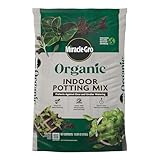
- HELPS REGULATE SOIL MOISTURE: Miracle-Gro Organic Indoor Potting Soil Mix is an organic potting soil that protects indoor plants against over and under watering
- INDOOR PLANT SOIL: This organic container mix for indoor gardening is made with responsibly sourced sphagnum peat moss (one hundred percent of peat sourced from certified producers), coir, and quick-start natural fertilizer
- WHERE TO USE: Use this indoor potting soil mix with all types of indoor container plants, including houseplants and herbs; also great for seed starting
- HOW TO USE: To plant seeds, fill container with organic soil for indoor plants, follow seed package directions and water; to use with transplants, partially fill container, place plant after loosening root ball, cover with more mix pressing lightly, water thoroughly and let drain
- COVERAGE: One 16 qt. bag of Miracle-Gro Organic Indoor Potting Mix fills one 12-inch container with potting soil for indoor plants (amounts may vary based on the size of the root ball)
Do not automatically choose the largest attractive planter. Excess soil around a small root system dries slowly and can keep roots wet. When repotting, the University of Minnesota Extension recommends a new container no more than 2–3 inches larger in diameter than the original in its houseplant repotting guidance.
When should you repot a spider plant?
Repot a spider plant every few years or sooner when roots are crowded, roots emerge from the drainage holes, water passes through unusually quickly, or the plant becomes unstable. The RHS recommends repotting and dividing spider plants every two to three years, while actual timing should follow the plant’s condition.
- Choose a container with a drainage hole that is only modestly larger than the current pot.
- Prepare fresh indoor potting mix.
- Ease the plant from its container and inspect the roots without tearing healthy roots unnecessarily.
- Set the root ball at the same general depth as before; do not bury the leaf crown deeply.
- Fill around the roots with fresh mix, water thoroughly, and allow the excess to drain.
Repotting is also an opportunity to divide a crowded clump. Separate rooted sections carefully and place each division in its own appropriately sized container. A larger pot is not automatically better: root space, drainage, and drying time matter more than decorative scale.
How do you propagate spider plant babies?
You can propagate spider plant babies by rooting a plantlet, commonly called a spiderette, in moist standard potting mix. The easiest method is to let a healthy plantlet remain attached to the mother plant while it roots in a nearby pot, although a rooted plantlet can also be cut free and planted separately.
Rooting a spiderette while it is attached
- Select a healthy plantlet with visible root initials or small roots.
- Place a small pot of moist, standard indoor potting mix beside the mother plant.
- Set the plantlet on the mix and hold it in place without burying its crown deeply.
- Keep the mix lightly moist while roots establish, never saturated.
- After the plantlet is rooted and begins growing independently, cut the connecting stem with clean snips.
Planting a cut plantlet
Cut the connecting stem with clean pruning snips, place the plantlet in moist potting mix, and keep the mix lightly moist while roots develop. Cornell Cooperative Extension’s spider-plant guidance supports planting plantlets in moist, standard potting soil once roots show.
The Tool Desk
Outbyte Driver Updater FREEFix the driver behind crashes, sound loss and screen glitchesFind Drivers →Outbyte PC Repair FREERepair Windows errors before they cause bigger problemsFix Now →Give a newly rooted spiderette bright indirect light after establishment. Plantlets and division are the most practical home propagation methods; growing from seed is possible but is less convenient for making a copy of the parent plant.
Rank #3

- Includes 6qt of Back to the Roots Indoor Potting Mix. Our Potting Mix contains organic yucca extract that aids in retaining moisture in the soil which keeps your indoor plants happy and healthy
- ROOT-BOOSTING MYCORRHIZAE: This beneficial soil component provides your plants with a natural, organic way to boost their root development and nutrient uptake
- ORGANIC AND PEAT-FREE: Our indoor potting mix helps reduce greenhouse emissions and environmental impact, making it a responsible choice for conscious consumers
- BALANCING DOLOMITIC LIMESTONE: Balances the alkalinity and acidity levels of the soil, which ensures that your plants receive the necessary nutrients from the potting mix to grow healthy and strong
- SAFE FOR PETS AND PEOPLE: Made without bark or compost, this potting mix is less prone to indoor gnats and pests, making it a worry-free option for your indoor gardening needs
Why is a spider plant not producing babies?
A spider plant may not be producing babies because it is young, receiving insufficient light, or not yet growing vigorously enough to flower and send out plantlets. Brighter indirect light improves the chance of propagation, but no location guarantees abundant babies from every plant.
- Check light: Move a dimly placed plant closer to bright filtered light gradually, while avoiding harsh direct sun.
- Check roots and water: Correct soil that stays soggy or a pot that dries unusually quickly because of severe root crowding.
- Check maturity: A small or recently divided plant may need time to establish before producing arching stems.
- Check feeding: A light houseplant feed during active summer growth can support growth, but fertilizer is not a substitute for suitable light and drainage.
Why are my spider plant leaves turning brown?
Brown spider plant leaf tips do not have one universal cause, so inspect light, watering, drainage, fertilizer concentration, and possible mineral residue rather than treating the symptom with misting alone. Trim brown ends with clean scissors to improve the plant’s appearance, but trimming does not correct the underlying growing condition.
| Possible factor | Clues to inspect | Correction |
|---|---|---|
| Harsh direct light | Faded, bleached, or scorched-looking foliage | Use bright indirect light instead |
| Inconsistent or insufficient watering | Very dry mix, limp foliage, or repeated severe drying | Water thoroughly when the upper soil has dried |
| Waterlogged roots | Soil remains wet and the pot lacks effective drainage | Stop watering until appropriate dryness returns and improve drainage |
| Excess fertilizer or mineral residue | Brown tips despite adequate light and watering, or residue on the soil surface | Reduce feeding, follow the fertilizer label, and review the water and soil routine |
The RHS recommends snipping off brown ends, while its care guidance and University of Illinois Extension emphasize light, watering, drainage, and feeding as the main cultural factors. Occasional misting is mentioned as an optional treat, not a required spider-plant treatment, and a moisture meter or grow light is not necessary for ordinary care.
Recommended Free Tools
Does a spider plant need fertilizer or misting?
A spider plant can grow without an elaborate fertilizer or misting routine. During active summer growth, apply a light feed of balanced liquid houseplant fertilizer according to the product label, and avoid using extra fertilizer to solve brown tips, poor light, or waterlogged soil.
Misting is optional rather than essential. A sound light, watering, and drainage routine has more influence on ordinary spider-plant health than humidity gadgets. If the plant is struggling, correct its growing conditions before buying a fertilizer, mister, or grow light.
How do you deal with pests on spider plants?
Inspect a weak or distorted spider plant, especially the undersides of leaves and crowded foliage, for common houseplant pests. The RHS notes that spider plants can be susceptible to scale, and University of Minnesota Extension lists spider mites, mealybugs, scale, fungus gnats, and whiteflies among common indoor houseplant pests.
Rank #4

- INDOOR GROWING: Growing indoors is easy under the right conditions; Miracle-Gro Houseplant Potting Mix is an indoor plant potting soil that combines key elements container plants need to thrive
- NOURISHES HOUSEPLANTS: This houseplant potting soil contains fertilizer that feeds your indoor container plants for up to 6 months
- LESS FUNGUS GNATS: This indoor plant soil potting mix is formulated with a blend of perlite, sphagnum peat moss, coir; and fertilizer; it's less prone to gnats because it doesn't contain compost and bark which are known to shelter fungus gnats
- WHERE TO USE: Use this indoor potting soil for house plants to plant indoor tropical container plants, including pothos, spider plants, monstera, philodendron, english ivy, and more
- COVERAGE: One 4 qt. bag of Miracle-Gro Houseplant Potting Mix fills one 8-inch container; amounts may vary based on the size of the root ball
Isolate a visibly infested plant from other houseplants, remove obvious pests where practical, and identify the pest before choosing a treatment. Avoid assuming that one pesticide or treatment is appropriate for every pest; the correct response depends on the insect, the plant’s condition, and the product label.
Windows Errors? Fix Them Before They Spread
Repair common Windows errors and clear accumulated junk for a smoother, more stable PC - no reinstall needed.Free scan · no reinstallCrashes, No Sound, or Screen Glitches?
Random freezes, missing sound and display glitches usually trace back to one bad driver. Find and replace yours safely.Free scan · under a minuteAre spider plants safe for cats and dogs?
Spider plants are listed as non-toxic to cats and dogs by the ASPCA. The ASPCA’s classification states “Non-Toxic to Dogs, Non-Toxic to Cats,” but non-toxic does not mean pets should eat unlimited amounts of the plant.
Prevent excessive chewing because any plant material can cause stomach upset in an individual animal, and keep soil, fertilizer, and treated foliage away from pets. Contact a veterinarian or an appropriate animal poison-control service if a pet becomes unwell after chewing a houseplant.
A simple spider plant care checklist
- Place the plant in bright indirect or medium light.
- Protect foliage from strong direct sun through glass.
- Check the upper soil rather than watering by the calendar.
- Water when the upper layer has dried and empty the saucer afterward.
- Use ordinary indoor potting mix in a pot with a drainage hole.
- Repot every few years or when roots become crowded, using a container only 2–3 inches wider.
- Feed lightly during active summer growth if the plant needs support.
- Root healthy plantlets in moist mix while attached or after cutting them free.
- Trim brown tips for appearance, then investigate the growing conditions.
- Inspect leaves for scale and other common indoor pests.
Frequently Asked Questions
How often should I water a spider plant?
Water a spider plant when the upper layer of soil has dried, rather than using a fixed weekly schedule. Water thoroughly until excess escapes through the drainage hole, then empty the saucer so the plant does not sit in water.
How much sunlight does a spider plant need?
Spider plants grow best in bright indirect light but tolerate medium and lower light. Low light may slow growth and reduce plantlet production, while strong direct sun through glass can scorch or fade leaves.
What is the best soil for a spider plant?
Use ordinary indoor potting mix in a container with a drainage hole. A specialist spider-plant soil is not required; preventing waterlogged roots is more important than choosing a branded or proprietary blend.
Are spider plants safe for cats and dogs?
Yes. The ASPCA lists spider plant as non-toxic to cats and dogs. Pets should still be discouraged from chewing the plant because eating plant material can cause stomach upset in some animals.
The Bottom Line
Spider plant care is mainly a balance of light and drying time: provide bright indirect light, water only after the upper soil dries, and never leave the roots in standing water. Regular potting mix, modest repotting, and simple plantlet propagation are enough for a healthy airplane plant.
Quick Recap
Product prices and availability are accurate as of the date/time indicated and are subject to change. Any price and availability information displayed on Amazon at the time of purchase will apply.

